Fertility Diet: Best Foods to Eat When Trying to Conceive


Fertility Diet: Best Foods to Eat When Trying to Conceive
If you're trying to conceive in the UK, you may already be taking folic acid and tracking your cycle — but have you thought carefully about what you're eating? Your diet plays a profound role in your fertility, and an increasing body of research confirms that the foods you consume can meaningfully affect your chances of conception.
This guide explores the best fertility diet principles, the specific nutrients most important for both male and female fertility, and how supplements like Conceive Plus can help fill nutritional gaps while you focus on optimising your diet for conception.
Why Does Diet Affect Fertility?
Fertility is deeply influenced by your overall physiological health, and nutrition is one of its most direct levers. The foods you eat provide the raw materials for:
- Hormone production and regulation
- Egg and sperm development
- Uterine lining health
- Ovulation regularity
- Reducing inflammation (which can impair fertility)
A 2018 study published in the Journal of Obstetrics and Gynaecology found that women who closely followed a "pro-fertility" diet pattern — rich in whole grains, legumes, vegetables, and healthy fats — had significantly higher rates of clinical pregnancy compared to those with poor dietary habits.
The good news: you don't need a perfectly "clean" diet to support fertility. Strategic focus on key nutrients and dietary patterns can have meaningful benefits without requiring dietary perfection.
Support Your Fertility from the Inside Out
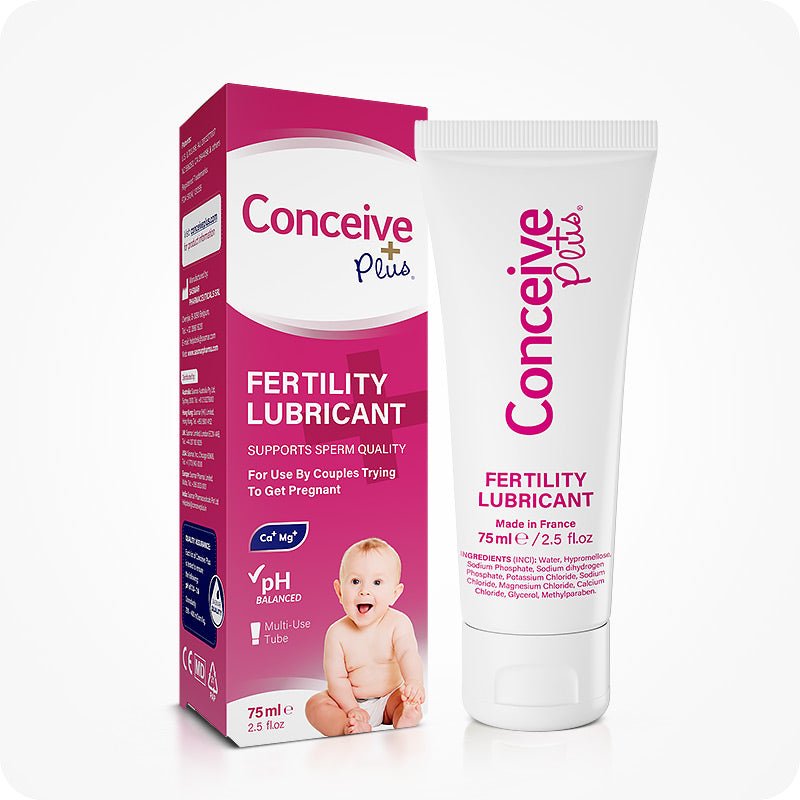
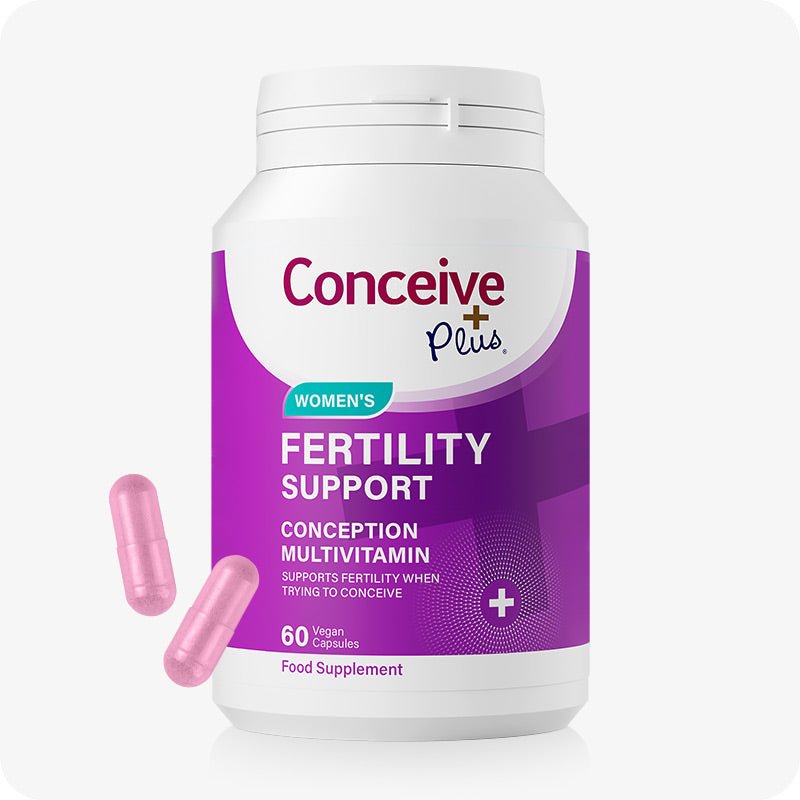
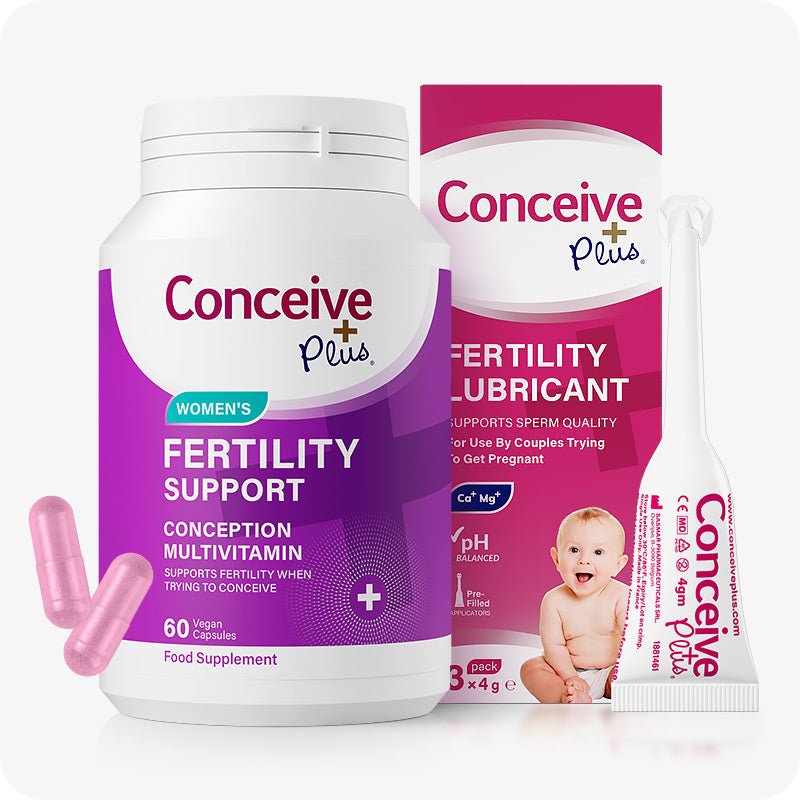
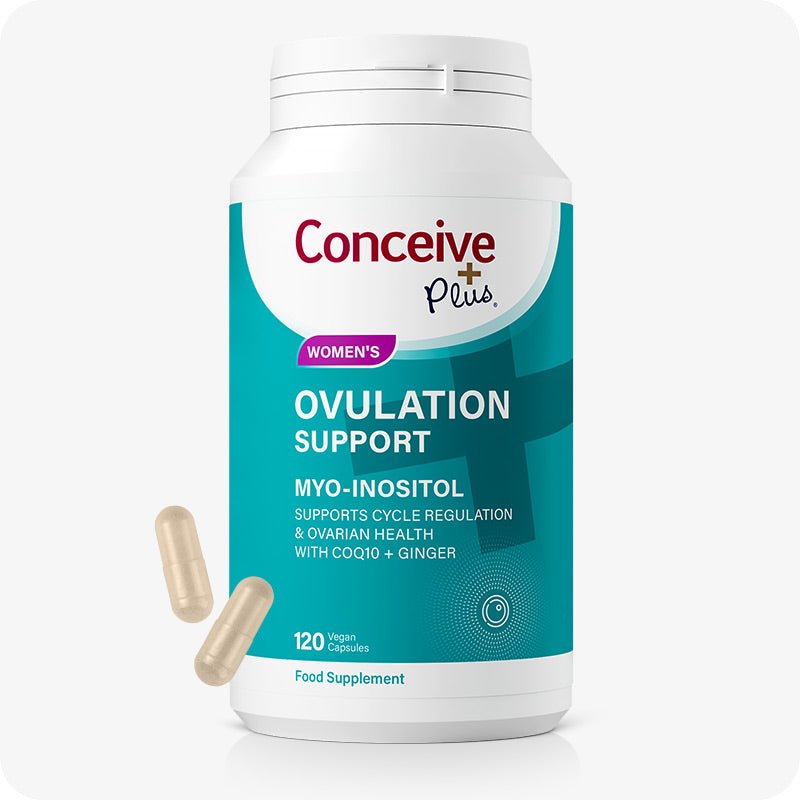
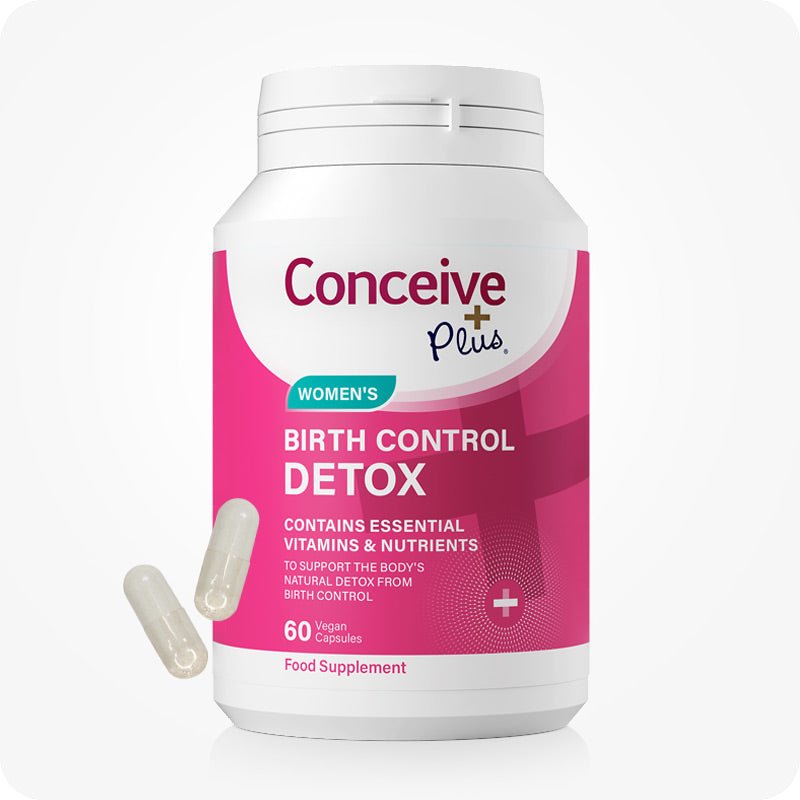
Conceive Plus fertility supplements are formulated with the essential nutrients your body needs when trying to conceive — including folate, inositol, CoQ10, and key antioxidants.
Explore Conceive Plus Supplements →The Mediterranean Diet and Fertility
The Mediterranean diet consistently ranks as one of the most fertility-supportive dietary patterns in the research literature. Characterised by:
- Abundant vegetables, fruits, and legumes
- Whole grains (oats, quinoa, brown rice, wholegrain bread)
- Healthy fats from olive oil, nuts, and avocados
- Oily fish (salmon, mackerel, sardines) 2–3 times per week
- Moderate dairy consumption
- Limited red meat and processed foods
- Minimal alcohol and refined sugars
A landmark study from the Harvard School of Public Health found that women following a Mediterranean-style diet had up to 66% lower risk of ovulatory infertility. In IVF populations, Mediterranean diet adherence has also been associated with higher rates of clinical pregnancy and live birth.
The anti-inflammatory properties of this dietary pattern are believed to be central to its fertility benefits, reducing systemic inflammation that can disrupt hormonal signalling and implantation.
Key Nutrients for Female Fertility
Folate (Vitamin B9)
Folate is the most critical nutrient for women trying to conceive. It is essential for DNA synthesis, cell division, and neural tube development in early pregnancy. The NHS recommends all women trying to conceive take 400 micrograms of folic acid daily, starting at least 3 months before trying to get pregnant.
However, up to 40% of the UK population carries a variant of the MTHFR gene that impairs the conversion of folic acid to its active form, methylfolate. Conceive Plus supplements use the active methylfolate form, ensuring bioavailability regardless of genetic variation.
Food sources: dark leafy greens (spinach, kale, rocket), lentils, chickpeas, asparagus, broccoli, fortified cereals.
Iron
Iron deficiency is linked to ovulatory infertility. A study in the journal Obstetrics and Gynecology found that women taking iron supplements had a 40% lower risk of ovulatory infertility than those who did not. Non-haem iron from plant sources is absorbed more efficiently when paired with vitamin C.
Food sources: red lentils, kidney beans, spinach, fortified cereals, lean red meat, tofu.
Omega-3 Fatty Acids
DHA (docosahexaenoic acid) and EPA (eicosapentaenoic acid) found in oily fish are anti-inflammatory and important for hormonal balance, egg quality, and early fetal brain development. Women trying to conceive should aim for 2–3 servings of oily fish per week (avoiding high-mercury fish like swordfish and shark).
Vitamin D
Vitamin D deficiency is extremely common in the UK due to limited sunlight exposure. It plays a role in ovarian function, endometrial receptivity, and implantation. Research suggests that women with adequate vitamin D levels have higher IVF success rates.
Antioxidants: Vitamins C and E, CoQ10, and Selenium
Oxidative stress damages egg cells and can impair ovulation. Antioxidants help protect eggs from this damage. CoQ10 in particular has strong evidence for improving egg quality, particularly in women over 35. Conceive Plus women's fertility supplements include a comprehensive antioxidant blend including CoQ10, vitamin C, vitamin E, and selenium.
Key Nutrients for Male Fertility
Fertility is not solely a female concern — male factor infertility accounts for around 30–40% of all infertility cases. Diet affects sperm quality significantly:
- Zinc: Essential for testosterone production and sperm development. Found in oysters, pumpkin seeds, beef, cashews, and wholegrains.
- Selenium: Supports sperm motility and protects sperm DNA. Found in Brazil nuts (one or two per day provides a full day's selenium), fish, meat, and eggs.
- Vitamin C: Reduces sperm DNA fragmentation. Found in citrus fruits, kiwi, peppers, strawberries, and broccoli.
- L-carnitine: Supports sperm energy metabolism and motility.
- CoQ10: Powers sperm's mitochondria for motility. Strong clinical evidence for improving sperm parameters.
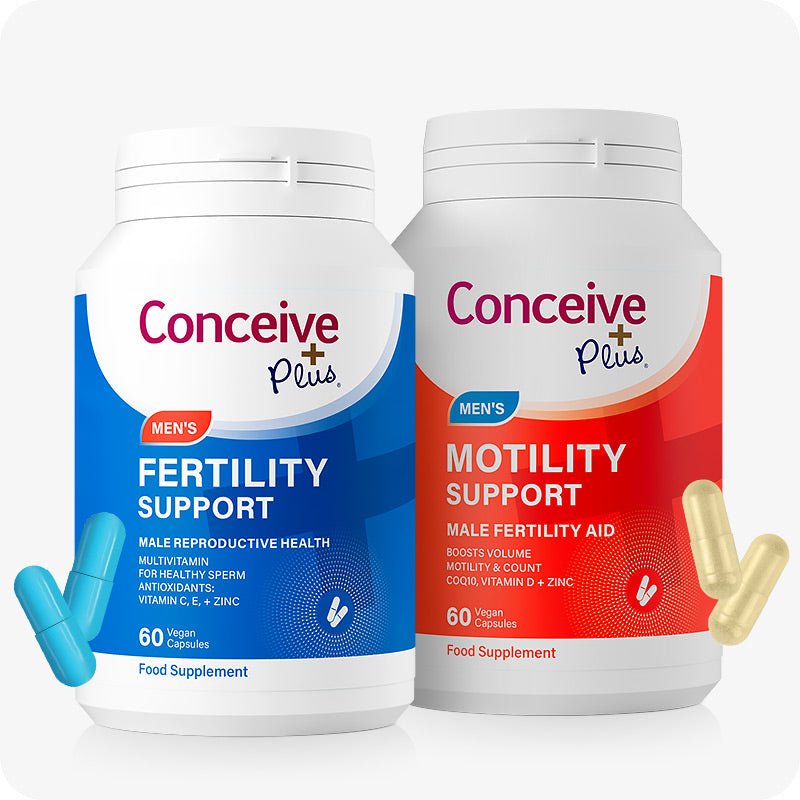
Conceive Plus men's fertility supplements contain all of these key nutrients in clinically informed doses to support optimal sperm health.
Foods to Limit or Avoid When TTC
Just as important as what you eat is what you limit:
- Alcohol: Even moderate alcohol consumption has been associated with reduced fertility in women and impaired sperm quality in men. The NHS advises women trying to conceive to avoid alcohol altogether.
- Trans fats: Found in processed foods, fried foods, and some margarines. Associated with ovulatory infertility and systemic inflammation.
- High-glycaemic carbohydrates: White bread, sugary drinks, crisps, and sweets cause blood sugar spikes and can disrupt hormonal balance, particularly relevant for women with PCOS.
- Processed meats: Associated with reduced sperm quality in men.
- Caffeine (in excess): The NHS recommends keeping caffeine under 200mg/day when trying to conceive or pregnant.
- High-mercury fish: Swordfish, shark, marlin, and king mackerel should be avoided due to mercury's effect on the developing nervous system.
Practical UK Fertility Diet Plan
Here's a practical day of eating that supports fertility:
Breakfast: Porridge with berries, walnuts, and a sprinkle of chia seeds. A glass of orange juice to boost iron absorption from plant sources consumed later.
Mid-morning: A small handful of pumpkin seeds and one Brazil nut. A piece of kiwi fruit.
Lunch: Large green salad with spinach, rocket, avocado, chickpeas, cherry tomatoes, and grilled salmon. Dressed with extra virgin olive oil and lemon juice.
Afternoon snack: Greek yoghurt with a drizzle of honey and mixed seeds.
Dinner: Grilled mackerel with roasted sweet potato, steamed broccoli, and a side of lentil soup.
Evening: Herbal tea (chamomile or raspberry leaf). A small square of dark chocolate (70%+ cocoa) for antioxidants.
Should You Take Fertility Supplements?
While a balanced diet is the foundation, many UK couples benefit from targeted supplementation — particularly because modern diets, busy lifestyles, and soil depletion can make it difficult to get adequate levels of all fertility-critical nutrients through food alone.
Conceive Plus offers comprehensive fertility supplement ranges for both women and men, formulated specifically for couples who are trying to conceive. The women's formula includes methylfolate (the active form of folate), CoQ10, vitamin D3, iron, inositol, and key antioxidants. The men's formula includes zinc, selenium, L-carnitine, CoQ10, and vitamins C and E.
These supplements are designed to complement — not replace — a healthy fertility diet, filling gaps that are common even in well-intentioned eating patterns.
Frequently Asked Questions
What is the best diet for trying to conceive?
The Mediterranean diet has the strongest evidence base for supporting fertility in both men and women. Focus on vegetables, whole grains, legumes, oily fish, healthy fats, and antioxidant-rich foods.
Does folic acid really matter for fertility?
Yes. Folate/folic acid is one of the most important nutrients for women trying to conceive. The NHS recommends 400mcg daily starting 3 months before conception. Conceive Plus supplements use active methylfolate for optimal absorption.
Can diet improve egg quality?
Yes. Antioxidants including CoQ10, vitamin C, vitamin E, and selenium help protect egg cells from oxidative stress damage. This is particularly relevant for women over 35.
How long does it take for diet changes to affect fertility?
Egg development cycles take approximately 90 days. For meaningful impact on egg quality, dietary improvements should ideally begin 3 months before TTC. Sperm also takes approximately 72 days to develop, so dietary changes affect sperm quality on a similar timeline.
Is caffeine bad for fertility?
High caffeine intake (above 200mg/day) has been associated with reduced fertility. Keeping to one or two cups of coffee or tea per day is generally considered acceptable.
Should my partner also change his diet?
Absolutely. Male diet significantly affects sperm quality. Both partners following a Mediterranean-style diet and taking targeted supplements like Conceive Plus men's formula can maximise the couple's combined fertility potential.
What about alcohol when trying to conceive?
The NHS advises avoiding alcohol entirely when trying to conceive, as there is no established "safe" level during the preconception period or pregnancy.
Can being overweight affect fertility?
Yes. Both obesity and being underweight can disrupt ovulation and hormonal balance. A healthy BMI supports more regular cycles and better fertility outcomes overall.
Do I need to take a prenatal supplement even before pregnancy?
Yes. A preconception supplement like Conceive Plus helps build up essential nutrient stores before conception, ensuring your body is in the optimal state for conception and early pregnancy development.
Complete Your Fertility Plan with Conceive Plus
Great nutrition is the foundation — and Conceive Plus fills the gaps. Our UK fertility supplement range is formulated specifically for couples trying to conceive, with clinically informed doses of folate, CoQ10, inositol, and more.
Shop Conceive Plus UK →References: Chavarro JE et al., Journal of Obstetrics and Gynaecology, 2018; Twigt JM et al., Human Reproduction, 2012; NHS Folic Acid Guidance; NICE Fertility Guidance CG156.