Fertility Testing at Home: A Complete Guide for UK Couples Trying to Conceive


Fertility Testing at Home: A Complete Guide for UK Couples Trying to Conceive
Discovering whether you are fertile has never been more accessible. Advances in at-home diagnostics have put fertility testing tools within reach of every couple trying to conceive — without waiting months for a GP referral. This guide covers everything UK couples need to know about at-home fertility testing, from ovulation prediction and cycle tracking to sperm analysis and hormone panels, with practical advice on when to escalate to clinical investigation.
Why Consider Fertility Testing at Home?
The NHS recommends that most couples under 35 try for 12 months before seeking specialist help, and those over 35 seek advice after 6 months. But waiting does not have to mean doing nothing. At-home fertility tests allow you to gather meaningful data during this window — data that can guide your timing, identify potential issues early, and arm you with information if you do eventually see a specialist.
Key reasons couples in the UK turn to at-home fertility testing:
- To understand their menstrual cycle and ovulation patterns
- To check male sperm parameters before a formal semen analysis
- To monitor hormone levels that affect conception timing
- To identify irregular cycles that may indicate underlying conditions like PCOS or thyroid issues
- To reduce anxiety by replacing uncertainty with data
Ovulation Testing: The Foundation of Fertility Timing
Ready to support your fertility journey?
Shop Conceive Plus Now →Ovulation tests — also called ovulation predictor kits (OPKs) — detect the surge in luteinising hormone (LH) that triggers ovulation approximately 24–36 hours before an egg is released. This surge creates a narrow but powerful conception window.
How OPKs Work
Standard OPKs use urine to detect LH above a threshold of approximately 25 mIU/mL. When the test line is as dark as or darker than the control line, the LH surge is positive and ovulation is imminent. For couples trying to conceive, this is the signal to have intercourse in the next 24–48 hours.
Digital vs Strip OPKs
Digital OPKs provide a clear smiley face positive/negative readout, eliminating line-reading ambiguity. Strip tests are significantly cheaper and allow more frequent testing. For women with PCOS or irregular cycles, digital tests with LH quantification (Clearblue Advanced or similar) can help distinguish between multiple LH peaks and the true ovulatory surge.
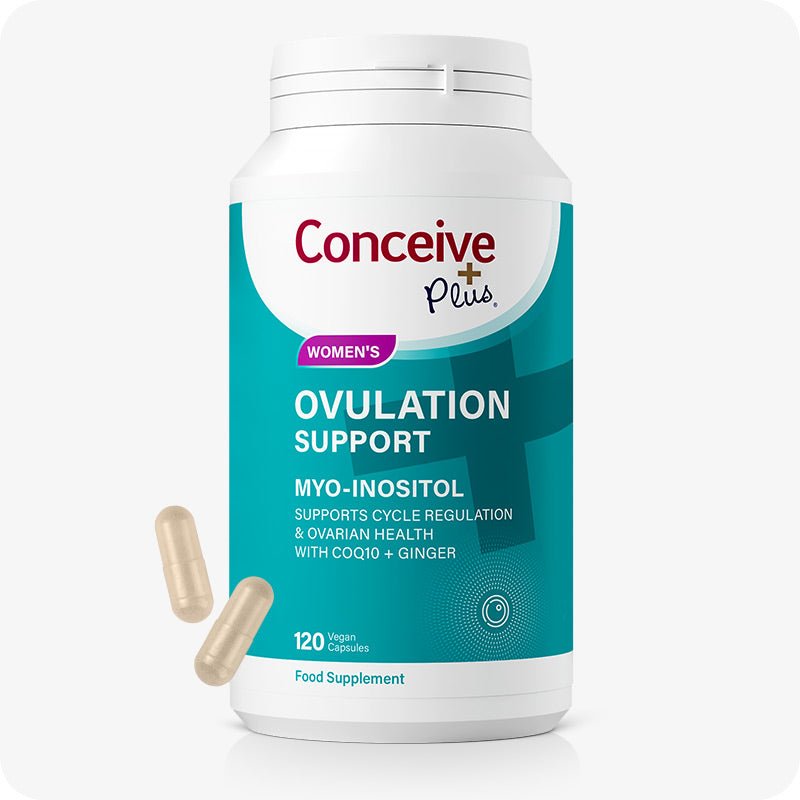
Conceive Plus Ovulation Support
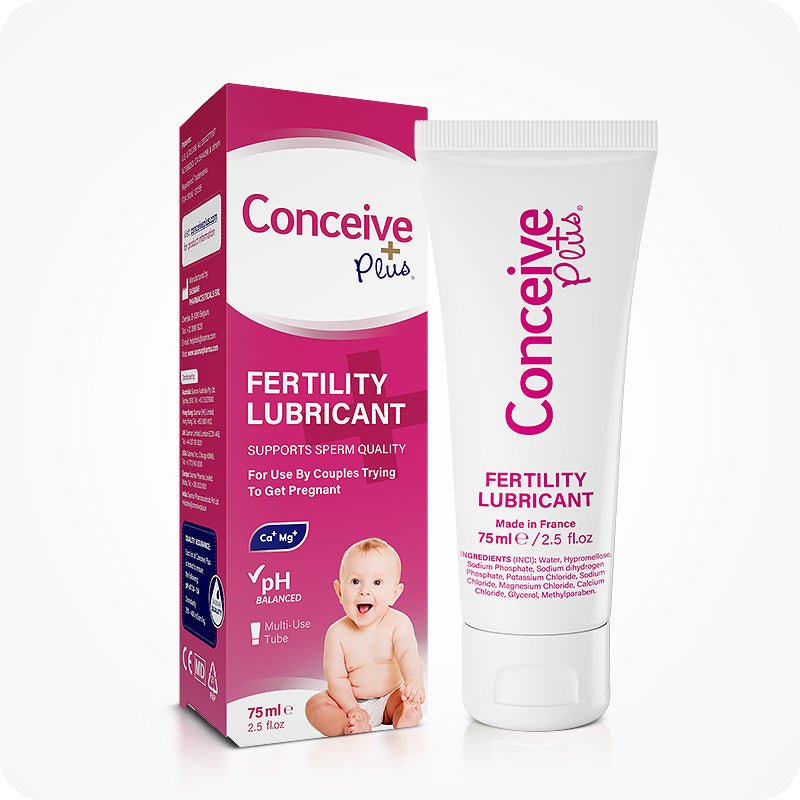
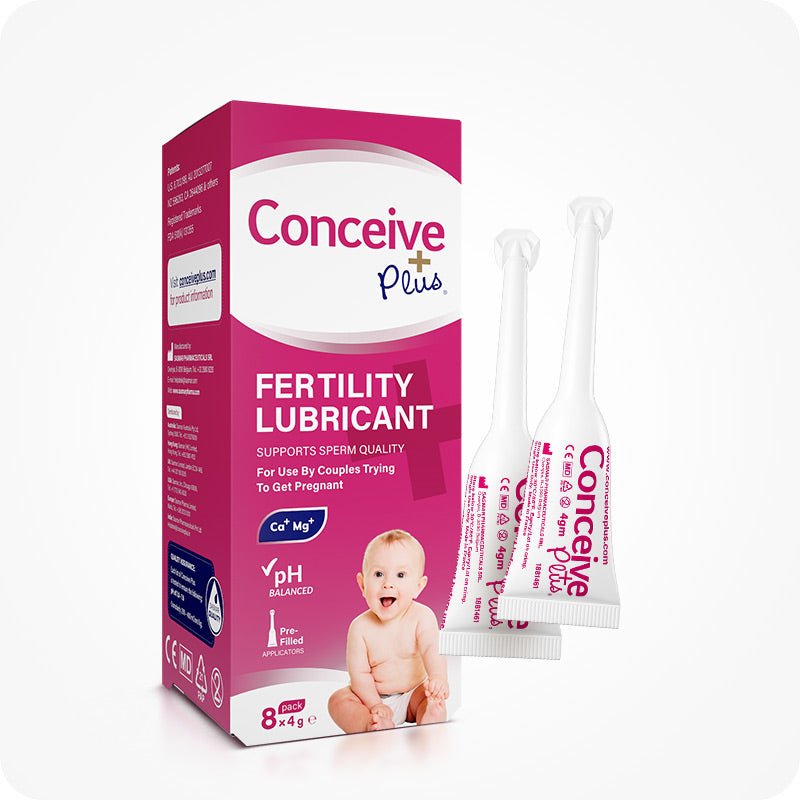
Accurate ovulation timing is only half the equation. Conceive Plus fertility lubricant creates the optimal environment for sperm during your fertile window — with pH and osmolality matched to fertile cervical mucus and the addition of calcium and magnesium ions to support sperm function. Use it alongside your OPK testing for maximum effectiveness.
Explore Conceive Plus Fertility Lubricants →
Basal Body Temperature (BBT) Tracking
BBT tracking involves measuring your oral or vaginal temperature each morning before rising. After ovulation, the hormone progesterone causes a sustained temperature rise of 0.2–0.4°C (a biphasic pattern). While BBT confirms that ovulation has occurred, it does so retrospectively — typically 1–2 days after the egg has already been released.
BBT is most valuable for:
- Confirming that ovulation is occurring in a given cycle
- Identifying anovulatory cycles (no temperature rise)
- Gradually building a picture of your cycle length and ovulation timing across months
Combined with OPK testing (which predicts ovulation) and BBT (which confirms it), couples gain a comprehensive picture of their fertile pattern.
At-Home Hormone Tests
Several companies now offer finger-prick blood tests that can be done at home and sent to a certified lab. These tests measure fertility-relevant hormones including:
AMH (Anti-Müllerian Hormone)
AMH reflects ovarian reserve — the number of eggs remaining in the ovaries. It does not predict fertility directly (a woman with low AMH can still conceive naturally), but it provides context for how time-sensitive fertility may be. AMH declines with age and can support decisions about timing assisted reproduction.
FSH and LH (Day 2–5 of Cycle)
Elevated FSH on day 2–3 of the menstrual cycle can indicate reduced ovarian reserve, as the pituitary gland must work harder to stimulate the ovaries. LH, measured alongside FSH, helps identify hormonal imbalance.
Progesterone (Day 21)
A "day 21 progesterone" test (or 7 days post-ovulation) confirms whether ovulation has occurred. Levels above 30 nmol/L are associated with a confirmed ovulatory cycle. Many GPs can order this test, but at-home kits from companies like Thriva or Medichecks allow you to test on the specific day of your cycle.
TSH (Thyroid-Stimulating Hormone)
Thyroid function significantly impacts fertility. Even subclinical hypothyroidism (slightly elevated TSH with normal thyroid hormones) can impair implantation and increase miscarriage risk. Home tests that include TSH provide early detection of this common and treatable cause of subfertility.
At-Home Male Fertility Testing
Male factor accounts for roughly 40–50% of fertility challenges, yet many couples focus testing exclusively on the female partner. At-home sperm tests have improved dramatically in recent years:
Sperm Count Tests
Devices like the YO Male Fertility Test use a smartphone attachment and app to measure sperm concentration and motility (live motility score). Reference values: a count above 16 million per mL and motility above 42% progressive motility are WHO reference parameters for fertile men. At-home tests provide a preliminary screen but cannot replace clinical semen analysis for morphology assessment.
SpermComet and DNA Fragmentation
Some laboratories now offer at-home collection kits for sperm DNA fragmentation testing — a parameter not included in standard semen analysis but associated with IVF failure and recurrent miscarriage. This is worth considering if the standard parameters appear normal but conception is proving difficult.
Cervical Mucus Monitoring
The character of cervical mucus changes predictably through the menstrual cycle under hormonal influence:
- Menstruation: Bleeding
- Post-menstruation: Dry, little or no mucus
- Pre-ovulation: Sticky, white/cream coloured
- Peak fertility: Clear, slippery, stretchy ("egg white" texture)
- Post-ovulation: Returns to thick, sticky consistency
The "egg white" mucus (EWCM) phase corresponds closely with peak fertility and peak LH. Using it alongside OPK testing improves timing accuracy. Conceive Plus lubricant is designed to complement, not mask, natural cervical mucus — it mimics its fertile qualities for women who experience vaginal dryness during intercourse.
Fertility Tracking Apps
Apps like Natural Cycles (FDA-cleared and CE-marked), Clue, and Ovia use various combinations of cycle data, temperature, and OPK results to predict and confirm ovulation. Natural Cycles is the only CE-marked contraception app in Europe but is also widely used for conception. These apps improve in predictive accuracy the more data they accumulate — typically 2–3 cycles before they provide reliable fertile window predictions.
When to Escalate Beyond At-Home Testing
At-home testing is a powerful first step, but certain findings or circumstances warrant NHS referral or private consultation:
- No clear LH surge detected across 3+ cycles
- Irregular cycles (less than 21 days or more than 35 days)
- At-home sperm test shows very low count or motility
- Age over 35 with no conception after 6 months of timed intercourse
- History of pelvic inflammatory disease, endometriosis, or previous STIs
- Two or more early pregnancy losses
- Previously known thyroid condition, PCOS, or hormonal disorder
Optimising Your Fertility While Testing
While gathering data through at-home testing, optimise the conditions for conception simultaneously:
Female Partners
- Start folic acid or methylfolate (400–800 mcg) at least one month before you hope to conceive
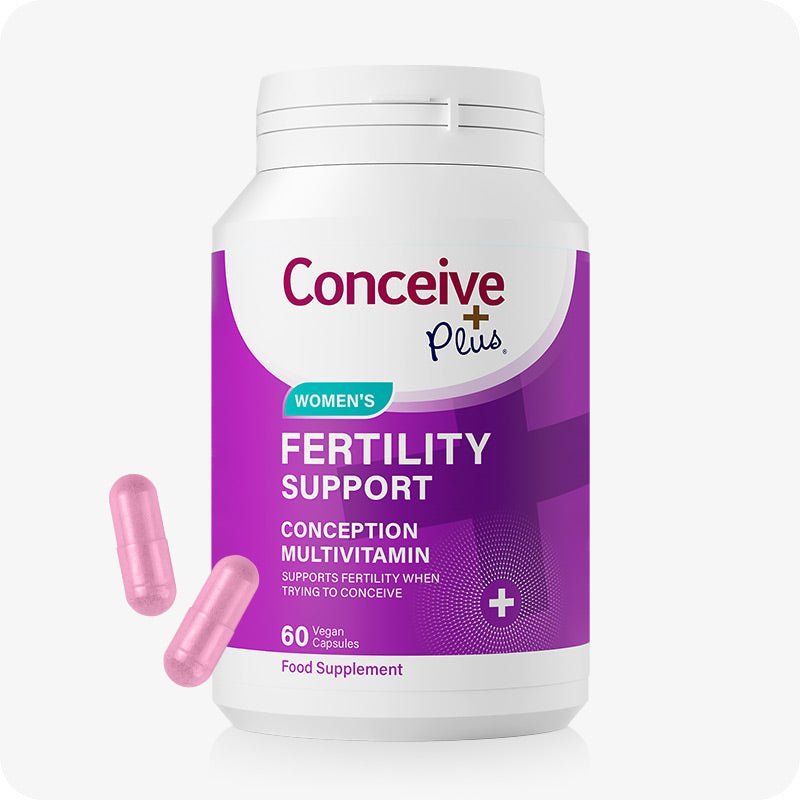
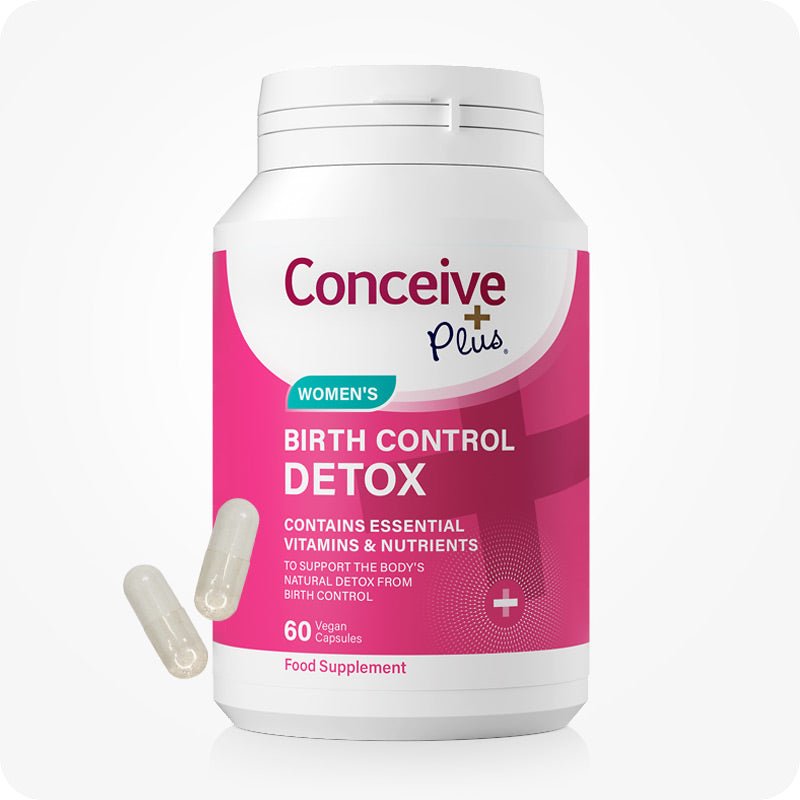
- Consider a comprehensive prenatal supplement like Conceive Plus Women's formula
- Limit alcohol and avoid smoking
- Maintain a healthy BMI (18.5–24.9) — both over and underweight can impair ovulation
Male Partners
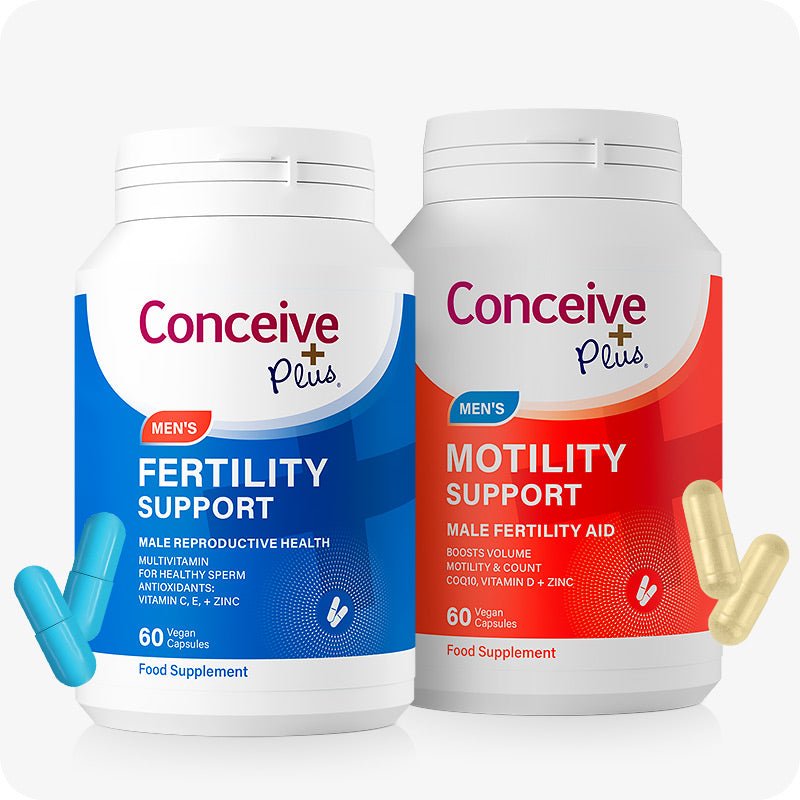
- Begin a targeted sperm health supplement with zinc, selenium, CoQ10, and antioxidants 90 days before the target conception window
- Avoid tight underwear, prolonged hot baths, and laptop heat on the lap
- Limit alcohol to <14 units per week
- Quit smoking — even moderate smoking significantly impairs sperm parameters
Shop Conceive Plus Fertility Supplements →
The NHS Fertility Testing Pathway in the UK
When you do escalate to your GP, the standard initial fertility investigation in the UK includes:
- Semen analysis (can be requested for the male partner at the same appointment)
- Day 2 FSH and LH blood test
- Day 21 progesterone blood test
- Chlamydia screening
- Rubella immunity check
- Pelvic ultrasound (antral follicle count and uterine assessment)
- Hysterosalpingogram (HSG) or HyCoSy to assess fallopian tube patency if indicated
Having at-home test data to share with your GP — particularly BBT charts, OPK records, and app data — can accelerate the diagnostic process considerably.
Frequently Asked Questions About Fertility Testing
Q: How accurate are at-home ovulation tests?
A: Quality OPKs are 97–99% accurate at detecting the LH surge. The main source of error is testing at the wrong time of day (test mid-morning, not first morning urine) or missing a brief surge with infrequent testing. Test twice daily around your expected fertile window.
Q: Can I test my AMH at home?
A: Yes — several UK labs including Medichecks offer at-home AMH finger-prick kits. AMH can be measured on any day of your cycle (it does not fluctuate significantly with cycle phase). Results are typically returned within a few days.
Q: What is a normal sperm count?
A: WHO 2021 reference values: >16 million/mL total sperm concentration, >42% progressive motility, >4% normal morphology (Kruger strict criteria). At-home tests measure count and motility but typically do not assess morphology.
Q: Can stress affect fertility test results?
A: Acute stress can transiently suppress LH secretion, potentially delaying ovulation. Prolonged psychological stress is associated with longer time to pregnancy. While stress management is valuable, most fertility test parameters reflect underlying biology rather than acute mood states.
Q: My BBT chart shows no temperature rise. What does that mean?
A: A monophasic (flat) temperature chart may indicate an anovulatory cycle. This is relatively common (1–2 anovulatory cycles per year in fertile women) but consistently flat charts across multiple cycles warrant GP investigation. Thyroid disorders and PCOS are common reversible causes.
Q: How long should we try before seeking specialist help in the UK?
A: NHS guidelines recommend 12 months for those under 35, and 6 months for those 35 and over. However, with any of the red-flag findings listed above, seek assessment sooner. Many private clinics offer initial consultations with comprehensive panel testing that can compress the diagnostic timeline.
Q: Does the Conceive Plus lubricant affect fertility test results?
A: No — Conceive Plus lubricant does not affect hormonal test results, OPK accuracy, or BBT readings. It is designed to be used during intercourse without altering the biochemical environment for testing purposes.
Q: Are there any NHS-funded at-home fertility tests?
A: Some CCGs offer at-home chlamydia testing. Blood tests for hormone panels generally require a GP referral for NHS funding. At-home private testing (Medichecks, Thriva, etc.) is self-funded but can significantly accelerate the information-gathering process.
Conclusion: Take Control of Your Fertility Journey
At-home fertility testing is no longer a niche tool — it is an accessible, affordable, and genuinely useful first step for UK couples trying to conceive. By combining OPK testing, BBT charting, app tracking, and home hormone panels, you can gather meaningful data that informs your timing, identifies potential issues, and equips you for more productive conversations with healthcare providers.
Pair your fertility testing programme with Conceive Plus — the clinically informed fertility lubricant and supplement range designed to optimise every aspect of your conception environment. Because knowledge is only part of the equation; creating the ideal biological conditions for conception is the other half.