Ovulation Tracking: A Complete Guide to Identifying Your Fertile Window


Ovulation Tracking: A Complete Guide to Identifying Your Fertile Window
Understanding your fertile window is one of the most effective things you can do when trying to conceive. Despite what many people believe, the window in which conception is possible each cycle is remarkably short — just 5–6 days. Accurate ovulation tracking transforms guesswork into precision, giving you and your partner the best possible chance each month.
This guide explains every major method of ovulation tracking, from free basal body temperature charting to advanced digital monitors, and covers how to combine approaches for maximum accuracy. Whether you have regular 28-day cycles or unpredictable irregular periods, there's an ovulation tracking method that can work for you.
Why Ovulation Tracking Matters
The human egg survives for only 12–24 hours after ovulation. Sperm, however, can survive in fertile cervical mucus for up to 5 days. This means your fertile window opens approximately 5 days before ovulation and closes within 24 hours of it. Timing intercourse (or insemination) within this window is fundamental to conception.
Many couples try for months without tracking ovulation, simply having regular intercourse throughout the month. While this approach can work, it's inefficient — particularly for women over 35 or those with any irregularity in their cycles. Research consistently shows that couples who actively track ovulation and time intercourse accordingly achieve pregnancy faster.
A 2016 study in Human Reproduction found that among couples timing intercourse based on objective ovulation detection, cumulative conception rates over 6 cycles were significantly higher than untimed intercourse — particularly in older women.
Basal Body Temperature (BBT) Charting
Basal body temperature charting is one of the oldest and most accessible methods of ovulation tracking. Your basal body temperature — the temperature at complete rest — rises slightly (0.2–0.5°C / 0.3–0.9°F) after ovulation due to the thermogenic effect of progesterone.
How to chart BBT accurately:
- Take your temperature every morning before getting out of bed, after at least 3 consecutive hours of sleep
- Use a dedicated basal thermometer accurate to 0.01°C
- Record results in an app or on paper consistently
- Look for a sustained rise (at least 3 consecutive days above your previous 6-day average)
The limitation of BBT is that it confirms ovulation has already happened rather than predicting it. BBT charting is most useful when combined with other methods. After a few months of charting, your personal pattern usually becomes clear, allowing you to anticipate your fertile window in future cycles.
Ovulation Predictor Kits (OPKs)
Ovulation predictor kits detect the LH surge — the hormone spike that triggers ovulation approximately 24–36 hours later. This makes them more actionable than BBT for timing intercourse.
Standard OPKs use a comparison line system: a test line as dark or darker than the control line indicates a positive result. Digital OPKs display a smiley face or similar symbol, reducing the interpretation challenge for beginners.
Tips for accurate OPK use:
- Start testing several days before expected ovulation (for 28-day cycles, begin day 10–11)
- Test at the same time each day — afternoon testing (between 12pm and 8pm) tends to catch the LH surge most reliably
- Reduce fluid intake for 2 hours before testing to avoid diluting urine
- Test twice daily during your expected fertile window if possible — LH surges can be brief
Women with PCOS may experience multiple LH surges or persistently elevated LH, making standard OPK interpretation difficult. Advanced digital monitors that track both LH and estrogen can help distinguish true ovulatory surges from false positives in this population.
Cervical Mucus Monitoring
Cervical mucus changes predictably throughout the menstrual cycle in response to estrogen and progesterone. Learning to identify fertile-quality cervical mucus is a powerful, completely free, and always-available ovulation tracking tool.
The progression through the cycle typically follows this pattern:
- Post-menstruation: Dry or very little discharge
- Pre-ovulatory: Sticky, white or yellow, opaque
- Approaching ovulation: Creamy, lotion-like consistency
- Peak fertile (at ovulation): Clear, slippery, stretchy — resembles raw egg white. This is "egg white cervical mucus" (EWCM)
- Post-ovulation: Returns to sticky or dry, then thicker as progesterone rises
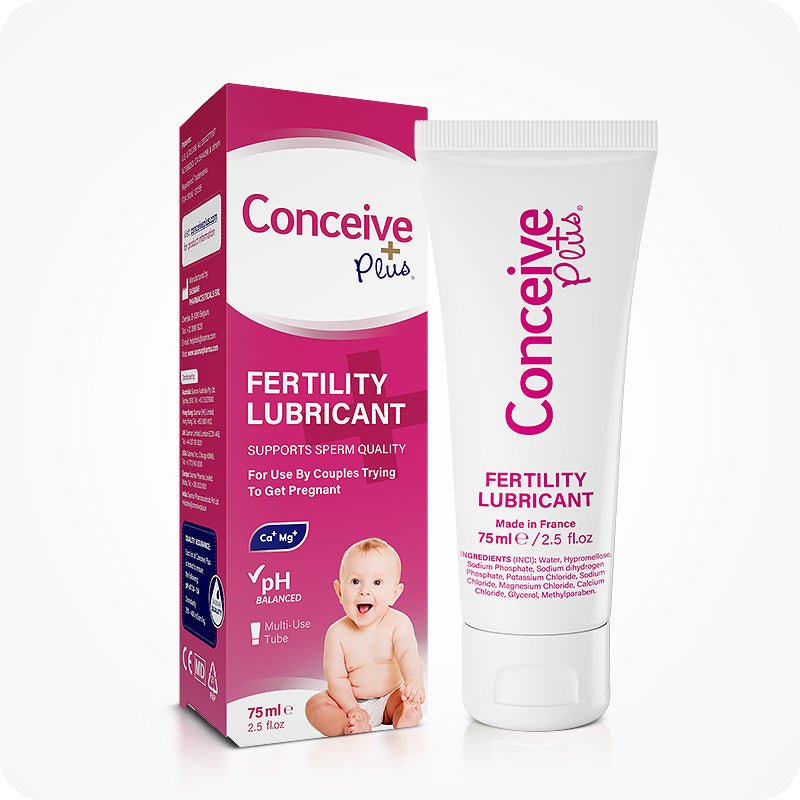
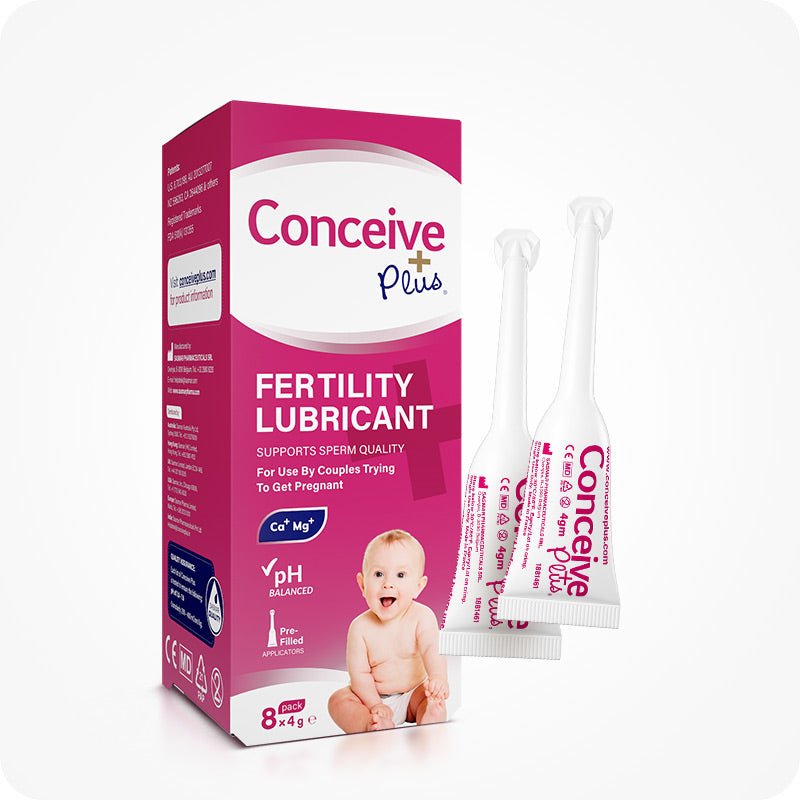
Peak cervical mucus quality — EWCM — typically appears 1–2 days before ovulation and on the day of ovulation itself. This is your most fertile time. When natural cervical mucus is insufficient (due to age, hormonal factors, medications, or stress), a sperm-safe fertility lubricant like Conceive Plus can supplement it without compromising sperm function.
Advanced Fertility Monitors
Digital fertility monitors have become increasingly sophisticated. Devices like Clearblue Advanced, Ava bracelet, and Oura Ring use different technologies to track multiple fertility indicators simultaneously.
Clearblue Advanced tracks both estrogen (which rises 3–4 days before ovulation) and LH, providing a wider fertile window indication than LH-only tests. This gives couples 4 high-fertility days per cycle, plus the peak days — the most actionable tracking for planned intercourse.
Wearable monitors like Ava track skin temperature, resting pulse rate, breathing rate, and other physiological markers through the night, using an algorithm to predict and confirm ovulation. Studies show Ava identifies an average of 5.3 fertile days per cycle with 90%+ accuracy.
Ultrasound Follicle Tracking
For women undergoing fertility treatment or who need maximum certainty about ovulation timing, transvaginal ultrasound follicle tracking (folliculometry) is the gold standard. A fertility specialist monitors follicle development through serial ultrasounds, identifies the dominant follicle, and can confirm ovulation when the follicle collapses.
This approach is particularly useful for women who don't respond clearly to standard OPKs (such as PCOS patients), those with irregular cycles, and those undergoing medicated cycles with clomid or letrozole.
Combining Methods for Best Results
The most reliable ovulation tracking approach combines multiple methods:
- Start with a digital fertility monitor or OPK to predict ovulation
- Monitor cervical mucus daily to identify the approach of peak fertility
- Chart BBT to confirm ovulation occurred each month
- Record all data in a fertility app to identify personal cycle patterns over time
This "sympto-thermal plus" approach catches cycles where OPK results are unclear, and builds a personalized picture of your fertility pattern over time — something that becomes invaluable if ovulation issues are suspected or if you work with a fertility specialist.
Supporting Your Fertile Window with Conceive Plus
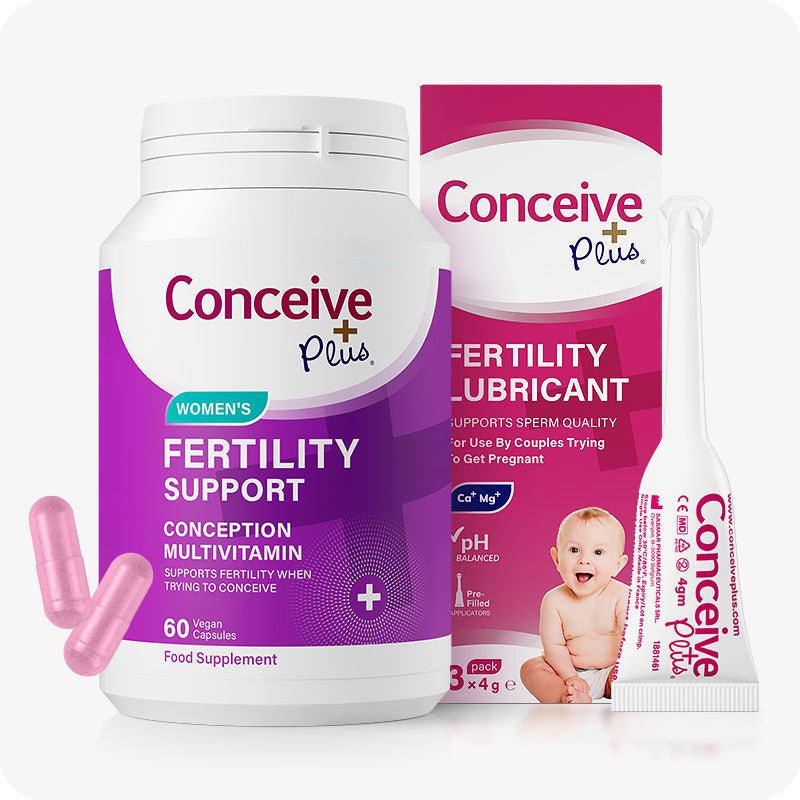
Once you've identified your fertile window, the goal is to optimize the conception environment. Conceive Plus supports both sides of this equation:
- Conceive Plus lubricant: Mimics fertile cervical mucus, maintaining the pH and osmolality that supports sperm survival and motility — particularly important when natural cervical mucus quality is reduced
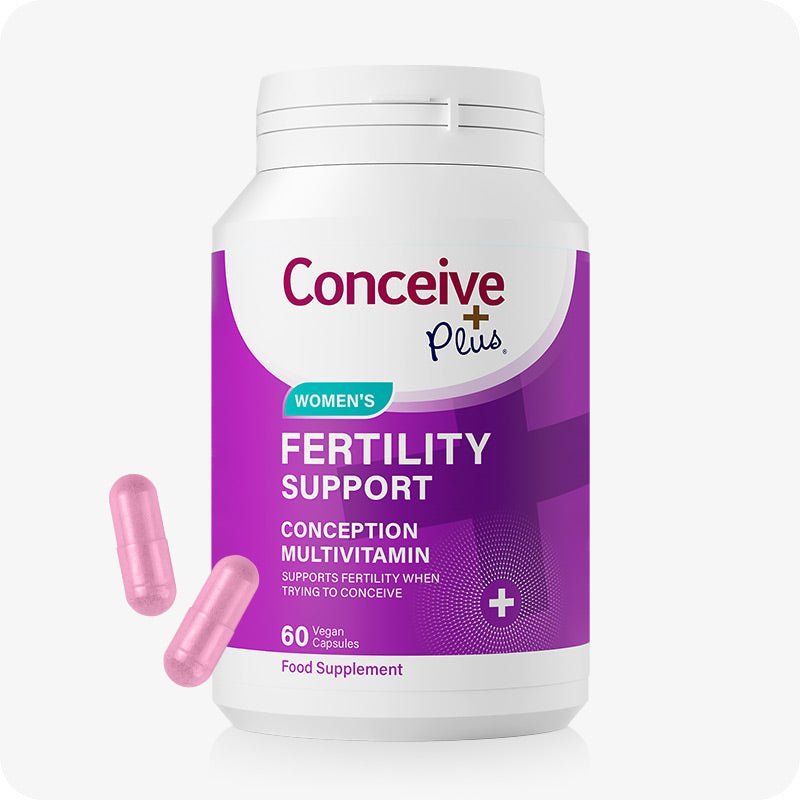
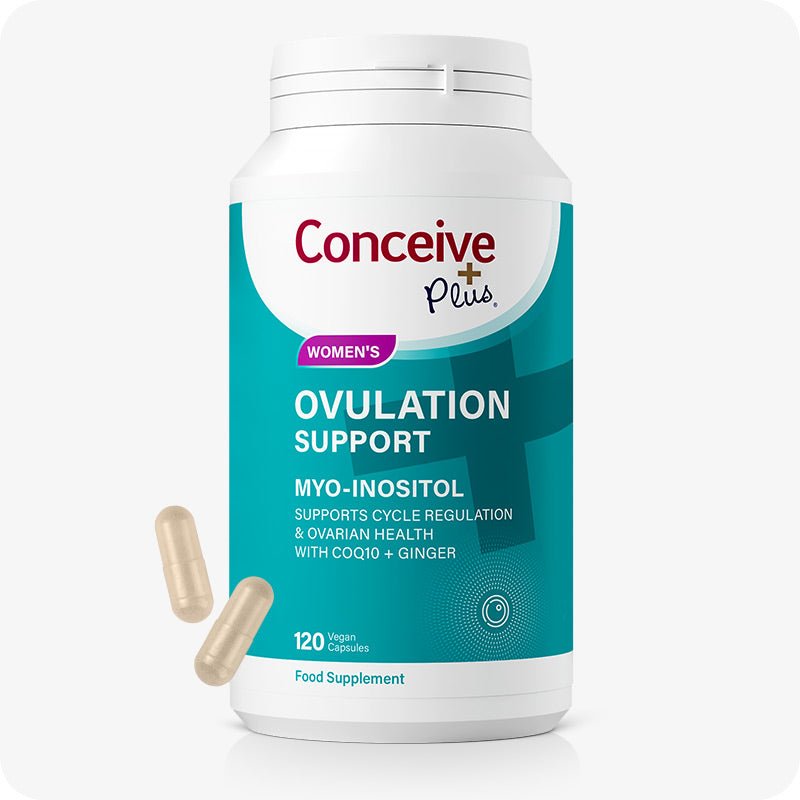
- Conceive Plus fertility supplements: Support egg quality, hormonal balance, and regular ovulation through evidence-based nutrient formulas for women and men
Knowing when you're fertile gives you the timing. Conceive Plus gives you the optimal environment to make that timing count.
Explore Conceive Plus fertility products — from sperm-safe lubricant to comprehensive fertility supplements, trusted by couples across the UK.
Irregular Cycles and Ovulation Tracking Challenges
For women with irregular cycles — particularly those with PCOS, thyroid disorders, or hypothalamic amenorrhea — ovulation tracking is more complex but even more important. When cycles vary by more than a few days month to month, there's no reliable "day 14" to target.
Strategies for irregular cycles:
- Begin OPK testing early and continue until a surge is detected (or the cycle ends)
- Monitor cervical mucus daily as a continuous, low-cost indicator
- Use an advanced digital monitor that tracks estrogen rise over multiple days
- Consider working with a gynaecologist or fertility specialist for medicated cycle support if ovulation is very irregular or absent
Frequently Asked Questions About Ovulation Tracking
Q: How do I know if I'm actually ovulating?
A: Confirmed ovulation requires the combination of a positive OPK surge followed by a sustained BBT rise, or transvaginal ultrasound confirmation. Regular monthly cycles are suggestive of ovulation but are not definitive proof.
Q: Can stress affect ovulation?
A: Yes. Significant physical or psychological stress can suppress GnRH pulsation, disrupting the LH surge and potentially delaying or preventing ovulation. This is a relatively common cause of late or absent ovulation in otherwise healthy women.
Q: How many days before ovulation is a woman fertile?
A: Research suggests the fertile window spans approximately 5–6 days: the day of ovulation and the 5 days preceding it. The two days immediately before ovulation and the day of ovulation itself carry the highest probability of conception.
Q: My OPK is always negative. What does this mean?
A: If you consistently fail to detect an LH surge, this may indicate you're testing at the wrong time, using diluted urine, or genuinely not ovulating. Consult your GP or gynaecologist — anovulation (failure to ovulate) is a diagnosable and often treatable condition.
Q: Can I use ovulation tracking with an IUD?
A: Hormonal IUDs can suppress ovulation and alter cervical mucus, making tracking unreliable. Copper IUDs do not affect ovulation, so tracking remains valid. If you're trying to conceive, your IUD should be removed first.
Q: Does ovulation always happen on day 14?
A: No. Day 14 is an average based on the textbook 28-day cycle. In reality, ovulation typically occurs 12–16 days before the next menstrual period — meaning in a 32-day cycle, ovulation may occur around day 16–20. Never assume day 14 without tracking.
Q: Can BBT charting tell me if I'm pregnant?
A: If your BBT remains elevated for 18 or more consecutive days after ovulation without menstruation, this is a reasonable indicator of pregnancy and warrants a pregnancy test.
Q: Are fertility apps accurate for ovulation prediction?
A: Fertility apps vary widely in accuracy. Apps that predict based solely on calendar averages are least reliable. Apps paired with OPK data, BBT, or wearable device readings are significantly more accurate for ovulation prediction.
Discover Conceive Plus — fertility lubricants and supplements trusted by couples across the UK.