IVF Preparation: A Complete Guide to Getting Ready for Your First Cycle


IVF Preparation: A Complete Guide to Getting Ready for Your First Cycle
Starting IVF is one of the most significant steps a couple can take on their fertility journey. Whether you've been trying to conceive for months or years, IVF preparation is a multi-layered process that affects your physical health, emotional wellbeing, and ultimately your chances of success. This guide walks you through everything you need to know — from pre-cycle testing and lifestyle optimisation to the medications, mindset, and supplements that matter most.
Understanding What IVF Involves
In vitro fertilisation (IVF) is an assisted reproductive technology in which eggs are retrieved from the ovaries, fertilised with sperm in a laboratory, and the resulting embryo(s) transferred to the uterus. A single IVF cycle typically takes 4–6 weeks and includes several phases:
- Ovarian stimulation: Daily injectable hormones stimulate the ovaries to produce multiple follicles.
- Egg retrieval: A minor surgical procedure under sedation to collect mature eggs.
- Fertilisation: Eggs are fertilised with sperm (either conventional IVF or ICSI).
- Embryo culture: Embryos are grown in the lab for 3–5 days, sometimes to the blastocyst stage (day 5).
- Embryo transfer: One or more embryos are placed into the uterus via a catheter.
- Luteal phase support: Progesterone supplements support the uterine lining during the two-week wait.
Success rates vary significantly by age. According to the HFEA (Human Fertilisation and Embryology Authority), live birth rates per embryo transfer in the UK are approximately 32% for women under 35, dropping to around 4% for women over 42.
Pre-IVF Testing: What to Expect
Explore Conceive Plus Fertility Supplements →
Before starting IVF, your clinic will conduct a thorough assessment of both partners:
For Women
- AMH (Anti-Müllerian Hormone): Measures ovarian reserve — how many eggs remain.
- AFC (Antral Follicle Count): Ultrasound count of small follicles in the ovaries.
- Day 3 FSH and Estradiol: Baseline hormones indicating ovarian function.
- Saline sonogram or hysteroscopy: Checks the uterine cavity for polyps, fibroids, or adhesions.
- Thyroid panel and prolactin: Hormonal imbalances must be corrected before IVF.
- Infectious disease screening: HIV, hepatitis B/C, rubella immunity.
For Men
- Semen analysis: Count, motility, morphology, and volume assessed to determine if ICSI is needed.
- Sperm DNA fragmentation: High fragmentation can reduce fertilisation rates and embryo quality.
- Hormonal panel: FSH, LH, testosterone if semen parameters are poor.
Lifestyle Changes That Improve IVF Outcomes
Three to six months before IVF, both partners can meaningfully improve their chances through targeted lifestyle changes:
Diet and Nutrition
A Mediterranean-style diet — rich in whole grains, lean proteins, vegetables, olive oil, and legumes — is associated with significantly better IVF outcomes. A 2018 study in Human Reproduction found that women who closely followed a Mediterranean diet had a 65–68% higher chance of achieving a clinical pregnancy and live birth during IVF compared to those who did not.
Key nutrients to prioritise:
- Folate/Methylfolate: 400–800 mcg daily; reduces neural tube defect risk and supports cell division
- CoQ10: 200–600 mg daily; improves mitochondrial energy in eggs and sperm
- Omega-3 fatty acids: Supports embryo quality and uterine receptivity
- Vitamin D: Low levels linked to poorer implantation rates; aim for 40–60 ng/mL
- Antioxidants (Vitamins C and E): Reduce oxidative stress to eggs, sperm, and developing embryos
Reducing Alcohol and Caffeine
Even moderate alcohol consumption has been associated with lower IVF success rates. A Danish study of 2,544 couples found that women who drank 4+ units per week had a 16% lower live birth rate per cycle. The recommendation is complete abstinence from alcohol during stimulation and the two-week wait. Caffeine intake should be limited to under 200 mg/day (approximately one cup of coffee).
Maintaining a Healthy BMI
Both low and high BMI affect IVF outcomes. A BMI between 18.5 and 30 is associated with the best response to stimulation medications, egg quality, and implantation rates. Obesity is associated with higher miscarriage rates and lower live birth rates; underweight women may produce fewer eggs and have thinner uterine linings.
Exercise: Finding the Right Balance
Moderate exercise (30 minutes of low-to-moderate intensity, 3–5 days per week) improves circulation, reduces stress, and supports a healthy BMI. However, high-intensity exercise (particularly vigorous cardio and heavy weightlifting) should be reduced or avoided during stimulation and after egg retrieval, as it can interfere with ovarian response and increase the risk of ovarian torsion.
Supplements for IVF Preparation
The supplement regimen for IVF preparation differs from standard prenatal supplements because the goal is optimising egg and sperm quality before fertilisation. Key supplements to discuss with your consultant include:
- CoQ10 (ubiquinol form): 300–600 mg/day for women; 200–400 mg/day for men. Mitochondrial energy is critical for egg maturation and sperm motility.
- DHEA (women only, with clinical supervision): For poor responders — may improve ovarian response in some women with diminished reserve.
- L-arginine: Improves uterine blood flow and endometrial receptivity.
- Melatonin: Antioxidant effects in follicular fluid; 3 mg at bedtime.
- Vitamin D3: Check blood levels and supplement to optimise (4,000 IU/day is common for deficient patients).
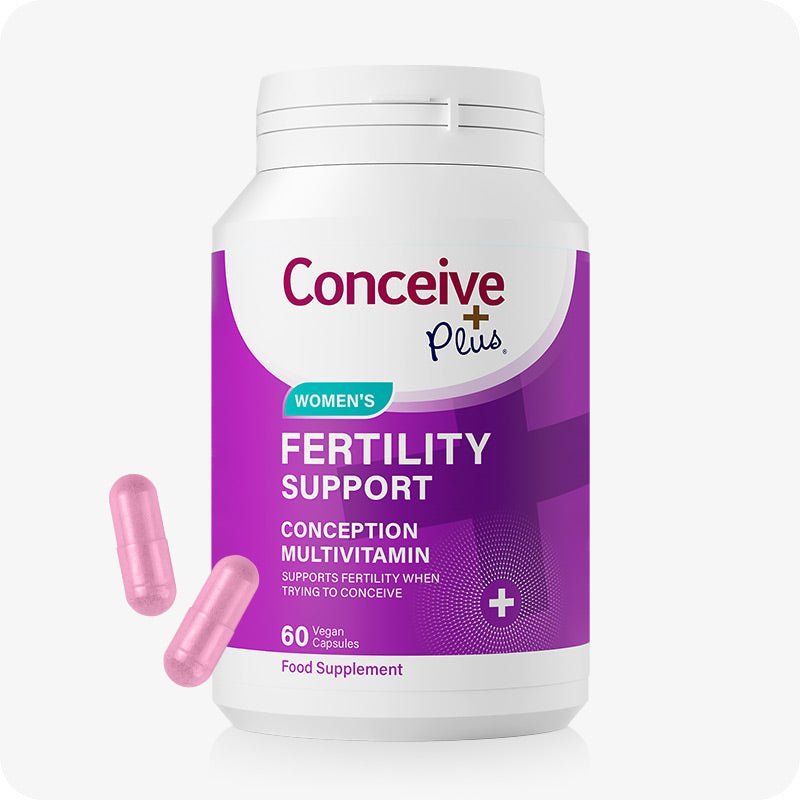
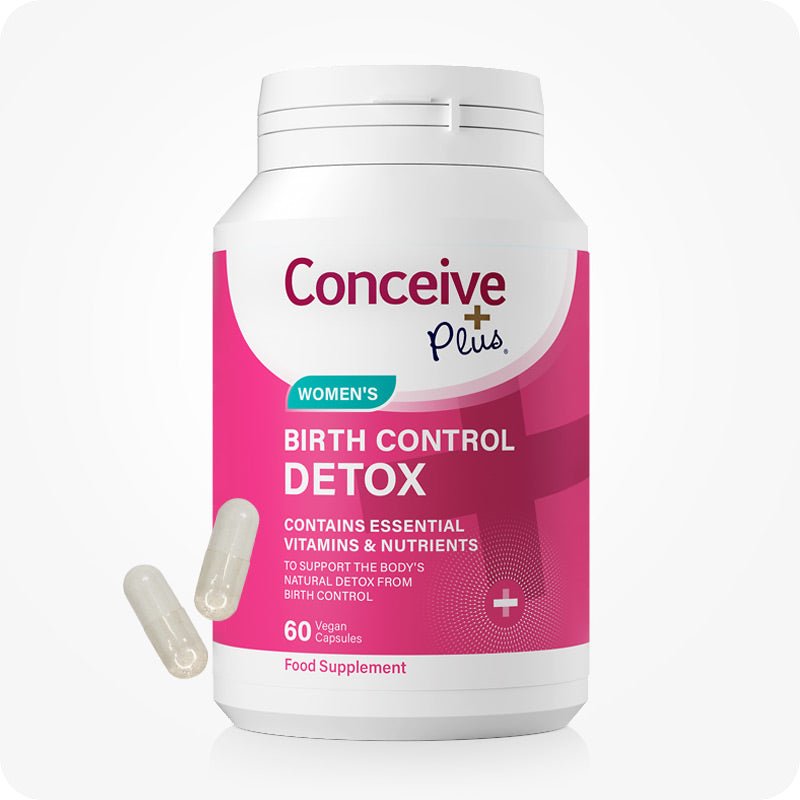
- Conceive Plus fertility supplements provide a comprehensive baseline of fertility-supportive nutrients including methylfolate, CoQ10, zinc, selenium, and antioxidant vitamins — formulated specifically for couples trying to conceive, including those undergoing assisted reproduction.
Explore Conceive Plus Fertility Supplements →
Managing the Emotional Side of IVF Preparation
IVF is physically demanding, but the emotional toll is often underestimated. Research shows that the psychological stress experienced by IVF patients is comparable to that of cancer patients. Managing this stress is not just important for wellbeing — it may also affect outcomes. Chronic stress elevates cortisol, which can disrupt ovarian hormones and implantation.
Strategies that help:
- Mind-body programmes: Studies by Dr. Alice Domar at Harvard found that mind-body interventions (mindfulness, yoga, cognitive behavioural therapy) significantly improved IVF success rates in previously unsuccessful patients.
- Couples counselling: IVF puts pressure on relationships. Pre-cycle sessions with a fertility counsellor can help partners communicate and align their expectations.
- Online communities: Forums and peer support groups can reduce isolation, though it's wise to limit exposure to negative outcome stories.
- Acupuncture: Evidence is mixed but promising; some meta-analyses suggest acupuncture may improve clinical pregnancy rates when used around egg transfer.
What to Expect During the Stimulation Phase
Once your cycle begins, you'll self-inject FSH (follicle-stimulating hormone) and sometimes LH medications daily for 8–14 days. During this time:
- Monitoring appointments (ultrasound + blood tests) occur every 1–3 days to track follicle growth and adjust doses
- You may feel bloating, mild cramping, mood changes, and increased abdominal sensitivity — all normal side effects of stimulation
- When follicles reach the target size (typically 18–20 mm), a trigger injection (hCG or Lupron) is administered
- Egg retrieval occurs 34–36 hours after the trigger
After retrieval, your clinic will call with fertilisation results (typically on day 1) and then embryo development updates on days 3 and 5. Waiting for these calls is one of the most emotionally charged aspects of IVF — prepare yourself by having a support plan in place.
Using Fertility Lubricant During IVF
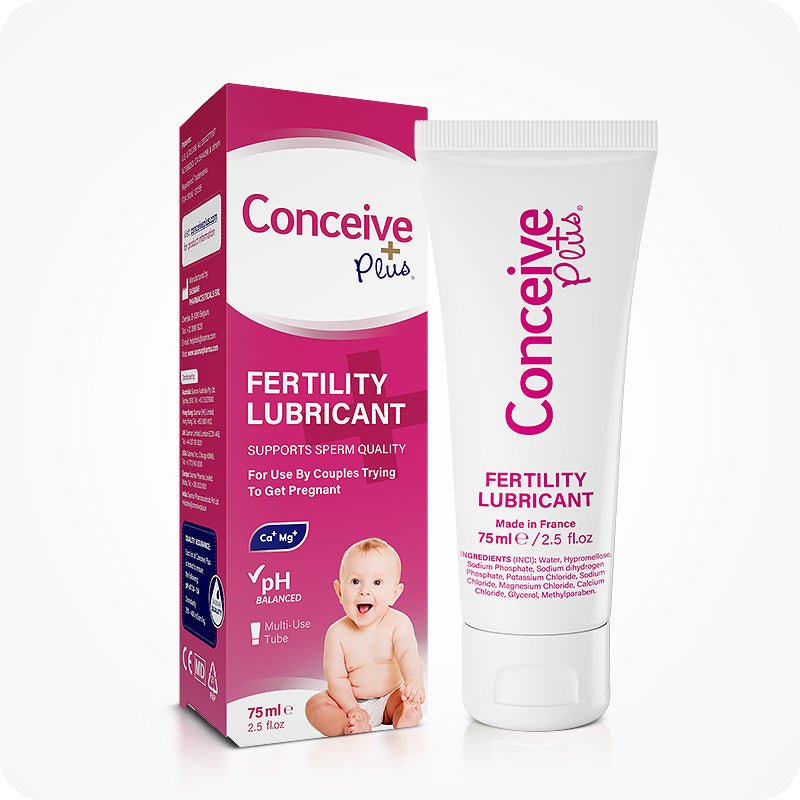
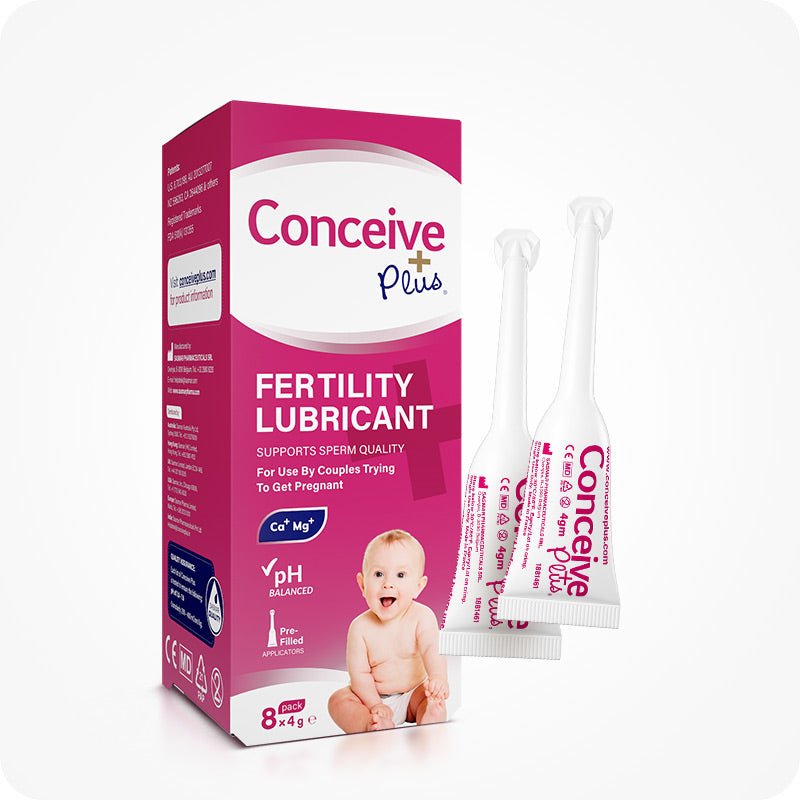
During IVF stimulation, hormonal medications frequently cause vaginal dryness and discomfort. Standard lubricants are not safe for use during this period — they can interfere with embryo transfers and damage the cervical environment. Conceive Plus is the fertility lubricant most widely accepted in clinic settings, with a pH and osmolality that match the reproductive tract and no harmful additives. Always confirm with your clinic before using any product during an IVF cycle.
Shop Conceive Plus Fertility Lubricant for IVF →
After Embryo Transfer: The Two-Week Wait
The two-week wait (2WW) between embryo transfer and your pregnancy test is widely regarded as the most difficult period of an IVF cycle. During this time:
- Continue all prescribed medications (usually progesterone pessaries or injections, sometimes oestrogen)
- Avoid intense exercise, swimming pools, and baths (showers are fine)
- There is no evidence that bed rest improves outcomes — gentle walks are beneficial
- Spotting in the 2WW does not mean the cycle has failed (it can be implantation bleeding)
- Wait until the clinic's designated test day — early home testing often gives unreliable results due to the hCG trigger injection
Frequently Asked Questions: IVF Preparation
Q: How far in advance should I start preparing for IVF?
A: Ideally 3–6 months. Eggs take 90 days to mature from primordial follicle to ovulable egg, so changes in diet, supplements, and lifestyle made 3 months before retrieval can directly affect the eggs produced in your cycle.
Q: Should my partner also take supplements before IVF?
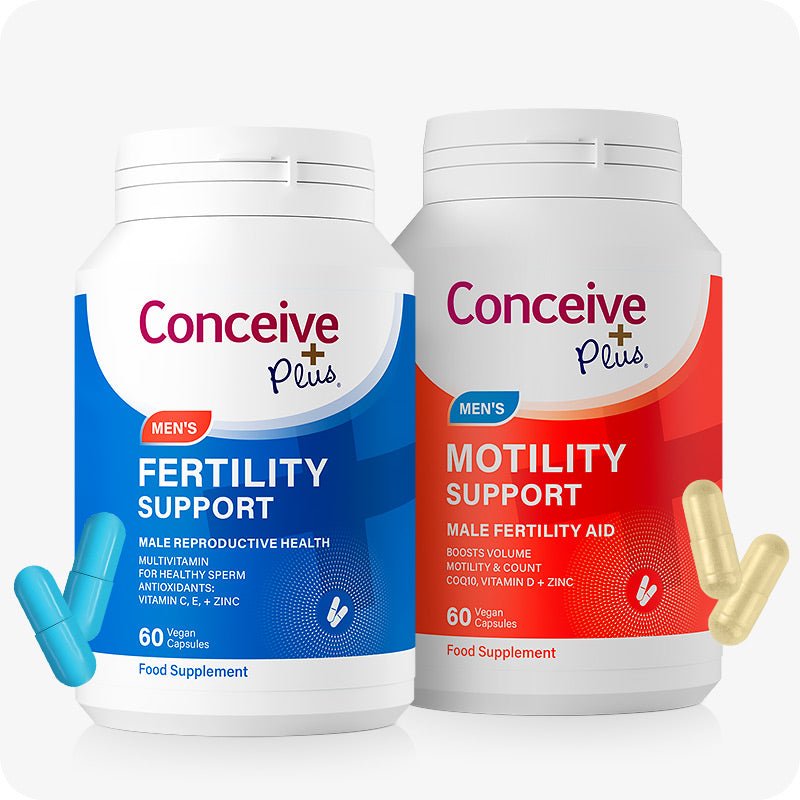
A: Absolutely. Sperm quality significantly affects fertilisation rates and embryo quality. Men should start CoQ10, zinc, selenium, vitamin C, and vitamin E at least 3 months before the retrieval date.
Q: Can I work during IVF stimulation?
A: Most people can maintain their normal work schedule during stimulation, with adjustments for monitoring appointments (usually early morning). Around egg retrieval, plan for 1–2 days of rest. Many people take a day or two off around embryo transfer for peace of mind, though it is not medically required.
Q: Does stress affect IVF success?
A: The research is nuanced. Extreme chronic stress may have a modest effect on outcomes through hormonal pathways, but typical anxiety during an IVF cycle does not meaningfully reduce success rates. Managing stress supports your wellbeing regardless of its direct fertility impact.
Q: What supplements should I stop before IVF?
A: Herbal supplements including St John's Wort, high-dose echinacea, and some adaptogenic herbs should be stopped. Always provide your full supplement list to your clinic — some can interfere with medications or monitoring.
Q: How many embryos will be transferred?
A: In the UK, HFEA guidelines typically recommend single embryo transfer (SET) for women under 40 with good quality embryos to minimise the risk of multiple pregnancy. Twins in IVF are associated with significantly higher complication rates for both mother and babies.
Q: What is PGT-A testing and should I do it?
A: Preimplantation Genetic Testing for Aneuploidy (PGT-A) screens embryos for chromosomal abnormalities before transfer. It is most beneficial for women over 37, those with recurrent miscarriage, or those with repeated failed IVF cycles. It adds cost but can improve the chance of a successful transfer by identifying chromosomally normal embryos.
Q: Can IVF fail even with a good embryo?
A: Yes. Even chromosomally normal, high-grade blastocysts fail to implant in approximately 30–40% of cases. The science of implantation is still not fully understood, and other factors — uterine receptivity, immune factors, and unknown variables — play a role.
Q: Is there a maximum number of IVF cycles I can do?
A: There is no fixed medical limit, though there are emotional and financial limits for most couples. After 3–4 failed cycles with good embryos, clinics may recommend further investigation (ERA testing, immune profiling, sperm DNA fragmentation) before proceeding.
Q: What should I do if IVF doesn't work?
A: Give yourself time to grieve the outcome before making decisions. Meet with your consultant to review the cycle in detail — what stimulated, how many embryos, quality, and what the transfer showed. A failed cycle provides valuable information that informs the next approach. Many couples succeed in subsequent cycles.
Your IVF Preparation Checklist
Start your cycle with confidence using this timeline:
- 📅 3–6 months before: Begin CoQ10, methylfolate, vitamin D; adjust diet; reduce alcohol; start fertility supplements for both partners
- 📅 2–3 months before: Complete pre-IVF testing; consult fertility counsellor if needed; reach target BMI if possible
- 📅 1 month before: Stop herbal supplements; confirm medication protocol with clinic; stock up on fertility lubricant for the cycle
- 📅 Cycle start: Begin injections as directed; attend all monitoring appointments; maintain low-intensity exercise; prioritise sleep and stress management
IVF is a marathon, not a sprint. Preparation is your greatest asset — and Conceive Plus is here to support every step of the journey.