Fertility Diet: The Ultimate Evidence-Based Guide to Eating for Conception


Fertility Diet: The Ultimate Evidence-Based Guide to Eating for Conception
What you eat in the months before trying to conceive can profoundly influence your chances of getting pregnant. The research on fertility diet is now robust enough that reproductive specialists and nutritionists speak not just of avoiding harmful foods, but of actively building a dietary pattern that supports ovulation, egg quality, sperm health, and uterine receptivity. This guide brings together the best evidence on nutrition for conception, practical meal planning advice, and honest discussion of what the science does and doesn't support.
The Science Behind a Fertility Diet
The concept of a fertility diet gained major scientific credibility with the landmark Nurses' Health Study II, one of the largest investigations into diet and fertility ever conducted. Analysing data from over 18,000 women attempting pregnancy, researchers identified a dietary pattern strongly associated with reduced risk of ovulatory infertility. The key elements of this pattern — which has become the foundation of what reproductive nutritionists recommend — included:
- Higher consumption of plant-based protein over animal protein
- Full-fat dairy products over low-fat or skimmed alternatives
- Complex carbohydrates with low glycaemic index
- Abundant antioxidant-rich vegetables and fruits
- Monounsaturated and polyunsaturated fats over trans fats
- Iron from plant sources
- Multivitamins containing folic acid
Subsequent research has refined this picture considerably, with additional insights about male fertility nutrition, specific micronutrients, and the timing of dietary changes relative to conception attempts.
Key Nutrients in a Fertility Diet for Women
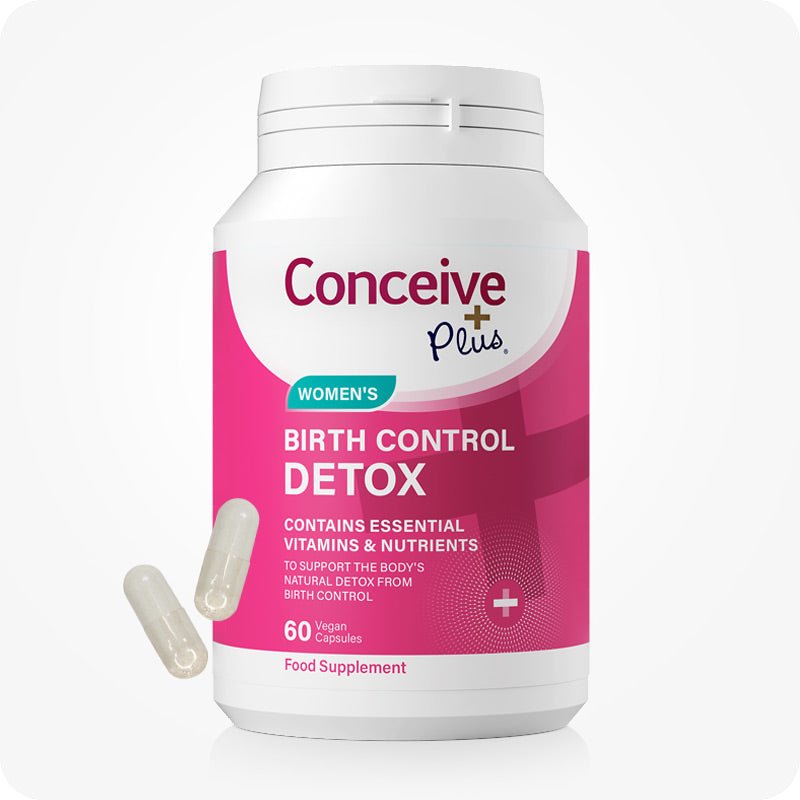
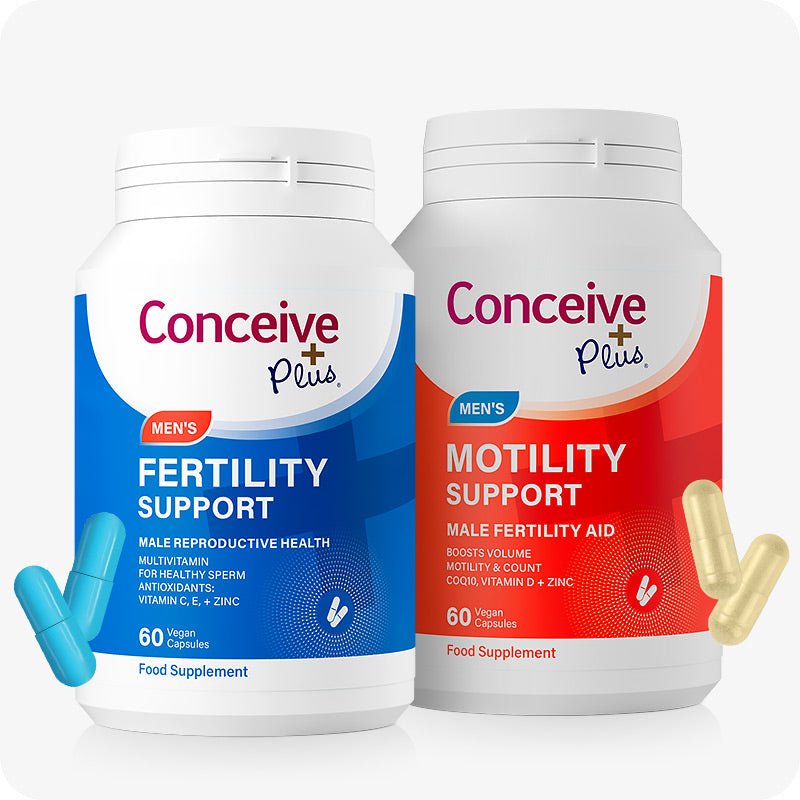
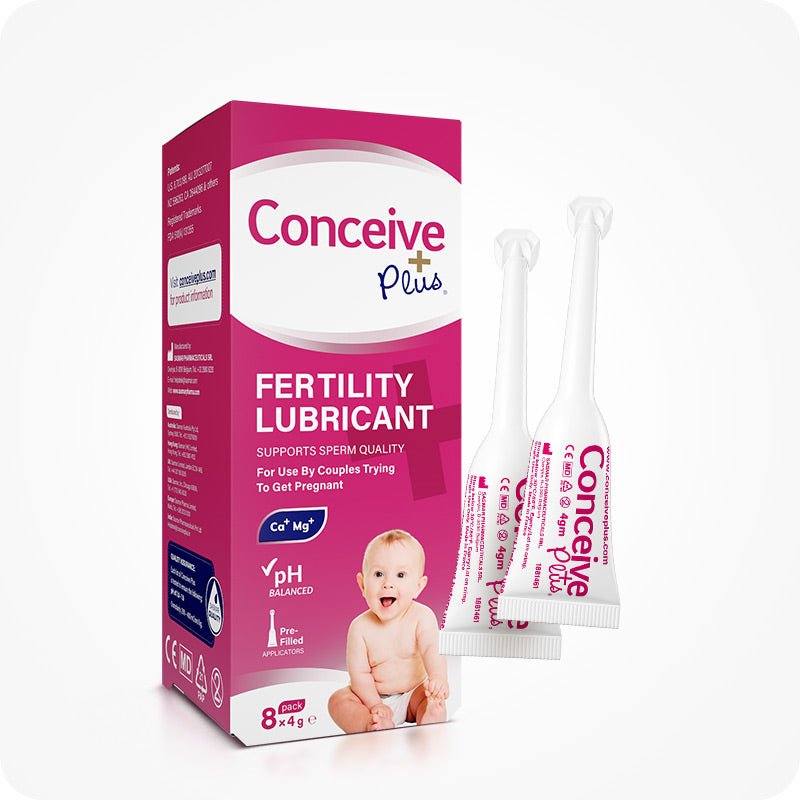
Start your fertility journey with Conceive Plus.
Trusted by thousands of couples worldwide, Conceive Plus is clinically tested and used in fertility clinics globally.
Shop Conceive Plus →
Folate and Folic Acid
Folic acid is the gold standard of pre-conception nutrition. It is essential for DNA synthesis and cell division — processes central to egg development, fertilisation, and early embryo formation. The recommended dose is 400 mcg daily starting at least 3 months before trying to conceive, with 5 mg prescribed for women with certain conditions or previous neural tube defect pregnancies.
Food sources of folate include: leafy greens (spinach, kale, rocket), asparagus, avocado, citrus fruits, legumes, and fortified cereals. However, natural folate from food has lower bioavailability than folic acid supplements, making supplementation essential alongside dietary sources.
Omega-3 Fatty Acids
Omega-3 fatty acids — particularly EPA and DHA — support egg quality by improving the fluidity and function of cell membranes. They also reduce inflammation, which can improve uterine receptivity, and have been associated with better embryo quality in IVF studies. DHA is additionally critical for foetal brain development, making it an important nutrient to continue into pregnancy.
Food sources: oily fish (salmon, mackerel, sardines, herring — 2 portions weekly), chia seeds, walnuts, flaxseed, and algae-based omega-3 supplements (suitable for vegetarians/vegans).
Iron
Iron deficiency is one of the most common nutritional deficiencies among women of reproductive age, and it has specific implications for fertility. The Nurses' Health Study found that women with higher iron intake from plant sources had significantly lower risk of ovulatory infertility. Iron is required for the production of healthy egg cells and for the enzymatic processes involved in ovulation.
Good plant iron sources: lentils, tofu, pumpkin seeds, quinoa, dried apricots, and fortified cereals. Always combine with vitamin C-rich foods to enhance absorption. Meat-based iron (haem iron) is more readily absorbed, but research specifically identified non-haem (plant) iron as the beneficial form for ovulatory function.
Antioxidants
Oxidative stress — an imbalance between free radical production and the body's antioxidant defences — damages egg and sperm DNA and is increasingly recognised as a significant driver of unexplained infertility. A fertility diet rich in antioxidants helps neutralise free radicals and protect reproductive cells.
Key antioxidants for fertility:
- Vitamin C: Berries, citrus, kiwi, bell peppers, broccoli
- Vitamin E: Almonds, sunflower seeds, avocado, olive oil
- Coenzyme Q10 (CoQ10): Found in small amounts in meat and fish; often taken as a supplement for egg quality
- Zinc: Oysters, beef, pumpkin seeds, chickpeas — critical for ovulation and progesterone production
- Selenium: Brazil nuts (just 2–3 per day meets daily needs), fish, eggs
Fertility Diet for Men: What Sperm Health Needs
Nutrition's impact on male fertility is often underappreciated. Yet approximately 40–50% of fertility challenges involve male factors, and sperm quality is highly responsive to dietary changes because spermatogenesis (sperm production) takes about 74 days — meaning dietary improvements made now will affect sperm quality in 2–3 months.
Key nutrients for sperm health:
- Zinc: Essential for testosterone production and sperm morphology. Deficiency is directly linked to low sperm count. Sources: oysters, red meat, pumpkin seeds, chickpeas.
- Selenium: Supports sperm motility and protects against oxidative DNA damage in sperm. Sources: Brazil nuts, tuna, sardines, eggs.
- Lycopene: The antioxidant that gives tomatoes their red colour has shown significant benefits for sperm concentration and motility in clinical trials. Cooked tomatoes (tinned tomatoes, tomato paste) provide more bioavailable lycopene than raw.
- Vitamin D: Low vitamin D is associated with poor sperm motility and morphology. Sources: oily fish, egg yolks, fortified foods, and safe sun exposure.
- CoQ10: Powers sperm mitochondria, directly supporting motility. Found in meat and fish; supplement at 100–600 mg/day for therapeutic effects.
Foods to Avoid or Limit on a Fertility Diet
Trans Fats
Industrial trans fats (found in some margarines, commercially fried foods, and ultraprocessed snacks) are associated with increased inflammatory markers and impaired ovulation. The Nurses' Health Study found that even a 2% increase in energy from trans fats was associated with a 73% higher risk of ovulatory infertility. In the UK, trans fat content in manufactured foods is now significantly reduced, but reading labels for "partially hydrogenated oils" remains worthwhile.
High-Glycaemic Foods
Foods that cause rapid blood sugar spikes — white bread, sugary drinks, white rice, highly processed cereals — promote insulin resistance and elevated insulin levels, which can disrupt the hormonal signalling that regulates ovulation. Women with PCOS are particularly sensitive to this mechanism. A low-GI fertility diet emphasises: oats, quinoa, sweet potatoes, legumes, and non-starchy vegetables.
Alcohol
Even moderate alcohol consumption has been associated with reduced fertility in women. Alcohol affects oestrogen metabolism, can impair follicular development, and reduces the quality of the uterine lining. For men, alcohol reduces testosterone and increases oestrogen levels, impairs sperm production, and depletes zinc and magnesium. Most fertility specialists recommend alcohol abstinence or very strict limitation when actively trying to conceive.
Excess Processed Red Meat
While unprocessed red meat in moderation can be part of a healthy fertility diet (providing iron, zinc, B12), processed meats (bacon, sausages, deli meats) are associated with poorer sperm quality. Studies have found higher intake of processed meat correlates with reduced sperm count and motility in men.
Excessive Caffeine
Current evidence suggests that caffeine intake below 200–300 mg/day (roughly 2–3 cups of coffee) is unlikely to affect fertility significantly. Above this level, some studies show associations with longer time-to-pregnancy and increased miscarriage risk. Teas (including green tea), energy drinks, and chocolate also contribute to total caffeine intake.
The Mediterranean Diet and Fertility
The Mediterranean dietary pattern — characterised by abundant vegetables, fruits, legumes, whole grains, olive oil, fish, and moderate amounts of dairy and lean meat — aligns closely with evidence-based fertility nutrition recommendations. Multiple studies have found associations between adherence to a Mediterranean-style diet and:
- Improved IVF outcomes
- Higher live birth rates
- Better sperm quality in men
- Reduced risk of ovulatory infertility
- Lower risk of gestational diabetes in pregnancy
The Mediterranean diet is not a rigid prescription — it's a flexible framework that can be adapted to individual tastes, cultural preferences, and dietary requirements. Its core principles (real food, mostly plants, healthy fats, limited processed foods) are universally applicable.
A Sample Fertility Diet Meal Plan
Breakfast: Greek yoghurt with mixed berries, walnuts, and a drizzle of honey; or avocado on wholegrain toast with 2 eggs
Mid-morning snack: Brazil nuts (3), an orange, and a small handful of pumpkin seeds
Lunch: Lentil and spinach soup with crusty wholegrain bread; or a large salad with tinned salmon, avocado, tomatoes, mixed leaves, and olive oil dressing
Afternoon snack: Apple with almond butter; or a small portion of hummus with carrot and cucumber sticks
Dinner: Baked salmon with roasted asparagus, sweet potato wedges, and a side of steamed broccoli drizzled with lemon and olive oil; or chicken thigh (skin removed) with quinoa, roasted Mediterranean vegetables, and a tomato-based sauce
Dessert: Dark chocolate (70%+ cocoa) with a small handful of mixed nuts
Frequently Asked Questions About Fertility Diet
Q: How long before trying to conceive should I change my diet?
A: Ideally, begin 3–6 months before actively trying. This gives time for egg quality (which takes ~90 days to develop) and sperm quality (74-day spermatogenesis cycle) to respond to dietary improvements. Starting folic acid supplementation is recommended at least 3 months before conception.
Q: Does full-fat dairy really improve fertility?
A: The Nurses' Health Study found a consistent association between full-fat dairy consumption and reduced ovulatory infertility risk, with low-fat dairy showing the opposite trend. The proposed mechanism involves hormones concentrated in fat fractions of dairy. However, this shouldn't be taken as licence to overconsume high-fat foods — one serving of full-fat dairy per day is what the data supports.
Q: Is organic food worth it for fertility?
A: Some pesticide residues have oestrogenic effects that may theoretically disrupt hormonal balance. A Harvard study found that women undergoing IVF who ate more high-pesticide fruits and vegetables had lower rates of fertilisation and live birth. Prioritising organic versions of the "Dirty Dozen" (strawberries, spinach, peppers, etc.) while accepting conventional versions of lower-pesticide produce is a reasonable, cost-effective approach.
Q: Can a vegan diet support fertility?
A: Yes, with careful planning. Vegans must pay particular attention to: B12 (supplement required), omega-3 DHA (algae-based supplement), zinc, iron, iodine, calcium, and vitamin D. A well-planned, supplement-supported vegan diet can absolutely support fertility.
Q: Does sugar cause infertility?
A: High sugar intake itself is not directly linked to infertility, but it drives insulin resistance and promotes inflammation — both of which can impair ovulation, particularly in women with PCOS. Reducing added sugar is beneficial not because sugar itself causes infertility but because of its downstream hormonal effects.
Q: Can CoQ10 improve egg quality?
A: CoQ10 is one of the most studied supplements for egg quality, particularly for women over 35. Mitochondrial dysfunction in ageing eggs is increasingly recognised as a driver of reduced egg quality, and CoQ10 supports mitochondrial function. While evidence is still emerging, many reproductive specialists recommend 400–600 mg/day for women over 35 trying to conceive or undergoing IVF. Discuss with your fertility specialist.
Q: How important is hydration for fertility?
A: Adequate hydration is essential for cervical mucus production — thin, stretchy, egg-white cervical mucus during ovulation is critical for sperm transport. Dehydration thickens cervical mucus, potentially impairing sperm's journey to the egg. Aim for 2–2.5 litres of water per day, more if you exercise heavily or live in a warm climate.
Q: Should men change their diet too, or just women?
A: Definitely both. Male factor infertility is involved in roughly half of all cases, and sperm quality is highly responsive to dietary change. Men should prioritise: antioxidant-rich foods, omega-3s, zinc, selenium, and lycopene, while reducing alcohol, processed meat, and ultraprocessed foods.
Q: Does BMI affect fertility and does diet help?
A: Both underweight (BMI below 18.5) and overweight/obesity (BMI above 25–30) are associated with fertility challenges — disrupting ovulation, reducing egg quality, and affecting implantation. A healthy weight is not about achieving a specific number but about supporting hormonal balance. A fertility-focused diet, combined with appropriate exercise, is the cornerstone of weight management for fertility.
Q: Are there any fertility superfoods?
A: No single food has the power to make or break fertility, but several are particularly nutrient-dense for reproductive health: walnuts (omega-3, antioxidants), oysters (zinc, B12), avocado (folate, healthy fat, vitamin E), spinach (folate, iron, antioxidants), and tinned tomatoes (lycopene for male fertility). Include these regularly rather than relying on any one food.
Conclusion: Your Fertility Diet as a Foundation for Conception
A fertility diet is not a temporary restriction or a rigid rulebook — it's a framework for nourishing your reproductive system with the specific nutrients it needs to function optimally. The evidence points clearly toward a diet rich in whole foods, healthy fats, plant proteins, complex carbohydrates, and micronutrient-dense vegetables and fruits, while limiting ultraprocessed foods, alcohol, trans fats, and excessive sugar.
The best time to start your fertility diet is now. Even if you're still months away from trying to conceive, every positive dietary change is an investment in your reproductive health — and in the health of the baby you're working toward.
Combine your nutrition improvements with other evidence-based strategies: tracking ovulation accurately, managing stress, exercising moderately, and using fertility-supportive products like Conceive Plus to optimise every aspect of your conception journey.