Sperm Health and Male Fertility: What Every Man Should Know


Sperm Health and Male Fertility: Everything Men Need to Know in 2026
When couples struggle to conceive, the conversation often focuses on women. Yet male factor infertility contributes to approximately 50% of all cases of subfertility — and in around 30–40% of cases, a male factor is the sole or primary cause. Understanding sperm health is not just helpful for men; it is essential for every couple trying to conceive.
This guide covers everything you need to know about sperm health in 2026 — from the key parameters that matter, to the lifestyle changes and supplements backed by clinical evidence, including how Conceive Plus male fertility support can help optimise sperm quality naturally.
What Makes Sperm Healthy? The Four Key Parameters
When fertility specialists analyse a semen sample, they assess four core parameters defined by the World Health Organisation (WHO) 2021 reference values:
- Count (Concentration): ≥16 million sperm per millilitre (or ≥39 million per ejaculate). Lower than this is oligospermia
- Motility: ≥42% of sperm should be moving; ≥30% with progressive motility (moving forward in a straight line). Poor motility is asthenospermia
- Morphology: ≥4% of sperm should have normal form (head, midpiece and tail) using Kruger strict criteria. Abnormal morphology is teratospermia
- Volume: 1.4–7.6ml per ejaculate; very low volume may suggest blockage or hormonal issues
Importantly, sperm health is highly modifiable. Unlike female fertility, which is substantially influenced by age-related egg reserve, male fertility can often be significantly improved within 3 months through targeted interventions — because that is approximately how long it takes to produce a fresh batch of sperm (spermatogenesis takes about 74 days).
The Leading Causes of Poor Sperm Health
Ready to support your fertility journey? Conceive Plus has helped hundreds of thousands of couples worldwide. Explore our complete range of fertility supplements and lubricants — formulated with fertility specialists and trusted by clinics globally.
Understanding what damages sperm is the first step to protecting and improving it. The most common causes of male fertility problems include:
- Oxidative stress: The #1 correctable cause. Reactive oxygen species (ROS) damage sperm DNA, membranes and mitochondria. Lifestyle factors, smoking, obesity and environmental toxins all increase ROS
- Varicocoele: Enlarged veins in the scrotum that raise testicular temperature, affecting sperm in up to 40% of infertile men. Often surgically correctable
- Hormonal imbalances: Low testosterone, elevated prolactin, thyroid disorders and other endocrine disruptions affect sperm production
- Infections: Past STIs (particularly chlamydia and gonorrhoea), prostatitis and orchitis can damage the reproductive tract
- Genetic factors: Y chromosome microdeletions, Klinefelter syndrome and cystic fibrosis carrier status all affect sperm production
- Medications: Anabolic steroids, certain antidepressants, antihypertensives and chemotherapy can severely impair sperm
- Age: While men can father children into old age, sperm DNA fragmentation increases significantly after 40, raising miscarriage risk
Diet and Nutrition for Sperm Health: What the Research Shows
Diet is one of the most powerful and modifiable factors affecting sperm quality. The Mediterranean dietary pattern — rich in antioxidants, healthy fats and plant proteins — is consistently associated with better semen parameters in multiple large studies.
Foods that support sperm health:
- Walnuts: A 2012 UCLA study found 75g of walnuts daily for 12 weeks significantly improved sperm vitality, motility and morphology
- Tomatoes and lycopene: Lycopene is concentrated in the testes and is a potent antioxidant; studies link higher lycopene intake with better motility
- Leafy greens: Folate from spinach, kale and broccoli is essential for sperm DNA synthesis and reducing DNA fragmentation
- Oily fish: DHA omega-3s are structural components of the sperm membrane and acrosome; low DHA correlates with poor morphology
- Oysters and pumpkin seeds: Among the richest dietary sources of zinc, the mineral most critical for testosterone production and sperm formation
Foods to minimise: Processed meats, trans fats, full-fat dairy, excessive alcohol and highly processed foods are all associated with poorer semen quality in observational studies.
Key Supplements for Male Fertility: Evidence Review
A targeted supplement protocol can address nutritional gaps and deliver therapeutic doses of antioxidants that are difficult to achieve through diet alone. The following nutrients have the strongest evidence base for sperm health:
Zinc
Zinc is arguably the most important mineral for male fertility. It is highly concentrated in the testes and prostate, where it supports testosterone synthesis, sperm formation and protection against oxidative damage. Meta-analyses consistently show zinc supplementation improves sperm count, motility and morphology — particularly in men with oligospermia. Recommended dose: 25–66mg elemental zinc daily.
Selenium
Selenium is a structural component of selenoprotein P, which protects sperm from oxidative damage during their journey through the reproductive tract. Combined with vitamin E, selenium has shown clinical benefit in reducing DNA fragmentation and improving motility. Dose: 100–200mcg daily.
CoQ10 (Ubiquinol)
Sperm require enormous amounts of ATP (cellular energy) for their flagellar beating. CoQ10 is essential for mitochondrial energy production and is found in very high concentrations in healthy sperm. Clinical trials show CoQ10 supplementation improves sperm concentration, motility and antioxidant capacity. Ubiquinol (reduced form) is better absorbed than ubiquinone. Dose: 200–400mg daily.
Vitamin C
One of the primary water-soluble antioxidants in seminal plasma. Vitamin C protects sperm DNA from oxidative damage and prevents sperm agglutination (clumping). Studies in men with high DNA fragmentation show significant improvement with 1,000mg vitamin C daily over 2 months.
L-Carnitine
L-carnitine and acetyl-L-carnitine play a critical role in sperm energy metabolism — specifically in the transport of fatty acids into the mitochondria of the sperm midpiece. Clinical trials show L-carnitine supplementation meaningfully improves motility, particularly progressive motility, in men with asthenospermia. Dose: 2,000–3,000mg daily.
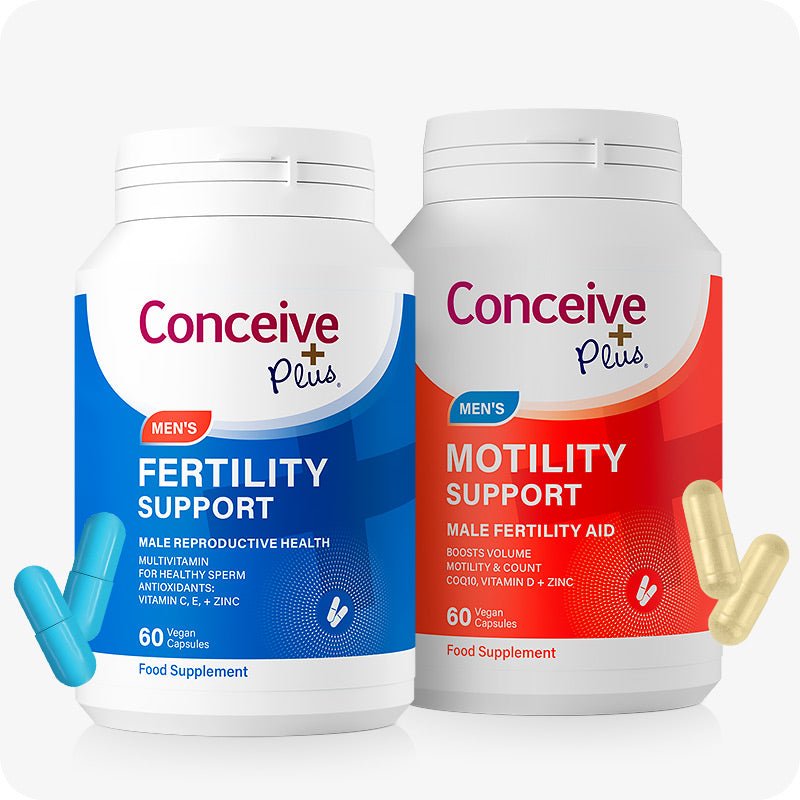
Conceive Plus male fertility supplements combine these evidence-based nutrients in a single, convenient formula — making consistent supplementation straightforward. Explore at conceiveplus.co.uk/collections/fertility-supplements.
Lifestyle Factors That Damage Sperm — and What to Do Instead
Some of the most significant threats to sperm health are entirely reversible lifestyle habits:
- Smoking: Cigarette smoke contains thousands of reactive compounds that directly damage sperm DNA and reduce count and motility. Smoking is associated with 13–17% lower sperm density. Stopping smoking is the single most impactful lifestyle change for sperm health
- Excessive alcohol: More than 14 units per week is associated with lower testosterone, reduced sperm count and impaired motility. Moderate consumption (under 7 units/week) appears less harmful
- Heat exposure: Sperm production requires a scrotal temperature approximately 2–4°C below core body temperature. Hot baths, saunas, heated car seats, tight underwear and laptop use on the lap all elevate scrotal temperature. Switch to loose-fitting cotton underwear and avoid prolonged heat exposure
- Recreational drugs: Cannabis, anabolic steroids and cocaine all significantly impair sperm parameters. Cannabis in particular disrupts sperm motility and morphology even with moderate use
- Obesity: Excess adipose tissue converts testosterone to oestrogen via aromatase activity, and raises scrotal temperature. BMI over 30 is associated with 30% lower sperm count. Even modest weight loss of 5–10% can meaningfully improve semen parameters
- Psychological stress: Chronic stress elevates cortisol, suppressing testosterone production. Regular exercise, adequate sleep and mindfulness practices all support healthy testosterone levels
Sperm DNA Fragmentation: The Hidden Factor
Standard semen analysis does not tell the full story. A growing body of evidence highlights sperm DNA fragmentation (SDF) as a critical but underdiagnosed factor in male infertility and recurrent pregnancy loss.
DNA fragmentation occurs when strands of the sperm's genetic material break, often as a result of oxidative stress. Fertilisation can still occur with fragmented sperm — but the embryo is less likely to develop normally, increasing risk of miscarriage and IVF failure.
Testing for SDF (via DFI — DNA Fragmentation Index) is increasingly available through fertility clinics. A DFI above 15–25% is considered elevated and warrants targeted intervention. The good news: antioxidant supplementation — particularly the combination of vitamins C, E, CoQ10, zinc and selenium — consistently reduces SDF in clinical trials over 3 months.
When to Get a Semen Analysis
Men often delay seeking assessment for fertility problems, but early investigation is always beneficial. Consider a semen analysis if:
- You and your partner have been trying to conceive for 12 months without success (or 6 months if your partner is over 35)
- You have a known risk factor: undescended testicle history, varicocoele, testicular injury, or prior STI
- Your partner has experienced recurrent pregnancy loss — elevated SDF may be a contributing factor
- You want a baseline before starting a preconception supplement protocol
NHS semen analysis is available through GP referral after 12 months of TTC. Private testing is widely available with results in 24–48 hours from home collection kits.
Conceive Plus Male Fertility Support: A Complete Solution
Conceive Plus has been trusted by couples and recommended by fertility specialists for over 15 years. The Conceive Plus male fertility supplement delivers a clinically formulated blend of zinc, selenium, CoQ10, L-carnitine, vitamins C and E and other antioxidants specifically designed to support every aspect of sperm health — count, motility, morphology and DNA integrity.
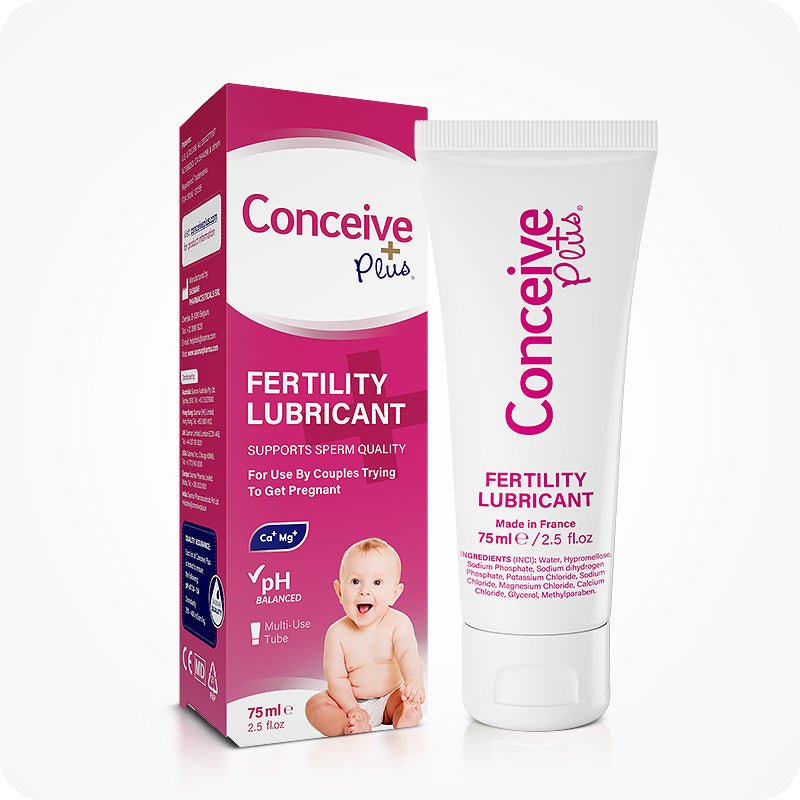
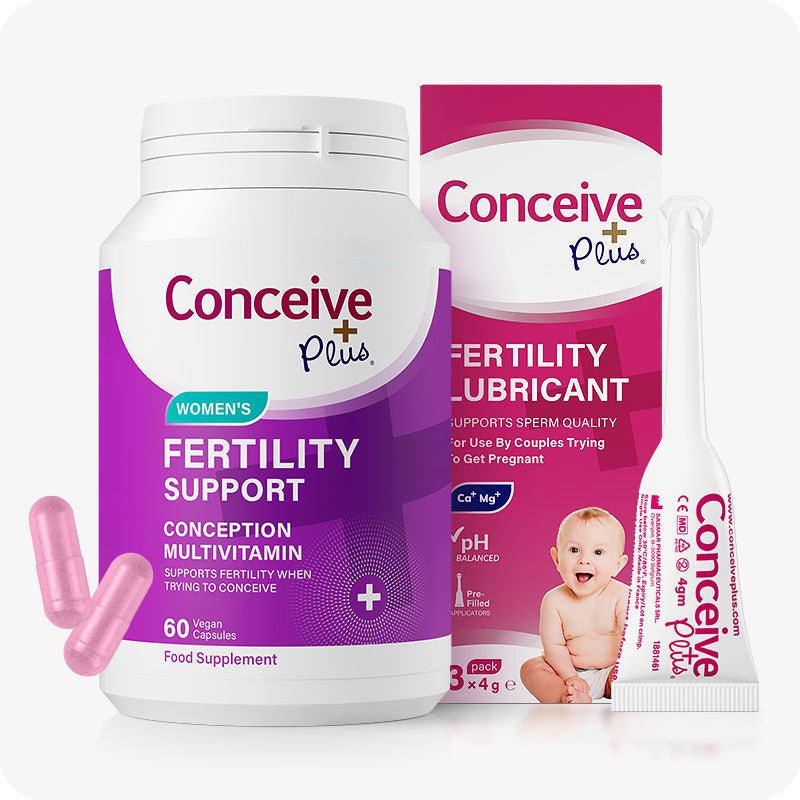
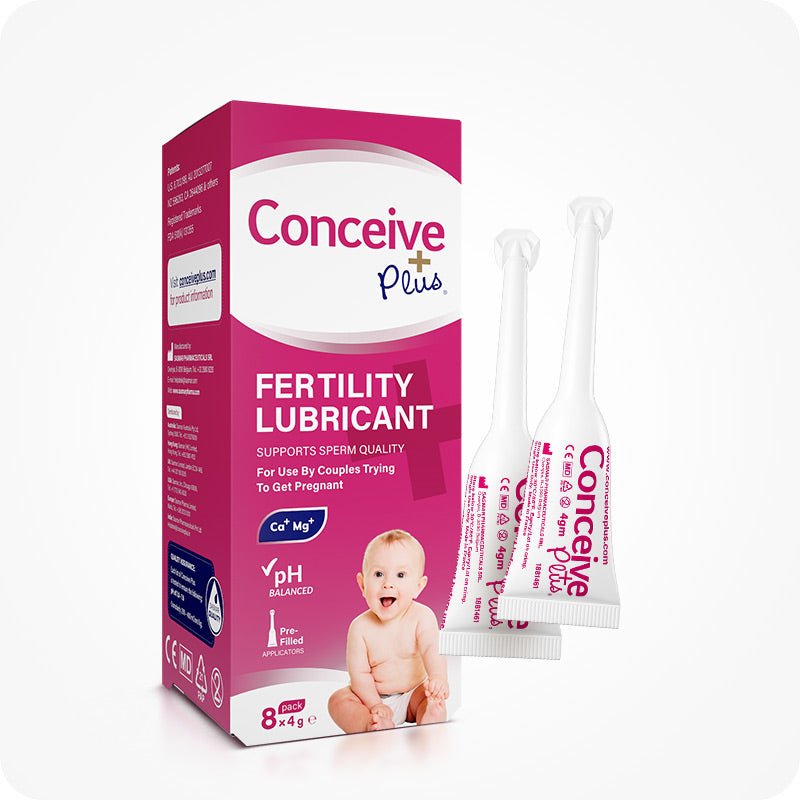
Combined with the Conceive Plus fertility lubricant (the only lubricant clinically formulated with calcium and magnesium ions to actively support sperm), the Conceive Plus couple protocol gives both partners the best possible foundation for natural conception.
Frequently Asked Questions: Male Fertility and Sperm Health
Q1: How quickly can I improve my sperm quality?
A: Spermatogenesis takes approximately 74 days. Lifestyle changes and supplements show measurable results in semen analysis after 3 months. Commit to at least a 3-month protocol before reassessing.
Q2: Does age affect male fertility?
A: Yes, though less dramatically than in women. Testosterone declines gradually from the 30s, and sperm DNA fragmentation increases with age — notably after 40. Antioxidant supplementation is especially important for men over 40 TTC.
Q3: Can I check my sperm health at home?
A: Home sperm tests can assess concentration and motility, but are not as comprehensive as a clinical semen analysis. For a baseline assessment before beginning a supplement programme, a home test is a reasonable first step.
Q4: Is it true that tight underwear damages sperm?
A: Yes. A 2018 Harvard study found men wearing boxers had 25% higher sperm concentration than those in tight underwear — due to the scrotal cooling effect of looser-fitting garments.
Q5: Does phone radiation affect sperm?
A: Some studies show association between mobile phone use in trouser pockets and marginally reduced sperm motility. The evidence is not conclusive, but moving your phone to a bag or jacket pocket is a simple precaution with no downside.
Q6: How much does smoking affect sperm?
A: Smokers have approximately 13–17% lower sperm density, reduced motility and higher rates of DNA fragmentation compared with non-smokers. These effects improve — though may not fully reverse — after quitting.
Q7: Can a man's diet really make a difference to sperm health?
A: Absolutely. Multiple large studies show the Mediterranean diet pattern is associated with 40–60% better semen parameters compared to Western-style diets. Dietary changes show effects within 3 months.
Q8: What is the best supplement combination for sperm motility?
A: For motility specifically, the strongest evidence supports: L-carnitine (2,000–3,000mg), CoQ10 (200–400mg), vitamin E (400IU) and omega-3 DHA. Conceive Plus male fertility supplement covers the core antioxidant nutrients.
Q9: Should both partners take fertility supplements?
A: Yes — a shared preconception supplement protocol benefits both egg and sperm quality and creates a supportive team dynamic. Conceive Plus offers both women's and men's fertility supplement formulas.
Q10: Where can I find Conceive Plus male fertility supplements in the UK?
A: Available at conceiveplus.co.uk/collections/fertility-supplements with fast UK delivery. Trusted by couples and fertility specialists across the UK for over 15 years.
Final Thoughts: Taking Charge of Your Sperm Health
Male fertility is not fixed — it is profoundly responsive to the choices men make every day. Sperm health can be meaningfully improved within 3 months through targeted nutrition, supplementation and lifestyle adjustments. Whether you are just starting your TTC journey or have been trying for some time, investing in sperm health is one of the most impactful steps a man can take.
Start with a semen analysis to know your baseline, adopt the Mediterranean dietary pattern, quit smoking, moderate alcohol, stay cool and begin a quality male fertility supplement. Conceive Plus is here to support your journey at every step — explore the complete range at conceiveplus.co.uk/collections/fertility-supplements.
Ready to support your fertility journey? Conceive Plus has helped hundreds of thousands of couples worldwide. Explore our complete range of fertility supplements and lubricants — formulated with fertility specialists and trusted by clinics globally.