Ovulation Tracking: The Complete Guide to Knowing Your Most Fertile Days


Ovulation Tracking: The Complete Guide to Knowing Your Most Fertile Days
Understanding when you ovulate is the single most important factor for timing intercourse correctly when trying to conceive. The fertile window — the days during which conception is biologically possible — spans only 6 days per cycle, with peak fertility occurring in the 2 days before and on the day of ovulation itself. Yet many couples trying to conceive have only a vague sense of when this window occurs, if at all.
This comprehensive guide covers everything you need to know about ovulation tracking: the science of how ovulation works, every method available to detect it, how to combine methods for maximum accuracy, and what to do with that knowledge to meaningfully improve your chances of conception.
How Ovulation Works: The Hormonal Cascade
Ovulation is governed by a precisely sequenced hormonal cascade involving the hypothalamus, pituitary gland, and ovaries — the HPO (hypothalamic-pituitary-ovarian) axis.
The cycle begins on Day 1 of menstruation, when the hypothalamus releases gonadotropin-releasing hormone (GnRH). This triggers the pituitary to produce follicle-stimulating hormone (FSH), which stimulates the growth of follicles in the ovaries. As follicles develop, they produce increasing amounts of oestrogen. When oestrogen reaches a threshold level, it triggers a surge of luteinising hormone (LH) — typically lasting 24–36 hours — which causes the dominant follicle to rupture and release the mature egg.
The egg then travels down the fallopian tube, where it can be fertilised for approximately 12–24 hours. Sperm, however, can survive in the female reproductive tract for up to 5 days, which is why having sperm present before ovulation is often more effective than waiting until ovulation has occurred.
The Fertile Window: Timing That Matters
Support Your Fertility Journey with Conceive Plus
Clinically formulated fertility supplements trusted by couples worldwide.
Shop Conceive Plus Fertility Supplements →
Studies tracking precisely timed intercourse relative to confirmed ovulation consistently show that:
- Conception rates are highest when intercourse occurs 1–2 days before ovulation
- The day of ovulation itself also carries high conception probability
- Conception is possible up to 5 days before ovulation (due to sperm longevity)
- After ovulation, the conception window closes within 24 hours as the egg degrades
This means that accurately identifying the pre-ovulatory phase is more valuable than confirming that ovulation has already occurred. Many tracking methods focus on detecting the LH surge — the most reliable advance warning of imminent ovulation.
Ovulation Prediction Kits (OPKs): The Most Popular Method
Ovulation predictor kits detect the LH surge in urine, providing a positive test result typically 24–36 hours before ovulation. Standard LH test strips compare LH concentration against a fixed threshold; digital OPKs provide clear positive/negative or smiley-face indicators that are easier to interpret.
More advanced OPKs (such as Clearblue Advanced Digital) also detect the oestrogen rise that precedes the LH surge, identifying up to 4 fertile days rather than just the 2-day LH surge window. For women with PCOS or irregular cycles who may have multiple LH peaks or chronically elevated LH, these advanced tests can be more reliable than standard strips.
Best practices for OPK use:
- Test at the same time each day, ideally mid-morning (the LH surge typically begins in the morning hours and peaks by mid-day)
- Avoid excessive fluid intake for 2 hours before testing (dilutes urine)
- Begin testing a few days before expected ovulation (typically around Day 10–11 for a 28-day cycle)
- Continue testing until you get a positive, or through your expected ovulation date
Basal Body Temperature (BBT) Charting
Basal body temperature rises by 0.2–0.5°C after ovulation in response to the thermogenic effects of progesterone produced by the corpus luteum. By tracking your temperature each morning before rising, you can identify this post-ovulatory rise and confirm that ovulation has occurred.
The limitation is that BBT confirms ovulation after the fact — when the fertile window has largely closed. However, over several cycles, BBT patterns allow you to identify your typical ovulation day with reasonable accuracy, enabling better prospective planning.
Key principles:
- Take temperature at the same time each day, immediately upon waking (before getting up, speaking, or drinking)
- Use a basal thermometer with 0.01°C precision — regular thermometers are insufficiently sensitive
- Record in a consistent format; fertility tracking apps (e.g., Natural Cycles, Clue, Kindara) automate pattern recognition
- Note disruptions (illness, alcohol, poor sleep, travel) that may artificially elevate temperature
Cervical Mucus Monitoring
Cervical mucus changes predictably throughout the cycle under oestrogen influence. In the pre-ovulatory phase, rising oestrogen causes glands in the cervix to produce increasing amounts of mucus that becomes progressively clearer, more watery, and more elastic — culminating in the classic "egg white cervical mucus" (EWCM) characteristic of peak fertility.
EWCM can be stretched between two fingers into long, thin strands (a property called spinnbarkeit) and provides an environment through which sperm can swim easily. After ovulation, progesterone dominates and mucus becomes thick, cloudy, and sparse — creating a barrier to sperm.
Cervical mucus monitoring is free, non-invasive, and can identify the fertile window independently of cycle day — valuable for women with irregular cycles. Combined with OPK testing, it provides a more complete picture of fertility status.
Fertility Monitors and Wearable Devices
A growing category of devices offers automated ovulation tracking:
- Advanced fertility monitors (Clearblue Connected Fertility Monitor, Mira): Test urine for LH and oestrogen, track trends across cycles, and display personalised fertility windows based on your hormonal patterns rather than population averages.
- Wearable temperature sensors (Tempdrop, Oura Ring): Continuous basal temperature monitoring overnight, eliminating the need for precise wake-time temperature taking and providing cleaner data despite sleep disruptions.
- Saliva ferning microscopes: As oestrogen rises pre-ovulation, dried saliva develops a crystal fern-like pattern when viewed under a pocket microscope — a non-invasive peak fertility indicator.
Cycle Irregularity: Tracking When Your Cycles Aren't Predictable
The standard fertility advice assumes relatively regular cycles. For women with PCOS, thyroid disorders, elevated prolactin, or other cycle-disrupting conditions, tracking becomes both more important and more challenging.
Strategies for irregular cycles:
- OPKs from an early day in the cycle (Day 8–10) through confirmed ovulation or end of expected window
- Advanced LH + oestrogen monitors that adapt to your personal hormone levels
- Cervical mucus monitoring as an independent signal not dependent on cycle day
- Wearable temperature devices that detect subtle pre-ovulatory temperature dips some women experience
- Where ovulation does not occur regularly, working with a GP or gynaecologist to investigate the underlying cause
Supporting Ovulation: The Role of Supplements
Ovulation tracking identifies when ovulation occurs — but what if ovulation is infrequent, late, or anovulatory cycles are a problem? Several nutrients have evidence for supporting regular ovulation:
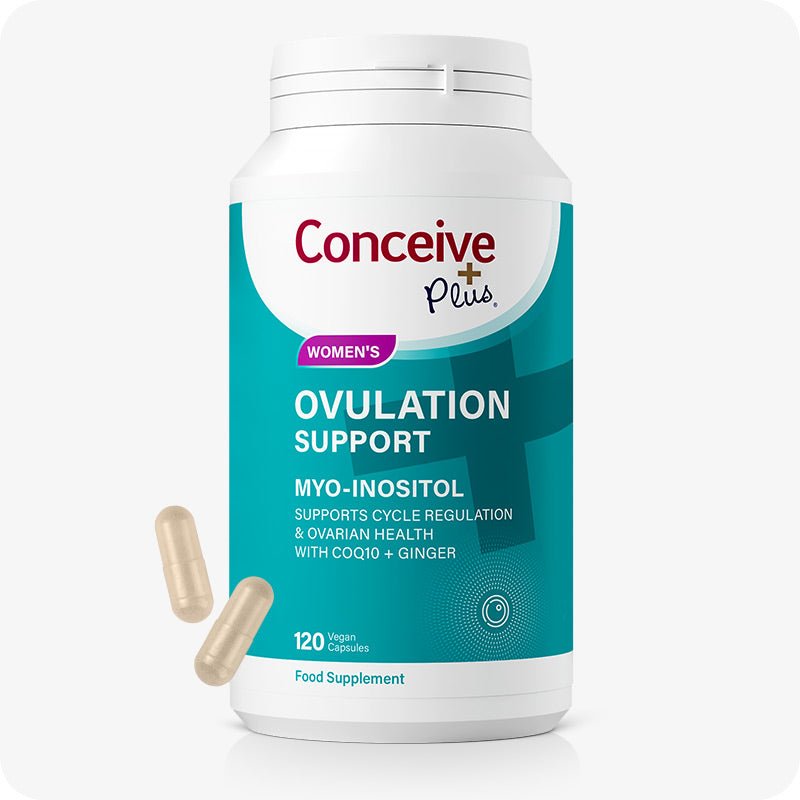
- Inositol (Myo-inositol and D-chiro-inositol): Extensively studied in PCOS. Multiple trials show that inositol supplementation improves ovulation frequency, reduces androgens, and improves hormonal profiles in women with PCOS.
- Vitamin D: Low Vitamin D is significantly associated with anovulation and PCOS severity. Optimising Vitamin D levels (aiming for 50–70 ng/mL) supports regular ovulatory cycles.
- Folate/Methylfolate: Essential for folliculogenesis and ovocyte maturation. Supplementation should begin at least 3 months before conception.
- CoQ10: Supports mitochondrial function in developing follicles, potentially improving egg quality and ovulatory function in older women.
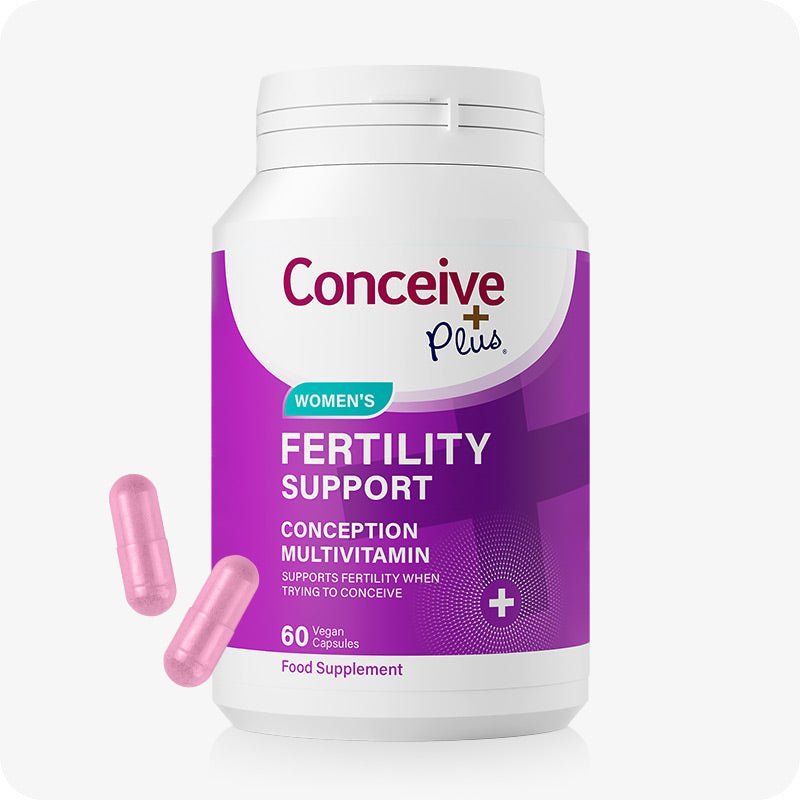
Conceive Plus Women's Fertility Support provides a comprehensive blend of ovulation-supporting nutrients including methylfolate, vitamin D3, inositol, and CoQ10 — designed for women who are actively trying to conceive.
Optimising the Fertile Window: Practical Intercourse Timing
Once you've identified your fertile window, the practical question is how to make the most of it. Research on intercourse timing offers some clear guidance:
- Every 1–2 days during the fertile window is the optimal frequency. Daily intercourse is not clearly superior to every-other-day, and waiting 2–3 days between intercourse may actually reduce sperm quality (beyond 5 days of abstinence, sperm DNA fragmentation rates increase)
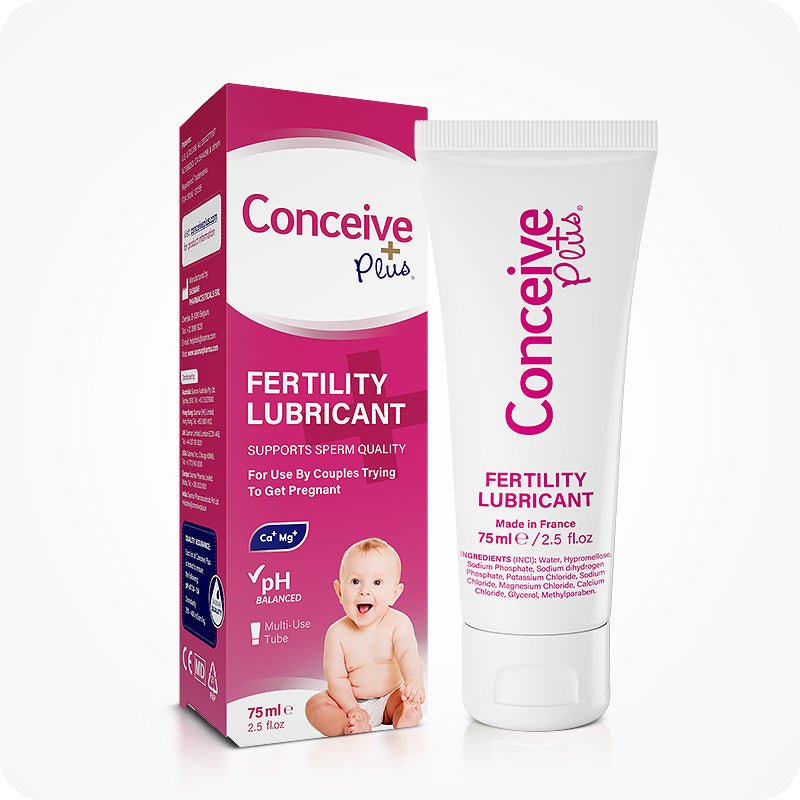
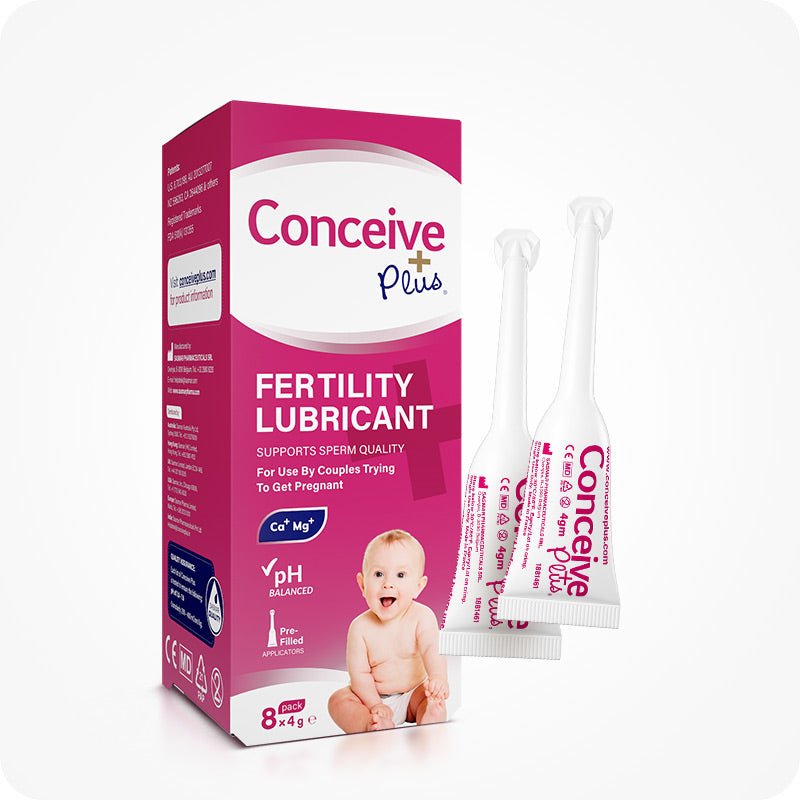
- Using a fertility-friendly lubricant is important if vaginal dryness occurs. Standard lubricants can reduce sperm motility by up to 100% — choose a product specifically formulated to be sperm-safe, such as Conceive Plus fertility lubricant, which matches semen pH and osmolality and contains calcium and magnesium ions that support sperm function
- Lifestyle factors matter: smoking, excessive alcohol, and high stress can all impair ovulation timing and regularity
When to Seek Medical Support
After 12 months of regular, well-timed intercourse without conception (6 months if over 35, or immediately if you have a known fertility-affecting condition), a medical evaluation is warranted. Your GP can perform initial tests including hormone profiling (FSH, LH, AMH, prolactin, thyroid function), a pelvic ultrasound, and a semen analysis for your partner.
Tracking data you've collected — BBT charts, OPK results, cervical mucus records — can be genuinely useful to bring to this appointment, providing your doctor with evidence about whether ovulation is occurring and how consistently.
Frequently Asked Questions About Ovulation Tracking
Q: How many days before my period does ovulation occur?
A: Ovulation typically occurs 12–16 days before the next period — not necessarily at "mid-cycle" unless your cycle is exactly 28 days. The luteal phase (ovulation to period) is relatively fixed at approximately 14 days; it's the follicular phase (period to ovulation) that varies. For a 30-day cycle, ovulation is around Day 16; for a 25-day cycle, around Day 11.
Q: Can I ovulate without a positive OPK?
A: Yes. Some women have a very brief LH surge that OPK testing at once-daily intervals misses. Testing twice daily (morning and mid-afternoon) reduces this risk. Women with PCOS may also have multiple LH peaks that don't result in ovulation, making OPKs less reliable as standalone indicators.
Q: Does ovulation always occur on the same day each cycle?
A: Not necessarily. Even in women with regular cycles, ovulation day can vary by 3–5 days from cycle to cycle. This is why actively tracking each cycle is more reliable than calculating from an "average" ovulation day.
Q: Can stress delay or prevent ovulation?
A: Yes. High psychological or physical stress can suppress GnRH release from the hypothalamus, delaying or preventing the LH surge. This is one reason why monitoring each cycle in real time is important — stress, illness, or travel can shift ovulation timing in unpredictable ways.
Q: Is cervical mucus monitoring reliable on its own?
A: The Creighton and Billings methods of cervical mucus-only fertility awareness have been studied and show reasonable efficacy for fertility planning when taught and applied correctly. However, for conception purposes, combining mucus monitoring with OPKs provides more robust identification of the fertile window.
Q: How soon after stopping hormonal contraception can I track ovulation?
A: Ovulation can return as quickly as within 2–4 weeks after stopping oral contraceptives, though it can take 2–3 months to fully regularise. For injectable contraceptives (e.g., Depo-Provera), cycles may not regularise for 6–18 months. Start tracking immediately, understanding that early cycles may be anovulatory or irregular.
Q: Does age affect ovulation quality even if cycles are regular?
A: Yes. Women over 35 may still ovulate regularly, but egg quality declines with age regardless of ovulation frequency. This is why age remains an important factor in fertility outcomes even when ovulation appears normal by tracking methods.
Q: What is the best ovulation tracking method for PCOS?
A: For PCOS, advanced fertility monitors that track both oestrogen and LH (such as Clearblue Advanced Digital or Mira) are more reliable than standard LH strips, which may produce multiple positive results due to chronically elevated or repeatedly surging LH. Cervical mucus monitoring as a complementary method is also valuable. Working with a gynaecologist or reproductive endocrinologist is advisable if ovulation is irregular.
Conclusion: Track, Time, and Support Your Fertility
Ovulation tracking gives you actionable, evidence-based information about your most fertile days — information that can make the difference between months or years of trying and a successful conception. The combination of OPK testing, BBT charting, and cervical mucus monitoring provides a comprehensive picture of your cycle that no single method alone can match.
Pair your tracking with targeted nutritional support from Conceive Plus fertility supplements, and ensure your fertile window intercourse is supported by a truly sperm-friendly lubricant. Together, these strategies create the conditions for conception success.
Support Your Fertility Journey with Conceive Plus
Clinically formulated fertility supplements trusted by couples worldwide.
Shop Conceive Plus Fertility Supplements →