Fertility Supplements in 2026: A Complete Guide to What Actually Works


Fertility Supplements in 2026: A Complete Guide to What Actually Works
The fertility supplement market has grown exponentially over the past decade, and with it, a wave of competing claims, confusing ingredient lists, and products that vary wildly in quality. If you're trying to conceive — whether naturally, through IUI, or via IVF — understanding which supplements have genuine scientific backing can help you make informed choices and avoid wasting money on products that offer little benefit.
This guide examines the evidence behind the most widely studied fertility supplements for both women and men, explains how they work, and provides practical guidance on how to use them as part of a broader fertility strategy.
Why Fertility Supplements Matter: The Science Behind Nutritional Support
Fertility is profoundly influenced by cellular health — the health of eggs, sperm, and the uterine environment in which embryos implant and grow. Many of the biological processes critical to reproduction require specific nutrients as cofactors: vitamins and minerals that either enable enzymatic reactions or protect reproductive cells from oxidative damage.
Oxidative stress — an imbalance between reactive oxygen species (free radicals) and antioxidant defences — is a key mechanism through which nutritional deficiencies and environmental exposures impair fertility. Studies have found elevated oxidative stress markers in both the follicular fluid of women with diminished ovarian reserve and in the semen of men with poor sperm parameters. Addressing this imbalance through targeted supplementation is not alternative medicine — it is evidence-informed adjunct therapy that an increasing number of reproductive endocrinologists recommend as part of comprehensive fertility care.
The challenge lies in discerning which supplements are backed by robust evidence versus those that are merely marketed aggressively. The following overview focuses on nutrients with meaningful clinical data, primarily from randomised controlled trials or well-designed observational studies published in peer-reviewed journals.
Folate (and Methylfolate): The Non-Negotiable Foundation
If there is one fertility supplement universally agreed upon by clinicians, it is folate. Essential for DNA synthesis, cell division, and the prevention of neural tube defects, folate is recommended for all women planning a pregnancy — ideally starting three months before attempting to conceive.
The standard recommendation from organisations such as Public Health England and the NHS is 400 micrograms (mcg) of folic acid daily before and during the first trimester. However, a significant proportion of the population carries variants of the MTHFR gene that impair their ability to convert synthetic folic acid into its biologically active form, 5-methyltetrahydrofolate (5-MTHF). For these individuals — estimated at 10–15% of Northern European populations — taking methylfolate directly is more effective.
Beyond preventing neural tube defects, adequate folate status is associated with improved egg quality, better embryo development, and reduced risk of miscarriage. Research published in Human Reproduction found that women with higher dietary folate intake had significantly higher rates of successful implantation in IVF cycles. This is one nutrient where the evidence is clear, consistent, and clinically meaningful.
Coenzyme Q10: Supporting Mitochondrial Energy in Eggs and Sperm
Coenzyme Q10 (CoQ10) — also known as ubiquinol in its active, reduced form — is one of the most discussed fertility supplements in reproductive medicine, and for good reason. CoQ10 is a fat-soluble antioxidant found in virtually every cell in the body, where it plays a central role in mitochondrial energy production via the electron transport chain.
Eggs (oocytes) are among the most mitochondria-rich cells in the human body, requiring enormous amounts of ATP energy to complete maturation and support early embryonic development. As women age, mitochondrial function in oocytes declines, contributing to poorer egg quality. CoQ10 supplementation has been hypothesised — and increasingly demonstrated — to support mitochondrial function and reduce oxidative damage in ageing follicles.
A landmark randomised controlled trial published in Fertility and Sterility in 2018 found that women with diminished ovarian reserve who supplemented with CoQ10 (600mg/day for 60 days prior to IVF) had significantly higher numbers of mature oocytes, higher fertilisation rates, and better embryo quality than controls. A 2020 review in the Journal of Assisted Reproduction and Genetics corroborated these findings, concluding that CoQ10 supplementation was a promising intervention for improving oocyte quality in older women and those with poor ovarian response.
For sperm, CoQ10 acts as both a structural component of the mitochondrial sheath (essential for motility) and as an antioxidant protecting against DNA fragmentation. Multiple randomised trials have demonstrated improvements in sperm concentration, motility, and morphology following CoQ10 supplementation in men with oligospermia or asthenospermia.
Ready to Support Your Fertility Journey?
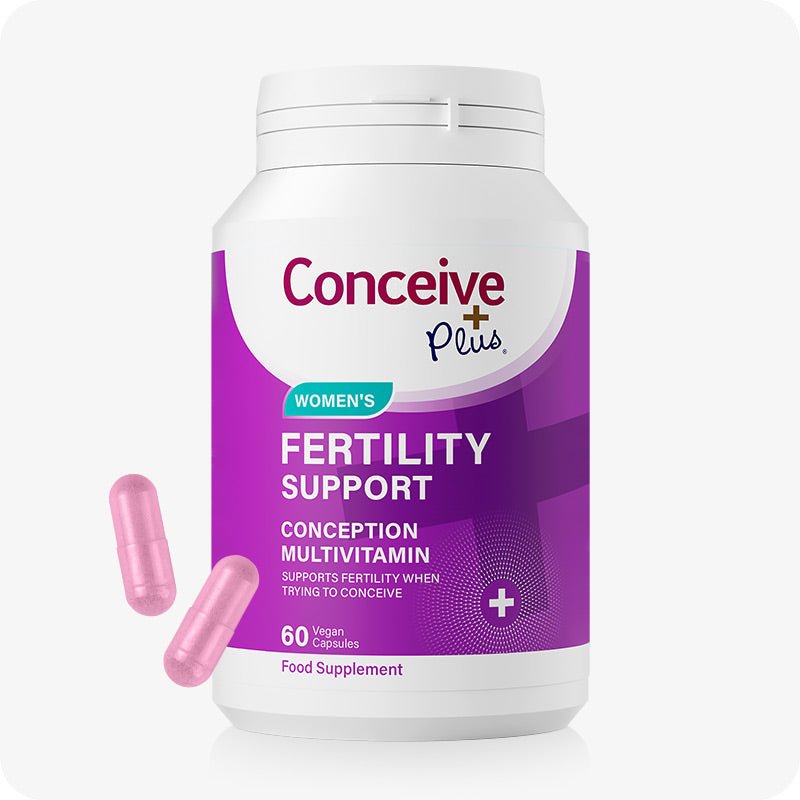
Conceive Plus Women's Fertility Support is formulated with evidence-backed nutrients including CoQ10, methylfolate, myo-inositol, and key micronutrients — designed to support egg quality, hormonal balance, and reproductive wellness for women at every stage of their fertility journey.
Explore Women's Fertility Support →Myo-Inositol: A Key Nutrient for Hormonal Balance and Egg Quality
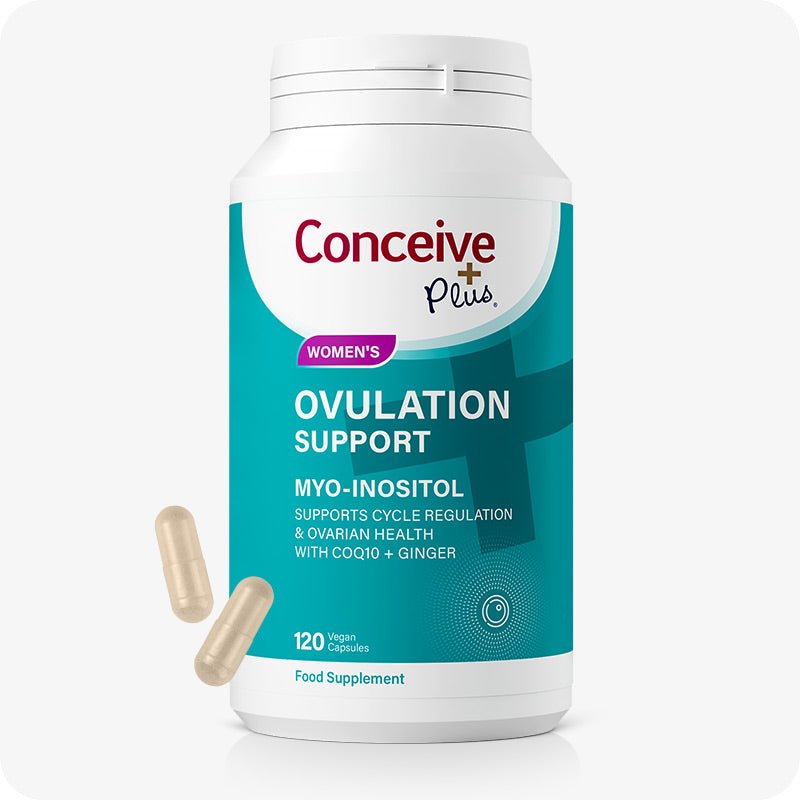
Inositol is a naturally occurring carbohydrate that functions as a secondary messenger in insulin and FSH (follicle-stimulating hormone) signalling pathways. It exists in several isomeric forms, with myo-inositol and D-chiro-inositol being most relevant to fertility.
The evidence for myo-inositol in fertility is extensive, particularly in women with polycystic ovary syndrome (PCOS). PCOS affects an estimated 10–15% of women of reproductive age and is a leading cause of anovulatory infertility. Insulin resistance, a hallmark of many PCOS presentations, disrupts the ovarian environment and impairs follicular development. Myo-inositol improves insulin sensitivity within the ovary and supports more physiological FSH signalling, resulting in more regular ovulation and better egg quality.
A 2019 Cochrane-reviewed meta-analysis examining inositol use in women with PCOS found that myo-inositol supplementation significantly increased rates of ovulation and clinical pregnancy compared to placebo. Additionally, research in women undergoing IVF (with and without PCOS) has demonstrated that myo-inositol supplementation is associated with fewer oocytes needed per cycle, improved embryo quality, and better ongoing pregnancy rates.
The recommended dose from clinical trials is typically 2–4 grams of myo-inositol per day, often combined with 400mcg of methylfolate. The combination appears synergistic — myo-inositol supports follicular FSH sensitivity while folate supports the DNA integrity of the egg.
Vitamin D: A Reproductive Hormone in Disguise
Despite being classified as a vitamin, vitamin D functions more like a hormone — and its influence on reproductive health is far broader than most people realise. Vitamin D receptors are found throughout the female reproductive tract, including on ovarian follicles, the endometrium, and the fallopian tubes.
Vitamin D deficiency is extremely common in the United Kingdom, where limited sunlight exposure — particularly during autumn and winter — leaves an estimated 1 in 5 adults with insufficient levels. This is clinically significant because research consistently links low vitamin D status with poorer fertility outcomes.
A 2019 systematic review and meta-analysis published in Human Reproduction Update found that vitamin D-sufficient women had significantly higher clinical pregnancy rates in IVF (65.1% versus 48.8%) compared to vitamin D-deficient women. Another study in Fertility and Sterility found that adequate vitamin D levels were associated with better endometrial receptivity — a critical factor for successful implantation.
For men, vitamin D plays a role in testosterone synthesis and sperm motility. A 2011 study published in Human Reproduction found that men with sufficient vitamin D had significantly better sperm motility than those who were deficient.
Testing your vitamin D level (25-OH vitamin D blood test) before supplementing allows you to dose appropriately. Most fertility specialists recommend maintaining serum levels of 40–60 ng/mL. Supplementation is generally in the range of 1,000–4,000 IU daily, depending on baseline levels and absorption.
Omega-3 Fatty Acids: Anti-Inflammatory Support for the Reproductive System
Omega-3 fatty acids — particularly EPA (eicosapentaenoic acid) and DHA (docosahexaenoic acid) — are essential polyunsaturated fats with well-documented anti-inflammatory properties. Their role in fertility is multifaceted.
In women, omega-3s support the synthesis of prostaglandins that regulate ovulation and uterine receptivity. A diet rich in omega-3s has been associated with improved menstrual regularity, reduced menstrual pain (which can be a marker of prostaglandin imbalance), and better embryo quality in IVF. DHA is a critical structural component of the cell membranes of eggs and early embryos.
A study published in the Journal of Clinical Endocrinology and Metabolism found that women who consumed the most omega-3 fatty acids had a 22% higher probability of live birth after ART (assisted reproductive technology) than those with the lowest intake. In men, omega-3 supplementation has been shown to increase DHA content in sperm cell membranes — associated with improved sperm morphology and the ability of sperm to penetrate the egg.
The British Dietetic Association recommends two portions of oily fish per week (such as salmon, mackerel, or sardines) for adults of reproductive age. For those who don't consume sufficient oily fish, a high-quality omega-3 supplement (1,000–2,000mg EPA+DHA per day) is a well-tolerated and effective alternative.
Zinc, Selenium, and Other Micronutrients for Male Fertility
Male fertility supplementation is often overlooked in fertility discussions, yet approximately 40–50% of infertility cases involve a male factor. Several micronutrients have direct relevance to sperm health:
Zinc: Zinc is the most abundant mineral in sperm and is required for testosterone synthesis, sperm maturation, and the integrity of the sperm's genetic material. Zinc deficiency is associated with reduced sperm count, impaired motility, and abnormal morphology. Supplementation in zinc-deficient men has been shown to improve all three parameters. The recommended intake is 11mg/day; supplemental doses in fertility trials typically range from 15–66mg.
Selenium: Selenium is incorporated into selenoproteins within sperm, including glutathione peroxidase — a major antioxidant enzyme protecting sperm from oxidative damage. A randomised trial published in BJU International found that selenium supplementation (200mcg/day) for three months significantly improved sperm motility in men with asthenospermia.
Vitamin E: As a fat-soluble antioxidant, vitamin E protects sperm cell membranes from lipid peroxidation. Combined with selenium, it has demonstrated synergistic benefits in improving sperm quality. Multiple studies have found improved motility and reduced DNA fragmentation with combined vitamin E and selenium supplementation.
L-Carnitine: L-carnitine and acetyl-L-carnitine are essential for fatty acid metabolism within sperm mitochondria and are found in high concentrations in epididymal fluid. Clinical trials have demonstrated improvements in sperm concentration and motility with carnitine supplementation, particularly in men with oligospermia.
Frequently Asked Questions About Fertility Supplements
When should I start taking fertility supplements?
Ideally, three months before you plan to start trying to conceive. This is because egg maturation takes approximately 90 days (three months), so supplements taken today won't influence the eggs being released today — they'll impact those recruited three months from now. Similarly, the sperm maturation cycle is approximately 74 days, so men should also begin supplementation at least 3 months before conception attempts.
Can I take too many fertility supplements?
Yes — more is not always better. Fat-soluble vitamins (A, D, E, K) can accumulate to toxic levels if over-supplemented. Excessive vitamin A is particularly concerning in pregnancy, as it is teratogenic. Always choose a reputable supplement brand with appropriate dosages, and discuss your supplement plan with your GP or fertility specialist before proceeding.
Do fertility supplements interact with medications?
Some supplements do interact with medications. For example, high-dose vitamin E may interact with blood thinners; CoQ10 may have interactions with warfarin; and certain herbal supplements (like agnus castus) may interfere with fertility medications. Always disclose your supplement use to your healthcare provider.
Should my partner also take fertility supplements?
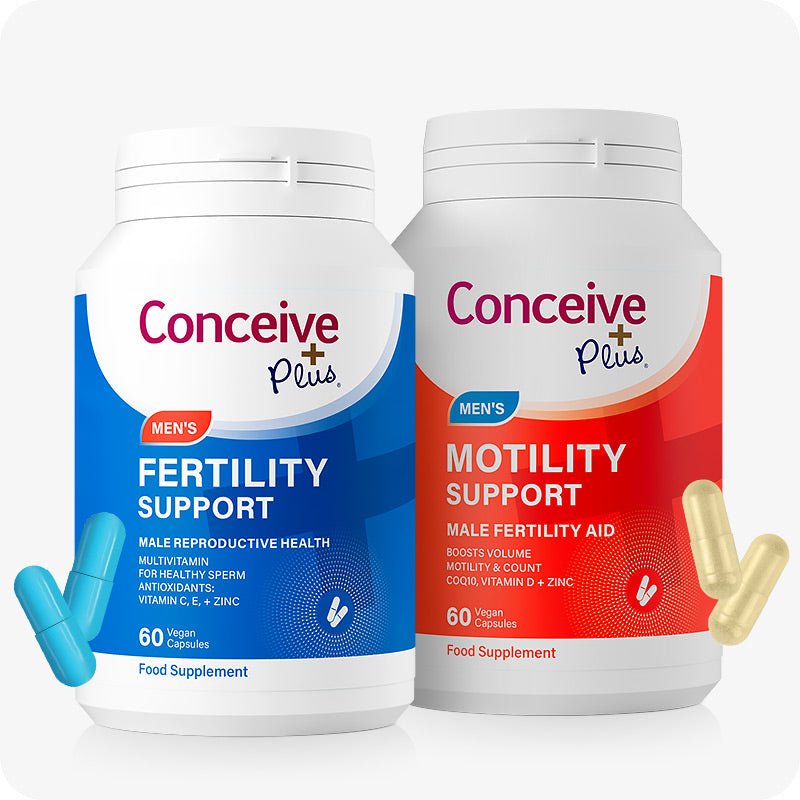
Absolutely. Male factor infertility is involved in nearly half of all cases, and sperm quality can improve meaningfully with appropriate nutritional support. A men's fertility supplement providing antioxidants, zinc, selenium, CoQ10, and vitamin D is a sensible starting point for any male partner.
Are fertility supplements regulated in the UK?
Fertility supplements sold in the UK are regulated as food supplements under the Food Standards Agency. They are not required to undergo clinical trials for efficacy (unlike medicines), which is why choosing products from reputable brands that formulate based on clinical evidence is important. Look for products with clear ingredient listings, appropriate dosages, and manufactured to GMP standards.
How long do fertility supplements take to work?
Given the three-month egg and sperm maturation cycles, most fertility specialists recommend supplementing for at least three months before expecting changes in fertility outcomes. Patience is essential — short-term supplementation is unlikely to produce the full benefit seen in clinical trials.
Is CoQ10 or ubiquinol better for fertility?
Ubiquinol is the active, reduced form of CoQ10 and is more bioavailable — meaning it is absorbed more efficiently from the gut. For women over 35 or those with compromised absorption, ubiquinol is generally preferred. For younger women with good digestive health, standard CoQ10 (ubiquinone) is often adequate at appropriate doses.
Can prenatal vitamins replace targeted fertility supplements?
Prenatal vitamins provide an important nutritional foundation — covering folate, iron, iodine, vitamin D, and B vitamins — but they generally don't contain therapeutic doses of CoQ10, inositol, or antioxidants. Many women who are actively trying to conceive, particularly those over 35 or with identified fertility challenges, benefit from a targeted fertility supplement in addition to a prenatal vitamin.
What supplements help with implantation?
Nutrients associated with endometrial receptivity and implantation support include vitamin D, omega-3 fatty acids, vitamin E, and inositol. Some research also supports the role of L-arginine (which supports blood flow to the uterus) and progesterone-supporting nutrients in the luteal phase. However, specific supplementation for implantation should ideally be guided by a fertility specialist based on your individual assessment.
Are there supplements I should avoid when trying to conceive?
Yes. Herbal supplements such as agnus castus (vitex), high-dose liquorice root, and herbs traditionally used for their emmenagogue (menstruation-inducing) properties should be approached with caution during conception attempts. High-dose vitamin A (retinol form, not beta-carotene) should be avoided. Always disclose all supplements to your GP or fertility specialist.
Ready to Support Your Fertility Journey?
Conceive Plus Women's Fertility Support is designed with clinical precision — bringing together the key nutrients your reproductive health depends on, in forms and doses supported by the latest research. Trusted by women across the UK who are taking a proactive approach to their fertility journey.
Explore Women's Fertility Support →