Get pregnant by getting a job!


You could increase your chances to get pregnant by... getting a job! A US study matched 140 million female birth records with unemployment rates and found that the negative effects of unemployment on fertility increase over time.
Scientists have been researching the relationship between fertility and unemployment for more than a century.

✨ Trying to Conceive?
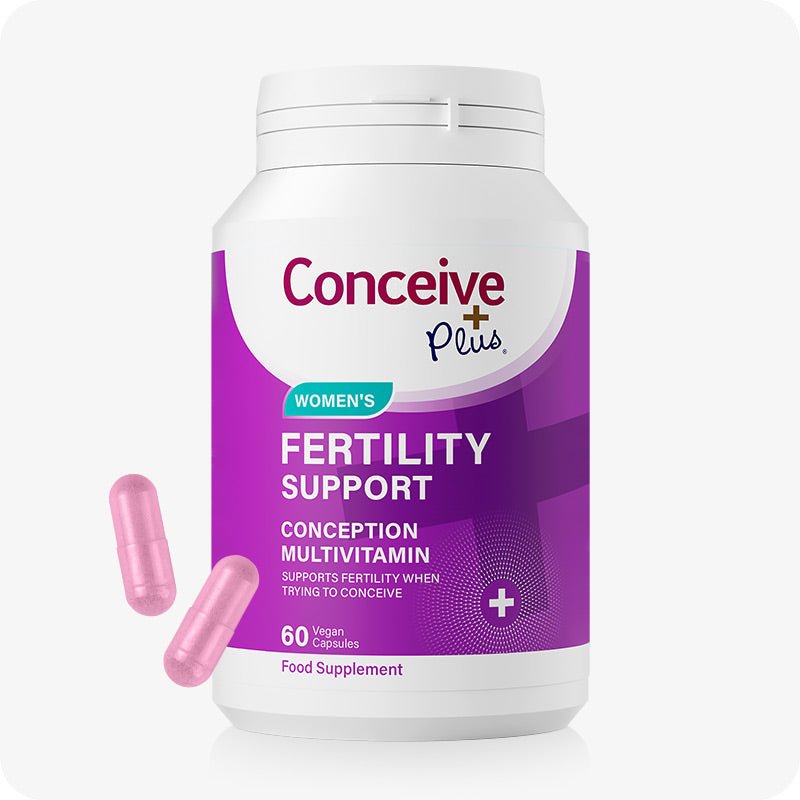
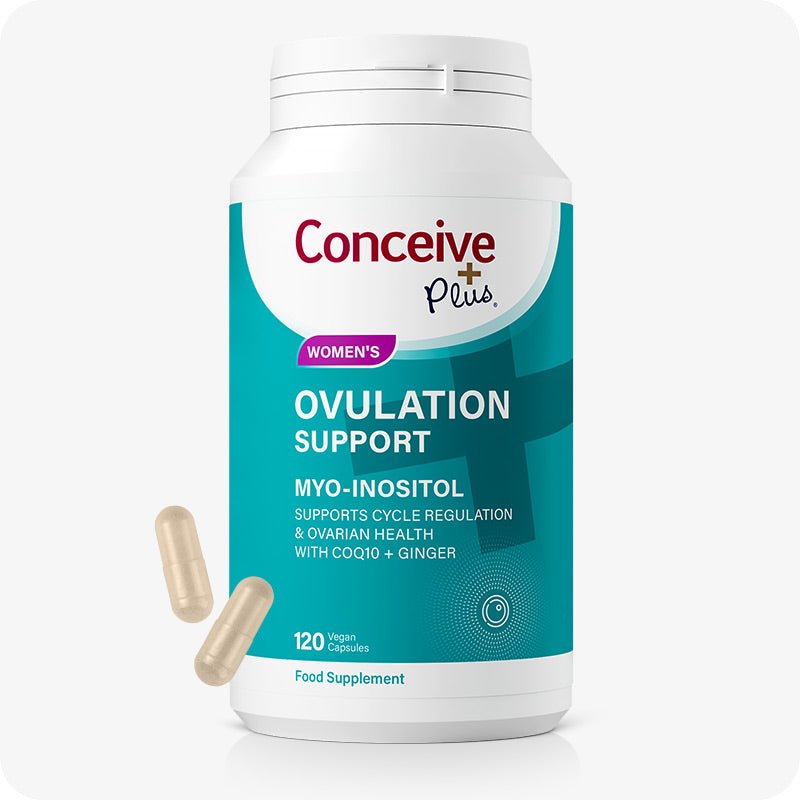
Our fertility supplements combine Myo-Inositol with essential vitamins to support healthy hormone balance and regular ovulation.
Shop Now — $36.00✓ Free shipping available | ✓ Trusted by millions of couples worldwide
Most studies find that fertility falls with unemployment in the short run but it is not known whether these negative effects persist because women simply may postpone childbearing to better economic times. The study suggests that women are more likely to get pregnant when they have a stable job.
Using more than 140 million US birth records for the period 1975–2010, the new study analyses both the short and long-run effects of unemployment on fertility.
“We find that women in their early 20s are most affected by high unemployment rates in the short run and that the negative effects on fertility grow over time,” the researchers say. “A one percentage point increase in the average unemployment rate experienced between the ages of 20 and 24 reduces the short-run fertility of women in this age range by six conceptions per 1,000 women.” The study by Janet Currie at Princeton University and colleagues is published in the journal PNAS.🌱 Support Your Fertility Journey
Conceive Plus fertility supplements are clinically formulated to help regulate your cycle and support egg quality.
Shop Fertility Support →Frequently Asked Questions
Recommended by Fertility Experts
Conceive Plus PCOS Range
A targeted nutritional approach to support hormonal balance and reproductive health for women with PCOS.
Shop Now →Can stress from unemployment affect my chances of getting pregnant?
Yes, research suggests that the financial and emotional stress associated with unemployment can impact fertility. Stress can affect hormone levels and ovulation patterns, making conception more difficult. The NHS recognises that reducing stress is an important factor when trying to conceive, so seeking support during periods of unemployment may help your fertility journey.
Does having a stable job really improve fertility?
Studies indicate that job stability can positively influence fertility rates, likely due to reduced financial stress and better access to healthcare. Women in stable employment may feel more confident about timing their pregnancies and have more resources to support a healthy lifestyle whilst TTC. However, fertility is influenced by many factors, so employment is just one piece of the puzzle.
How long should I try to conceive before seeing my GP?
According to NICE guidelines, if you're under 35 and have been trying to conceive for 12 months without success, you should speak to your GP. If you're over 35, it's recommended to seek advice after 6 months of trying. Remember, around 1 in 7 UK couples experience fertility issues, so don't hesitate to ask for help.
Will being unemployed affect my eligibility for NHS fertility treatment?
Your employment status shouldn't directly affect your eligibility for NHS-funded fertility treatment. However, funding criteria vary between Integrated Care Boards (formerly CCGs), and some areas have waiting lists or specific requirements. It's worth checking with yo
What age group is most affected by unemployment when trying to conceive?
Research shows that women in their early 20s are most affected by high unemployment rates when it comes to fertility. The study found that unemployment during ages 20-24 had the greatest impact on conception rates, and these effects can persist over time rather than simply delaying pregnancy to better economic circumstances.
Are there lifestyle changes I can make to boost fertility whilst job hunting?
Yes, maintaining a healthy lifestyle can support your fertility regardless of employment status. The NHS recommends taking folic acid supplements, maintaining a healthy weight, limiting alcohol, and stopping smoking. Fertility supplements containing ingredients like myo-inositol may also help support hormone balance and regular ovulation whilst you're TTC.
Where can I get free fertility advice in the UK?
Your GP is the first point of contact for fertility concerns and can refer you to an NHS fertility specialist if needed. The NHS website and HFEA (Human Fertilisation and Embryology Authority) offer comprehensive free information about fertility treatments and what to expect. Many fertility charities, such as Fertility Network UK, also provide free support and advice for those struggling to conceive.
Trusted by Couples in Over 70 Countries
Take Control of Your Reproductive Health With PCOS
Living with PCOS presents unique challenges on the path to conception. Conceive Plus PCOS range is formulated with key nutrients to help support hormonal balance and a healthy cycle, empowering you on your fertility journey.
Explore the PCOS Range →