How to Prepare for IVF: A Complete Guide to Optimising Your Body and Mind


The decision to pursue IVF (in vitro fertilisation) is rarely taken lightly. It represents both hope and uncertainty — a significant emotional, physical, and financial undertaking. Yet the preparation phase before you even begin stimulation injections is one of the most impactful things you can do to maximise your chances of success.
Research consistently shows that the health of both partners in the 3–4 months before IVF retrieval matters enormously. This is because the eggs and sperm used in IVF mature over roughly 90 days — meaning that what you do today directly affects the genetic material available at retrieval.
This guide covers every dimension of IVF preparation: physical optimisation, nutrition, supplementation, mental health, and what to expect at each stage of the process.
Understanding the IVF Process
Before diving into preparation, it helps to understand what IVF actually involves. A full IVF cycle typically includes:
- Ovarian stimulation: Daily hormone injections (gonadotrophins) for 8–14 days to stimulate multiple follicle development
- Monitoring: Frequent ultrasounds and blood tests to track follicle growth and oestrogen levels
- Trigger shot: An hCG injection to trigger final egg maturation
- Egg retrieval: A minor surgical procedure under sedation to collect mature eggs
- Fertilisation: Eggs are fertilised in the laboratory using partner or donor sperm (via conventional IVF or ICSI)
- Embryo culture: Embryos develop in the lab for 3–5 days (to blastocyst stage)
- Transfer or freeze: One or more embryos transferred to the uterus, or all frozen for future cycles
- Luteal support and two-week wait: Progesterone support and waiting for a pregnancy test
Success rates vary significantly by age: the NHS reports live birth rates of approximately 29% per cycle for women under 35, declining to around 2% for women over 44 using their own eggs. However, individual clinic protocols, embryo quality, and preparatory health all significantly influence outcomes.
The 90-Day Pre-IVF Window: Why It Matters
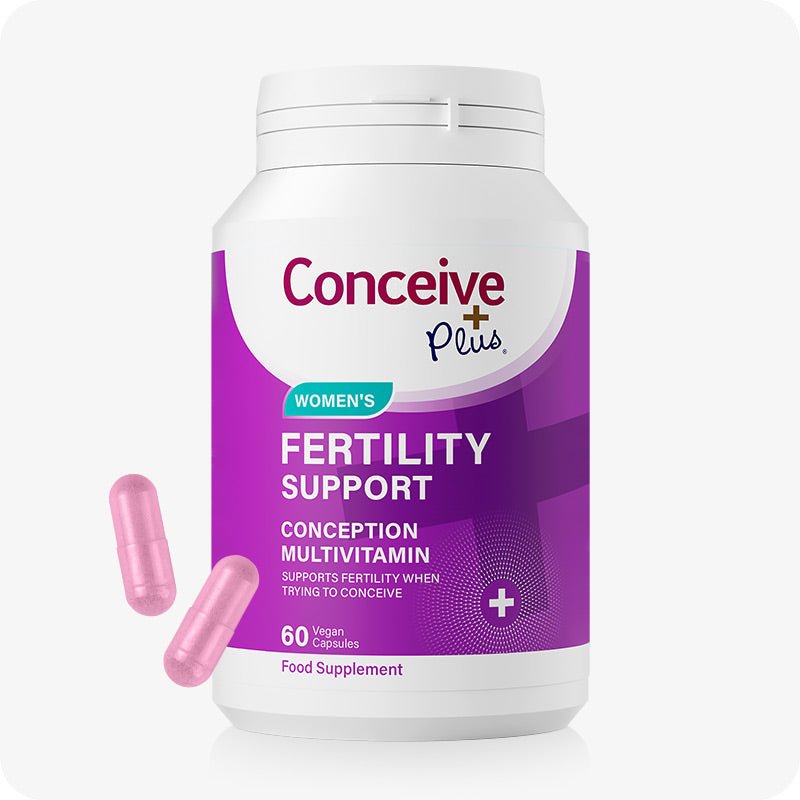
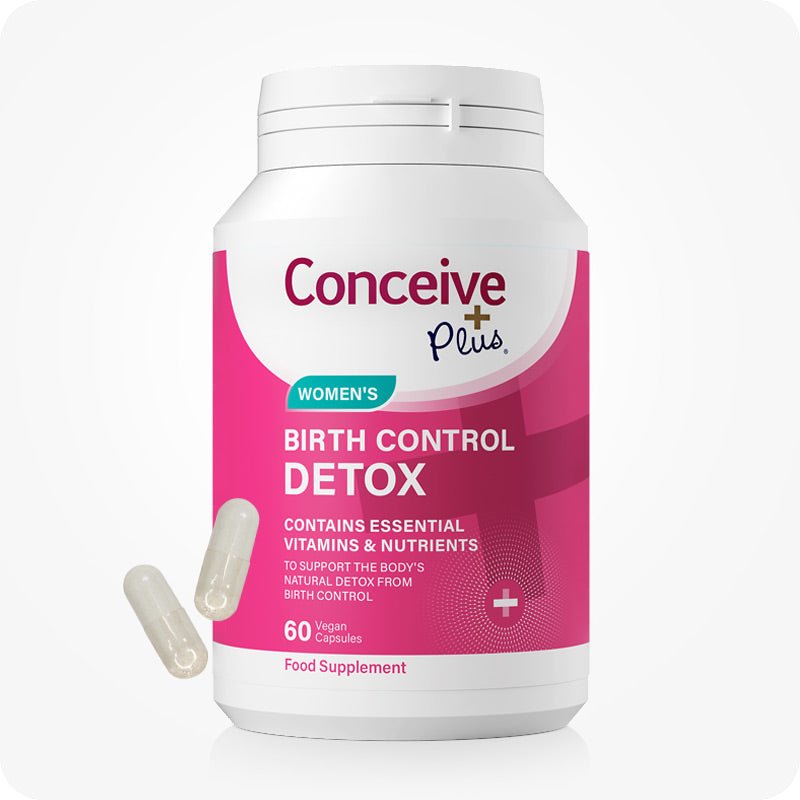
The 90-day preparation window matters. Conceive Plus Women's Fertility Support contains CoQ10, methylfolate, myo-inositol, and key micronutrients to support egg quality and hormonal balance in the critical months before IVF.
Oogenesis (egg development) takes approximately 90 days from primordial follicle to mature egg. During this period, the developing oocyte is particularly susceptible to environmental and nutritional influences. Similarly, sperm regeneration cycles are approximately 72–90 days.
This means that if you begin your IVF cycle in October, the eggs retrieved were already developing in July. Optimising your health in the 3 months before stimulation begins is therefore one of the highest-leverage things you can do.
Key areas to focus on during this window include: antioxidant status, mitochondrial function, inflammatory load, micronutrient levels, and body composition.
Nutrition for IVF Success
Research on diet and IVF outcomes consistently points toward Mediterranean-style eating patterns as being most beneficial. A 2018 study in Human Reproduction found that women who closely followed a Mediterranean diet in the 6 months before IVF had a 65–68% higher probability of achieving clinical pregnancy and live birth.
Key nutritional principles for IVF:
- Prioritise antioxidants: Berries, dark leafy greens, colourful vegetables, and nuts are rich in antioxidants that protect egg and sperm DNA from oxidative damage
- Healthy fats: Olive oil, avocado, fatty fish, and walnuts support oocyte quality and reduce inflammation
- Adequate protein: Both animal and plant proteins support hormone production and embryo development
- Complex carbohydrates: Legumes, whole grains, and sweet potatoes maintain stable blood sugar, which is important for hormonal regulation
- Minimise ultra-processed foods: These drive inflammation and have been associated with poorer IVF outcomes
- Reduce alcohol and caffeine: Even moderate alcohol consumption is associated with reduced IVF success; limit caffeine to under 200mg/day
For male partners: Diet matters for sperm quality too. Zinc-rich foods (oysters, pumpkin seeds), lycopene (tomatoes, watermelon), omega-3s (salmon, sardines), and antioxidant-rich vegetables all support sperm DNA integrity and motility.
Essential Supplements Before IVF
Targeted supplementation can help address nutritional gaps and provide specific support for egg and sperm quality during the 90-day pre-IVF window.
For women:
- Folate (or methylfolate): Essential before and during pregnancy. Women with MTHFR gene variants should use methylfolate rather than folic acid
- Coenzyme Q10 (CoQ10): A powerful mitochondrial antioxidant. Multiple studies show CoQ10 supplementation improves ovarian response and embryo quality, particularly in women over 35. Typical doses range from 200–600mg daily
- DHEA: Often recommended for women with diminished ovarian reserve; some clinics prescribe this for 3 months before IVF. Requires medical supervision
- Vitamin D: Deficiency is highly prevalent and associated with poorer IVF outcomes. Aim for optimal levels (50–80 nmol/L); supplement as needed based on blood tests
- Omega-3 fatty acids: Anti-inflammatory and support oocyte quality
- Iron and B12: Check levels before starting; deficiencies can affect endometrial receptivity
For men:
- CoQ10: 200–300mg daily improves sperm motility and DNA integrity
- Zinc and Selenium: Essential for sperm production and protecting sperm from oxidative damage
- L-carnitine: Supports sperm motility and energy metabolism
- Vitamin E and C: Antioxidants that reduce sperm DNA fragmentation
Body Weight and IVF Outcomes
Body composition has a significant impact on IVF success. Both underweight and overweight status affect hormone levels and cycle outcomes.
Research published in Fertility and Sterility found that women with a BMI above 30 have significantly lower clinical pregnancy rates per cycle, higher miscarriage rates, and require higher doses of stimulation medication. Being significantly underweight (BMI below 18.5) is also associated with poorer outcomes due to insufficient oestrogen production and hypothalamic disruption.
If you're outside the optimal BMI range of 19–29, working with your doctor and a registered dietitian to address this in the months before IVF can meaningfully improve your prognosis. Even modest weight loss of 5–10% in overweight women has been shown to restore ovulation and improve IVF success rates.
Mental Health and Emotional Preparation
IVF is one of the most emotionally demanding experiences a person or couple can go through. The statistics are sobering: even with the best conditions, IVF does not succeed more often than it fails. Understanding this — and building robust emotional support systems — is a critical part of preparation that many people overlook until they're already in the thick of it.
Practical steps for emotional resilience:
- Connect with a fertility counsellor or therapist before starting. Many fertility clinics have in-house psychologists
- Join a fertility support group — the Fertility Network, Resolve (US), and Fertility Friends (UK) all offer community and peer support
- Have honest conversations with your partner about how you'll handle various outcomes, including failed cycles or difficult decisions about embryos
- Set boundaries around who you share your IVF journey with — unsolicited advice and intrusive questions can be emotionally exhausting
- Practice stress management techniques: yoga, meditation, journaling, and regular exercise all have evidence behind them for IVF patients
A 2011 meta-analysis in the British Medical Journal found that psychological interventions (including counselling and mind-body programmes) were associated with significantly higher pregnancy rates in women undergoing IVF. The mind-body connection, while not a "cure," is a genuine factor in outcomes.
Lifestyle Adjustments for Both Partners
Beyond nutrition, several lifestyle factors directly impact IVF success:
Stop smoking immediately: Smoking has one of the most damaging effects on fertility of any modifiable lifestyle factor. Women who smoke require significantly higher gonadotrophin doses, produce fewer eggs, have lower fertilisation rates, and have substantially higher miscarriage rates. Sperm from men who smoke shows increased DNA fragmentation. If you smoke, stopping is the single most impactful thing you can do.
Minimise alcohol: Even moderate drinking has been associated with reduced IVF success in multiple studies. Ideally, both partners should abstain completely during the pre-IVF preparation period and throughout a cycle.
Exercise moderately: Moderate aerobic exercise (30 minutes, 5x per week) is beneficial. However, very high-intensity exercise can disrupt hypothalamic function in women. During stimulation, avoid anything that causes abdominal impact or falls, as the ovaries become enlarged and tender.
Manage heat exposure for men: Avoid hot tubs, saunas, and prolonged laptop use on the lap during the 90-day pre-retrieval period. Even slight testicular heat elevation impairs sperm production.
Review medications and supplements: Some over-the-counter medications, herbal supplements, and prescription drugs can interfere with fertility treatments. Always disclose everything you take to your fertility team.
FAQ: Your IVF Preparation Questions Answered
How early should I start preparing for IVF?
Ideally, start optimising your health at least 3 months before your planned retrieval date. This allows a full egg and sperm development cycle to benefit from your lifestyle changes. If you can begin 6 months out, even better.
Does acupuncture improve IVF outcomes?
The evidence is mixed. Some studies show modest improvements in implantation rates with acupuncture performed around transfer day; others show no significant effect. A 2018 Cochrane review found inconclusive evidence overall. That said, many women find acupuncture genuinely helpful for managing IVF-related stress and anxiety, which has its own value.
Should I do a mock transfer or ERA test before IVF?
An endometrial receptivity analysis (ERA) tests whether your uterine lining is receptive at the standard time of embryo transfer. Some clinics recommend it for women who've had previous failed transfers with good-quality embryos. It's not routinely recommended for first cycles.
What is embryo grading and does it predict success?
Embryos are graded based on cell number, division rate, and morphology. Higher-grade embryos (e.g., 5AA blastocysts) have better implantation rates, but lower-grade embryos can and do result in successful pregnancies. Grading is one tool among many; even less-than-perfect-looking embryos can produce healthy babies.
Can I work during an IVF cycle?
Most people continue working during IVF, though you'll need flexibility for frequent clinic appointments (often early morning). During stimulation, you may experience bloating, fatigue, and mood changes. After retrieval, most doctors recommend 1–2 days of rest. Transfer day itself is usually quick, though some people prefer a day off.
What happens to unused embryos?
Surplus embryos can be frozen (cryopreserved) for future transfers, donated to other patients, donated to research, or discarded. These decisions require careful thought and are a significant emotional consideration for many couples. Your clinic will guide you through the consent process.
Is PGT (preimplantation genetic testing) worth it?
PGT-A (aneuploidy screening) tests embryos for chromosomal abnormalities before transfer. Evidence suggests it can improve per-transfer success rates by identifying which embryos are chromosomally normal. However, it also means some embryos won't be transferred. It's particularly recommended for women over 38, those with recurrent miscarriage, or couples with known genetic conditions.
How many cycles should I expect to need?
Success is highly age-dependent. For women under 35, cumulative success rates over 3 cycles approach 50–65%. However, there's no set number that guarantees success. Many clinics discuss "cumulative success rates" over multiple cycles rather than per-cycle rates, which are more clinically meaningful for patients.
Will IVF medications affect my long-term health?
Decades of data have not established a link between IVF medications and long-term cancer risk. However, ovarian hyperstimulation syndrome (OHSS) is a real short-term risk, particularly in women with PCOS or high ovarian reserve. Modern protocols minimise this risk considerably.
Is there anything I should do to prepare my uterine lining?
A well-vascularised endometrium of 7–8mm or thicker is considered optimal for implantation. Uterine blood flow can be supported by moderate exercise, staying well hydrated, avoiding extreme cold (according to some practitioners), and in some cases, vaginal sildenafil. Your clinic will monitor lining thickness via ultrasound.
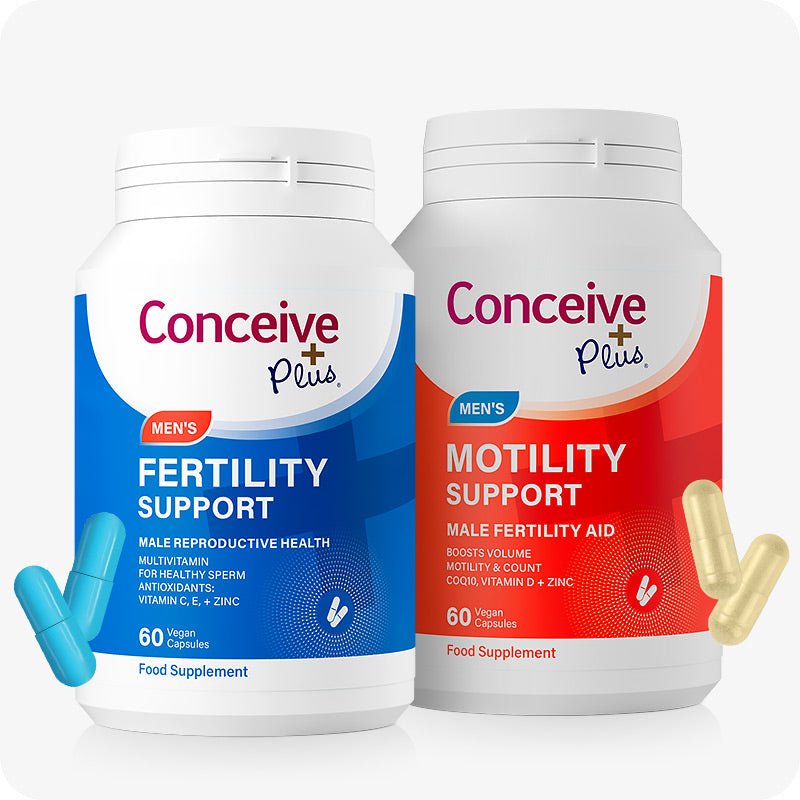
His preparation counts too. Conceive Plus Men's Fertility Support delivers CoQ10, zinc, selenium, and L-carnitine to support sperm DNA integrity and motility — critical for ICSI and IVF success.