PCOS and Fertility: A Complete Evidence-Based Guide for 2026


PCOS and Fertility: A Complete Evidence-Based Guide for 2026
Polycystic ovary syndrome (PCOS) affects approximately 1 in 10 women of reproductive age — making it the most common hormonal disorder in women and the single leading cause of anovulatory infertility. Yet despite its prevalence, PCOS remains poorly understood by many of those diagnosed, and the path from diagnosis to pregnancy can feel bewildering.
The good news: PCOS is one of the most treatable causes of infertility. With the right combination of lifestyle intervention, nutritional optimisation, and medical support, the vast majority of women with PCOS are able to conceive — many without needing invasive treatments at all.
What Is PCOS? Understanding the Diagnosis
PCOS is diagnosed using the Rotterdam criteria, which require at least 2 of the following 3 features:
- Oligo- or anovulation: Irregular or absent periods (cycles longer than 35 days, or fewer than 8 periods per year)
- Clinical or biochemical hyperandrogenism: Elevated androgens (testosterone, free androgen index, DHEAS) or clinical signs such as hirsutism, acne, or female pattern hair loss
- Polycystic ovarian morphology: ≥20 follicles per ovary on ultrasound, or ovarian volume >10 mL
Importantly, you can have PCOS without polycystic ovaries on ultrasound — and you can have polycystic-appearing ovaries without having PCOS. The diagnosis is clinical and requires excluding other conditions that mimic PCOS (thyroid disorders, hyperprolactinaemia, congenital adrenal hyperplasia).
PCOS exists on a spectrum and presents differently in different women. Some women have predominantly androgen excess (hirsutism, acne), others have predominantly metabolic features (insulin resistance, weight gain), and others present primarily with irregular cycles and anovulation with minimal other symptoms.
How PCOS Affects Fertility: The Hormonal Cascade
Supporting Your Fertility Journey
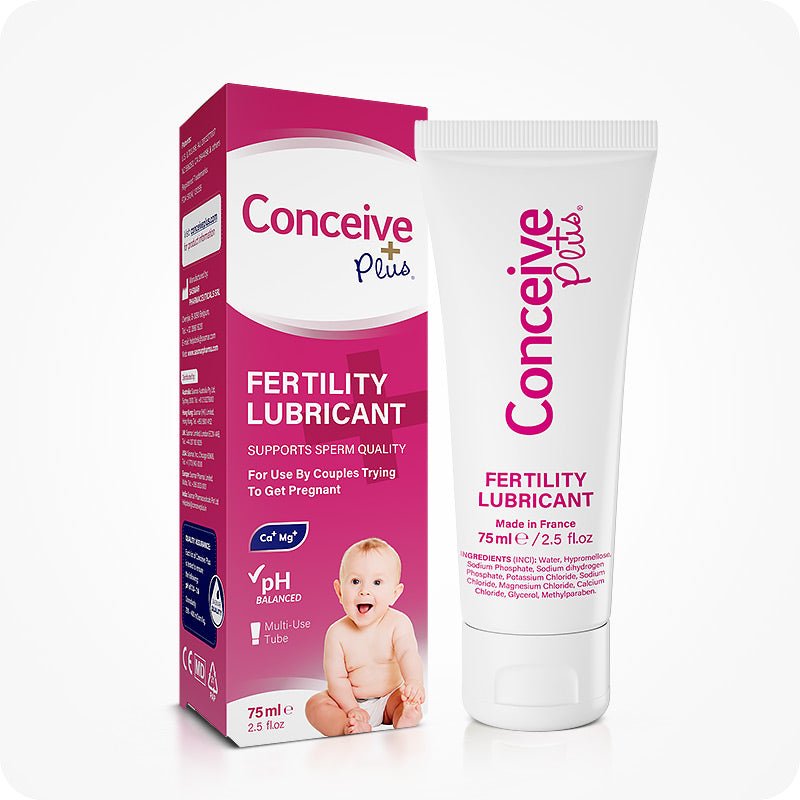
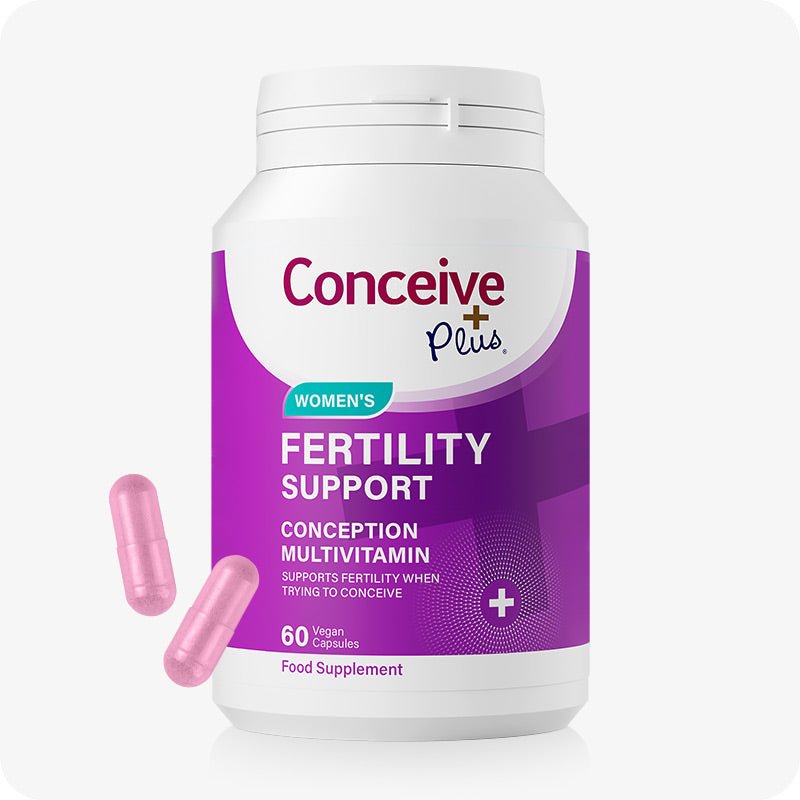
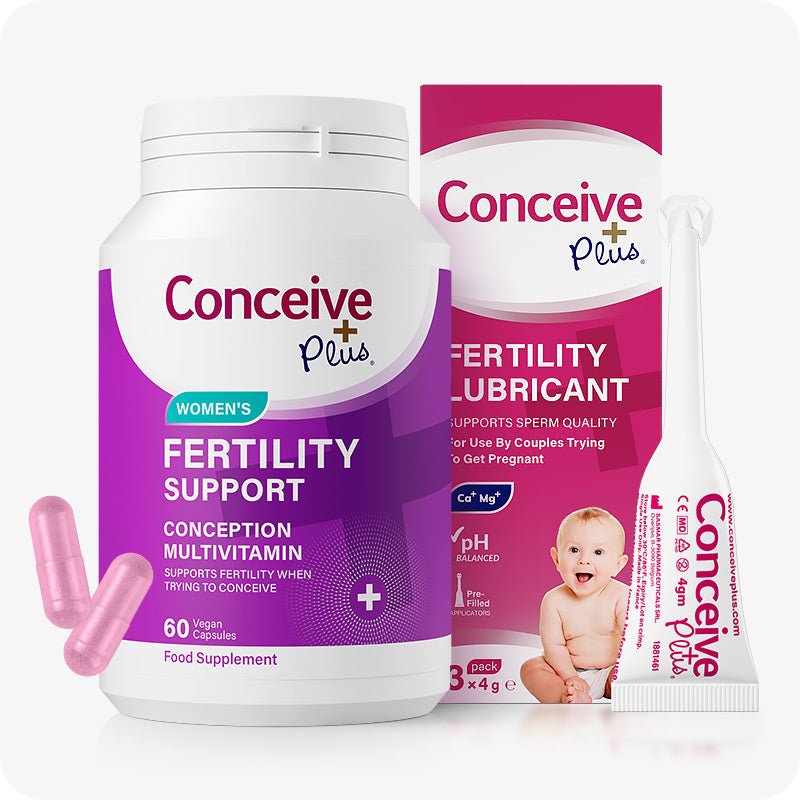
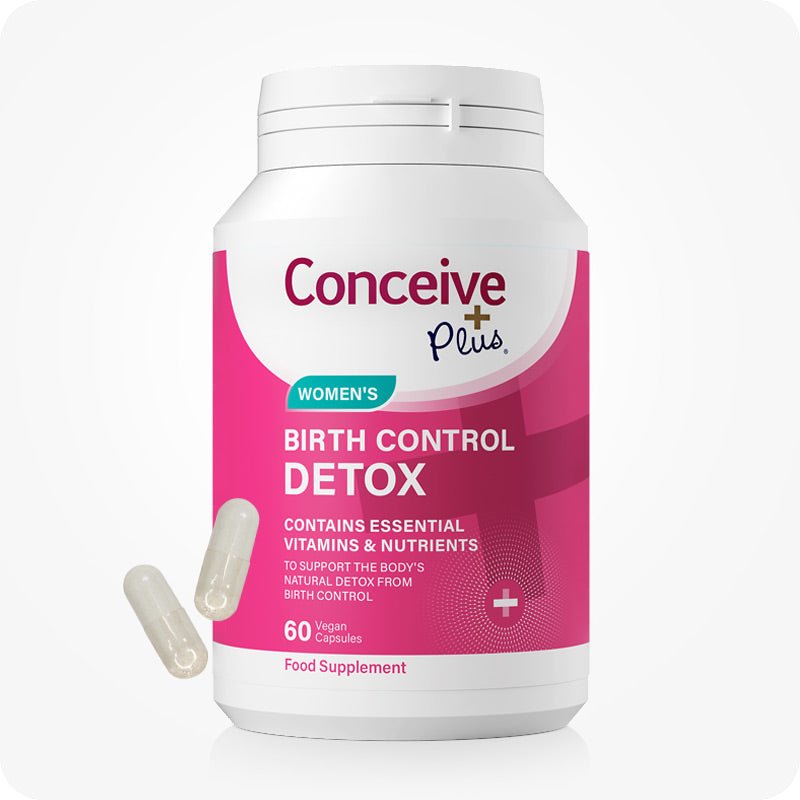
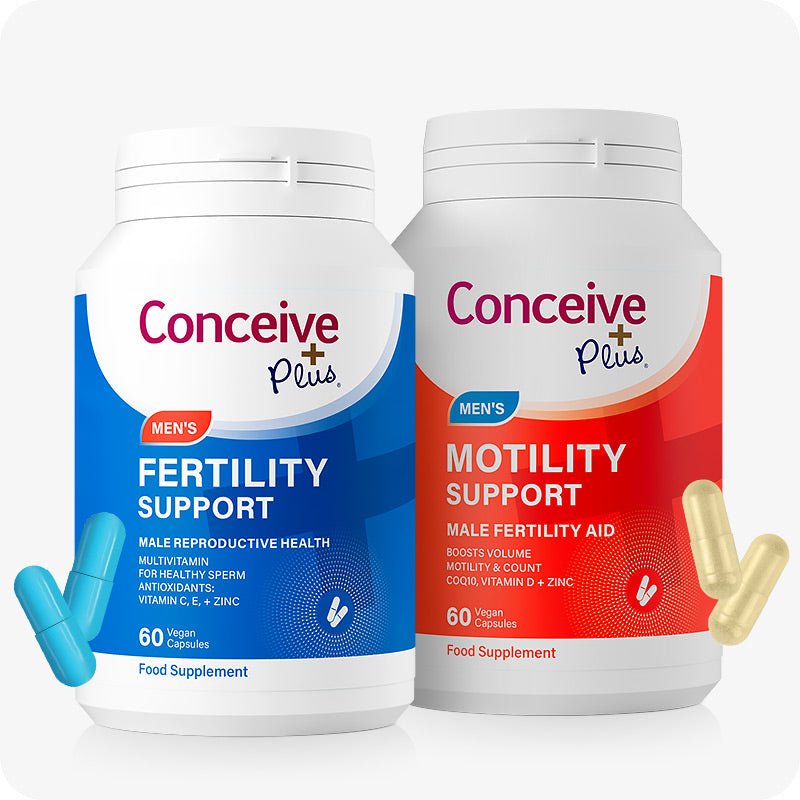
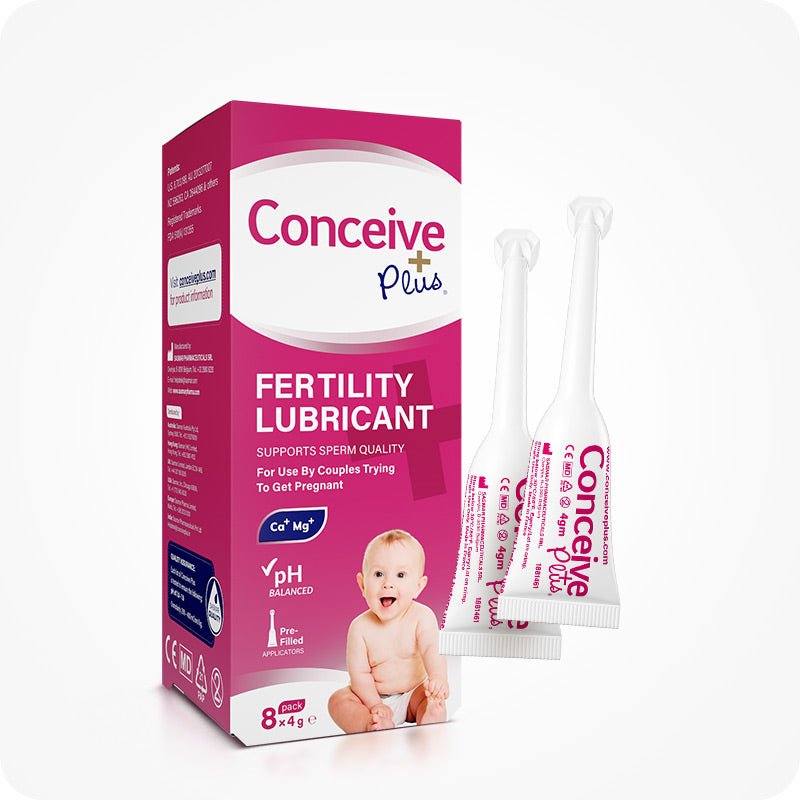
At Conceive Plus, we believe every couple deserves science-backed support on their path to parenthood. Our fertility supplements are formulated with clinically researched ingredients to support reproductive health naturally.
The core fertility challenge in PCOS is anovulation — the failure to release an egg each cycle. Understanding why this happens is key to understanding how to address it.
In PCOS, elevated levels of luteinising hormone (LH) relative to follicle-stimulating hormone (FSH) disrupt normal follicular development. Many small follicles (antral follicles) begin to develop each cycle but fail to achieve dominance — none grows to maturity and none ovulates. This is reflected in the "necklace of pearls" appearance on ultrasound.
Insulin resistance plays a central role in this hormonal disruption. Approximately 70–80% of women with PCOS have some degree of insulin resistance, even those who are lean. Elevated insulin signals the ovaries to produce more androgens (particularly testosterone), which further suppresses normal follicular development and prevents ovulation. Elevated insulin also reduces sex hormone-binding globulin (SHBG), increasing free testosterone levels and worsening symptoms.
Chronic low-grade inflammation, which is independently elevated in PCOS, further impairs oocyte quality and the endometrial environment needed for implantation.
PCOS and Pregnancy: What Are the Real Risks?
Women with PCOS do face some elevated pregnancy risks, and it's important to understand these to manage them proactively:
Miscarriage: Women with PCOS have approximately a 30–40% higher risk of miscarriage than the general population. This is thought to relate to poorer egg quality (from anovulatory cycles and oxidative stress), elevated androgens that impair endometrial receptivity, and insulin resistance. Addressing these factors before conception significantly reduces risk.
Gestational diabetes: The pre-existing insulin resistance in PCOS substantially elevates the risk of developing gestational diabetes mellitus (GDM). Regular glucose monitoring and dietary management during pregnancy are essential.
Preeclampsia: PCOS is associated with a 3-fold increased risk of preeclampsia, likely related to underlying vascular inflammation and insulin resistance.
Preterm birth: Multiple studies show modestly elevated preterm birth rates in PCOS pregnancies, particularly in those conceived following ovulation induction.
These risks are manageable, not prohibitive. Many of them are substantially reduced when women optimise their metabolic health before and during pregnancy.
Lifestyle as First-Line Fertility Treatment in PCOS
For women with PCOS who are overweight or have insulin resistance, lifestyle modification is the most effective first-line fertility intervention — and this isn't just clinical opinion; it's supported by robust evidence.
Weight Loss: In overweight women with PCOS, losing just 5–10% of body weight can restore ovulatory cycles in up to 55–60% of women, often without any medical intervention. Weight loss reduces insulin levels, lowers androgen production, restores LH/FSH ratios, and improves oocyte quality. A 2016 Cochrane review concluded that lifestyle intervention alone significantly improved live birth rates compared to continued standard care.
Dietary Approaches: The most effective dietary pattern for PCOS focuses on:
- Low glycaemic index (GI) foods: These minimise insulin spikes. Choose whole grains, legumes, non-starchy vegetables, and most fruits over refined carbohydrates and sugary foods.
- Adequate protein: Protein increases satiety and reduces post-meal glucose response. Aim for 25–30% of calories from protein.
- Anti-inflammatory fats: Omega-3 fatty acids (oily fish, walnuts, flaxseed) reduce systemic inflammation. Minimise trans fats and reduce omega-6-heavy vegetable oils.
- Fibre: Dietary fibre slows glucose absorption and supports gut microbiome diversity, which is increasingly linked to insulin sensitivity. Aim for >30g/day.
Exercise: Both aerobic and resistance exercise improve insulin sensitivity independently of weight loss. A 2021 meta-analysis found that 150 minutes/week of moderate-intensity exercise significantly improved menstrual regularity and ovulation rates in women with PCOS. Resistance training (2–3x/week) is particularly effective for improving insulin sensitivity and reducing visceral adiposity.
Stress Management: Cortisol directly stimulates adrenal androgen production, worsening PCOS symptoms. Mind-body interventions — yoga, mindfulness, and cognitive behavioural therapy — have shown measurable improvements in hormonal profiles and menstrual regularity in PCOS populations.
Key Supplements for PCOS Fertility
Several supplements have clinical evidence supporting their use in PCOS:
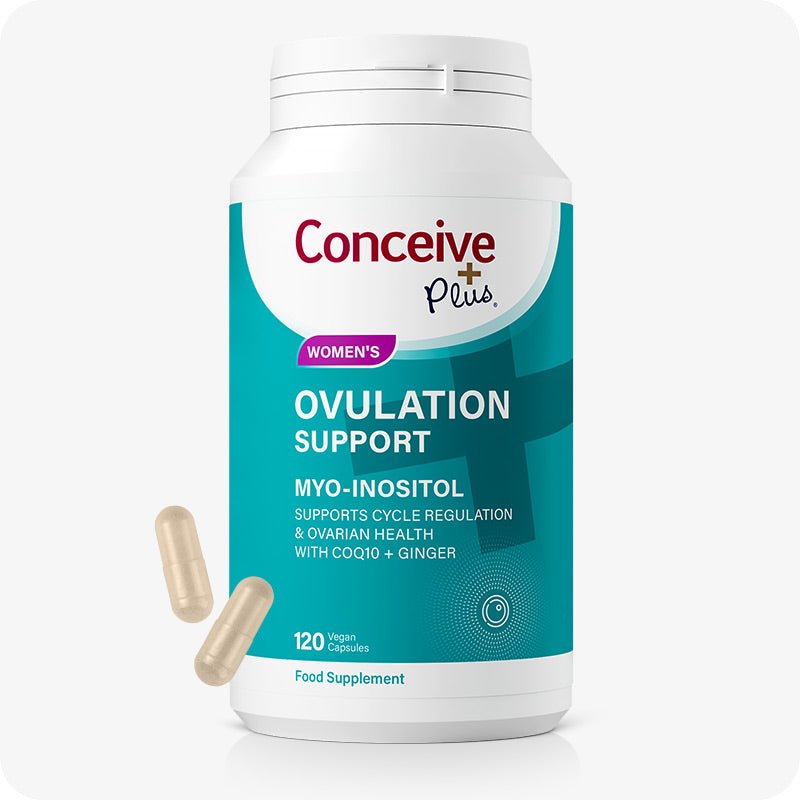
Myo-Inositol and D-Chiro-Inositol: Inositols are perhaps the most well-studied supplements specifically for PCOS. They act as insulin sensitisers at the cellular level, improving the ovarian response to FSH and restoring ovulatory function. The most commonly studied combination is a 40:1 ratio of myo-inositol to D-chiro-inositol, mimicking the physiological tissue ratio. Multiple RCTs and meta-analyses have found inositol supplementation improves ovulation rates, hormonal profiles, and pregnancy rates in women with PCOS. A 2019 Cochrane review concluded that inositol is effective for improving ovarian function in PCOS.
N-Acetyl Cysteine (NAC): NAC is a precursor to glutathione, the body's master antioxidant. It also has insulin-sensitising properties. Several RCTs have found NAC as effective as metformin for improving ovulation rates and menstrual regularity in PCOS, with fewer gastrointestinal side effects.
Vitamin D: Vitamin D deficiency is found in 67–85% of women with PCOS, and low vitamin D levels are associated with more severe insulin resistance, higher AMH levels, and worse PCOS symptoms. Supplementation in deficient women improves insulin sensitivity, menstrual regularity, and ovarian function.
Omega-3 Fatty Acids: Anti-inflammatory omega-3s reduce testosterone levels, improve insulin sensitivity, and lower triglycerides in women with PCOS. A 2018 meta-analysis found that omega-3 supplementation significantly reduced free testosterone and improved menstrual cycle regularity.
Magnesium: Magnesium deficiency is common in insulin-resistant states. Magnesium supplementation improves insulin sensitivity, reduces fasting glucose, and may improve sleep quality — all relevant in PCOS. Aim for 300–400 mg/day of well-absorbed forms (magnesium glycinate or malate).
Folate: Essential for all women trying to conceive, folate (ideally as methylfolate for those with MTHFR variants) supports early neural tube development. The MTHFR C677T polymorphism is more common in women with PCOS, making active folate (5-MTHF) particularly important.
Medical Treatments for PCOS Infertility
When lifestyle and supplementation are insufficient, several effective medical options exist:
Letrozole: An aromatase inhibitor, letrozole has largely replaced clomiphene citrate as the first-line ovulation induction agent for PCOS. A landmark 2014 NEJM study found letrozole produced higher live birth rates (27.5% vs 19.1%) and ovulation rates than clomiphene. It is typically given at 2.5–7.5 mg/day on days 3–7 of the cycle and monitored with ultrasound.
Clomiphene Citrate: A selective oestrogen receptor modulator (SERM), clomiphene has been used for ovulation induction for over 50 years. It remains effective, achieving ovulation in ~70–80% of PCOS women, with cumulative pregnancy rates of ~40–50% over 6 cycles.
Metformin: An insulin sensitiser primarily used in type 2 diabetes, metformin is effective in PCOS women with significant insulin resistance. It may improve menstrual regularity and ovulation rates, and is particularly useful in women who don't respond well to letrozole alone. Gastrointestinal side effects are common — starting at a low dose and titrating slowly, taken with food, reduces these.
Gonadotropins: Injectable FSH/LH preparations directly stimulate follicular development. They are more effective than oral agents but require careful monitoring to prevent ovarian hyperstimulation syndrome (OHSS) — a potentially serious complication in which too many follicles develop simultaneously. PCOS women are at higher OHSS risk due to their elevated antral follicle counts.
Laparoscopic Ovarian Drilling (LOD): A minor surgical procedure using diathermy or laser to destroy a small portion of ovarian tissue, LOD reduces androgen production and restores ovulatory cycles in many PCOS women. It is generally reserved for those who don't respond to medical ovulation induction and want to avoid the risks of multiple pregnancy associated with gonadotropins.
Ovulation Tracking When You Have PCOS
Standard ovulation prediction kits (OPKs) that detect LH can be unreliable in PCOS because LH is often chronically elevated — giving false positives. More reliable options include:
- Advanced OPKs that measure both LH and oestrogen (E3G) to identify the full fertile window
- Ultrasound monitoring: Transvaginal ultrasound can confirm ovulation by tracking follicular growth and collapse
- Basal body temperature (BBT): While less precise, tracking the post-ovulatory temperature rise confirms ovulation has occurred
- Serum progesterone on day 21: A progesterone level >30 nmol/L indicates ovulation has occurred
Frequently Asked Questions About PCOS and Fertility
Q: Can you get pregnant naturally with PCOS?
A: Yes, absolutely. Many women with PCOS do ovulate — just irregularly. Natural conception is possible, particularly after optimising weight, diet, and insulin sensitivity. Some women with PCOS conceive very quickly once ovulation is restored; others need ovulation induction. Overall, with appropriate treatment, most women with PCOS do achieve pregnancy.
Q: Does PCOS get worse with age?
A: Interestingly, PCOS symptoms often improve naturally at perimenopause as ovarian function declines. However, the metabolic aspects — insulin resistance, cardiovascular risk — can worsen with age if not addressed. For fertility, the earlier treatment begins the better, as egg quality and ovarian reserve also decline with age.
Q: Is IVF always necessary for PCOS?
A: No. The majority of women with PCOS who need medical help will achieve pregnancy with oral ovulation induction (letrozole or clomiphene) or injectable gonadotropins — without needing IVF. IVF is typically reserved for cases where other methods have failed, or where there are additional fertility factors (e.g. tubal issues or male factor).
Q: What is AMH, and what does it mean in PCOS?
A: Anti-Müllerian hormone (AMH) is produced by growing ovarian follicles and is a marker of ovarian reserve. Women with PCOS typically have very high AMH levels (often 2–3x the normal range) because of their elevated antral follicle count. This does NOT mean they are more fertile — it means more follicles are present but most are not completing development. High AMH in PCOS is actually associated with anovulation, not enhanced fertility.
Q: Can inositol supplements replace metformin?
A: Several studies suggest myo-inositol has comparable efficacy to metformin for improving ovulation and insulin sensitivity in PCOS, with a significantly better side effect profile. Many reproductive endocrinologists now consider inositol a first-line option, particularly for women who cannot tolerate metformin. However, individual response varies, and the decision should be made with your doctor.
Q: Does dairy affect PCOS?
A: The evidence is mixed. Some studies suggest high-fat dairy may increase androgen levels in PCOS due to its insulin-stimulating properties, while other research suggests full-fat dairy is neutral or beneficial. Current guidance generally recommends choosing lower-GI, less processed foods over avoiding all dairy — but individual responses vary, and an elimination trial can be informative.
Q: Can losing weight cure PCOS?
A: Weight loss doesn't "cure" PCOS — the underlying genetic predisposition remains — but it can result in complete resolution of symptoms and restoration of normal ovulatory function in many women. For some, maintaining a healthy weight is sufficient for normal fertility without ongoing medical treatment.
Q: How long does it take to get pregnant with PCOS?
A: This varies enormously. Women who restore ovulation through lifestyle changes alone can sometimes conceive in 3–6 months. Those requiring ovulation induction may take 3–6 treatment cycles. Cumulative pregnancy rates with appropriate treatment at 12 months are generally 50–60%. Early evaluation and treatment — rather than waiting the full 12 months — is advisable given the irregular cycles typical in PCOS.
Supporting Your Fertility Journey
At Conceive Plus, we believe every couple deserves science-backed support on their path to parenthood. Our fertility supplements are formulated with clinically researched ingredients to support reproductive health naturally.