Timing Intercourse for Conception: Understanding Your Fertile Window


Timing Intercourse for Conception: Understanding Your Fertile Window
When you're trying to conceive, knowing when to have sex can be just as important as how often. The science of the fertile window — the days in your cycle when conception is actually possible — is well established, yet many couples underestimate its significance or misunderstand how to identify it accurately.
This guide takes a detailed look at the biology behind the fertile window, the methods available to track it, and practical guidance for timing intercourse to maximise your chances of conception.
The Biology of the Fertile Window
The fertile window exists because sperm and eggs each have a finite lifespan. Understanding this biology is the foundation of effective timing:
Egg Lifespan
Once released from the ovary, a mature egg (oocyte) can only be fertilised for approximately 12–24 hours. This is a surprisingly short window, which means the egg is technically only "available" for roughly one day per cycle.
Sperm Lifespan
Sperm can survive in the female reproductive tract for up to 5 days under optimal conditions (fertile-quality cervical mucus). This extended lifespan is what creates a fertile window of approximately 6 days — the 5 days before ovulation plus the day of ovulation itself.
Peak Fertility Days
Research published in the New England Journal of Medicine by Dr Allen Wilcox and colleagues at the US National Institute of Environmental Health Sciences found that the two days with the highest probability of conception were the day before and the day of ovulation. The probability of conception on these peak days was approximately 30% per cycle for couples having unprotected sex.
This is why accurately identifying the approach to ovulation — not just ovulation itself — is crucial for conception timing.
Why the "Day 14" Rule Is Often Wrong
Support Every Step of Your Fertile Window
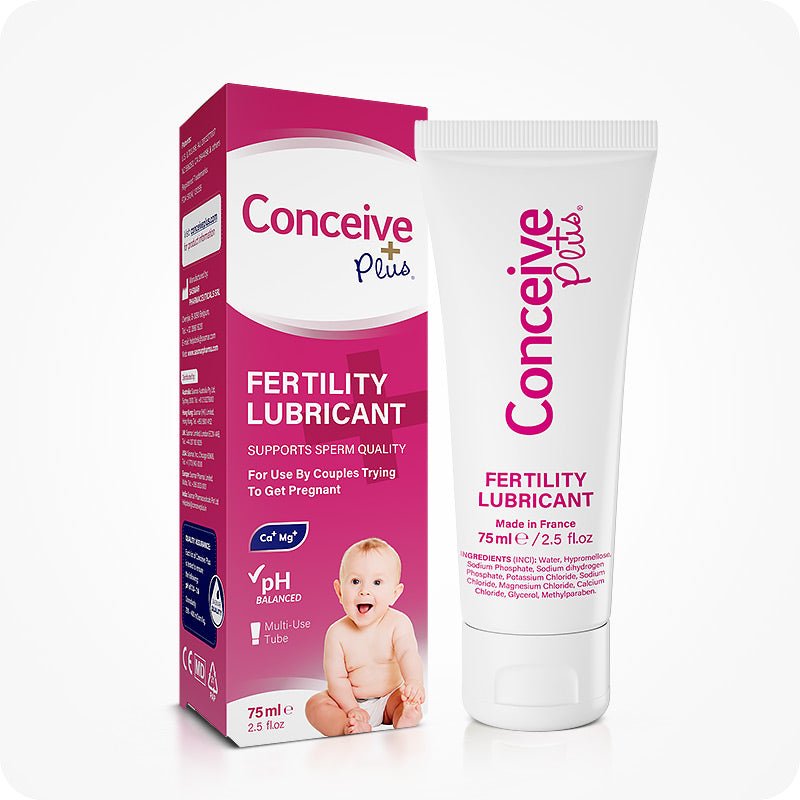
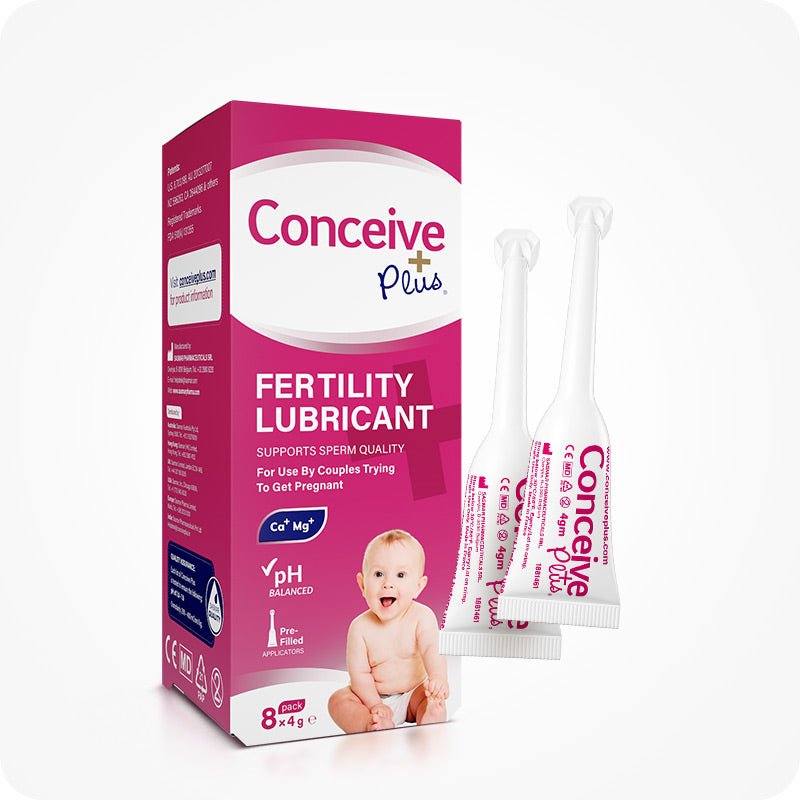
When timing matters, make sure lubrication doesn't work against you. Conceive Plus Fertility Lubricant is pH-balanced and sperm-friendly, designed to support sperm motility — unlike conventional lubricants that can harm sperm.
Shop Fertility Lubricant →Many people learned that ovulation occurs on "day 14" of a 28-day cycle. This is based on a theoretical average that does not reflect most women's actual experience.
Research published in the BMJ found that only 13% of women have a 28-day cycle, and the timing of ovulation varies considerably — even within regular cycles. A large study of over 600 women found that ovulation occurred anywhere from day 10 to day 23, even among women with cycles they described as regular.
Relying solely on the "day 14" calculation means many couples are having sex at the wrong time. Cycle tracking methods that observe actual physiological signs are significantly more reliable.
Methods for Identifying Your Fertile Window
Basal Body Temperature (BBT) Charting
Your resting body temperature (measured first thing in the morning, before getting up) rises slightly — by approximately 0.2°C — after ovulation, due to the thermogenic effect of progesterone. This rise confirms that ovulation has occurred.
The limitation: BBT tells you ovulation has already happened. It's useful for understanding your pattern over multiple cycles but less useful for identifying your fertile window in real time. After 3–4 cycles of charting, you can identify patterns that help predict future fertile windows.
How to do it: Use a basal thermometer (which measures to two decimal places) and take your temperature at the same time each morning before getting out of bed. Track on an app or paper chart and look for the post-ovulatory temperature rise.
Cervical Mucus Monitoring
Cervical mucus changes in consistency and appearance throughout the cycle in response to oestrogen and progesterone fluctuations. As ovulation approaches, cervical mucus becomes more abundant, clear, stretchy, and similar in consistency to raw egg white — a pattern often called "egg white cervical mucus" (EWCM).
EWCM is associated with the highest sperm survival rates and is a reliable indicator that you are approaching ovulation. Research shows this method has a sensitivity of approximately 70–85% for identifying the fertile window when observed consistently.
How to do it: Check cervical mucus daily by observing the sensation at your vaginal opening or checking the discharge on toilet paper. Record what you observe — dry, sticky, creamy, or slippery/stretchy. The transition to stretchy, clear mucus signals your approaching fertile window.
Ovulation Predictor Kits (OPKs)
OPKs detect the LH (luteinising hormone) surge that triggers ovulation. LH surges 24–36 hours before ovulation occurs, giving you an advance window to time intercourse.
Standard OPKs detect a threshold LH level; advanced OPKs (such as those with digital displays) can also track oestrogen, giving you an earlier indication of the rising fertile period before the LH peak.
NHS guidance supports OPKs as a valid method for identifying the fertile window. For most women, testing from day 10 and watching for the surge will capture ovulation. Those with irregular cycles may need to test over a broader range of days.
Fertility Monitors
Digital fertility monitors (such as the Clearblue Advanced Fertility Monitor) track both LH and oestrogen, identifying more fertile days than OPKs alone. They're particularly useful for women with irregular cycles or those who want a more comprehensive picture of their hormone patterns.
Symptothermal Method
The symptothermal method combines BBT charting with cervical mucus observation for greater accuracy. When used correctly and consistently, it has been shown to identify the fertile window with high accuracy. A study published in Human Reproduction found this method to have an effectiveness rate comparable to combined oral contraceptives when used for fertility avoidance — suggesting its accuracy in identifying the fertile window.
Optimal Intercourse Timing
Given what we know about sperm survival and the egg's brief lifespan, here is the evidence-based guidance on timing intercourse for conception:
Have sex every 1–2 days during your fertile window
Research consistently shows that daily or every-other-day intercourse during the fertile window maximises pregnancy rates. A study in the journal Fertility and Sterility found that couples having sex every day during the fertile window had the highest pregnancy rates, followed closely by every other day — with no statistically significant difference between these two frequencies.
Prioritise the 2 days before ovulation
As mentioned above, the two highest-probability days for conception are the day before and the day of ovulation. If you only have the opportunity to time intercourse precisely once, the day before ovulation is typically the highest-probability single day.
Don't wait until after the LH surge to start
A common misunderstanding is that you should wait until you detect the LH surge to have sex. In fact, because the egg is only available for 12–24 hours after ovulation, having sperm already present before ovulation is advantageous. Start having sex 2–3 days before your expected ovulation date.
Continue sex through the fertile window, not just at the "peak"
While the peak days have the highest probability, conception can occur throughout the 6-day fertile window. Consistent intercourse throughout this period ensures maximum coverage and removes the pressure of trying to identify a single "perfect" moment.
The Role of Cervical Mucus in Conception
Fertile-quality cervical mucus is not just a fertility signal — it actively supports conception. Egg white cervical mucus provides a medium in which sperm can survive for days and be protected from the acidic vaginal environment. It also provides channels that guide sperm toward the cervix and uterus.
Some couples find that using a fertility-friendly lubricant can help when natural mucus is limited. It's important to note that most conventional lubricants — including saliva, water, and petroleum-based products — are harmful to sperm. Studies show these substances can reduce sperm motility by up to 60–100% within minutes of contact.
Fertility-friendly lubricants are formulated to match the pH and osmolality of fertile cervical mucus, creating a sperm-safe environment. The NHS acknowledges the potential impact of lubricants on sperm when couples are trying to conceive, and fertility specialists typically recommend avoiding conventional lubricants entirely or using a specifically designed fertility-compatible product.
When to Seek Help
The NHS recommends that most couples trying to conceive naturally should see their GP if pregnancy hasn't occurred after 12 months of regular unprotected sex (every 2–3 days). This timeline is reduced to 6 months for women aged 35 or over, or sooner if either partner has a known fertility concern.
Consider speaking to your GP sooner if you have:
- Irregular or absent periods
- A history of pelvic inflammatory disease, endometriosis, or PCOS
- A history of STIs
- Previous fertility treatment
- Known male factor concerns (previous semen analysis results)
While optimising timing is valuable, it can't overcome underlying fertility challenges. Early medical evaluation ensures any treatable conditions are identified promptly.
Common Mistakes That Reduce Conception Chances
Mistiming based on cycle length alone
Calculating ovulation based purely on cycle length (subtracting 14 days from the end) is imprecise. Even if your cycle is regular, ovulation timing can shift by several days between cycles. Physiological tracking methods (mucus, OPKs, BBT) are more reliable.
Only having sex at the "peak"
Couples who have sex only on the day they detect the LH surge may actually miss peak fertility. The LH surge precedes ovulation by 24–36 hours, and by the time ovulation occurs, the egg has a short window. Having sperm present in advance is advantageous.
Using conventional lubricants
As noted above, most lubricants are harmful to sperm. If lubrication is needed, choose a product specifically formulated for use when trying to conceive.
Assuming every cycle is identical
Stress, illness, travel, significant weight changes, and hormonal fluctuations can all shift ovulation timing. Monitoring each cycle individually rather than relying on a fixed pattern is more accurate.
Excessive stress about timing
While timing matters, excessive anxiety and performance pressure can affect both partners' enjoyment of intimacy and, in some cases, may affect hormone levels. The guidance to have sex every 1–2 days throughout the fertile window gives a generous coverage that reduces the need for pinpoint-precision timing and takes some pressure off the process.
Frequently Asked Questions
How long does it take to get pregnant with perfect timing?
Even with perfectly timed intercourse, the monthly probability of conception for a healthy couple in their 30s is approximately 20–30%. Over 6 months, approximately 75–80% of healthy couples will conceive; over 12 months, approximately 85–90%. If conception hasn't occurred within 12 months (or 6 months for those over 35), NHS guidance recommends seeking medical evaluation.
Does the position of intercourse matter for conception?
There is no convincing scientific evidence that sexual position affects conception rates. Sperm are highly motile and reach the cervix rapidly regardless of position. Similarly, the practice of lying with hips elevated after sex has not been shown to improve conception rates in clinical studies.
Can I have sex too frequently when trying to conceive?
For men with normal sperm parameters, daily or every-other-day sex during the fertile window maintains adequate sperm counts. However, for men with low sperm count (oligospermia), abstaining for 1–2 days between intercourse sessions may allow sperm counts to recover. If there are concerns about sperm count, a semen analysis can provide clarity on the optimal frequency.
Do OPKs work for everyone?
OPKs work for most women but can be unreliable for those with PCOS, who may have chronically elevated LH levels that make it difficult to identify a true surge. Women who do not ovulate regularly may also find OPKs confusing, as they may detect surges that are not followed by ovulation. In these situations, more comprehensive monitoring with a fertility specialist may be helpful.
Can I use OPKs as a contraceptive?
OPKs are fertility awareness tools designed to help conception, not prevent it. They should not be used as contraception without professional fertility awareness training, as user error rates in this context are high.
Should I use a fertility app to track my cycle?
Fertility apps can be a helpful tool for logging observations (BBT, mucus, OPK results) and identifying patterns over time. However, apps that predict your fertile window based purely on cycle length (without actual physiological data) are significantly less accurate than those that incorporate observed signs. Apps that integrate BBT and/or OPK data offer greater reliability.
Does stress affect ovulation timing?
Yes. Significant psychological or physical stress can suppress the hormonal cascade that triggers ovulation. The hypothalamic-pituitary-ovarian axis is sensitive to stress hormones (cortisol), which can delay or inhibit ovulation. This is why maintaining stress management practices and avoiding extreme physical stress is part of holistic fertility support.
How many fertile days do most women have?
The fertile window is approximately 6 days — the 5 days before ovulation and ovulation day itself. However, the probability of conception is not equal across these days; it's highest in the 2 days preceding and including ovulation, falling off quickly beyond this.
What if I have a very irregular cycle?
Irregular cycles make timing intercourse more challenging and may indicate underlying conditions such as PCOS, thyroid dysfunction, or hypothalamic dysfunction. Daily OPK monitoring during the likely fertile period and/or cervical mucus observation can help identify ovulation when it does occur. Consulting your GP or a gynaecologist is recommended if your cycles are consistently irregular.
Is it possible to miss my fertile window entirely?
It is possible to have intercourse only outside the fertile window and therefore not conceive in that cycle. This is more likely to happen if you're relying solely on calendar calculations rather than physiological tracking. Using OPKs and cervical mucus monitoring significantly reduces the risk of missing your fertile window.
Support Every Step of Your Fertile Window
When timing matters, make sure lubrication doesn't work against you. Conceive Plus Fertility Lubricant is pH-balanced and sperm-friendly, designed to support sperm motility — unlike conventional lubricants that can harm sperm.
Shop Fertility Lubricant →