Understanding Unexplained Infertility: Causes, Emotional Impact, and Your Path Forward


Being told that your infertility is "unexplained" can be one of the most frustrating experiences in a fertility journey. You've done the tests, followed the advice, and tried to do everything right — and yet the answer to why conception hasn't happened remains elusive. You're not alone: unexplained infertility accounts for roughly 15–30% of all infertility diagnoses, making it one of the most common categories in reproductive medicine.
This article explores what unexplained infertility actually means, what may genuinely be happening beneath the surface, how it affects couples emotionally, and what evidence-based steps can help — whether you're navigating it for the first time or looking for new directions after months or years of trying.
What "Unexplained Infertility" Actually Means
The diagnosis of unexplained infertility doesn't mean that nothing is wrong — it means that standard diagnostic tests haven't identified a specific cause. The typical fertility workup includes a semen analysis, assessment of ovarian reserve (usually via antral follicle count and anti-Müllerian hormone), evaluation of fallopian tube patency (via hysterosalpingogram or laparoscopy), and confirmation that ovulation is occurring regularly.
When all of these tests return within normal ranges and yet pregnancy hasn't occurred after 12 months of regular unprotected intercourse (or 6 months for women over 35), the working diagnosis becomes unexplained infertility.
The limitations of this diagnosis are important to understand. Standard fertility testing evaluates fertility in broad categories but misses many of the subtle factors that influence whether conception occurs. It doesn't assess egg quality in any meaningful way, doesn't evaluate sperm-egg interaction, doesn't assess endometrial receptivity at the molecular level, and doesn't look at immunological factors that may prevent implantation.
Think of it this way: current fertility testing is like checking whether a car has a full tank of petrol, working tyres, and a functioning engine — but not diagnosing why it sometimes stalls on a particular road. The broad systems check out, but the nuanced factors that affect performance under specific conditions are harder to measure.
Possible Hidden Causes That Standard Tests Miss
Supporting Your Fertility Journey
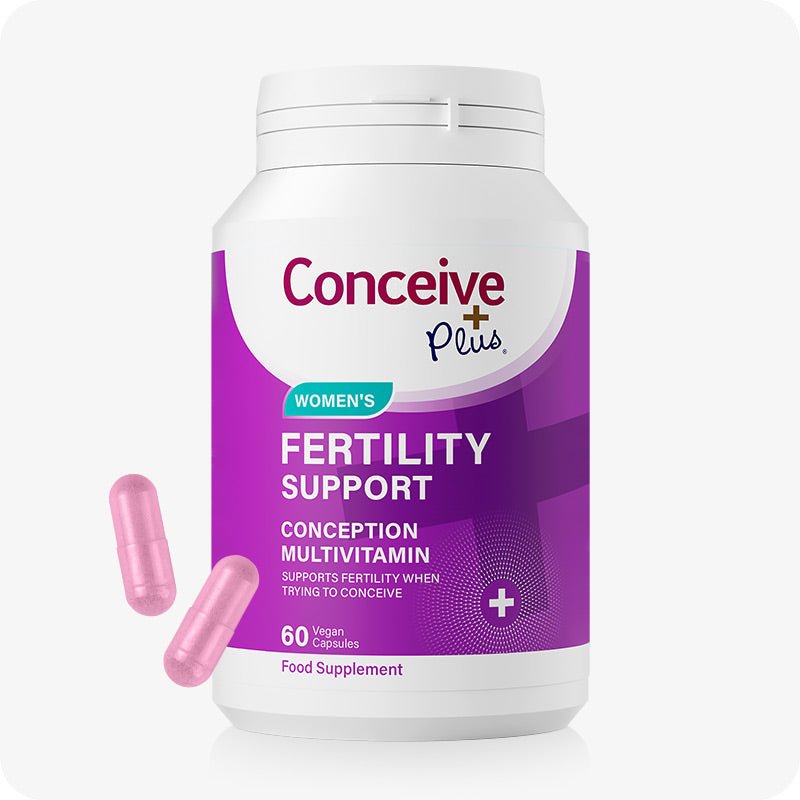
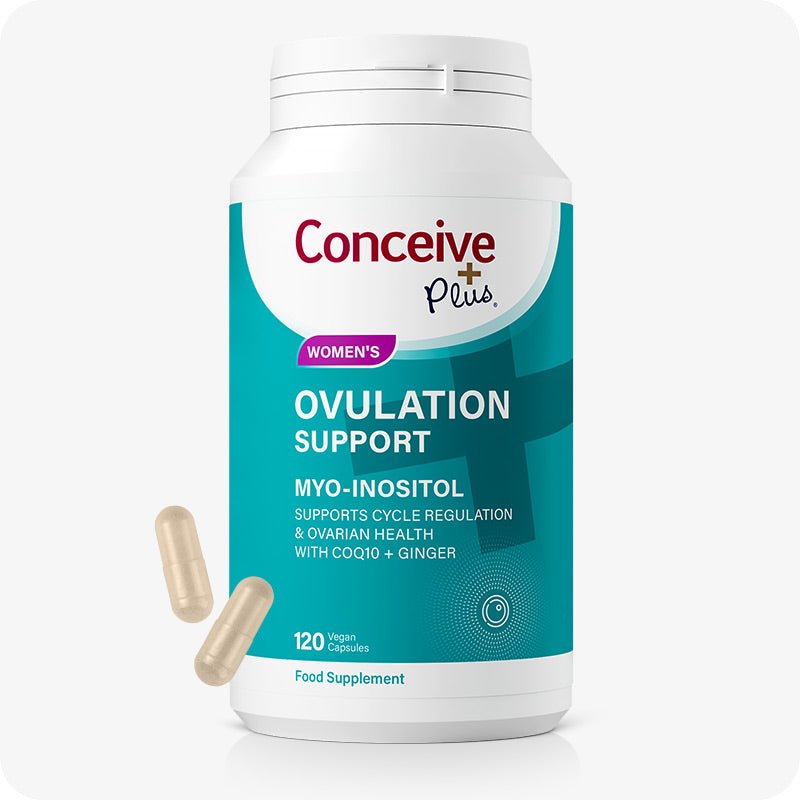
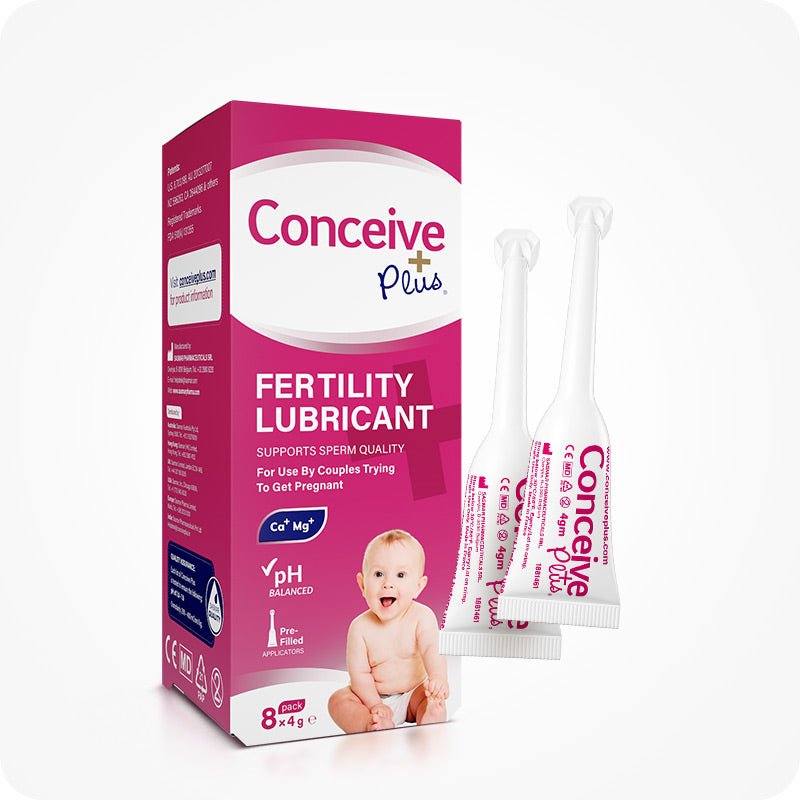
Conceive Plus Full Conceive Plus Bundle is clinically formulated to support comprehensive fertility support from multiple angles. Trusted by thousands of couples worldwide.
Shop Full Conceive Plus Bundle →The fertility research community has made significant progress in identifying mechanisms that may underlie unexplained infertility even when routine tests appear normal.
Egg quality and chromosomal abnormalities: Standard testing doesn't evaluate the genetic and chromosomal quality of eggs. As women age, the rate of chromosomal errors in eggs increases — by age 40, more than half of all eggs may carry chromosomal abnormalities. But even in younger women, poor egg quality can be a factor. Eggs with chromosomal abnormalities either fail to fertilise, fail to develop to blastocyst stage, or result in early pregnancy loss before a test would confirm pregnancy. This is sometimes called a "subclinical" loss.
Endometrial receptivity issues: The uterine lining must be in a very specific state — the "implantation window" — when an embryo arrives. If this window is displaced in time, a competent embryo may fail to implant despite a structurally normal uterus. Research in reproductive immunology has identified that disruptions to the receptivity window, involving complex interactions between cytokines, pinopodes, and the endometrial microbiome, may prevent implantation in some women.
Sperm DNA fragmentation: A standard semen analysis evaluates count, motility, and morphology — but doesn't assess the integrity of the DNA within sperm. High levels of sperm DNA fragmentation can allow fertilisation but result in early embryo arrest or recurrent pregnancy loss. DNA fragmentation is not detected by routine analysis but can be measured with specialised tests like the SCSA (Sperm Chromatin Structure Assay) or DFI (DNA Fragmentation Index).
Immunological factors: The immune system must perform a remarkable act of tolerance during early pregnancy — accepting the embryo, which carries foreign (paternal) genetic material, without triggering an immune attack. Some research suggests that certain immune dysregulations, including elevated natural killer cell activity in the uterus, may interfere with this implantation tolerance in some couples.
Endometriosis not yet diagnosed: Mild to moderate endometriosis can exist without causing obvious symptoms, and it doesn't always show up on routine imaging. Studies suggest that endometriosis may be present in up to 50% of women with unexplained infertility. It can affect fertility through multiple mechanisms: disrupting the ovarian environment, creating an inflammatory milieu in the pelvis, and potentially affecting egg quality and sperm function.
Subtle hormonal disruptions: Even when hormone levels test within the "normal" range, subtle variations in the timing and patterning of hormones can affect ovulation quality and endometrial preparation. Luteal phase deficiency — where progesterone levels after ovulation are insufficient to support implantation — may be missed in single-point hormone measurements.
The Emotional Weight of "Unexplained"
The psychological impact of unexplained infertility is often described as uniquely difficult compared to infertility diagnoses with a clear cause. When there is a diagnosed condition, couples can focus their efforts on addressing it. With unexplained infertility, there is nothing concrete to fix, nothing to research obsessively, no clear action to take.
Studies consistently find elevated rates of anxiety, depression, and relationship strain among couples with unexplained infertility compared to the general population — and often comparable to those with diagnosed conditions. Research published in Fertility and Sterility found that women with unexplained infertility reported higher levels of self-blame and helplessness than those with a clear diagnosis, precisely because there was no external "cause" to attribute their difficulties to.
Common emotional experiences include:
- A sense that your body has "failed" you without explanation
- Difficulty communicating with well-meaning family and friends who don't understand why the problem can't simply be fixed
- Frustration at the limitations of medical testing
- Oscillating hope and despair with each cycle
- Uncertainty about how long to continue trying naturally versus pursuing treatment
- Feeling dismissed or unseen when doctors have no diagnosis to offer
These responses are entirely normal. It's important to acknowledge them and seek appropriate support. Fertility counselling, peer support groups (many of which are now available online), and couples therapy can all be valuable resources. The UK charity Fertility Network offers extensive support specifically for those navigating infertility.
Lifestyle Factors With Evidence Behind Them
While lifestyle changes won't fix a structural problem, they have genuine evidence behind them for improving fertility outcomes — including in unexplained infertility.
Weight and BMI: Both underweight and overweight BMI are associated with reduced fertility in women. Adipose (fat) tissue plays an active role in oestrogen metabolism, and both too little and too much body fat can disrupt the hormonal signals that regulate the menstrual cycle. A modest reduction in BMI in overweight women has been shown to significantly improve ovulation regularity and pregnancy rates.
Smoking: The evidence against smoking for fertility is overwhelming. Smoking accelerates ovarian ageing, increases rates of chromosomal abnormalities in eggs, reduces sperm quality, and is associated with higher rates of miscarriage and ectopic pregnancy. Quitting smoking is among the highest-impact lifestyle interventions for fertility.
Alcohol: Research on moderate alcohol consumption and fertility is mixed, but multiple studies have found associations between higher alcohol intake and reduced fertility, increased time to conception, and increased miscarriage risk. The precautionary approach recommended by most fertility specialists is to eliminate or significantly reduce alcohol during the preconception period.
Stress management: The relationship between stress and fertility is complex and not fully understood, but evidence suggests that chronic stress affects the hypothalamic-pituitary-ovarian axis — the hormonal cascade that regulates reproduction. Mindfulness-based stress reduction (MBSR) programs have shown promise in fertility populations, with some studies showing improved pregnancy rates in women who underwent mind-body programs alongside conventional fertility care.
Sleep: Sleep disruption affects melatonin production, and melatonin has direct protective effects on eggs and follicles. A study in the Journal of Pineal Research found higher melatonin levels in follicular fluid of women who achieved pregnancy in IVF cycles. Prioritising 7–9 hours of quality sleep per night, and addressing sleep disorders if present, has plausible fertility benefits.
Nutritional Support for Unexplained Infertility
Given that many potential causes of unexplained infertility relate to egg quality, hormonal balance, and the implantation environment, targeted nutritional supplementation has a rational basis and growing evidence behind it.
Folate (as methylfolate): Critical for DNA synthesis and cell division — processes fundamental to egg maturation and early embryo development. For women with MTHFR mutations (which impair the conversion of folic acid), methylfolate is particularly important.
CoQ10: Mitochondrial energy support is directly relevant to egg quality. Multiple IVF studies have shown CoQ10 supplementation improving egg and embryo quality metrics, with the most significant benefits seen in older women and those with poor ovarian response.
Vitamin D: Low vitamin D is strongly associated with reduced IVF success rates. Given the high prevalence of insufficiency in the UK (where sunlight exposure is limited for much of the year), this is particularly relevant for British women. Testing vitamin D levels and supplementing to reach optimal status is a low-cost, high-impact intervention.
Omega-3 fatty acids: Anti-inflammatory properties, support for egg membrane fluidity, and potential benefits for endometrial receptivity make omega-3s a logical supplement for women with unexplained infertility.
N-acetylcysteine (NAC): A precursor to glutathione, one of the body's primary antioxidants, NAC has been studied in fertility contexts and shown benefits for ovarian function. It may be particularly relevant when oxidative stress is suspected as a contributing factor.
Medical Investigations Worth Considering
If you've received a diagnosis of unexplained infertility and feel that standard testing hasn't answered your questions, there are additional investigations that some fertility specialists offer. Not all are available on the NHS, and evidence for some is stronger than others:
Sperm DNA fragmentation testing: Increasingly available in private fertility clinics. If high fragmentation is identified, interventions including antioxidant supplementation and referral for ICSI (intracytoplasmic sperm injection) rather than standard IVF may be recommended.
Endometrial receptivity testing: Tests like the ERA (Endometrial Receptivity Analysis) assess the implantation window by analysing gene expression in endometrial tissue. This is most relevant in IVF cycles where timing of embryo transfer is adjustable.
Laparoscopy for endometriosis: Given that endometriosis is found in up to 50% of women with unexplained infertility and may not cause symptoms, laparoscopy (a surgical procedure) remains the only definitive way to diagnose it. Whether to pursue laparoscopy in unexplained infertility is a decision to be made in consultation with a specialist.
Immune testing: Some specialist clinics offer testing for uterine natural killer cell activity and other immunological factors. The evidence base for immune testing and treatment in infertility is still developing, and interpretation should involve experienced reproductive immunologists.
Treatment Options and What the Evidence Shows
When natural conception hasn't occurred, several treatment pathways are available. The right choice depends on your age, how long you've been trying, and your personal circumstances.
Expectant management: Surprisingly, research shows that a significant proportion of couples diagnosed with unexplained infertility will conceive naturally over time. A study published in The Lancet found that 55–62% of couples with unexplained infertility had conceived within 3 years. This doesn't mean doing nothing — it means optimising lifestyle, nutrition, and timing while allowing natural conception to occur. It may be the appropriate first step for younger couples early in their journey.
Intrauterine insemination (IUI): IUI involves placing prepared sperm directly into the uterus around the time of ovulation, eliminating the cervical transit. When combined with ovarian stimulation, IUI improves the number of eggs available for fertilisation and ensures sperm is in the right place at the right time. Meta-analyses have found modest improvements in pregnancy rates per cycle with IUI compared to expectant management, though the effect size is smaller than often assumed.
IVF: In vitro fertilisation allows direct observation of fertilisation and embryo development, providing information about egg quality and embryo viability that isn't available with natural conception or IUI. For couples who have been trying for 2+ years, IVF may offer both diagnostic information and a higher per-cycle success rate. NHS guidelines recommend IVF for women aged 40 and under with unexplained infertility who have not conceived after 2 years.
Frequently Asked Questions About Unexplained Infertility
Q: Does unexplained infertility mean I'll never get pregnant?
A: Absolutely not. A significant proportion of couples with this diagnosis conceive naturally over time. Studies show that 55–62% conceive within 3 years without intervention. Many others achieve pregnancy with treatment. The diagnosis describes a current situation, not a permanent outcome.
Q: Should I get a second opinion on my diagnosis?
A: Yes, if you feel your workup hasn't been thorough. Seeking evaluation at a dedicated fertility clinic with access to more comprehensive testing — including sperm DNA fragmentation, laparoscopy, and endometrial receptivity assessment — may uncover factors missed in a standard workup.
Q: How do I know when to move from trying naturally to seeking treatment?
A: NHS guidelines suggest IVF should be offered after 2 years of unexplained infertility for women under 40. However, if you're 35 or older, most specialists would recommend earlier investigation and possibly earlier treatment due to the age-related decline in egg quality. Discuss your specific circumstances with a fertility specialist.
Q: Can nutrition and supplements really make a difference with unexplained infertility?
A: For conditions that may underlie the "unexplained" label — like suboptimal egg quality, mitochondrial dysfunction, or oxidative stress — targeted nutritional supplementation has a rational basis and supporting evidence from IVF research. It's not a guarantee, but it's a meaningful part of optimising your fertility health while pursuing other avenues.
Q: Is stress causing my unexplained infertility?
A: Stress alone is unlikely to be the primary cause of infertility, but it may be a contributing factor. The relationship between chronic stress and fertility involves real physiological mechanisms — not just psychology. Addressing stress through effective management strategies is worthwhile as part of a holistic approach.
Q: Can my partner's health affect our chances even if his semen analysis is normal?
A: Yes. A standard semen analysis doesn't test everything. Sperm DNA fragmentation — which isn't measured in routine analysis — can affect fertilisation and early embryo development. If unexplained infertility persists, asking for sperm DNA fragmentation testing is reasonable.
Q: What is "subclinical" infertility?
A: Subclinical infertility refers to situations where fertilisation and very early embryo development may be occurring, but the embryo fails before implantation or within days of implantation — before a pregnancy test would register positive. This can result in unexplained failure to conceive even though conception technically happens.
Q: Are there specific dietary changes that could help?
A: The Mediterranean-style diet — high in vegetables, fruits, whole grains, legumes, fish, and olive oil — has the strongest evidence for supporting fertility. Reducing processed foods, trans fats, and refined sugars while increasing antioxidant-rich foods provides a nutritional environment supportive of reproductive health.
Q: Is unexplained infertility more common in certain age groups?
A: The diagnosis can affect women of any reproductive age, but it's more common in women over 35. Many cases in older women likely involve egg quality issues that standard testing doesn't capture — making the "unexplained" label more a reflection of testing limitations than a true absence of cause.
Q: How can I support my mental health while dealing with this diagnosis?
A: Acknowledge that this is genuinely hard. Seek out peer support through organisations like Fertility Network UK. Consider fertility-focused counselling — many NHS fertility clinics offer this service. Maintain connections outside of the fertility journey to protect your sense of identity and purpose. And be compassionate with yourself: living with uncertainty is exhausting, and struggling with it doesn't reflect weakness.
Supporting Your Fertility Journey
Conceive Plus Full Conceive Plus Bundle is clinically formulated to support comprehensive fertility support from multiple angles. Trusted by thousands of couples worldwide.
Shop Full Conceive Plus Bundle →