When to Take a Pregnancy Test: The Complete 2026 Guide to Accurate Timing


What if the anxiety of the two-week wait isn't caused by the calendar, but by a misunderstanding of how your body signals a new life? You might find yourself staring at a faint line or wondering if you've tested too early, fearing a wasted kit or a misleading result. It's a common struggle to determine exactly when to take a pregnancy test without feeling like you're just guessing. We understand that this window of time feels heavy with anticipation, and you deserve a clear, definitive answer rather than a confusing "maybe."
In this 2026 guide, we'll help you master the biological timeline of conception to ensure your results are reliable, timely, and stress-free. You'll learn how to identify the precise moment your body begins producing human chorionic gonadotropin (hCG) and why modern digital tests, which can now detect levels as low as 10 mIU/ml, offer more clarity than ever before. We'll walk through the science of implantation, the best time of day to test for maximum accuracy, and how to interpret your results with total confidence.
Key Takeaways
- Understand how the "pregnancy hormone" hCG interacts with the implantation timeline to dictate your earliest possible testing window.
- Learn the biological difference between testing on the day of a missed period versus using early detection methods to determine exactly when to take a pregnancy test for a reliable result.
- Discover why your first morning urine and hydration levels are the most critical variables in preventing faint lines or false negatives.
- Identify the subtle physiological differences between early pregnancy signs and standard PMS symptoms to help manage the emotional weight of the two-week wait.
- Gain clarity on interpreting your results and establishing a supportive path forward, whether you're celebrating a positive or planning your next cycle.
The Science of Timing: How hCG and Implantation Dictate Your Testing Window
Understanding the biological milestones of early pregnancy helps remove the guesswork from your journey. While the impulse to test immediately after intimacy is natural, your body follows a strict chemical sequence that cannot be rushed. This sequence determines exactly when to take a pregnancy test to ensure the result you see is a reliable reflection of your status. The process begins with fertilization in the fallopian tube, followed by a journey to the uterus, and finally, implantation.
The primary character in this story is Human Chorionic Gonadotropin, commonly known as hCG. This is the specific hormone that home kits are designed to find. However, hCG isn't present in your system the moment conception occurs. It only begins to enter your bloodstream and urine after a fertilized egg successfully attaches to the uterine lining. Understanding how pregnancy tests work involves recognizing that these devices are calibrated to trigger a positive result only once a specific concentration of hCG is reached, measured in milli-international units per milliliter (mIU/ml).
The Role of hCG in Early Pregnancy
Cells that eventually form the placenta produce hCG to signal the body to maintain the uterine lining. In a healthy early pregnancy, these levels typically double approximately every 48 hours. This rapid "doubling time" is why a test might be negative one day and show a faint line just two days later. It's important to remember that every person’s body is unique. Some individuals produce hCG at a slightly slower rate than others, which can influence how early a test becomes readable. If you test too soon, the hormone concentration may simply be below the 10 mIU/ml or 25 mIU/ml threshold required for detection.
The Implantation Timeline
Implantation usually occurs between 6 and 12 days after successful fertilization. Because of this window, testing the "morning after" is biologically impossible. There is simply no hormone for a test to detect until the embryo has made its home in the uterus. Some women notice a light spotting known as implantation bleeding during this time. If you experience this, it's often a helpful signal to start your countdown. Waiting at least two to three days after you notice this spotting provides your body with enough time to build up a detectable level of hCG, leading to a much more confident result.
Calculating the Best Day: Missed Periods vs. Early Detection Tests
Choosing the right moment to test is a delicate balance between your emotional readiness and your body's biological clock. While waiting until the first day of a missed period remains the gold standard for clinical accuracy, many modern kits offer the possibility of earlier detection. These early result options work by utilizing a much lower sensitivity threshold, often detecting hCG at concentrations as low as 10 mIU/ml compared to the standard 25 mIU/ml found in basic tests.
Testing early involves a specific set of trade-offs that are important to consider. You might encounter a false negative simply because the embryo hasn't finished the implantation process, or you might detect a chemical pregnancy that would have otherwise gone unnoticed. According to guidelines from reputable health organizations like the Mayo Clinic, the most reliable results consistently come from waiting until your period is actually late. This patience ensures the hormone levels are high enough to trigger a clear, unmistakable result.
Testing Before a Missed Period
Many brands advertise the ability to test "6 days before your missed period." In practical terms, this actually means five days before your period is expected to start. It's helpful to look at the accuracy percentages provided by manufacturers. A test taken five days early might only be about 76% accurate, whereas that same test typically reaches 99% accuracy on the day of the missed period itself. Seeing a negative result when you test too early can be emotionally taxing and may lead to unnecessary cycles of hope and disappointment. It's often better for your peace of mind to wait for the hormone to accumulate.
Why Your Cycle Length Matters
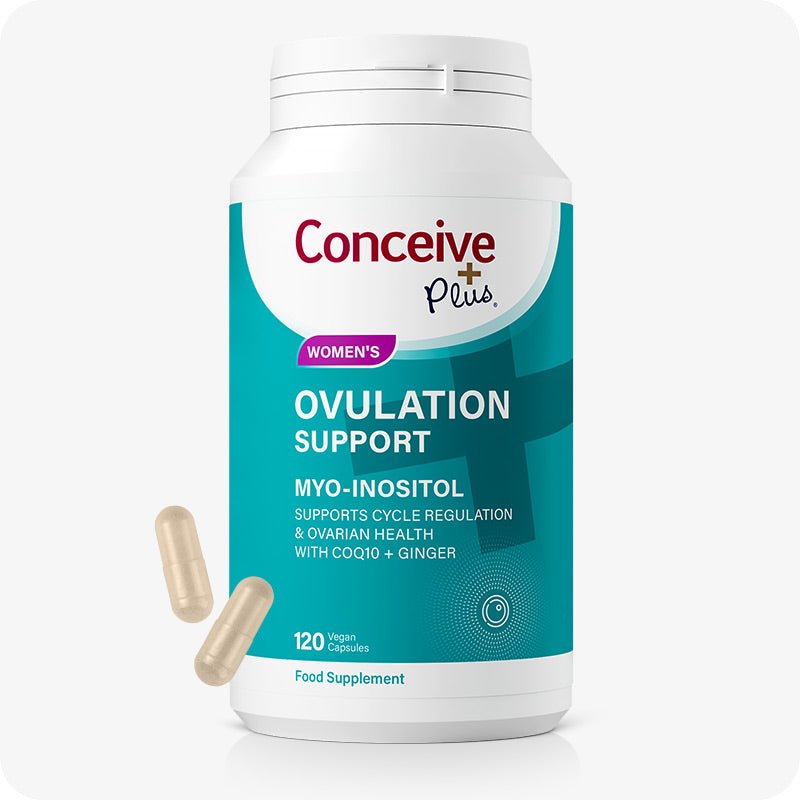
Your unique cycle length is the most influential variable when deciding when to take a pregnancy test. If your cycle varies in length, calculate your expected period based on your longest cycle from the last three months to avoid testing prematurely. Knowing your Luteal Phase length, the time between ovulation and your period, provides even greater precision. If you use ovulation support tools or tracking strips to pinpoint your LH surge, you can count forward with much more certainty. For those with highly irregular cycles, waiting at least 21 days after unprotected sex serves as a reliable rule of thumb to ensure the results are definitive and trustworthy.
Maximising Accuracy: Common Factors That Influence Your Test Results
Timing is essential, but the internal environment of your body is just as vital for a reliable result. Even if you've correctly calculated the day your period is due, certain external variables can still interfere with the clarity of your test. Deciding when to take a pregnancy test involves more than just looking at a calendar; it requires understanding how your daily habits and health profile interact with the technology of the test kit itself.

✨ Think You Might Be Pregnant?
Get fast, accurate results up to 6 days before your missed period with our early detection pregnancy test.
Shop Now — $3.99✓ Free shipping available | ✓ Trusted by millions of couples worldwide
Hydration levels play a significant role in early detection. While staying hydrated is vital for your health, consuming excessive amounts of water right before testing can dilute the concentration of hCG in your urine. If the hormone is already at a low level because you're testing early, this dilution might push it below the detection threshold, resulting in a false negative. To ensure accuracy, try to avoid drinking large quantities of fluids in the two hours leading up to your test.
Understanding how to read the results is another hurdle. Many women feel anxious when they see a "faint line" and wonder if it truly counts. Generally, if a line appears within the manufacturer’s specified time frame, it indicates the presence of hCG. An "evaporation line," on the other hand, usually appears after the test has dried, often looking like a colorless shadow rather than a distinct pink or blue line. Using a high-quality Conceive Plus UK Pregnancy Test can help provide the clarity you need during these sensitive moments.
The Importance of First Morning Urine
For the most accurate results, doctors recommend using your first morning urine. During several hours of sleep, your body isn't processing new fluids, which allows hCG to reach its highest concentration in the bladder. This is particularly crucial if you're testing before your missed period. You don't need to "hold it" to the point of discomfort; a standard night's sleep is sufficient. If you work night shifts or have irregular sleep patterns, simply use the urine from your longest period of rest, or ensure you haven't urinated for at least four hours before taking the test.
Medications and Health Conditions
Most common medications don't interfere with pregnancy test results. Antibiotics, birth control pills, and alcohol won't cause a false positive or negative. However, certain fertility treatments do contain hCG. Medications like Pregnyl or Ovidrel, often used to trigger ovulation, can remain in your system for up to 14 days. If you test too soon after these injections, you might see a false positive. Rare medical conditions, such as certain ovarian cysts or trophoblastic diseases, can also elevate hCG levels. If you receive a positive result but haven't had unprotected sex or are undergoing specific treatments, it's best to consult your GP for a blood test to confirm the findings.
Navigating the Two-Week Wait: Symptoms and Support While You Wait
The "Two-Week Wait" is a term often used within the trying-to-conceive community to describe the interval between ovulation and your expected period. It's a window of time characterized by a unique blend of hope and vulnerability. Every physical sensation, from a mild cramp to a sudden mood shift, can feel like a significant clue. This hyper-awareness is completely natural, yet it often leads to "symptom spotting," which can significantly increase your stress levels. While you're waiting for the biologically appropriate time regarding when to take a pregnancy test, it's helpful to recognize that your mind is often working faster than your hormones.
Staying grounded during this countdown is essential for your emotional well-being. Instead of searching for physical proof that may not be detectable yet, try to focus on activities that provide a sense of control and calm. Engaging in a creative project, taking gentle walks, or simply catching up with friends can help the days pass more smoothly. It's about creating a "safe space" for yourself where your identity isn't solely defined by the outcome of this cycle. By managing your expectations, you protect your peace of mind while your body does the quiet work of early development.
Early Pregnancy Signs vs. PMS
Distinguishing between early pregnancy and premenstrual syndrome is notoriously difficult because both are driven by the hormone progesterone. After ovulation, progesterone rises to prepare the uterine lining, which can cause breast tenderness, bloating, and fatigue. These symptoms appear whether or not fertilization has occurred. Because these physical signals mimic each other so closely, they aren't reliable indicators of success. Many women find it helpful to adopt an "it’s not over until the period arrives" mindset. This perspective allows you to acknowledge how you feel without jumping to conclusions before the window for when to take a pregnancy test has actually opened.
Optimising Your Next Cycle
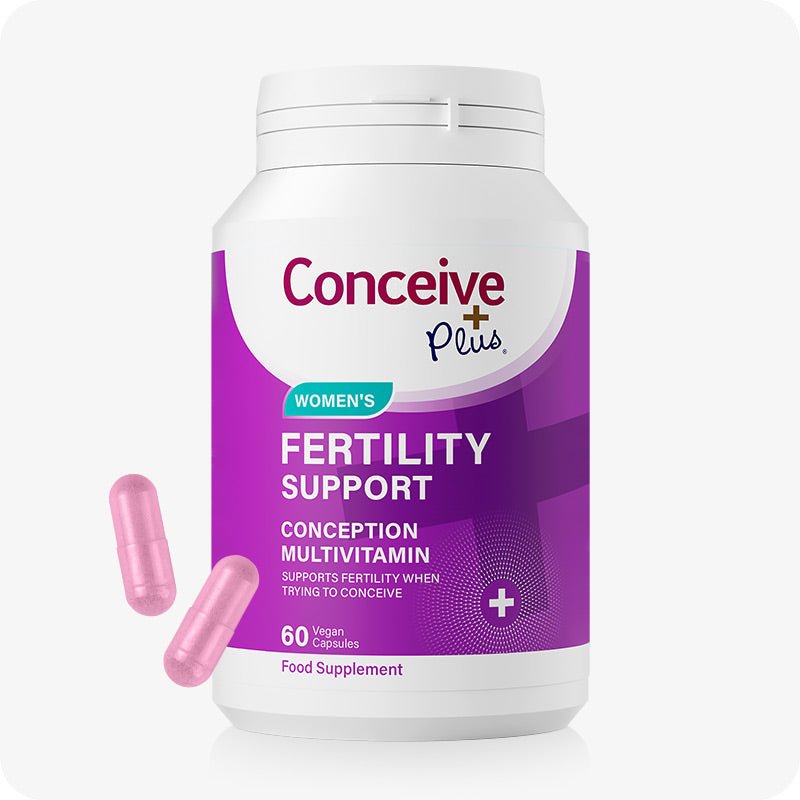
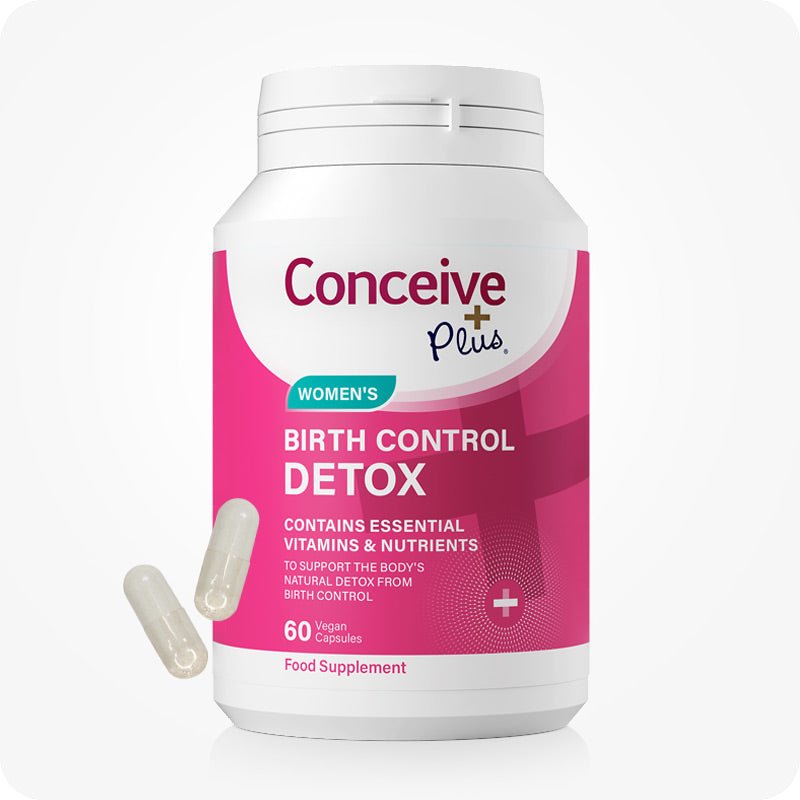
This waiting period is an ideal time to focus on your long-term reproductive health. Maintaining a balanced diet and reducing caffeine intake creates a supportive environment for your body's natural processes. It's also the perfect moment to ensure your nutritional foundations are solid by taking a high-quality prenatal vitamin. Supporting your body's rhythm can make each cycle feel more manageable and predictable. For those looking to encourage cycle regularity and hormonal balance, using Conceive Plus Women’s Fertility Support can provide essential nutrients tailored for this journey. If you're ready to prepare for your testing day, you can find our reliable Conceive Plus Pregnancy Test in our online shop.
Interpreting Your Results and Planning Your Next Steps with Conceive Plus
The moment you look at the result window is the culmination of the patience and preparation we’ve discussed. If you see a positive result, take a deep breath and acknowledge this significant milestone. Your next step is to contact your GP or a healthcare professional to confirm the pregnancy and begin your prenatal care journey. Starting this process early ensures you and your developing baby receive the specialized support and nutritional guidance necessary for a healthy start.
If the result is negative, it’s natural to feel a wave of disappointment. However, we encourage you to view this as a single data point in your longer journey rather than a final answer. If your period still hasn't arrived, it’s possible you miscalculated your ovulation date or the hCG levels haven't reached the detection threshold yet. Recalling the science of when to take a pregnancy test helps you stay objective; sometimes, your body simply needs a few more days to provide a clear signal.
Understanding Faint Lines and Negatives
A common source of confusion is the appearance of a faint line. A line is a line. If you see even the faintest streak of color within the manufacturer’s specified time limit, it indicates that the test has detected hCG. If you receive a negative result but your physical symptoms strongly suggest pregnancy, follow the "test again in 48 hours" rule. This window allows the hormone concentration to double, providing a much higher chance of a definitive result. If you're unsure about when to take a pregnancy test after a negative, waiting those extra two days is the most reliable strategy for your peace of mind.
How Conceive Plus Supports Your Journey
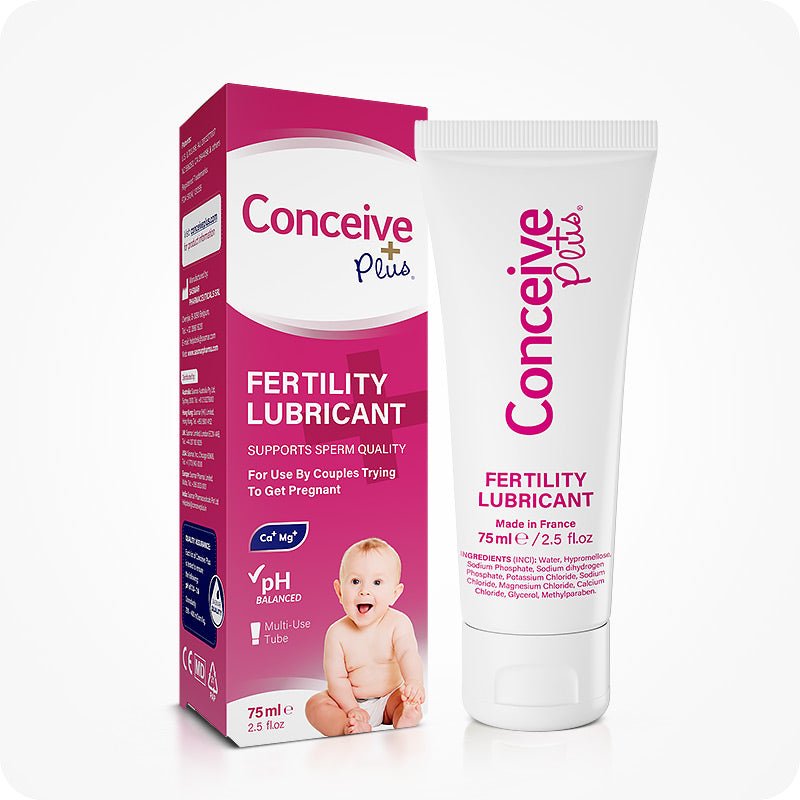
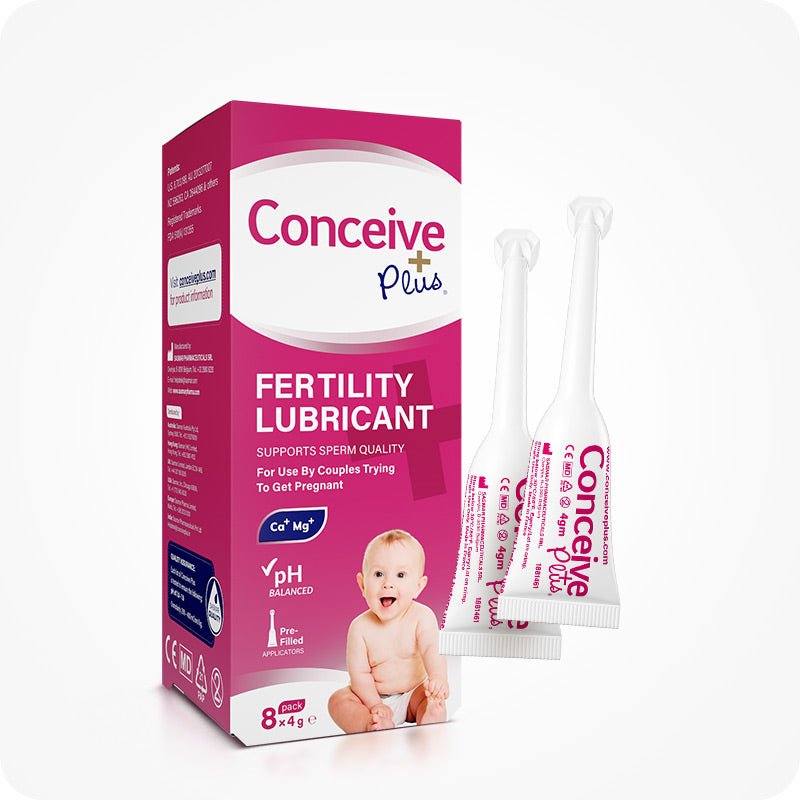
If this cycle doesn't result in a pregnancy, you can use the coming weeks to further optimize your environment for conception. Many couples don't realize that standard lubricants can actually hinder their efforts by creating a barrier for sperm. Conceive Plus Fertility Lubricant is specifically formulated to be pH-balanced and sperm-friendly, mimicking the body's natural fertile fluids. Our formula includes essential magnesium and calcium ions, which are vital for sperm health and motility, helping them reach their destination more effectively.
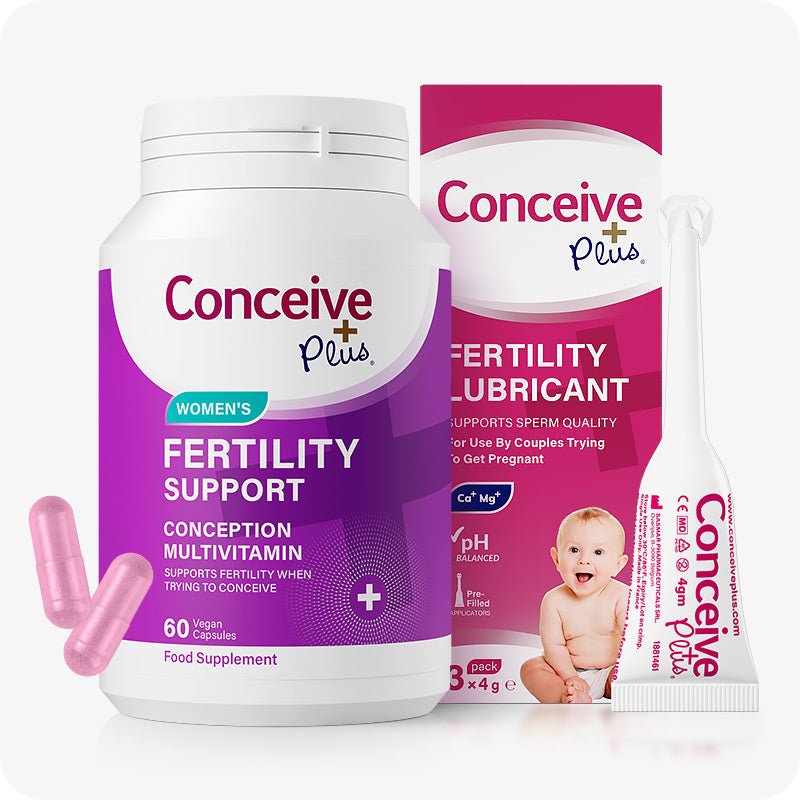
Taking a proactive approach can help transform the waiting period into a time of preparation and hope. By focusing on supportive tools and nutritional foundations, you're giving your body the best possible chance in the cycles ahead. To help you get started, you can Shop the Conceive Plus Fertility Starter Kit and find everything you need to prepare for your next fertile window with confidence.
Moving Forward with Confidence and Clarity
Navigating the journey toward parenthood requires both patience and precision. By mastering the biology of hCG and understanding your unique cycle, you've moved beyond the anxiety of guesswork. You now know that determining when to take a pregnancy test is a matter of honoring your body's timeline rather than fighting it. Whether you're waiting for a missed period or utilizing early detection technology, your approach is now grounded in scientific clarity and emotional readiness.
We are here to support every step of your path with reliable tools and expert-led care. Our products, featuring a patented formula developed by Sasmar Pharmaceuticals, are recommended by fertility clinics worldwide. From our sperm-friendly, pH-balanced lubricants to our highly sensitive testing kits, we provide the optimization your personal journey deserves. Order your Conceive Plus Pregnancy Tests and Fertility Aids today to ensure you have the most dependable resources at hand. Remember that every cycle is a step forward, and you don't have to walk this path alone.
Frequently Asked Questions
Can I take a pregnancy test at night or should I wait until morning?
You can take a pregnancy test at night, but your results will be most reliable using first morning urine if you're testing before your period is due. During sleep, hCG builds up in your bladder without being diluted by the fluids you drink during the day. If your period is already several days late, the hormone concentration is usually high enough to be detected at any time of day or night.
How soon after unprotected sex can I take a pregnancy test?
You should wait at least 14 days after unprotected sex to ensure a reliable result. It takes time for fertilization, travel through the fallopian tube, and implantation to occur before the body begins producing detectable hormones. Testing earlier than this window often leads to a false negative because the biological markers haven't reached a detectable threshold yet. Patience during this interval helps you avoid the stress of ambiguous results.
Does a faint line on a pregnancy test always mean I am pregnant?
A faint line typically indicates a positive result, provided it appears within the timeframe instructed by the manufacturer. Even a very light line means the test has detected the pregnancy hormone in your system. If the line is colorless or only appears after the test has dried, it might be an evaporation line. When you're unsure about when to take a pregnancy test to confirm a faint result, waiting 48 hours for a re-test is the most supportive path forward.
Can drinking too much water cause a false negative pregnancy test?
Excessive water consumption can dilute your urine and potentially lead to a false negative result. If you drink large amounts of fluids shortly before testing, the concentration of hCG may drop below the level the kit is calibrated to detect. This is particularly common during the first few days of the two-week wait. To maintain accuracy, try to limit your fluid intake for about two hours before you plan to use a test.
What should I do if I have a missed period but a negative pregnancy test?
If your period is late but the test is negative, you should wait 48 hours and test again. Your ovulation may have occurred later than usual, meaning the hCG levels aren't high enough for detection yet. If a week passes and your period still hasn't arrived despite multiple negative results, it's best to consult your GP. They can investigate other factors, such as stress or hormonal imbalances, that might be affecting your cycle regularity.
Can certain medications or vitamins cause a false positive result?
Most common medications and vitamins, including antibiotics and birth control, do not cause false positive results. Only medications containing the hormone hCG, such as certain fertility trigger injections like Pregnyl or Ovidrel, can interfere with the test outcome. It's a common misconception that biotin or standard multivitamins affect the result. If you aren't undergoing specific fertility treatments involving hCG, you can trust that a positive result is accurate.
Is an early detection pregnancy test as accurate as a standard one?
Early detection tests are highly accurate but require a specific understanding of biological timing. These kits are designed with a lower sensitivity threshold, often 10 mIU/ml, allowing them to find the hormone sooner than standard 25 mIU/ml tests. While they are technically as reliable as standard kits, the risk of a false negative is higher if you use them too early. For the most definitive answer, testing on the day of your missed period remains the most reliable option.
How long after implantation does hCG show up in a urine test?
hCG typically becomes detectable in urine about 2 to 3 days after successful implantation. While the hormone enters the bloodstream almost immediately after the embryo attaches to the uterine lining, it takes a short period to filter into the urine at measurable levels. This delay is why determining when to take a pregnancy test depends so heavily on the implantation window, which typically occurs 6 to 12 days after ovulation.
🌱 Get Answers Early
Millions of women trust Conceive Plus for their fertility journey. Clinically validated pregnancy tests delivered to your door.
Shop Pregnancy Tests →Trusted by Couples in Over 70 Countries
Support Male Fertility From the Inside Out
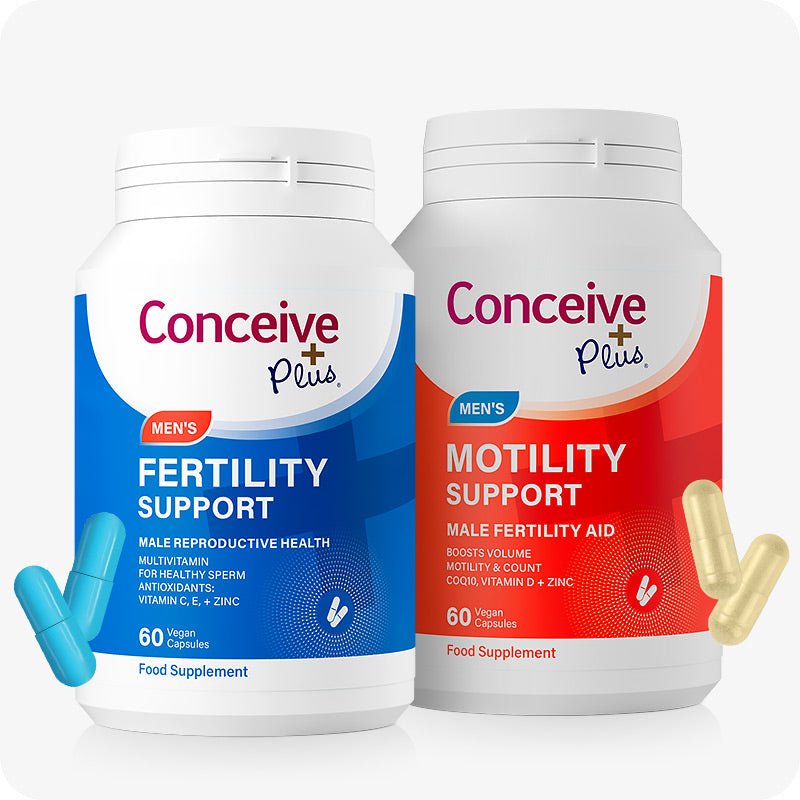
Male fertility is just as important as female fertility in the conception journey. Conceive Plus Men's range delivers targeted nutritional support to promote healthy sperm and overall reproductive wellbeing.
Shop Men's Range →