10 Fertility Myths That Could Be Holding You Back — And the Truth Behind Them


Why Fertility Myths Matter
When you are trying to conceive, information comes from every direction — well-meaning family members, internet forums, social media influencers, and even some healthcare providers who are not up to date on the latest research. Unfortunately, not all of this advice is accurate. Fertility myths can delay treatment, cause unnecessary anxiety, or lead couples to make decisions based on false assumptions.
In a field where timing and biology are critical, misinformation can literally cost months or years. This article examines 10 of the most persistent fertility myths and replaces them with what the science actually shows.
Myth 1: "If You Just Relax, You'll Get Pregnant"
Supporting Your Fertility Journey
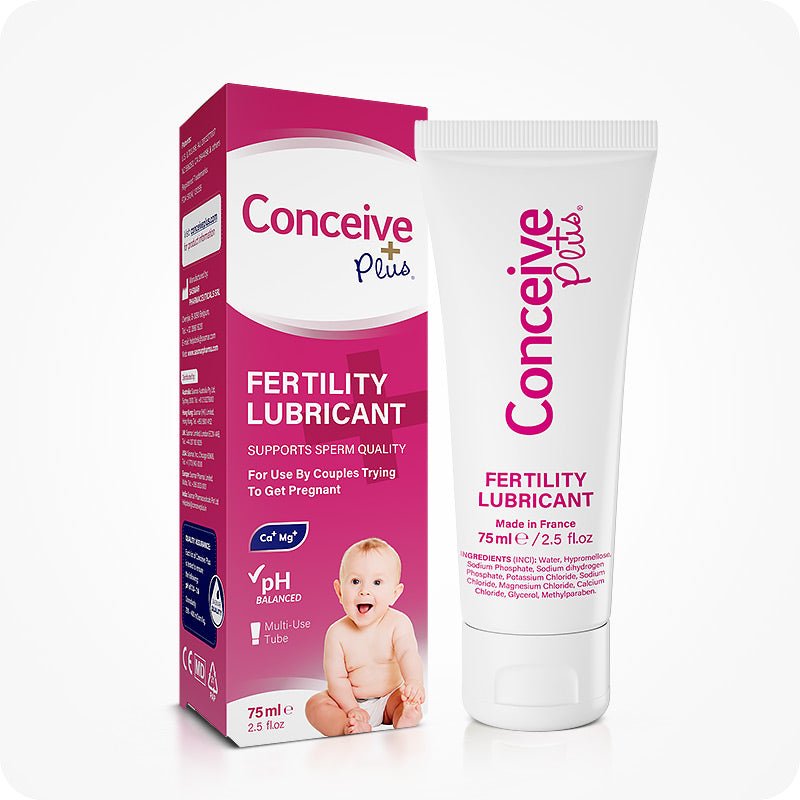
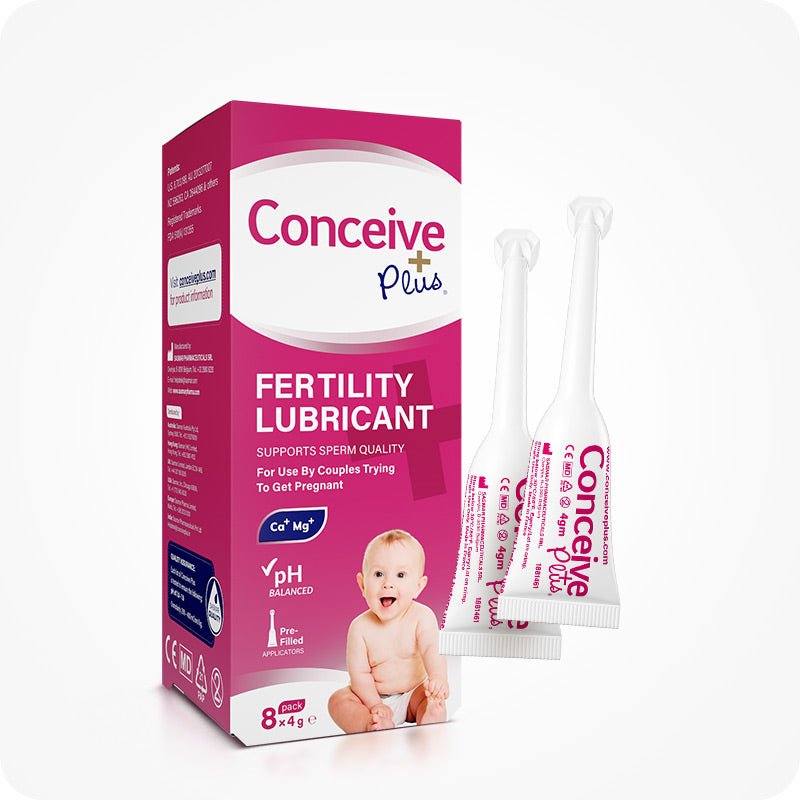
Conceive Plus is formulated by fertility specialists to work with your body — not against it. Our fertility-friendly lubricant is clinically tested to match the pH and osmolality of fertile cervical mucus, ensuring sperm can survive and reach the egg.
This is perhaps the most harmful myth of all, because it implies that infertility is somehow the person's fault — that they are too stressed, too uptight, too anxious. The reality is far more nuanced.
While chronic, severe stress can disrupt hormonal regulation (particularly cortisol's effect on GnRH, which governs the menstrual cycle), the vast majority of infertility cases have identifiable medical causes — structural issues, hormonal disorders, sperm problems — that have nothing to do with stress levels.
Research published in Human Reproduction found that while psychological wellbeing matters during IVF, there is no strong evidence that stress alone causes infertility in otherwise healthy couples. Telling someone to "just relax" is not only unhelpful — it is dismissive of a real medical condition.
The truth: Manage stress because it benefits your overall health, not because it is the reason you are not conceiving. If you have been trying for 12 months (or 6 months if over 35), seek a medical evaluation regardless of your stress levels.
Myth 2: "You Can't Get Pregnant If You Have Sex Every Day"
This myth has circulated for decades, based on the idea that frequent ejaculation depletes sperm and reduces fertility. In practice, the evidence does not support this for men with normal sperm parameters.
Daily intercourse during the fertile window (the 5–6 days leading up to ovulation) has been shown in some studies to produce pregnancy rates equal to or better than every-other-day intercourse. For men with low sperm count, a 1–2 day abstinence period before the key ovulation day may be slightly beneficial, but for most couples, frequency of sex during the fertile window is not the primary limiting factor.
The truth: Have sex as often as you and your partner are comfortable with during the fertile window. Consistency matters more than rationing.
Myth 3: "Age Only Affects Women's Fertility"
Age-related fertility decline is much more publicly discussed for women than for men — and for good reason, since the decline in female fertility is steeper and better documented. However, male fertility is also affected by age, and significantly so.
Research shows that sperm DNA fragmentation increases with age, and sperm parameters such as motility and morphology tend to decline. Studies have found that men over 45 take longer to achieve pregnancy with a partner, and that the children of older fathers have a slightly elevated risk of certain genetic conditions (including autism spectrum disorder and schizophrenia).
Male fertility begins to decline measurably from around age 40–45, though the decline is more gradual than in women.
The truth: Age affects fertility in both men and women. While the impact on men is less dramatic, it is real and should be factored into family planning decisions.
Myth 4: "You'll Know When You're Ovulating Because of How You Feel"
Some women do experience noticeable ovulation signs — a twinge of pain on one side (mittelschmerz), increased libido, or a change in vaginal discharge. But many women have no perceptible symptoms at all, and even those who do experience symptoms can be off by a day or two, which is critical when the egg survives only 12–24 hours after release.
Body signals alone are unreliable guides. Calendar tracking based on a "28-day cycle" is even less reliable for the majority of women whose cycles vary.
The truth: Basal body temperature (BBT) charting, LH surge tests (ovulation predictor kits), and cervical mucus monitoring are far more accurate tools for identifying your fertile window. BBT rises after ovulation has already occurred, so OPKs that detect the LH surge are most useful for timing.
Myth 5: "Previous Pregnancies Mean Fertility Isn't an Issue"
This underlies the common surprise of secondary infertility — the assumption that conceiving once means you can always conceive again. But fertility is dynamic, not static. In the years between pregnancies, both partners' reproductive health can change significantly.
A woman may develop PCOS, endometriosis, or uterine fibroids. A man may develop a varicocele or experience hormone changes. Age itself is a factor — a couple who conceived naturally at 30 may find things considerably harder at 36.
The truth: Previous successful pregnancies do not guarantee future fertility. If you have been trying for the appropriate duration (12 months under 35; 6 months over 35) without success, seek an evaluation regardless of your obstetric history.
Myth 6: "Fertility Treatments Always Result in Multiple Pregnancies"
This myth is rooted in the early days of IVF, when multiple embryos were routinely transferred to maximise success rates. The result was a generation of IVF twins and triplets. Modern reproductive medicine has moved decisively away from this approach.
Today, single embryo transfer (SET) is strongly recommended for most patients, particularly those under 38 or those with good-quality embryos. This significantly reduces the risk of multiple pregnancy while maintaining strong live birth rates. Elective SET has been shown in multiple studies to produce similar cumulative pregnancy rates to double embryo transfer, with far fewer risks.
The truth: Modern IVF with single embryo transfer carries a relatively low risk of multiple pregnancy. Discuss your clinic's approach to embryo transfer with your specialist.
Myth 7: "Lubricants Help Conception by Improving Sperm Movement"
This is a dangerous misconception. Most personal lubricants — including water-based lubricants, petroleum jelly, olive oil, and even saliva — are toxic to sperm. Laboratory studies have consistently shown that exposure to common lubricants significantly impairs sperm motility, sometimes reducing it by 60–100% within 60 minutes.
The problem lies in pH and osmolality. Healthy sperm require specific conditions (pH 7.2–8.0 and osmolality around 300 mOsm/kg) to swim effectively. Most lubricants create environments that are either too acidic or too concentrated, causing sperm to slow and die before they can reach the egg.
The truth: If lubrication is needed during conception-focused intercourse, use a product specifically formulated to be fertility-friendly — one that matches the natural pH and osmolality of fertile cervical mucus, and that has been tested not to impair sperm function.
Myth 8: "Infertility Is Always the Woman's Problem"
Culturally, infertility has historically been framed as a female issue — but the data tells a very different story. According to the World Health Organisation, male factor infertility is responsible for approximately 40–50% of all infertility cases. In a further 20–30% of cases, both partners have contributing factors.
Despite this, women are often the first (and sometimes only) person to be investigated when a couple struggles to conceive. Men are often resistant to semen analysis, viewing it as a threat to their identity or masculinity. This delay in male investigation can cost precious months.
The truth: Infertility is a couple's issue. A semen analysis is one of the simplest, least invasive fertility tests available and should be done early in any diagnostic workup.
Myth 9: "Organic Food and Superfoods Will Cure Infertility"
The "fertility diet" industry has exploded in recent years, with claims that specific foods — avocado, maca, royal jelly, acai — can dramatically improve reproductive outcomes. While diet unquestionably plays a role in reproductive health, the evidence for specific "superfoods" is much weaker than the marketing suggests.
What the research does support is a broadly healthy dietary pattern — the Mediterranean diet in particular — associated with better IVF outcomes and higher natural conception rates. This means plentiful vegetables, fruits, legumes, whole grains, lean proteins, and healthy fats, with minimal processed foods, trans fats, and excessive sugar.
The truth: Overall dietary quality matters for fertility. Eating a balanced, Mediterranean-style diet is well-evidenced. There is no single "miracle food," and organic labelling alone does not confer reproductive benefits.
Myth 10: "If IVF Doesn't Work, Nothing Will"
This myth cuts both ways — some people give up too quickly if IVF fails, while others avoid exploring IVF because they see it as a "last resort" rather than one of several valid options.
In reality, IVF failure is not the end of the road. Multiple IVF cycles are often needed, and the cumulative success rates improve with each attempt. Pre-implantation genetic testing (PGT) can identify chromosomally normal embryos, significantly improving outcomes. Donor eggs or sperm may expand options further. And for some couples, adoption or child-free living becomes the path forward.
The truth: Fertility treatment is a journey with many paths. One IVF failure, or even several, does not mean parenthood is impossible. Work closely with your specialist to understand your specific situation and all available options.
Frequently Asked Questions About Fertility Myths
Does standing upside down after sex improve the chances of conception?
No. Sperm begin their journey toward the cervix almost immediately after ejaculation, and healthy sperm can reach the fallopian tubes within minutes. Lying still for a few minutes after sex is unlikely to cause harm, but elevating your legs or performing inversions is unnecessary and unsupported by evidence.
Can you get pregnant during your period?
Yes, in theory. While the probability is low, women with short cycles can ovulate early enough that sperm — which survive up to 5 days — could still be viable. This is rare but possible, particularly for women with irregular cycles.
Does caffeine affect fertility?
High caffeine intake (over 300mg per day, or roughly 3 cups of coffee) has been associated with modest reductions in fertility and a slightly increased risk of miscarriage. Most guidelines recommend limiting caffeine to under 200mg per day when trying to conceive.
Is it true that certain sexual positions improve conception chances?
No evidence supports the idea that specific positions improve conception rates. Sperm swim toward the cervix regardless of body position. Comfort and intimacy are far more relevant than geometry.
Does exercise hurt fertility?
Moderate exercise benefits overall health and fertility. However, extremely high-intensity or high-volume training — particularly in women who are already lean — can suppress ovulation by disrupting the hypothalamic-pituitary-ovarian axis. Balance is key.
Are fertility supplements regulated and effective?
Supplements are not regulated as rigorously as pharmaceutical drugs, so quality varies significantly. However, several specific nutrients have strong scientific support for supporting reproductive health — including folate, CoQ10, vitamin D, zinc, and omega-3 fatty acids. Choose reputable brands that undergo third-party testing.
Can stress cause miscarriage?
There is no strong evidence that everyday stress causes miscarriage. The vast majority of miscarriages (approximately 60–70%) are caused by chromosomal abnormalities in the embryo. While extreme physiological stress can theoretically affect hormonal balance, normal life stress is not a primary driver of pregnancy loss.
Does using a laptop on your lap affect male fertility?
Heat is a genuine concern for sperm production, as the testes function best at slightly below core body temperature. Laptop use on the lap raises scrotal temperature measurably, and while the clinical significance of this in real-world fertility outcomes is uncertain, it is a sensible precaution to keep laptops on a surface rather than on the lap during prolonged use.
Can herbal teas or supplements harm fertility?
Some herbal products can interfere with hormone levels or medication efficacy. St. John's Wort, for example, can reduce the effectiveness of certain medications. Always inform your fertility specialist about any herbal products you are taking.
Is infertility always permanent?
Not at all. Many causes of infertility — ovulatory disorders, hormonal imbalances, correctable structural issues, and lifestyle factors — are treatable. Even where natural conception is not possible, assisted reproduction technology offers many couples a path to parenthood.
Ready to Optimise Your Fertility?
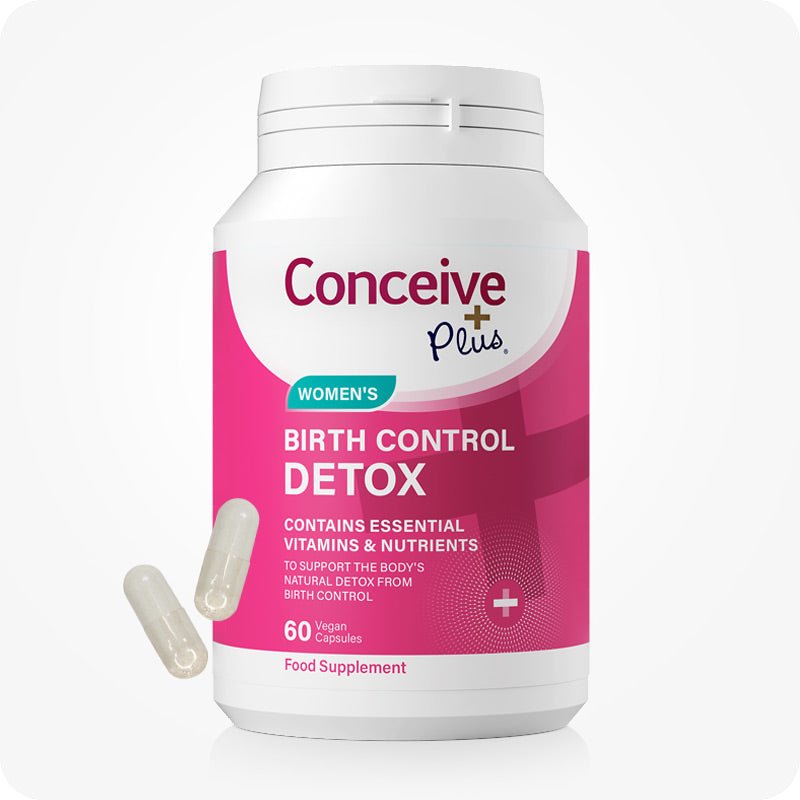
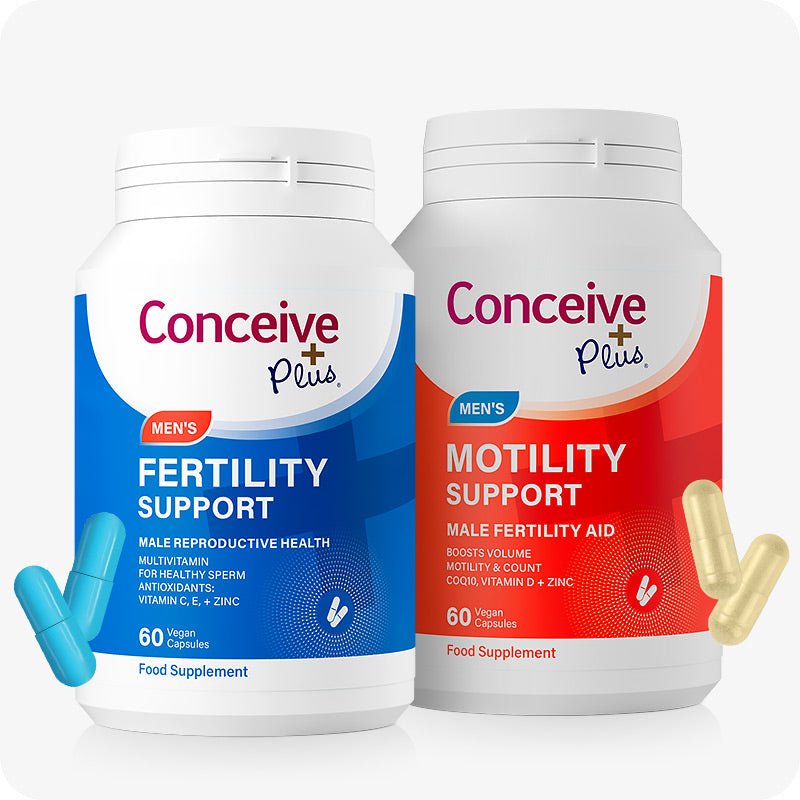
Whether you're just starting your journey or have been trying for a while, Conceive Plus products are designed by fertility experts to support every step — from optimising the conception environment to providing the nutrients your body needs.
Trusted by thousands of couples around the world. Formulated with care, backed by science.