Stress, Sleep, and Exercise: The Lifestyle Trinity That Transforms Your Fertility Journey


The Hidden Pillars of Fertility Health
Three lifestyle factors — stress, sleep, and exercise — form a critical foundation for fertility. A 2022 study tracking over 4,500 women found high stress linked to 29% lower conception probability. Vigorous exercise reduced ovulatory infertility by 36%. Sleeping under 7 hours correlated with 21% lower pregnancy rates.
How Stress Affects Fertility
Chronic stress elevates cortisol, disrupting LH, FSH, and GnRH — delaying ovulation. In men, stress reduces testosterone. A 2023 meta-analysis found women with elevated anxiety had 38% lower IVF pregnancy rates.
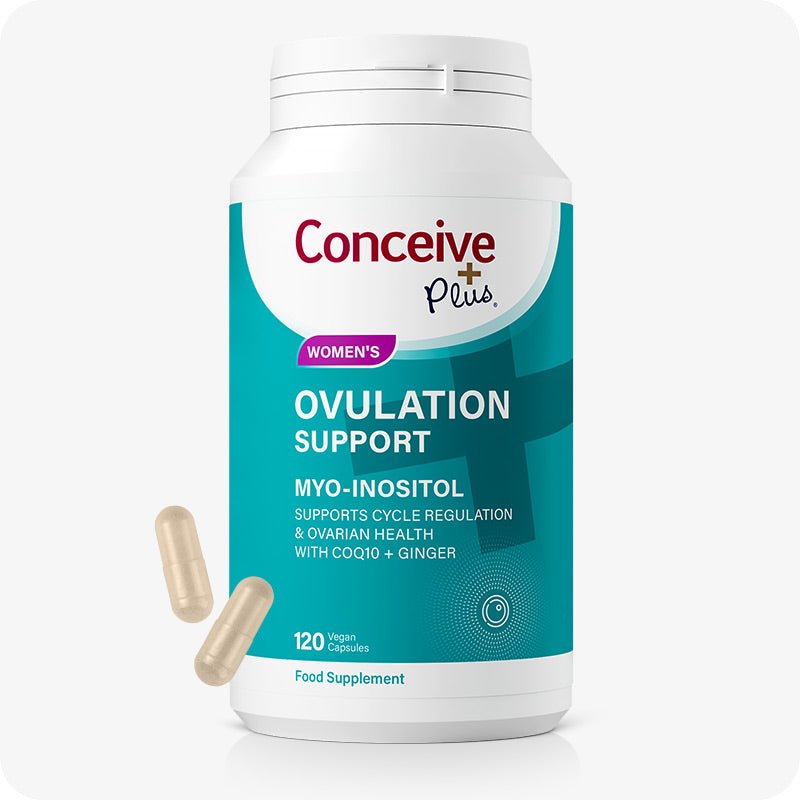
Support your body through fertility challenges. Ovulation Support from Conceive Plus is formulated to support your fertility journey.
Stress Reduction Techniques
CBT: 10-week programme — 45% higher pregnancy rate. MBSR: Lowered cortisol by 52% in IVF patients. Acupuncture: Reduces cortisol by 17-24%. Yoga: Improves pregnancy rates. Journaling: 15-20 min, 3-4 times weekly.
Sleep and Fertility
Melatonin protects egg and sperm. Seven to eight hours correlates with higher AMH. Men sleeping under 6 hours had 25% lower sperm counts. Optimise with consistent schedules, a cool dark room, and limiting blue light.
Exercise: The Fertility Sweet Spot
For Women: Moderate aerobic 30-45 min, 5 days weekly, plus strength training — 38% higher pregnancy rates. For Men: Moderate exercise 3-5 times weekly — 47% better sperm quality.
Your 8-Week Action Plan
Weeks 1-2: Track and identify your biggest area. Weeks 3-4: Implement one change. Weeks 5-6: Add second pillar. Weeks 7-8: Integrate all three.
Frequently Asked Questions
Can stress prevent pregnancy? Reduces conception probability by up to 29% per cycle. Best sleep? 7-9 hours. Too much exercise? Over 5 hours high-intensity can disrupt ovulation. Best exercise? Moderate aerobic + strength training. Does yoga help? Yes — reduces cortisol and improves pelvic blood flow. Timeframe for change? ~90 days. Can men benefit? Yes — stress reduces testosterone. Exercise after transfer? Gentle walking is fine. Shift work? Disrupts circadian rhythms and fertility. How quickly? Some notice better cycles within 1-2 months.
Optimise every aspect of your fertility health. Ovulation Support — every step forward matters.