Fertility Testing for Couples: A Complete Guide to Understanding Your Fertility Health


Why Fertility Testing Matters for Both Partners
Fertility testing is one of the most empowering steps a couple can take on their journey to parenthood. Yet many couples delay testing because they assume fertility challenges are rare or that testing is invasive and complicated. The reality is that infertility affects approximately one in six couples worldwide, and in roughly half of cases, a male factor contributes. Testing is straightforward, non-invasive, and provides the information needed to make informed decisions.
The traditional approach of "just relax and it will happen" is being replaced by proactive, evidence-based fertility care. Understanding your reproductive health early — rather than after months or years of disappointment — allows you to identify potential issues, make targeted lifestyle changes, and seek treatment before time becomes a compounding factor.
For women, fertility declines with age, particularly after 35. For men, while the decline is more gradual, advanced paternal age is associated with increased DNA fragmentation. Testing provides a baseline that helps you and your healthcare provider determine the most appropriate path forward — whether that is expectant management, lifestyle optimisation, or assisted reproductive technology.
At Conceive Plus, we believe knowledge is power. Fertility testing is not an admission of failure — it is a proactive step toward building your family.
Female Fertility Testing: What to Expect
💙 Support Your Fertility Journey
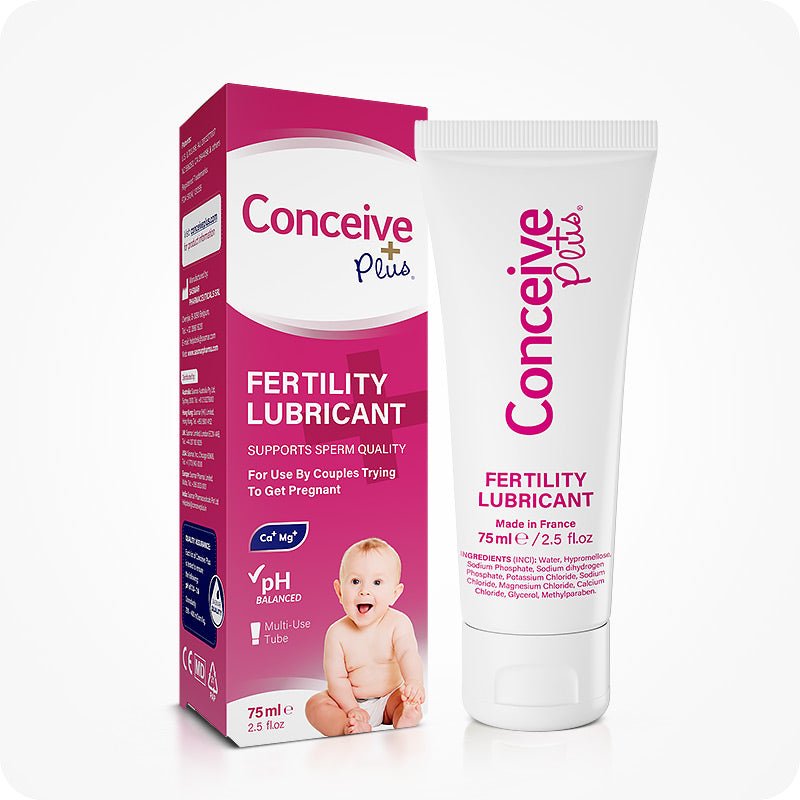
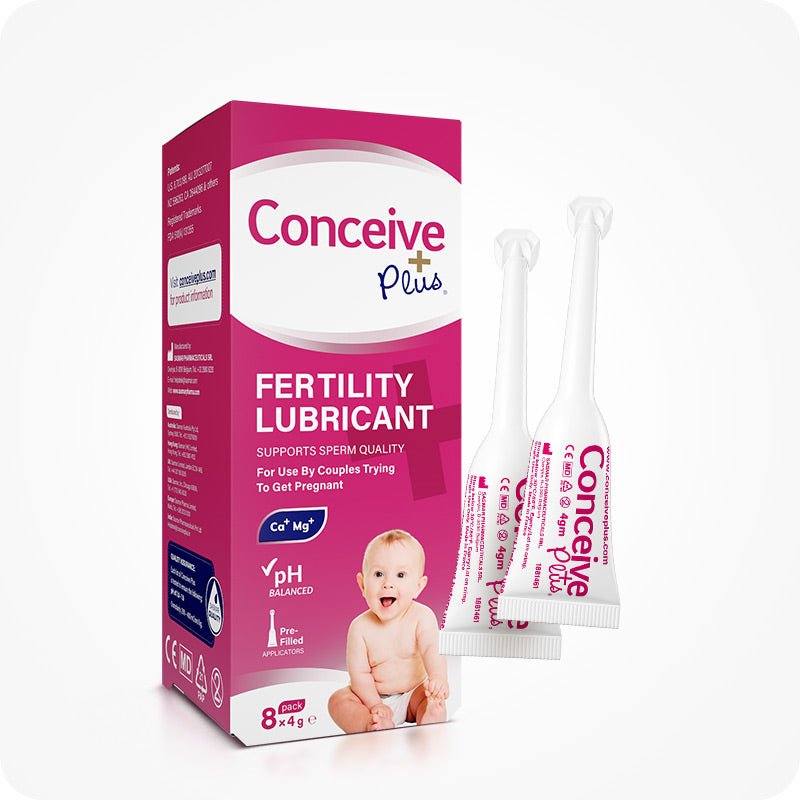
Give your body the nutritional support it needs. Explore Conceive Plus Fertility Lubricant →
Female fertility evaluation typically begins with a thorough medical history and several key tests designed to assess ovarian reserve, ovulatory function, and reproductive anatomy.
Ovarian Reserve Testing: This group of tests estimates the quantity and quality of a woman's remaining eggs. The most common tests include anti-Müllerian hormone (AMH), measured from a blood draw on any day of the menstrual cycle; antral follicle count (AFC), assessed via transvaginal ultrasound on days 2–4 of the cycle; and FSH and oestradiol levels, also measured on day 2–4. AMH is currently the most reliable predictor of ovarian reserve and does not fluctuate significantly across cycles.
Ovulation Confirmation: Regular ovulation is essential for natural conception. Ovulation can be confirmed through ovulation predictor kits (OPKs) that detect the LH surge, basal body temperature (BBT) charting, mid-luteal progesterone blood test (day 21 of a 28-day cycle), or at-home fertility monitors. Progesterone levels above 30 nmol/L confirm ovulation occurred.
Hysterosalpingography (HSG): This X-ray procedure evaluates whether the fallopian tubes are open and the uterine cavity is normal. Blocked tubes prevent the egg and sperm from meeting and are a common cause of infertility. HSG is performed in the follicular phase (days 6–12) and may cause mild cramping.
Transvaginal Ultrasound: A baseline scan assesses uterine structure, endometrial lining, ovarian appearance, and the presence of ovarian cysts or fibroids. Serial ultrasound can also track follicle development throughout a cycle.
Thyroid and Prolactin Screening: Thyroid dysfunction and elevated prolactin are treatable causes of ovulatory disorders. A simple blood test rules out these common hormonal imbalances.
Male Fertility Testing: Simple and Non-Invasive
Male fertility testing is remarkably simple compared to female testing. The cornerstone is semen analysis, which requires a single sample produced through masturbation after 2–5 days of sexual abstinence.
Semen analysis evaluates several key parameters:
- Sperm count: Total number of sperm per millilitre (normal: ≥ 15 million/mL)
- Motility: Percentage of sperm moving progressively (normal: ≥ 42%)
- Morphology: Percentage with normal shape (normal: ≥ 4% under strict criteria)
- Volume: Amount of semen produced (normal: 1.4–7.6 mL)
- pH, viscosity, and white blood cell count: Additional markers of reproductive tract health
A single abnormal result is not cause for alarm. Sperm parameters fluctuate due to illness, stress, and recent activity. Repeat testing after 2–3 months provides a more accurate picture.
If semen analysis reveals abnormalities, further male fertility testing may include:
- Hormone profiling: FSH, LH, testosterone, prolactin to assess the hypothalamic-pituitary-gonadal axis
- Scrotal ultrasound: To detect varicocele, testicular abnormalities, or obstruction
- DNA fragmentation testing: To assess the genetic integrity of sperm
- Genetic testing: Karyotype analysis, Y-chromosome microdeletion testing, and CFTR gene testing in men with severe sperm abnormalities
The male fertility workup is quick, affordable, and provides information that is essential for guiding treatment decisions. No couple's fertility evaluation is complete without testing both partners.
When Should You Start Fertility Testing?
The timing of fertility testing depends primarily on the woman's age and the couple's medical history. Current guidelines from the American Society for Reproductive Medicine (ASRM) and the National Institute for Health and Care Excellence (NICE) recommend:
Under 35: Seek evaluation after 12 months of regular, unprotected intercourse without conception. Earlier testing is warranted if there is a known medical history (e.g., irregular periods, previous pelvic surgery, known male factor).
Age 35–40: Seek evaluation after 6 months of trying. Fertility declines more rapidly after 35, and early intervention is associated with better outcomes.
Over 40: Immediate evaluation is recommended. At this age, time is of the essence, and testing should be initiated without delay.
Regardless of age: Testing is indicated earlier if there is a known condition affecting fertility, such as endometriosis, PCOS, a history of chemotherapy or radiation, recurrent miscarriage, or a known genetic condition. Additionally, if the male partner has a history of testicular trauma, surgery, infection, or known infertility risk factors, testing should not be delayed.
Early testing does not mean rushing to treatment. Many couples who undergo testing discover they have no significant issues and can proceed with confidence. Others identify treatable problems that would otherwise have gone undetected for months or years, wasting precious time.
Understanding Fertility Test Results
Interpreting fertility test results can be overwhelming, but a basic understanding empowers you to have informed discussions with your healthcare provider.
AMH Levels: Anti-Müllerian hormone is produced by ovarian follicles and reflects the remaining egg supply. Levels above 1.0 ng/mL are generally considered normal. Levels between 0.5–1.0 ng/mL indicate diminished ovarian reserve, and levels below 0.5 ng/mL suggest significantly reduced reserve. However, AMH does not predict egg quality — only quantity.
Tubal Patency: HSG results will indicate whether the fallopian tubes are open (patent) or blocked. Unilateral blockage (one tube open) still allows natural conception, while bilateral blockage requires IVF or surgical correction.
Semen Analysis: Results are compared against WHO reference ranges. A score of "low" in any parameter does not mean conception is impossible — it means the statistical probability per cycle is reduced. Mild male factor infertility often responds well to lifestyle changes, supplements, and timing optimisation.
Ovulation Status: Day 21 progesterone levels > 30 nmol/L confirm ovulation occurred in that cycle. Irregular or absent ovulation is one of the most treatable causes of infertility and may respond to lifestyle changes, medication (clomiphene, letrozole), or both.
Remember: fertility test results are a snapshot of your current health, not a permanent diagnosis. Many conditions are reversible or treatable. Work with a reproductive specialist to create a personalised plan.
At-Home Fertility Testing Options
The fertility testing landscape has expanded dramatically in recent years, and many valuable tests can now be performed at home. While these do not replace comprehensive medical evaluation, they provide convenient and affordable starting points.
Ovulation Predictor Kits (OPKs): These detect the LH surge that occurs 24–36 hours before ovulation. Digital OPKs are highly accurate and eliminate the subjectivity of interpreting test lines. Conceive Plus offers reliable ovulation predictor kits that help you identify your fertile window with confidence.
Fertility Monitors: Advanced devices track multiple hormones (LH, oestrogen) and provide daily fertility status. Some connect to smartphone apps for comprehensive cycle tracking. These are particularly useful for women with irregular cycles.
At-Home Semen Analysis: Several FDA-cleared devices allow men to test sperm count and motility at home. Results are available within minutes and provide a useful screening tool. However, they do not assess morphology or DNA fragmentation, so abnormal results should be confirmed with laboratory testing.
Basal Body Temperature (BBT) Charting: Tracking your temperature each morning confirms ovulation has occurred but cannot predict it in advance. Modern wearable sensors make this easier than traditional thermometer methods.
At-Home Hormone Tests: Finger-prick blood tests for AMH, FSH, and thyroid function are available from several companies. These provide baseline information but should be discussed with a healthcare provider for interpretation.
At-home testing is a complement to — not a replacement for — professional fertility evaluation. If you receive abnormal results or have been trying for more than 6 months, consult a reproductive specialist.
Next Steps After Fertility Testing
Once you have your fertility test results, you and your healthcare provider can develop a targeted plan. The appropriate next steps depend on the findings:
Normal results for both partners: If testing reveals no significant issues, you may be advised to continue trying naturally. Consider optimising with fertility-friendly lubricants, accurate ovulation tracking, and healthy lifestyle habits. If conception has not occurred after further time, repeat testing or advanced evaluation may be warranted.
Ovulatory issues: Irregular or absent ovulation is highly treatable. Lifestyle modification, weight management, and medications such as clomiphene or letrozole are effective first-line treatments. Tracking your cycle with Conceive Plus ovulation kits helps ensure optimal timing.
Male factor issues: Depending on severity, options include lifestyle changes, supplements, varicocele repair, IUI (sperm washing and concentration), or IVF with ICSI. The vast majority of male fertility issues are treatable.
Tubal blockage: Tubal surgery may be an option for mild blockage. For more significant tubal disease, IVF is typically the most effective path.
Diminished ovarian reserve: If ovarian reserve is low, time is of the essence. Consider fertility preservation (egg freezing) if not ready to conceive, or proceed directly to treatment rather than expectant management.
Unexplained infertility: When standard testing reveals no clear cause, treatment often begins with ovulation induction and IUI before progressing to IVF if needed. Approximately 15% of couples receive a diagnosis of unexplained infertility after complete evaluation.
The most important message is this: fertility testing is the beginning of the journey, not the end. Every result generates a path forward. With modern reproductive medicine, the vast majority of couples who seek treatment will ultimately conceive.
Frequently Asked Questions
How much does fertility testing cost?
Costs vary widely by location and insurance coverage. A semen analysis typically costs £50–£150. Female fertility blood tests (AMH, FSH) range from £100–£300. HSG can cost £300–£800. Many insurance plans cover basic fertility testing.
Do I need a referral for fertility testing?
In many countries, you can request fertility testing through your GP or directly at a fertility clinic. The NHS in the UK requires GP referral. Private clinics typically accept self-referrals.
Can fertility testing be done on any day of my cycle?
Some tests are cycle-day specific. AMH can be tested any day. FSH, LH, and oestradiol should be tested on day 2–4 of your cycle. HSG should be performed in the follicular phase (days 6–12). Progesterone is tested on day 21 of a 28-day cycle.
Is fertility testing painful?
Most fertility tests are minimally uncomfortable. Blood tests cause brief sting, transvaginal ultrasound may cause mild pressure, and HSG can cause cramping similar to a period. Semen analysis is non-invasive.
How long does it take to get fertility test results?
Blood test results (AMH, FSH, thyroid) typically return within 24–48 hours. Semen analysis results are usually available within a few hours. Genetic testing may take 2–4 weeks.
Should my partner and I be tested at the same time?
Yes. Testing both partners simultaneously is strongly recommended. Even if one partner has a known issue, the other should still be evaluated to ensure the treatment plan addresses all factors.
Can stress affect fertility test results?
Yes. Stress can temporarily alter hormone levels and sperm parameters. While testing during a high-stress period is still useful, it is worth repeating abnormal results after a period of relaxation and normal routine.
What if my fertility test results are normal but I still can't conceive?
Normal basic tests do not guarantee conception. Conditions such as endometriosis, subtle immune factors, and genetic compatibility issues may not show up on standard testing. Further evaluation or a trial of treatment may be warranted.
How often should fertility testing be repeated?
AMH testing once per year is sufficient. Semen analysis should be repeated after 3 months if abnormal. Ovulation assessment should be done each cycle. Repeat HSG is rarely needed unless symptoms change.
Does age affect fertility testing recommendations?
Significantly. Women over 35 should start testing after 6 months, and women over 40 should start immediately. AMH levels should be interpreted in the context of age — a low AMH at 30 is different from a low AMH at 40.
💙 Ready to Take the Next Step?
Browse our range of clinically-formulated fertility products designed to support you at every stage. Shop Conceive Plus Fertility Lubricant →