PCOS and Fertility: Your Complete Science-Backed Guide to Conceiving with Polycystic Ovary Syndrome


Polycystic Ovary Syndrome (PCOS) affects approximately 1 in 10 women of reproductive age, making it one of the most common causes of fertility challenges. But here's the encouraging truth: a PCOS diagnosis is not a fertility sentence. With the right approach, many women with PCOS go on to conceive naturally and successfully.
Understanding PCOS and Its Impact on Fertility
PCOS is a hormonal disorder characterised by elevated androgens, insulin resistance, and irregular ovulation. The Rotterdam criteria diagnose PCOS when at least two of three features are present: irregular ovulation, elevated androgen levels, and polycystic ovaries on ultrasound. Treatment should be tailored to your specific presentation — whether metabolic or hormonal symptoms are dominant.
Ovulation and PCOS: Why Irregular Periods Matter
🌈 Your Fertility Journey Deserves the Best Support
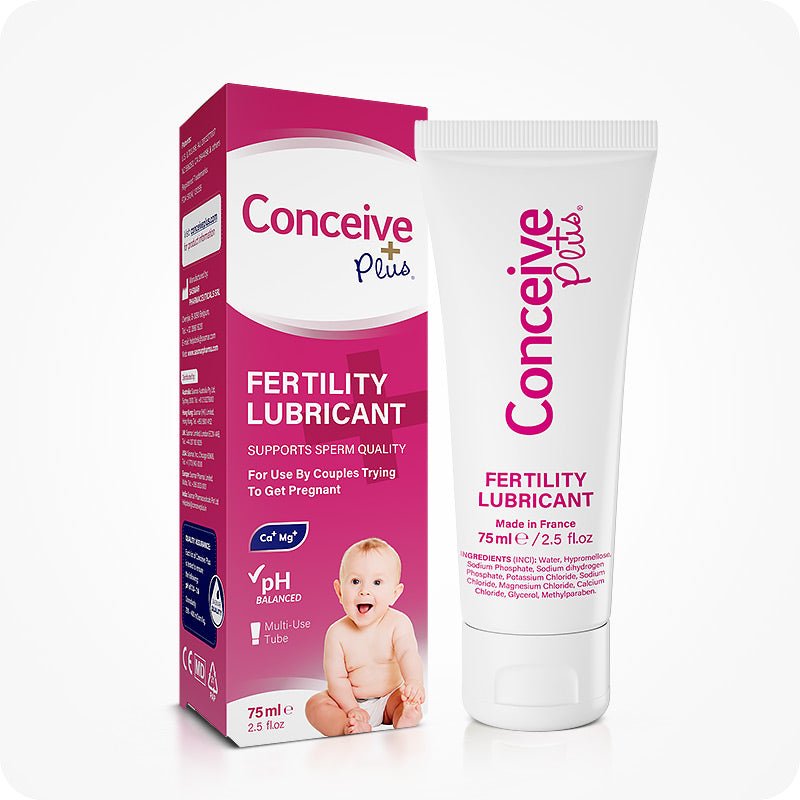
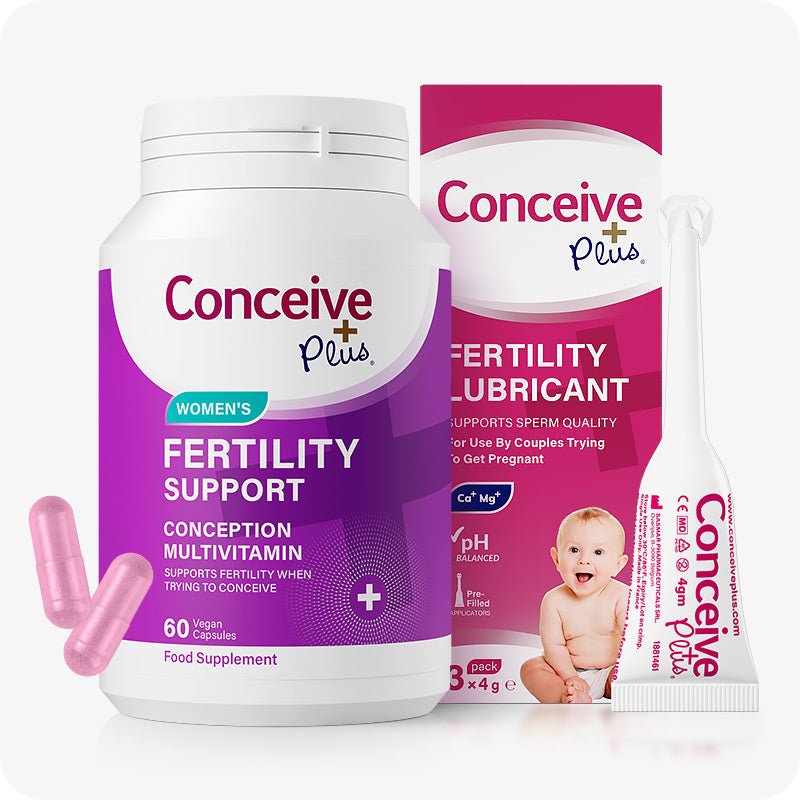
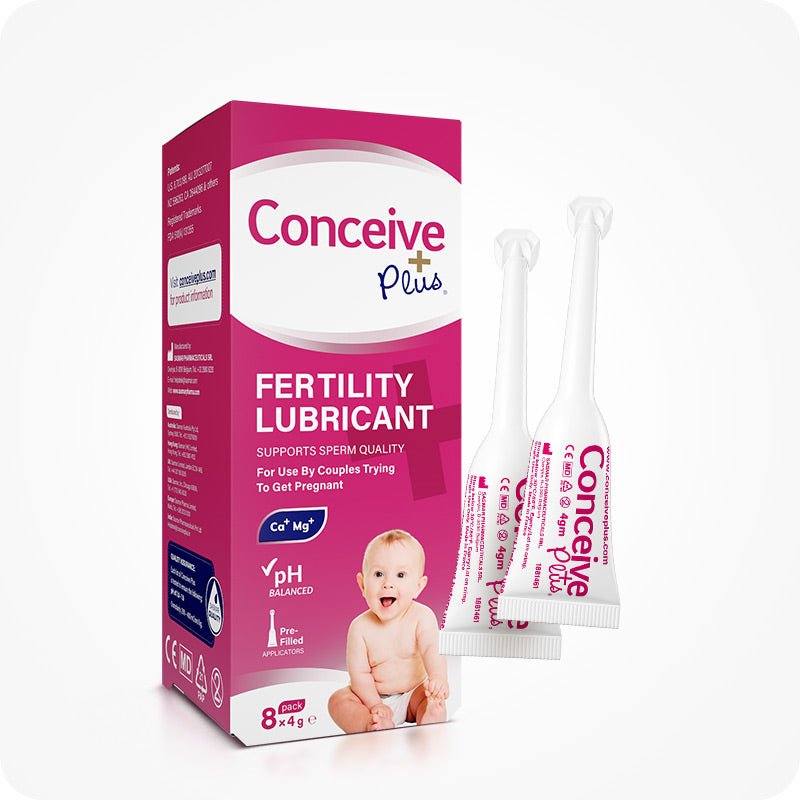
While you're optimising every factor for conception, don't overlook what happens at the most critical moment. Conceive Plus is the clinically tested, sperm-safe fertility lubricant that mimics your body's natural cervical mucus — creating the optimal environment for sperm to reach the egg.
✅ Clinically proven not to harm sperm motility
✅ Free from parabens, glycerin, and spermicides
✅ Recommended by fertility specialists worldwide
✅ Compatible with all conception methods — natural, IUI, or IVF
The hallmark of PCOS-related infertility is irregular or absent ovulation. Ovulation predictor kits can be unreliable because women with PCOS often have elevated baseline LH levels. Basal body temperature charting and cervical mucus observation often provide more accurate information. Even with irregular cycles, spontaneous ovulation occurs in most women with PCOS — it's just less predictable.
Lifestyle Interventions That Actually Work
Modest weight loss (5-10% of body weight) can dramatically improve ovulation rates in overweight women with PCOS. Exercise alone, even without weight loss, improves outcomes. A combination of 30-45 minutes of moderate exercise 5 days per week produces the best results. The Mediterranean diet has strong evidence for improving PCOS symptoms and fertility outcomes.
Medical Treatments for PCOS-Related Infertility
Letrozole has emerged as the first-line treatment, outperforming clomiphene citrate specifically for women with PCOS. Pregnancy rates with letrozole are approximately 30% higher. Metformin continues to play an important role, particularly for women with insulin resistance, restoring ovulation in 30-50% of women.
Inositol: A Supplement with Strong Evidence
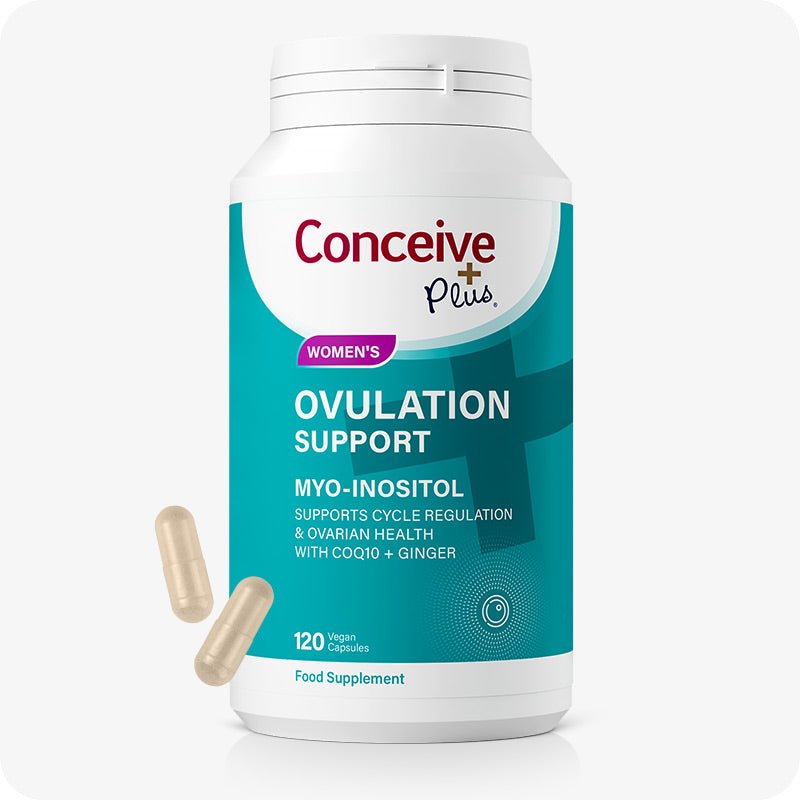
One of the most researched supplements for PCOS is inositol, particularly myo-inositol and D-chiro-inositol. The ideal ratio is approximately 40:1, mimicking the natural ratio in healthy ovarian tissue. Most studies use 2-4 grams of myo-inositol combined with 50-100 mg of D-chiro-inositol daily. Benefits typically appear after 2-3 months of consistent use.
Nutrition Strategies for Managing PCOS
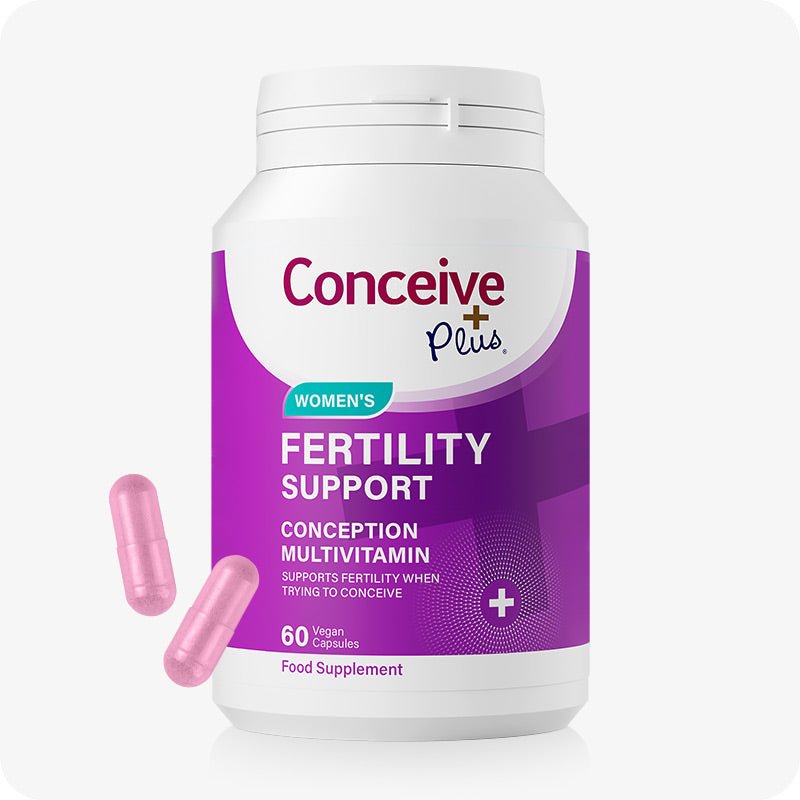
A low-glycaemic diet emphasising whole foods, lean protein, and healthy fats helps manage insulin resistance. Anti-inflammatory foods rich in omega-3s help reduce the chronic inflammation associated with PCOS. Supplementing with vitamin D, zinc, and magnesium is particularly important, as deficiency in these nutrients is common in PCOS.
The Role of Fertility Lubricants in Your PCOS Journey
When you're navigating PCOS, every factor that supports conception matters. Standard lubricants contain ingredients that can harm sperm motility within minutes of contact. Conceive Plus is clinically proven to be sperm-safe, formulated to mimic fertile cervical mucus. Women with PCOS may experience reduced cervical mucus quality due to hormonal imbalances, making a fertility-friendly lubricant an especially valuable tool in your conception journey.
Frequently Asked Questions
1. Can I get pregnant naturally with PCOS?
Yes. Many women with PCOS conceive naturally with lifestyle modifications and proper ovulation tracking.
2. How does PCOS affect egg quality?
PCOS primarily affects ovulation frequency rather than egg quality.
3. Does everyone with PCOS have insulin resistance?
No, but approximately 50-70% do. Testing helps determine the best treatment approach.
4. Can metformin help me conceive?
Yes. It improves ovulation rates by reducing insulin resistance and lowering androgen levels.
5. Is PCOS harder to treat if I'm not overweight?
Lean PCOS requires a different approach focused on diet composition rather than weight loss.
6. How long should I try lifestyle changes before seeking help?
Most experts recommend 3-6 months of consistent modifications before consulting a specialist.
7. Does Conceive Plus help with dryness from PCOS medication?
Yes. It provides comfortable fertility-friendly lubrication while supporting sperm health.
8. Can I take inositol with other medications?
Yes, but always discuss with your healthcare provider first.
9. Does PCOS get worse with age?
Some women find symptoms improve slightly with age, though age-related fertility decline still applies.
10. What's the success rate of IVF for PCOS?
IVF success rates are generally good, though there is a higher risk of OHSS requiring close monitoring.
💛 Your Conception Journey, Supported by Science
You've read the research, understood the science, and now you're ready to take action. Conceive Plus is the fertility-friendly lubricant that puts clinical evidence into practice — supporting sperm health and viability when it matters most. Trusted by fertility specialists and couples worldwide.