Fertility Supplements for Women Over 35: Optimising Your Conception Journey


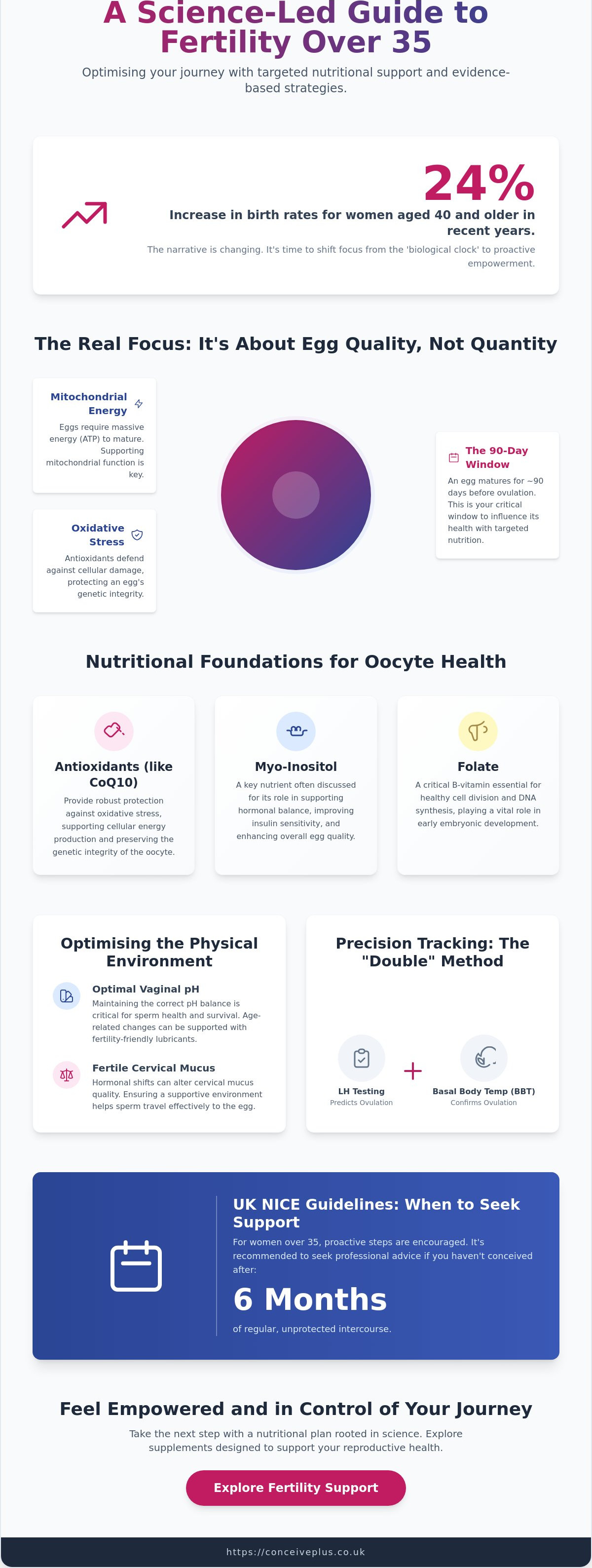
Did you know that birth rates for women aged 40 and older have increased by 24% in recent years? While the cultural narrative often focuses on a "biological cliff," these figures reflect a growing number of women successfully conceiving and carrying healthy babies well into their late thirties and beyond. It’s natural to feel anxious or confused by conflicting advice when you’re told your window is closing. You want a strategy rooted in evidence rather than myths. This guide offers a compassionate, science-led look at fertility supplements for women over 35, focusing on how specific nutrients can support egg quality and reproductive health. We'll examine the clinical role of antioxidants like CoQ10, the importance of precise prenatal support, and how to optimise your physical environment for natural conception. By the end, you'll have a clear, nutritional plan that helps you feel empowered and in control of your journey.
Key Takeaways
- Discover how supporting mitochondrial energy can improve oocyte maturation and overall egg quality, reframing the traditional narrative of the biological clock.
- Learn how targeted fertility supplements for women over 35 provide the essential antioxidants and micronutrients needed for cellular repair and reproductive balance.
- Understand why maintaining an optimal vaginal pH is a critical factor for sperm survival and how to address age-related changes in fertile cervical mucus.
- Master the "Double Tracking" method by combining LH testing with Basal Body Temperature to identify your specific fertile window with greater precision.
- Gain clarity on the NICE guidelines in the UK, including the proactive steps to take if you haven't conceived after six months of regular intercourse.
Conception Support for Women Over 35: Understanding the Biological Landscape
Approaching conception after 35 often brings a wave of anxiety fueled by talk of a "ticking clock." It is far more helpful, however, to view this stage as a transition in Understanding the Biological Landscape. While the number of eggs naturally decreases over time, the primary variable you can influence is the quality of the remaining follicles. This proactive shift in perspective allows you to focus on biological optimisation rather than just a countdown. You aren't just waiting; you're actively preparing your body for a healthy pregnancy.
At the cellular level, the most significant change involves mitochondrial energy. Every egg requires a massive amount of Adenosine Triphosphate (ATP) to successfully mature and undergo fertilisation. As we age, mitochondrial function can become less efficient, and oxidative stress can impact the genetic integrity of the oocyte. This is where fertility supplements for women over 35 play a vital role. By providing the building blocks for cellular energy and robust antioxidant protection, you're effectively supporting the ovaries' ability to produce healthy, viable eggs. It's about giving your cells the resources they need to perform at their best.
To better understand how specific nutrients impact your egg health, watch this helpful video:
Egg Quality vs. Egg Quantity: The Real Focus
Focusing on "reserve" can feel disempowering because we cannot create new eggs. It's much more actionable to focus on the follicular environment. For about 90 days before an egg is released, it undergoes a critical maturation process. This window is your opportunity. By using targeted fertility supplements for women over 35, such as those found in the Conceive Plus UK range, you provide the micronutrients that influence this final stage. Optimising this environment is about giving every individual egg the best possible chance to thrive and divide correctly.
Hormonal Harmony in Your Late 30s
Your hormones also adapt during this period. You might notice subtle shifts in Follicle-Stimulating Hormone (FSH) or Luteinizing Hormone (LH) as your body works harder to ensure ovulation occurs. Maintaining a robust luteal phase is equally essential; this is the period after ovulation where progesterone must remain high to sustain a potential pregnancy. Regular, predictable cycles are the foundation of your fertility. Supporting this balance through precision nutrition and lifestyle adjustments creates a steady, reliable platform for natural conception.
Nutritional Foundations: Essential Vitamins for Oocyte Health
As you move through your thirties, your body's demand for specific micronutrients intensifies. It isn't simply about general wellbeing; it's about providing your ovaries with the precise tools required for cellular repair and hormonal balance. This metabolic requirement increases because the body works harder to maintain reproductive equilibrium against the natural effects of time. Understanding the synergy between antioxidants and cellular health is a core pillar of Women’s Fertility Support: A Comprehensive Guide (2026). By focusing on these foundations, you're taking a proactive step toward biological optimisation.
Timing is everything. It takes approximately 90 days for an egg to reach full maturity before it is released during ovulation. Because of this three-month cycle, starting a targeted regime of fertility supplements for women over 35 well in advance is vital. This window allows nutrients to influence the follicular environment during the egg's most critical developmental phase. Consistency during this period ensures that your cells have a steady supply of the building blocks they need for successful fertilisation and early embryonic growth.
The Role of Myo-Inositol and Folate
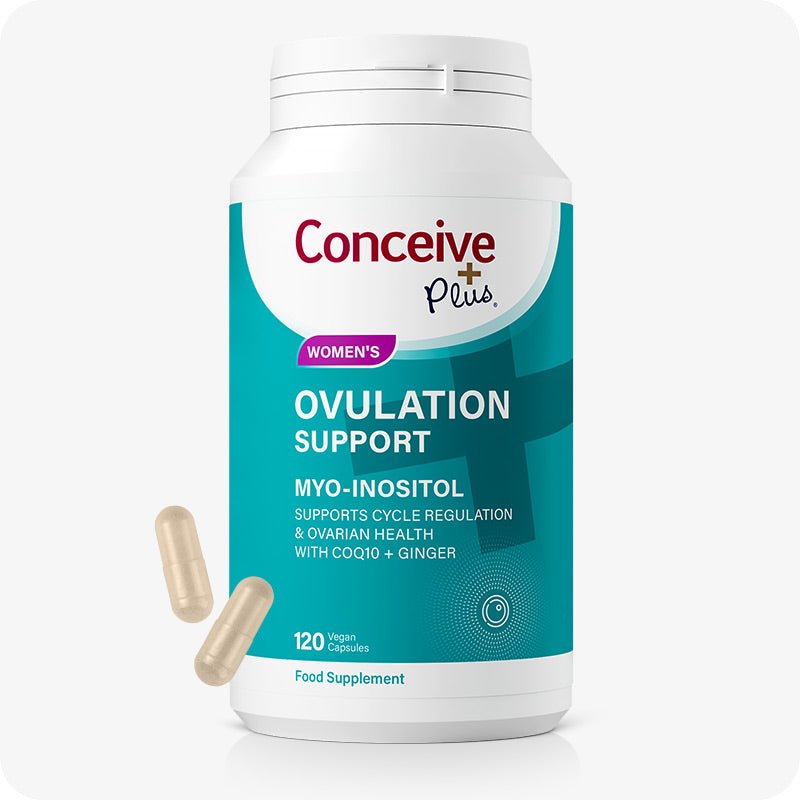
Myo-Inositol is frequently discussed in relation to PCOS, yet its benefits extend to all women over 35. It supports insulin sensitivity and promotes better egg quality by helping the follicles mature correctly. For a deeper look at this specific nutrient, explore our guide on Myo-Inositol for Fertility in the UK. Alongside this, choosing bioavailable folate over standard folic acid is a smart move. Folate is more easily processed by the body, ensuring your system has the necessary levels to support neural tube development from the moment of conception.
Antioxidant Support: CoQ10 and Mitochondrial Energy
Think of Coenzyme Q10 (CoQ10), specifically in the form of Ubiquinone, as the battery for your egg cells. Egg cells are some of the most energy-hungry cells in the human body. They require massive amounts of mitochondrial energy to manage the complex process of chromosomal division. Since natural CoQ10 levels can decline with age, supplementation provides the "fuel" needed for these energy-intensive processes. This is a central component of effective Conception Support for Women Over 35.
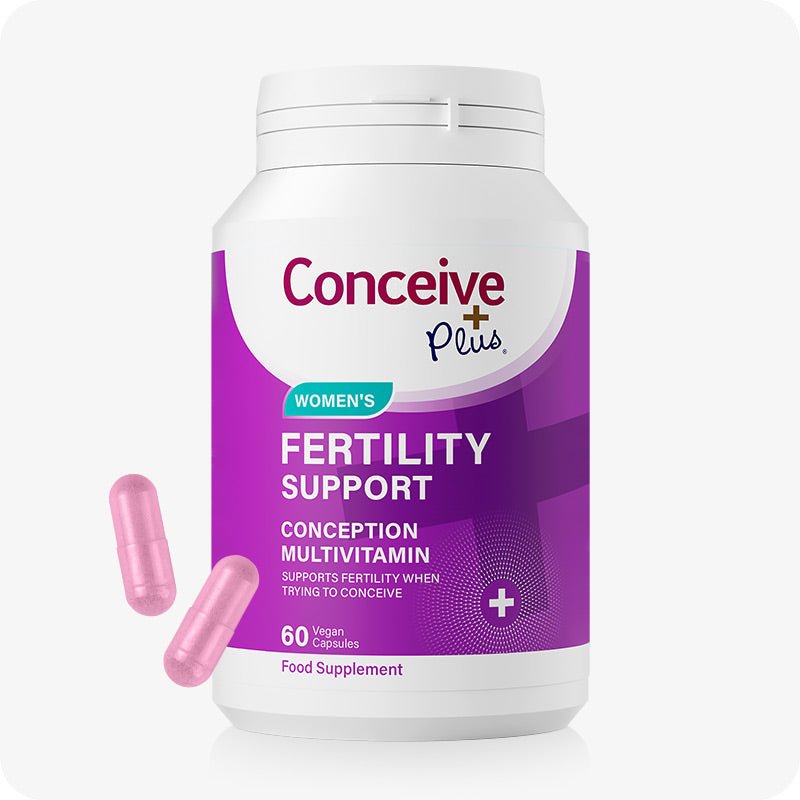
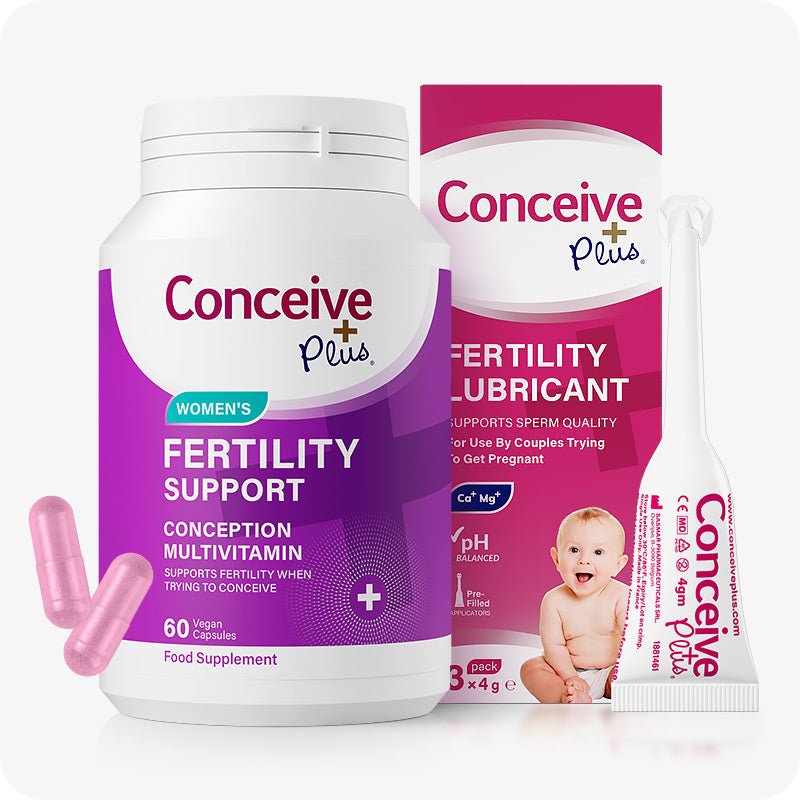
Defending your cells is just as important as energising them. Vitamin E and Selenium act as critical defenders against oxidative stress, which can otherwise compromise genetic integrity. Integrating these protective elements through a foundation like Conceive Plus Women’s Fertility Support helps create a stable, nurturing environment for your conception journey. If you're looking to streamline your daily routine, choosing a high-quality comprehensive fertility formula can provide peace of mind that your nutritional bases are covered.
Optimising the Physical Environment: Vaginal pH and Sperm Survival
While fertility supplements for women over 35 provide the internal building blocks for a healthy conception, the physical environment where sperm meets egg is an equally critical factor. Many women find that as they enter their late thirties, hormonal shifts or the pressures of a busy lifestyle can lead to a decrease in the quality and quantity of fertile cervical mucus. This change can create a barrier to natural conception that is often overlooked in traditional advice, yet it is a variable you can actively manage.
Success depends heavily on a "sperm-friendly" window. For sperm to remain motile and survive the journey through the cervix, the vaginal pH must be balanced between 7.0 and 8.5. Outside of this alkaline range, sperm cells lose their ability to swim effectively and may perish before reaching the fallopian tubes. Building on the Nutritional Foundations of reproductive health, ensuring this physical environment is optimised is a proactive way to support your body's natural processes.
Why Standard Lubricants May Hinder Conception
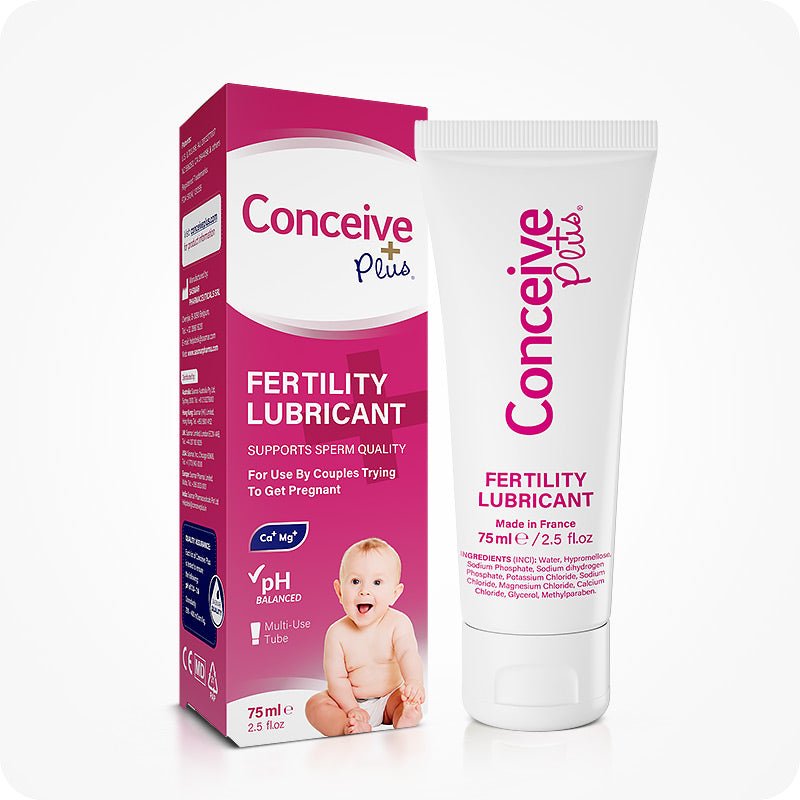
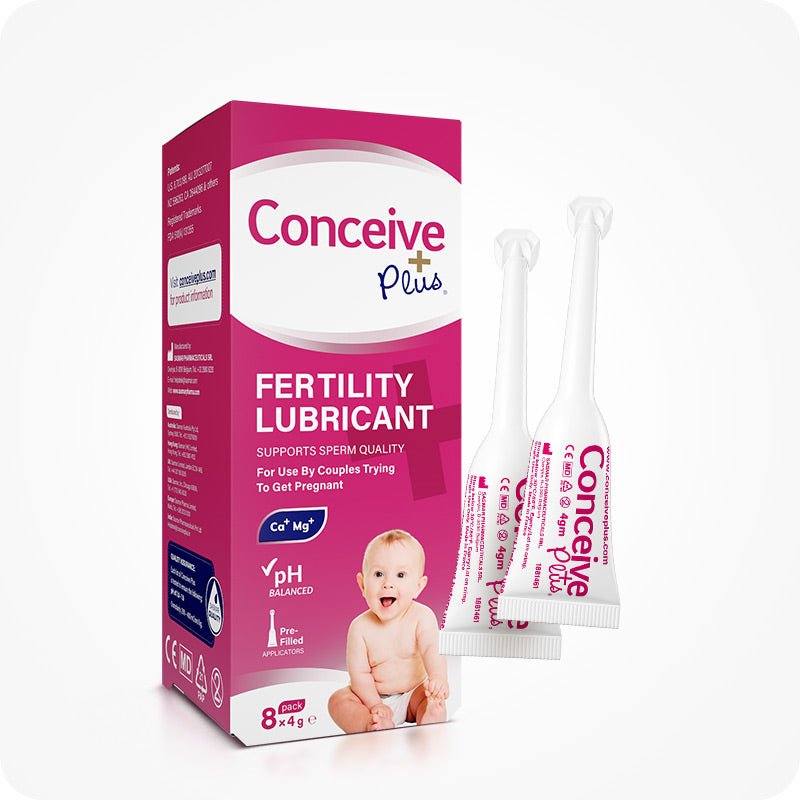
Most standard household lubricants are formulated with a low pH to match the vagina's natural, protective acidity, which unfortunately kills sperm almost instantly. Beyond the pH level, these products often have high osmotic pressure, which dehydrates sperm cells and prevents them from reaching the egg. A truly supportive environment requires the presence of Calcium and Magnesium ions, which are essential for sperm longevity and transport. You can learn more about these mechanisms in our Conceive Plus Fertility Lubricant Guide.
Using Targeted Aids to Support the Journey
To bridge the gap when natural fluids are low, consider using Conceive Plus Fertility Lubricant applicators. These are designed to be used internally, coating the vaginal walls and cervix with a formula that mimics the body’s own fertile mucus. This support facilitates sperm transport and provides the ionic balance needed for motility, even during periods of high stress or hormonal fluctuation.
Try to view these aids as a helpful partner in your journey. Using them can be a simple, stress-free part of your intimate moments, helping to remove the clinical pressure that sometimes accompanies trying to conceive. Combining these physical aids with high-quality fertility supplements for women over 35 creates a comprehensive, multi-layered approach to your reproductive health, giving you the best possible chance of success.
Precision Tracking: Finding Your Fertile Window After 35
Precision becomes your greatest ally as you approach conception in your late thirties. While the textbook definition of ovulation suggests a mid-cycle event, every woman's biology is unique. After 35, the window of egg viability once released can be shorter, sometimes lasting only 12 hours. This condensed timeframe means that "close enough" isn't always sufficient. Along with taking fertility supplements for women over 35 to support oocyte health, you need to know exactly when your peak opportunity occurs. By identifying the two to three days before ovulation, you ensure that sperm is already present in the fallopian tubes when the egg is released.
We recommend a method known as "Double Tracking." This involves monitoring both your hormonal shifts and your physical symptoms to create a high-resolution map of your cycle. It moves you away from the guesswork of generic apps and into a space of biological certainty. For a deeper dive into these techniques, explore our How to Track Ovulation: A Compassionate Expert Guide. This structured approach helps lower the anxiety of "missing the window" and places you back in the driver's seat of your reproductive health.
Leveraging Technology for Accuracy
Start by establishing a baseline with the Conceive Plus Ovulation Calculator. This tool helps you estimate your fertile days based on your previous cycles. To refine this data, use Luteinising Hormone (LH) test strips. These strips detect the surge that precedes ovulation, usually by 24 to 48 hours. Consistency is vital; try to test at the same time each afternoon when LH levels are typically highest in the urine. If you find your cycles are irregular or difficult to predict, Conceive Plus Ovulation Support can help encourage a more regular hormonal rhythm.
Interpreting Your Body’s Signals
Your body provides clear biological indicators if you know what to look for. The most reliable sign is a change in cervical mucus to a clear, slippery, "egg-white" consistency. This fluid is designed to protect and transport sperm. Pairing this observation with Basal Body Temperature (BBT) tracking provides a complete picture. A sustained temperature shift of at least 0.2 degrees Celsius confirms that ovulation has successfully occurred. Many couples over 35 find success with the "Sperm Meets Egg Plan" (SMEP), which uses these tracking cues to schedule intercourse every other day starting on day eight of the cycle, then daily for three days once a positive LH test is recorded.
Take control of your conception journey today by exploring our range of precision tracking tools and fertility support.
Holistic Wellbeing and Knowing When to Seek Professional Support
Recognising when to transition from home-based optimisation to clinical guidance is a vital part of your journey. In the UK, the NICE guidelines recommend that women over 35 consult their GP if they haven't conceived after six months of regular, unprotected intercourse. This timeframe is shorter than the 12-month rule for younger women, reflecting the importance of timely support. Seeking help isn't a sign of failure; it's a proactive, smart way to gain deeper insights into your reproductive health. While you continue using fertility supplements for women over 35, having professional oversight ensures that any underlying factors are identified and managed early.
Conception is a shared experience. Research indicates that male factors contribute to 40% to 50% of conception challenges, yet the focus often remains solely on the woman. Supporting your partner’s health is just as critical as optimising your own. Ensuring both partners are receiving targeted nutrients can significantly improve your chances. Many couples choose to use Conceive Plus His & Hers bundles to simplify this process and ensure dual nutritional support during this important window.
Managing the Emotional Impact of the Journey
Hormonal balance is incredibly delicate. Chronic stress can lead to high cortisol levels, which may disrupt the feedback loop between your brain and your ovaries. It's helpful to prioritise gentle lifestyle adjustments like consistent sleep patterns and moderate exercise. We often suggest a "digital detox" from high-stress fertility forums, which can sometimes fuel anxiety rather than provide support. You're in a safe space here. You're doing everything you can to prepare your body, and that effort deserves your own compassion and patience.
Preparing for Your First GP Appointment
When you meet with your GP, bring the data you've collected. Having three months of the precision tracking data we discussed in the previous section makes for a much more productive clinical conversation. You can request specific blood tests to get a clearer picture of your cycle. These typically include Day 3 FSH and Oestradiol to assess ovarian function, and a Day 21 Progesterone test to confirm that ovulation is occurring as expected. Use Conceive Plus Pregnancy Tests for accurate home monitoring, and don't hesitate to advocate for the tests you need. You are the expert on your own body and your own journey.
Taking Proactive Steps for Your Reproductive Future
Focusing on biological optimisation allows you to move past the anxiety of the ticking clock and into a space of informed action. By supporting mitochondrial energy, maintaining a sperm-friendly vaginal environment, and using precision tracking, you're actively enhancing your natural fertility. Selecting high-quality fertility supplements for women over 35 provides the essential micronutrients your body needs to maintain reproductive balance during this transition. It's about giving your cells the resources they require to perform at their best.
At Conceive Plus, we're dedicated to being your steady, reliable partner. Our range is scientifically formulated by Sasmar Pharmaceuticals and includes patented, pH-balanced formulas that are trusted by doctors and fertility clinics in over 70 countries. You can take the next step in your journey with Conceive Plus Women’s Fertility Support today. Remember that you aren't alone on this path. With the right tools and a compassionate, science-backed approach, you can feel empowered and in control of your reproductive health.
Frequently Asked Questions
Is it significantly harder to conceive naturally after 35?
While natural conception rates do decrease, many women over 35 conceive successfully. Statistics for 2026 indicate a 58% chance of conceiving within 12 months for those aged 35 to 37. It's more accurate to view this as a shift in cellular efficiency rather than an absolute barrier. Focus on biological optimisation to help your body perform at its best during this transition.
Which specific vitamins help improve egg quality for women over 35?
Antioxidants and cellular energy boosters are the most effective nutrients for oocyte health. Coenzyme Q10 (CoQ10) acts as a battery for egg cells, while Myo-Inositol supports follicular maturation. Including high-quality fertility supplements for women over 35 ensures you're receiving the correct dosages of bioavailable folate and protective minerals like Selenium to safeguard genetic integrity during the maturation process.
How long should I try to conceive naturally before seeing a GP if I am over 35?
You should consult your GP after six months of regular, unprotected intercourse if you are over 35. This follows the UK's NICE guidelines, which prioritise earlier intervention for this age group compared to the 12-month rule for younger women. Early consultation is a proactive step that allows for baseline blood tests and provides professional reassurance as you continue your journey.
Can fertility lubricants really make a difference for older couples?
Yes, they address the physical environment where sperm meets the egg. As we age, stress or hormonal changes can lead to reduced fertile cervical mucus. Using a pH-balanced lubricant that mimics natural fluids and contains Calcium and Magnesium ions helps facilitate sperm transport and survival. This removes a common physical barrier to conception that standard lubricants often accidentally create.
Does Myo-Inositol help if I do not have PCOS?
Myo-Inositol is beneficial even without a PCOS diagnosis. It plays a critical role in insulin sensitivity and the maturation of the oocyte within the follicle. By improving the internal environment of the ovary, it supports better egg quality. This makes it a valuable component for anyone using fertility supplements for women over 35 to enhance their natural conception chances.
What lifestyle changes have the biggest impact on fertility after 35?
Managing stress and prioritising restorative sleep have profound effects on the hormonal feedback loop. High cortisol levels can disrupt the delicate signals required for ovulation, so gentle lifestyle adjustments are essential. Avoiding smoking and excessive alcohol while maintaining a balanced, nutrient-dense diet creates the stable physical foundation needed for nutritional supplements to work most effectively.
Should my partner also take fertility supplements?
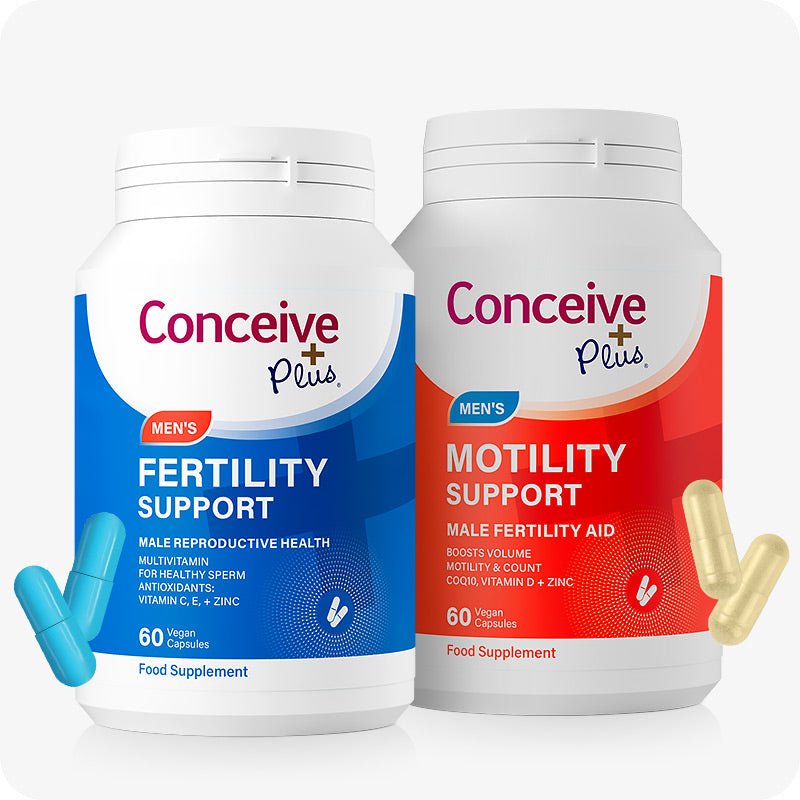
Partner health is essential, as male factors contribute to nearly half of all conception challenges. Sperm quality and motility also decline with age and environmental stress. A dedicated male fertility support provides antioxidants like Zinc and Selenium to protect sperm DNA. This ensures both partners are actively contributing to a healthy and supportive conception environment.
How does vaginal pH affect my chances of getting pregnant?
Sperm requires an alkaline environment, ideally between pH 7.0 and 8.5, to remain motile and survive the journey. The vagina is naturally acidic to protect against infection; however, this acidity can kill sperm if fertile cervical mucus isn't present to buffer it. Maintaining the correct pH balance is non-negotiable for ensuring sperm can swim effectively toward the egg.