Early Signs of Pregnancy: A Compassionate Guide to Your First Symptoms in 2026


What if the subtle shifts you're feeling right now aren't just your imagination, but the first whispers of a life-changing journey? We understand that the two-week wait can feel like an eternity, filled with a mix of quiet hope and intense anxiety. It's incredibly common to find yourself over-analyzing every twinge, wondering if the early signs of pregnancy are finally appearing or if your body is simply preparing for a typical cycle. You deserve a space where your physical experiences are validated and your questions are met with clinical expertise rather than conflicting internet forum noise.
In this guide, you'll discover how to distinguish between hormonal shifts and early conception markers, giving you a sense of control over your reproductive health. We'll explore the latest advancements in testing, including how AI-enhanced digital tools and Bluetooth-connected tests are changing the way we confirm results in 2026. By the end of this article, you'll have a clear roadmap for when to take a test and how to navigate these sensitive first days with a calm, informed perspective.
Key Takeaways
- Understand the biological role of progesterone and how it prepares your body for pregnancy immediately following successful implantation.
- Identify the most reliable early signs of pregnancy, including clinical markers like a missed period and physical changes like breast tenderness.
- Learn to navigate the "two-week wait" by distinguishing between common PMS symptoms and the subtle shifts unique to early conception.
- Discover the science behind hCG detection to determine the most accurate window for taking a pregnancy test and avoiding false results.
- Find out how specialized nutritional support can help you manage early lethargy and optimize your health during the first stages of development.
The Science of Early Conception: What Happens Before the Positive Test?
Understanding the biological mechanics of conception helps demystify the physical changes you're feeling. Before a laboratory test can confirm anything, your body begins a sophisticated chemical dialogue that signals the start of a new journey. This transition is driven by a rapid hormonal surge that alters your metabolism and sensory perception almost immediately. For many, these internal shifts manifest as the very first early signs of pregnancy, often appearing well before the first day of a missed period.
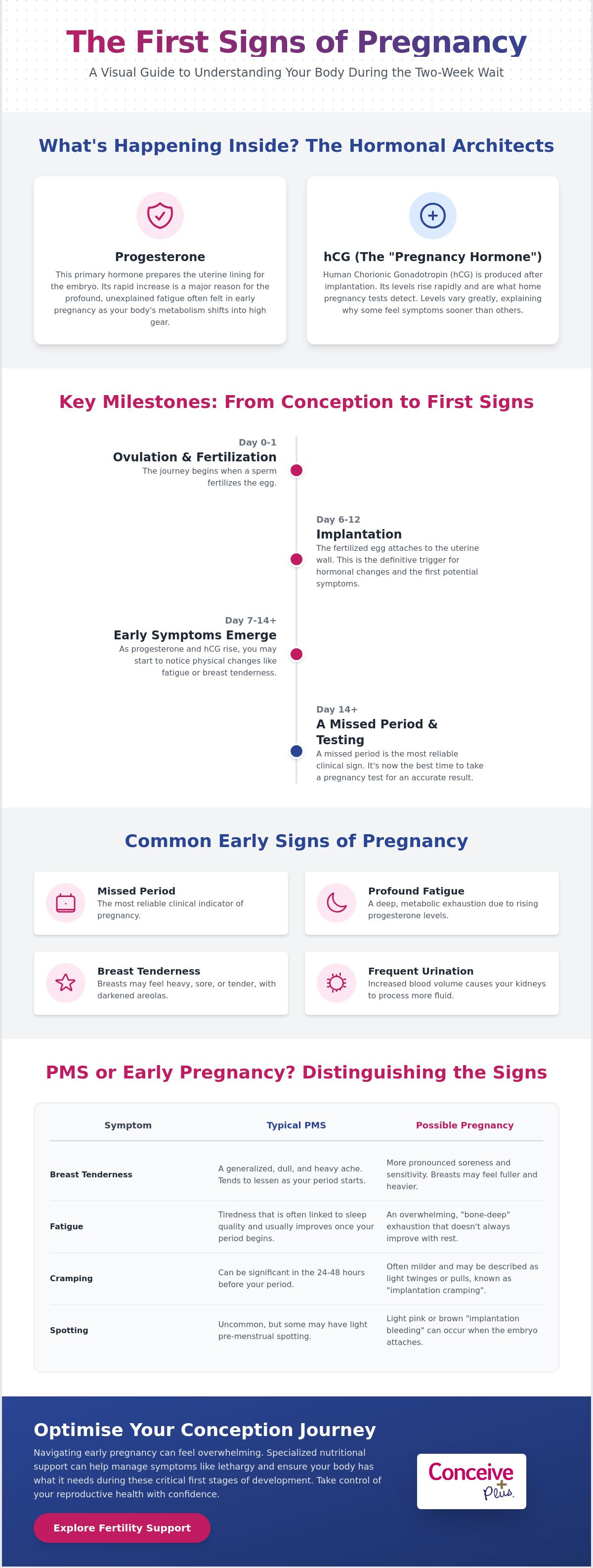
The primary architect of this early environment is progesterone. This hormone works tirelessly to thicken the uterine lining, ensuring a secure home for the developing embryo. However, this metabolic effort comes at a cost; the sudden rise in progesterone often results in a profound, unexplained lethargy that can feel heavier than typical exhaustion. While human Chorionic Gonadotropin (hCG) also begins to climb, its levels vary significantly between individuals. This biological variance explains why one person might experience vivid symptoms within days, while another feels nothing for several weeks.
To better understand the complex hormonal shifts happening in your body right now, watch this helpful video:
The Implantation Window
Implantation typically occurs between six and twelve days after ovulation. This is the precise moment when the fertilized egg attaches to the uterine wall and begins its connection to your circulatory system. Implantation serves as the definitive biological trigger for the onset of pregnancy symptoms. Before this attachment, the embryo is essentially "off-grid," but once it settles, the floodgates for hormonal signaling open. Because of this connection, the implantation window is often when the first early signs of pregnancy begin to surface as your body recognizes the new life within.
Hormonal Shifts and Your Sensory Perception
During these initial weeks, estrogen and progesterone work in tandem to orchestrate a complete systemic overhaul. Your body enters a high-performance mode to support rapid cell division, which requires a significant increase in blood volume. This extra fluid puts additional demand on your kidneys and heart, often leading to increased urination and a sense of physical breathlessness. These changes contribute to the common signs and symptoms of pregnancy that many women track during the two-week wait. To support this intense biological work, many women find that exploring comprehensive fertility support options can help bridge the gap in their changing nutritional needs. By viewing these symptoms as a biological dialogue, you can approach the wait with greater confidence and less anxiety.
Common and Unusual Early Signs of Pregnancy to Watch For
Every person's body responds to conception differently. Some experience a cascade of sensations, while others notice only one or two subtle changes. Recognizing these early pregnancy symptoms helps you understand the profound work your system is undertaking. While a missed period remains the most reliable clinical indicator, your body often sends earlier signals through your skin, digestion, and energy levels. These early signs of pregnancy act as a biological dialogue between you and your developing embryo.
Breast changes are frequently the first physical clue. You'll likely notice a sense of heaviness, unusual tenderness, or that the areolas have become darker and more pronounced. These shifts occur as blood flow increases and milk ducts begin to prepare for future needs. Similarly, you might find yourself visiting the bathroom more often. This isn't just about pressure on the bladder; it's a result of increased blood volume and hormonal changes that prompt your kidneys to process extra fluid more efficiently.
Fatigue during this stage is often described as bone-deep. It's a metabolic exhaustion that stems from the massive energy required to build the placenta and support early development. If you're feeling this level of tiredness alongside digestive shifts like unexpected bloating or early morning queasiness, your body is likely reacting to the rapid rise in progesterone. This hormone slows down your digestive tract, which can lead to a feeling of fullness even after small meals.
Sensory Changes: Tastes and Smells
Many women report a persistent metallic taste in their mouth, a condition known as dysgeusia. This unusual symptom is frequently accompanied by hyperosmia, or a heightened sense of smell. You might suddenly find the scent of your morning coffee or a favorite tea repulsive. These sensory aversions are thought to be a protective biological mechanism, though they can make the early weeks feel quite challenging. It's helpful to remember that these sensitivities are temporary and usually peak during the first trimester.
Implantation Bleeding vs. Spotting
It's common to feel anxious if you notice light spotting before your expected period. Implantation bleeding typically appears as a light pink or brownish discharge rather than the bright red of a menstrual flow. It's usually very brief, lasting only a few hours to a couple of days. Understanding that light spotting can be a normal part of the conception journey can provide much-needed peace of mind during the two-week wait. Realizing that this spotting is a sign of your body successfully adapting to pregnancy can help replace confusion with a sense of quiet confidence.
PMS or Pregnancy? Distinguishing the Subtle Differences
The "Two-Week Wait" is often characterized by a hyper-awareness of every physical sensation. Because both your menstrual cycle and early conception are heavily influenced by the rise of progesterone, your body often produces signals that feel frustratingly similar. Distinguishing between these standard cycle changes and the actual early signs of pregnancy requires looking for subtle differences in intensity and duration. While PMS symptoms typically subside once your period begins, pregnancy-related shifts will persist and often intensify as your hCG levels climb. Seeking clarity through resources like the Mayo Clinic's overview of early signs and symptoms of pregnancy can help you feel more grounded during this uncertain time.
The Comparison Framework
To help you differentiate between the two, consider how these common sensations manifest in your body:
- Breast Tenderness: In a typical cycle, discomfort is often generalized and dull. During pregnancy, this tenderness is frequently more acute, and you may notice specific changes like localized sensitivity or a visible darkening of the areolas.
- Nausea and Appetite: While PMS can cause a heavy feeling in the stomach or general bloating, true nausea is less common. Pregnancy-related queasiness often feels like a lingering, "seasick" sensation that can be triggered by specific smells.
- Mood Shifts: Hormonal fluctuations in a standard cycle can cause irritability, but pregnancy-related emotional changes often feel more intense or "out of character," lasting well beyond the point your period would usually start.
Listening to Your "Body Intuition"
Staying grounded during this wait is as much about mental health as it is about physical observation. It's easy to fall into a pattern of obsessive symptom spotting, which can inadvertently increase your stress levels. Instead, try to focus on sensations that feel fundamentally different from your usual monthly rhythm. Perhaps you're experiencing a level of exhaustion you've never felt before, or a specific food aversion that seems entirely new. These unique deviations are often more telling than the common symptoms shared with PMS.
Understanding your baseline is the most effective way to spot these deviations. If you haven't already, learning how to track ovulation can provide invaluable data about your typical cycle. This knowledge allows you to recognize when early signs of pregnancy are truly present versus when your body is following its standard hormonal path. By focusing on your unique physical patterns, you gain a sense of order and clarity during an otherwise unpredictable time.
Taking a Pregnancy Test: Timing for Accuracy in 2026
The transition from noticing early signs of pregnancy to seeking clinical confirmation is a deeply emotional moment. While it's tempting to reach for a test the moment you feel a physical shift, timing is the most critical factor for accuracy. The hormone human Chorionic Gonadotropin (hCG) only becomes detectable after implantation has occurred and the placenta begins to form. In 2026, data shows that over 75% of women use an at-home test within the first week of a missed period, yet testing too early often leads to the frustration of a false negative. Waiting until the first day of your missed period ensures that hCG levels have reached a concentration high enough for a reliable reading.
Modern "early detection" tests are engineered to pick up lower levels of hCG, but they still require a specific physiological window to function correctly. If you test before your period is due, you run the risk of capturing a "chemical pregnancy." This occurs when a pregnancy is confirmed by a biochemical test but doesn't progress to the ultrasound stage. The American Society for Reproductive Medicine (ASRM) updated its definitions in 2026 to include these biochemical losses in the context of recurrent pregnancy loss, highlighting the sensitivity and complexity of early testing. To ensure you're using a tool designed for this delicate stage, choose a high-quality Conceive Plus Pregnancy Test for clear, reliable results.
The Best Time of Day to Test
Your first-morning urine is the gold standard for at-home testing because it contains the highest concentration of hormones. Throughout the day, your intake of water and other beverages can significantly impact the clarity of the result. Excessive fluid intake can dilute the concentration of hCG in your urine, potentially leading to a misleading result on even the most sensitive tests. Managing the anxiety of this waiting window is difficult, but focusing on consistent testing conditions will provide the most reliable answer.
Understanding Your Results
Interpreting a test result requires a calm eye, especially when dealing with faint lines. A faint line that appears within the directed time frame is generally a positive result, indicating that hCG is present. However, an "evaporation line" can sometimes appear after the test has dried, which is not a confirmation of pregnancy. If you receive a negative result but your early signs of pregnancy continue to persist, wait two to three days and test again. Once you receive a positive result, your next step is to contact your GP or midwife to begin your official prenatal care journey.
Optimising Your Early Pregnancy and Conception Journey
The moment you begin noticing early signs of pregnancy, your focus naturally shifts from the technicalities of conception to the delicate work of nurturing. Creating a supportive environment is essential during these first few weeks of development. High stress levels can disrupt the delicate hormonal balance required for successful implantation and early gestation. By prioritizing a calm, unhurried pace, you give your body the best opportunity to adapt to the significant physiological changes occurring within. Staying grounded during the two-week wait means acknowledging your anxiety without letting it dictate your physical state. This period of transition is a partnership between your mind and your body, requiring both patience and proactive care.
As we discussed in earlier sections, the fatigue associated with early pregnancy is a metabolic response to the intense work of building the placenta. Proper nutritional support plays a vital role in managing this exhaustion. It's about more than just calories; it's about providing the specific micronutrients that facilitate rapid cellular growth and hormone production. When your body is working at this high capacity, even minor nutritional gaps can lead to increased lethargy and mood fluctuations. Addressing these needs early helps stabilize your energy levels and supports a smoother transition into the first trimester.
Targeted Nutritional Support
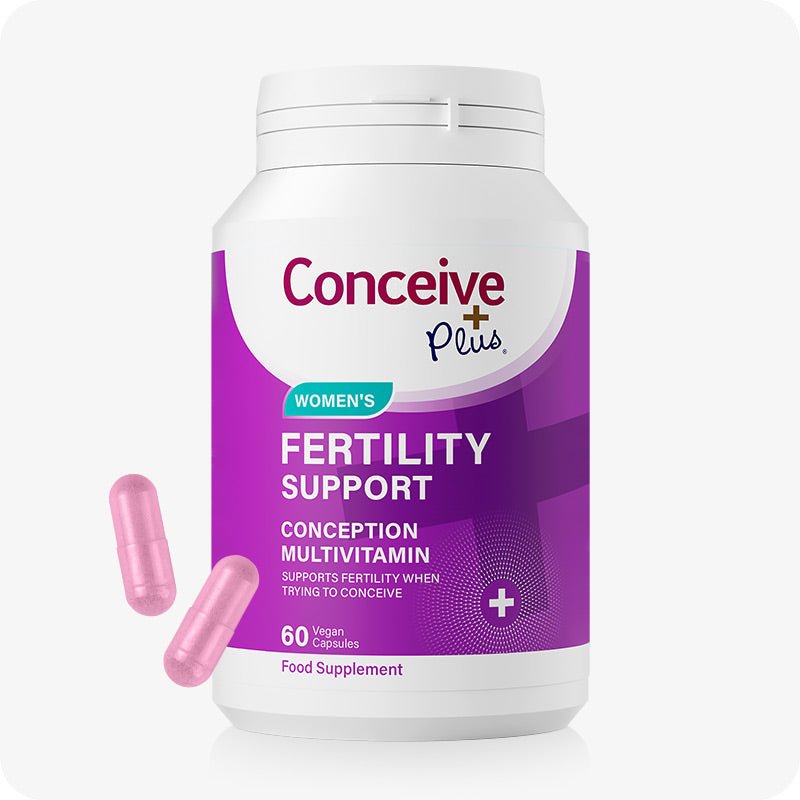
In the very first weeks of gestation, your body’s demand for specific nutrients increases dramatically. Folic acid is perhaps the most critical, as it supports the early development of the neural tube, while Vitamin D helps regulate the immune system's response to the pregnancy. Often, there is a gap between the moment you suspect conception and your first official prenatal appointment. Bridging this gap with high-quality supplements ensures your system isn't depleted during this high-demand phase. For a more detailed look at the vitamins necessary for this stage, explore our guide on Women’s Fertility Support to optimize your nutrient intake.
The Role of Fertility-Friendly Aids
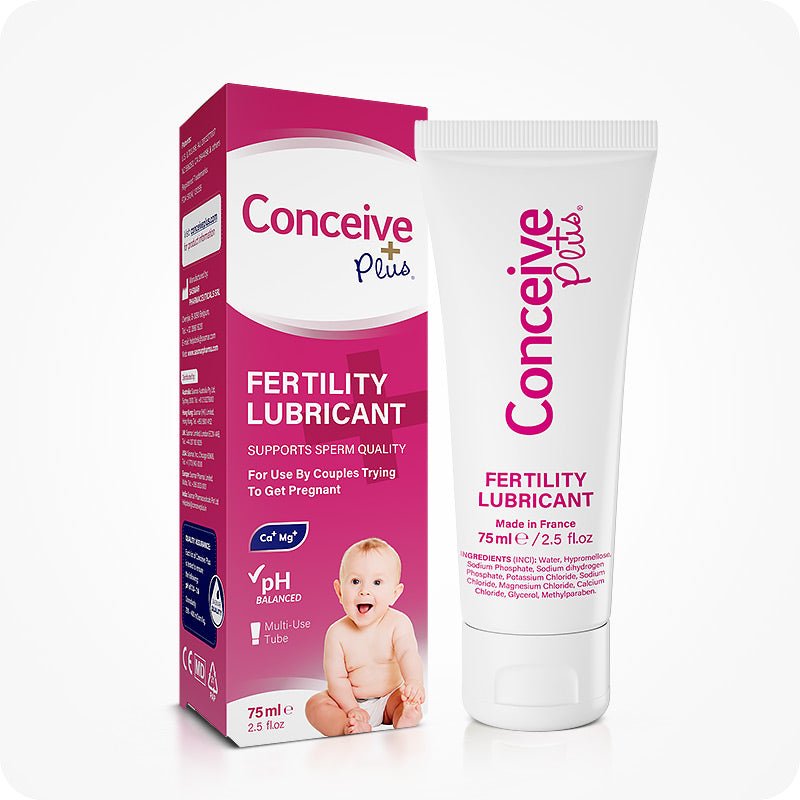
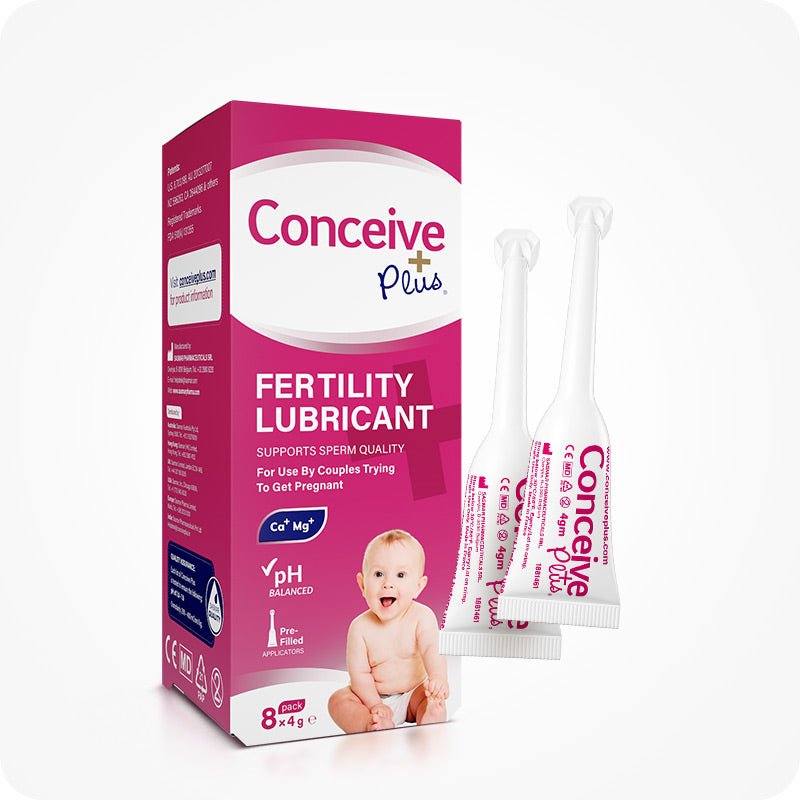
Maintaining a healthy, pH-balanced environment remains important even when you suspect you've successfully conceived. A balanced vaginal microbiome supports overall reproductive health and comfort during the hormonal shifts that accompany the early signs of pregnancy. For those who are still navigating the trying phase and watching for symptoms, using a specialized tool like Conceive Plus Fertility Lubricant can help maintain this delicate balance while supporting sperm motility. We encourage a gentle, patient approach to intimacy and self-care during this time. Transitioning your mindset from the pressure of trying to the quiet confidence of nurturing allows you to honor your body’s incredible capabilities and navigate the start of your journey with peace.
Empowering Your Path Forward
Navigating the initial days of conception requires a gentle balance of scientific understanding and self-compassion. By learning to recognize the early signs of pregnancy and distinguishing them from your regular cycle, you've already taken a significant step toward reclaiming control over your reproductive health. Remember that your body's timeline is unique. Whether you feel every hormonal shift or experience a quiet wait, your physical experiences are valid. Trusting in clinical timing for your results will provide the clarity you need to move from the anxiety of the unknown into the next chapter of your journey.
We're here to support you with solutions that reflect our deep commitment to your goals. Our range is clinically formulated for sperm health and motility, featuring a patented fertility-friendly formula that's been trusted by millions of couples since 2008. Ready to take the next step? Explore our range of Fertility Support and Pregnancy Tests to find the reliable guidance you deserve. You aren't alone on this path, and we're honored to be a steady partner as you move forward with hope and confidence.
Frequently Asked Questions
How early can pregnancy symptoms actually start?
Pregnancy symptoms typically begin shortly after implantation, which usually occurs 6 to 12 days after ovulation. Some individuals notice subtle changes like fatigue or breast tenderness within a few days of this biological attachment. However, most clinical signs aren't detectable until the body produces enough hCG, often coinciding with the first day of a missed period. Every body reacts differently to these initial hormonal surges.
Is it possible to be pregnant and have no symptoms at all?
It's entirely possible and quite common to experience a pregnancy without any noticeable early symptoms. Every person's hormonal sensitivity varies significantly; some bodies adapt to rising progesterone and hCG levels without triggering nausea, headaches, or exhaustion. A lack of symptoms doesn't indicate a problem with the pregnancy's development. Many healthy pregnancies proceed through the first trimester with very few physical indicators.
What does implantation bleeding look like compared to a period?
Implantation bleeding is usually much lighter, appearing as a few drops of pink or brownish discharge rather than a steady red flow. Unlike a menstrual period, which typically lasts 3 to 7 days and increases in volume, implantation spotting is brief and doesn't require a pad or tampon. It occurs when the embryo attaches to the uterine lining, which can cause minor vascular disruption in the area.
Can I feel pregnant just 3 days after sex?
It's biologically unlikely to feel pregnancy symptoms only 3 days after sex because fertilization and implantation haven't yet occurred. The embryo takes approximately 6 to 12 days to travel to the uterus and successfully attach to the wall. Physical sensations felt this early are usually related to the high levels of progesterone naturally present during the luteal phase of any standard menstrual cycle.
Why do my breasts feel so sore in early pregnancy?
Breast soreness is caused by a rapid increase in blood flow and hormonal shifts that prepare the milk ducts for future breastfeeding. As estrogen and progesterone levels climb, the tissues within your breasts expand and become more sensitive to touch. This tenderness is often one of the most reliable early signs of pregnancy, frequently appearing before a missed period is officially confirmed.
What is the "metallic taste" in my mouth, and is it a sign of pregnancy?
A persistent metallic taste, known as dysgeusia, is a recognized symptom caused by the sudden surge of pregnancy hormones affecting your sense of taste. This shift often happens alongside a heightened sense of smell, making certain foods or environments feel overwhelming. While it's an unusual sensation, it's a normal physiological response that usually peaks during the first trimester before gradually subsiding over time.
Can stress cause pregnancy-like symptoms?
Intense stress can cause the body to produce physical signals that mimic the early signs of pregnancy, such as nausea, fatigue, or a delayed period. High levels of cortisol can disrupt your regular hormonal rhythm, leading to digestive upset or breast sensitivity. Staying grounded and practicing self-care can help you distinguish between stress-related signals and actual conception markers during the sensitive two-week wait.
When is the absolute earliest I can take a pregnancy test?
The earliest you can take a highly sensitive "early detection" test is approximately 4 to 5 days before your expected period. However, for the most accurate results and to avoid the emotional difficulty of a false negative, we recommend waiting until the first day of your missed period. This allows your hCG levels to reach a concentration that at-home tests can reliably and consistently detect.