How to Track Ovulation: A Compassionate Expert Guide to Finding Your Fertile Window


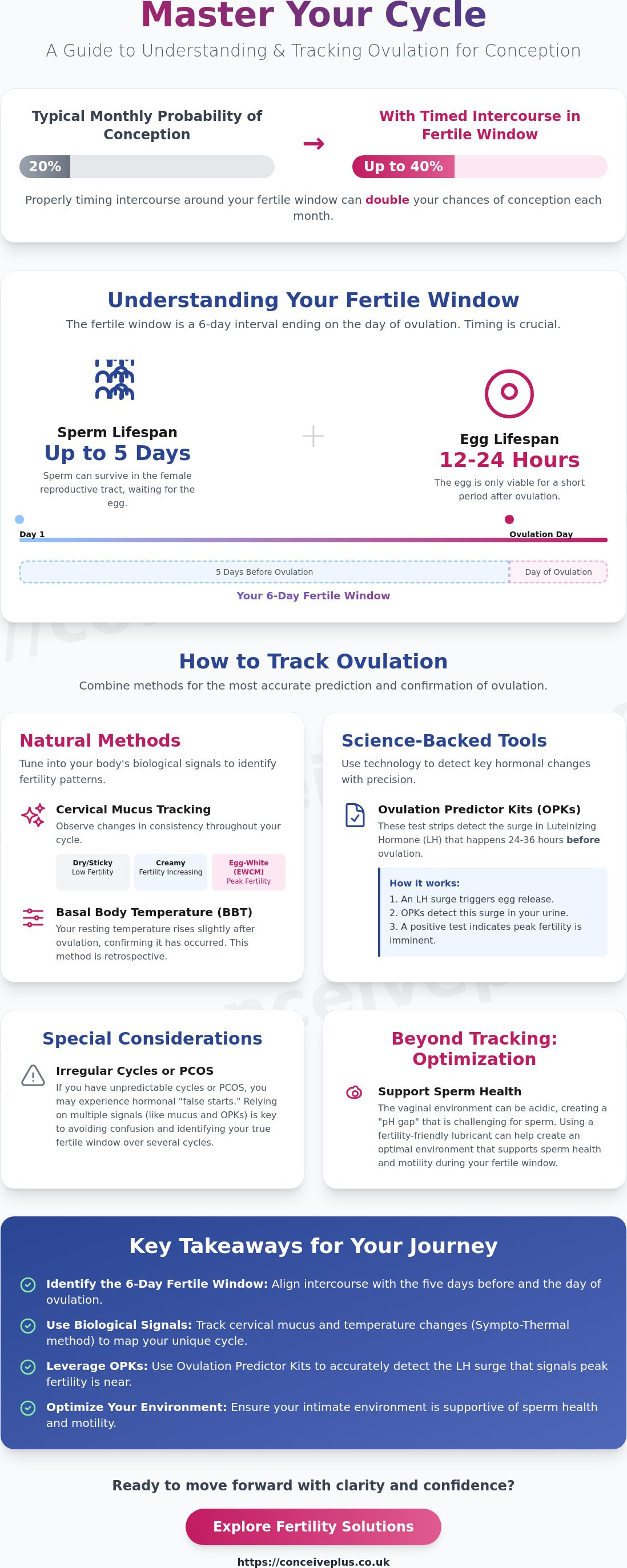
Did you know that properly timing intercourse around your fertile window can increase your monthly probability of conception from 20% to as much as 40%? It is a profound shift that transforms a biological mystery into a clear, actionable strategy for your personal journey. We understand that learning how to track ovulation often feels overwhelming, especially when you are faced with irregular cycle lengths or the quiet anxiety of missing that critical window of opportunity.
You deserve a safe space where clinical science meets deep empathy. It is common to feel lost in a sea of conflicting online advice while seeking a reliable routine that truly honors your body's unique rhythms. This guide is designed to help you master the science of cycle tracking, offering a comprehensive path to identifying your most fertile days and optimizing your path to parenthood. We will explore the primary biological signs of fertility, explain the vital difference between predicting and confirming ovulation, and review the latest advancements in monitoring technology to ensure you move forward with clarity and confidence.
Key Takeaways
- Identify the precise six-day interval known as the fertile window to ensure your timing aligns perfectly with your body's natural release of a mature egg.
- Discover how to track ovulation through the Sympto-Thermal method, which uses biological signals like temperature and cervical mucus to map your unique cycle.
- Learn the optimal timing for using Ovulation Predictor Kits to accurately detect the hormonal surge that precedes your most fertile days.
- Navigate the complexities of irregular cycles or PCOS by understanding how to interpret hormonal "false starts" and unpredictable biological patterns.
- Optimize your path to parenthood by addressing the "pH gap" and ensuring your intimate environment remains supportive of sperm health and motility.
Understanding the Science of Ovulation and Your Fertile Window
Ovulation is the quiet, pivotal moment when a mature egg is released from the ovary, ready for potential fertilization. This event usually happens 10 to 16 days before your next period begins, but every woman's body follows its own internal clock. Understanding the science behind this process is the first step in learning how to track ovulation with confidence. The "Fertile Window" refers to the six-day interval that includes the day of ovulation and the five days leading up to it. This window exists because of a fascinating biological mismatch; while an egg only survives for 12 to 24 hours after release, healthy sperm can live inside the female reproductive tract for up to five days.
To better understand this concept, watch this helpful video:
The engine behind this process is Luteinizing Hormone (LH). A sudden surge in LH levels triggers the ovary to release the egg, providing a clear biological signal that fertility has reached its peak. Many women utilize Fertility Awareness Methods to identify these shifts in real-time, bridging the gap between clinical data and their own physical experiences. By monitoring these hormonal changes, you create a reliable map of your reproductive health.
The Four Phases of Your Menstrual Cycle
Your cycle is a continuous loop of hormonal communication. It begins with Menstruation, where the body sheds the uterine lining to reset the system. Next is the Follicular Phase, a period of preparation where follicles in the ovaries grow and one "dominant" follicle prepares to release its egg. Ovulation is the brief, 24-hour peak where the egg is actually available for conception. Finally, the Luteal Phase occurs after ovulation. During this time, progesterone levels rise to support a potential pregnancy, lasting until the next cycle begins.
Why Timing is Everything for Conception
Identifying your most fertile days is about more than just a single date on a calendar. Because sperm can wait for the egg to arrive, having intercourse in the days leading up to ovulation is actually more effective than waiting until the day itself. These "peak fertility" days represent your best opportunity for success. If you're just beginning this process, using a tool like the Conceive Plus Ovulation Calculator can provide a helpful estimate of your window. By learning how to track ovulation, you move from guesswork to a methodical, science-backed routine that respects your body's natural pace.
Natural Methods: How to Track Ovulation Using Biological Signals
While digital tools provide helpful estimates, your body offers real-time data through sophisticated biological signals. Learning how to track ovulation using the Sympto-Thermal method allows you to cross-reference multiple physical indicators for a more accurate picture of your fertility. This holistic approach requires recording daily changes, but the reward is a deeper connection to your unique reproductive rhythm. It turns the mystery of your cycle into a predictable, manageable map.
Consistency is your greatest ally when beginning this journey. It often takes two or three cycles to recognize the subtle patterns unique to your body. Experts at Johns Hopkins Medicine emphasize that Calculating Your Fertile Window involves more than just counting days; it requires an attentive partnership with your own physiology. Many women find that this daily practice reduces anxiety, replacing confusion with the quiet confidence of data.
Monitoring Cervical Mucus Changes
Cervical mucus is a reliable indicator of rising estrogen levels. In the days following your period, you'll likely notice a "dry" or "sticky" sensation. As you approach your window, this shifts to a "creamy" or "lotion-like" consistency. When you reach peak fertility, the texture changes significantly. Egg-white cervical mucus (EWCM) is clear, stretchy, and pH-balanced to support sperm travel. This specific consistency acts as a protective medium, ensuring sperm can survive the journey through the cervix to meet the egg.
Basal Body Temperature (BBT) Charting
Basal Body Temperature involves taking your temperature immediately upon waking, before you even sit up or speak. You need a sensitive basal thermometer that measures to two decimal places to catch subtle shifts. After ovulation occurs, the body releases progesterone, which causes a slight but distinct "thermal shift" or rise in temperature. While BBT is excellent for confirming that ovulation has successfully happened, its primary limitation is that it's retrospective. It tells you when you've already ovulated, which is why it works best when paired with mucus tracking.
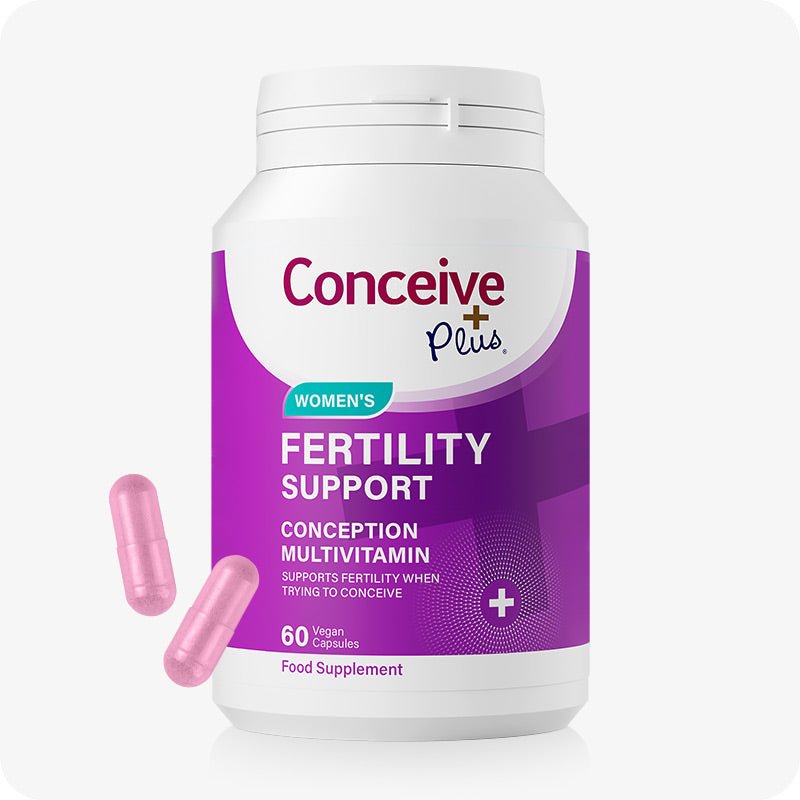
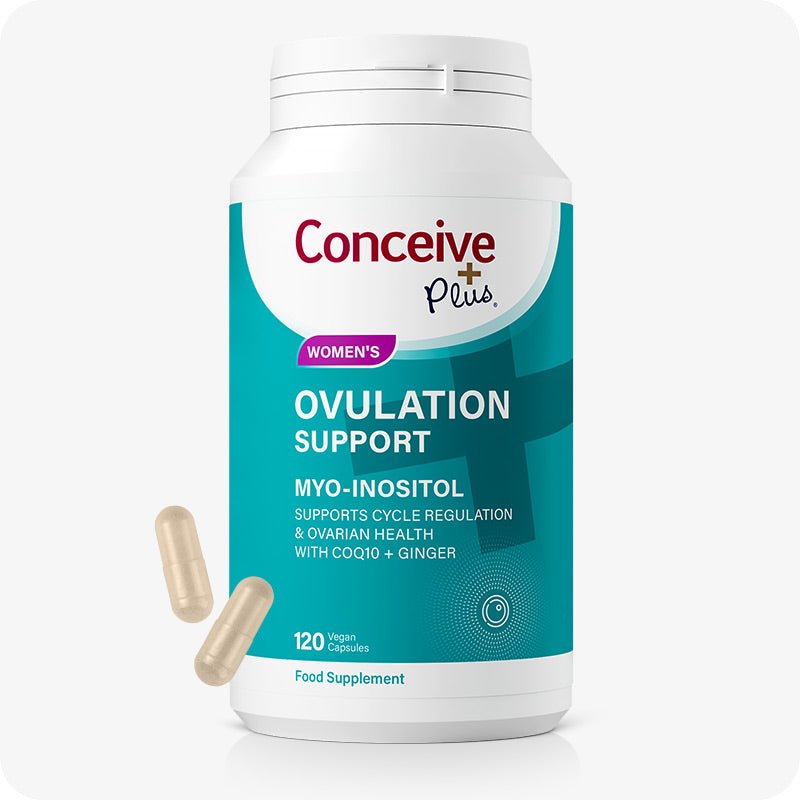
Starting a new routine takes patience and gentle encouragement. If you find your cycles are slightly irregular or you want to ensure your body has the nutrients it needs during this phase, incorporating specialized ovulation support can be a supportive step. By mastering how to track ovulation through these natural signs, you gain a reliable toolkit for your conception journey.
Using Science-Backed Tools: Ovulation Predictor Kits (OPKs)
While biological signs offer a wonderful foundation, many women find that adding science-backed tools like Ovulation Predictor Kits (OPKs) provides the definitive clarity they need when learning how to track ovulation. These kits work by detecting Luteinizing Hormone (LH) in your urine. This specific hormone surges approximately 24 to 48 hours before the egg is released, giving you a clear signal that your peak fertility is approaching. Using these kits effectively is a skill that combines clinical precision with a patient, unhurried routine.
To use a manual strip test correctly, follow these simple steps. First, collect a urine sample in a clean container; late morning or afternoon is usually best as LH typically synthesizes in your body earlier in the day. Dip the test strip into the urine for about 10 to 15 seconds, ensuring you don't go past the "max" line. Place the strip on a flat, non-absorbent surface and wait for the time specified in the instructions, which is usually three to five minutes. For more detail, read our guide on how to read an ovulation test strip.
Digital vs. Manual Test Strips
Manual strips are an affordable and reliable way to monitor your cycle, but they require a steady eye to interpret. You are looking for a "test" line that is as dark as, or darker than, the "control" line. If the test line is faint, it's considered a negative result. Digital tests take the guesswork out of this process by displaying a clear icon, such as a smiley face, to indicate your surge. While more expensive, digital options can significantly reduce the anxiety of trying to distinguish between subtle shades of color on a paper strip.
Optimising Your Results
To achieve the most accurate readings, consistency is vital. Testing at the same time every day ensures you don't miss the relatively short window of the LH surge. You should also avoid drinking excessive amounts of water or other fluids for about two hours before testing; diluted urine can lead to "false negatives" by lowering the concentration of LH. Most women begin testing around day 10 or 11 of their cycle, though this varies based on your average cycle length. For those Tracking Ovulation with PCOS, results can sometimes be more complex because baseline LH levels may remain elevated. Understanding these nuances helps you maintain a reliable tracking routine that honors your body's specific needs.
Tracking Ovulation with Irregular Periods or PCOS
When your cycle doesn't follow a predictable 28-day pattern, the process of learning how to track ovulation can feel deeply frustrating. It's important to remember that you aren't alone; approximately 4% to 6% of women experience chronic anovulation, often as a primary feature of Polycystic Ovary Syndrome (PCOS). If your cycles consistently fall outside the healthy 21 to 35-day range, your body is sending a signal that it needs extra support. In these cases, traditional calendar math often fails, but your biological signals remain a reliable guide to your fertility.
For those with PCOS, using hormonal tools like OPKs requires a nuanced understanding. PCOS can cause "false starts" where the body attempts to ovulate, triggering a surge in Luteinizing Hormone (LH) that doesn't actually result in an egg being released. This can lead to multiple positive test results in a single cycle, which often causes confusion and anxiety. To counter this, we recommend prioritizing cervical mucus tracking over digital calculators. Your mucus consistency is a direct reflection of what's happening in your ovaries, providing a more tangible sign of your fertile window than a predicted date on an app.
Nutritional Support for Ovulation Regularity
Supporting your hormonal balance from the inside out can help bring more predictability to your cycle. Scientific research highlights the role of Myo-Inositol and D-Chiro Inositol in improving insulin sensitivity and promoting regular ovulation. These specialized nutrients work in harmony to support egg quality, even when your cycles are irregular. To provide your body with these essential building blocks, you might consider Conceive Plus PCOS Support Vitamins to help regulate your cycle. This targeted approach focuses on the underlying physiological needs of your reproductive system.
Managing Stress During the Tracking Process
The pressure of perfectly timing conception can inadvertently raise cortisol levels, which may further delay ovulation. High stress signals to the hypothalamus that it isn't a safe time to conceive, potentially stalling your cycle. It's vital to incorporate "low-tech" days where you step back from intensive data collection to avoid burnout. Sharing the journey with a supportive partner can also ease the emotional weight, turning tracking into a collaborative partnership rather than a solitary burden. By mastering how to track ovulation with a gentle, patient mindset, you create a more receptive environment for your future family.
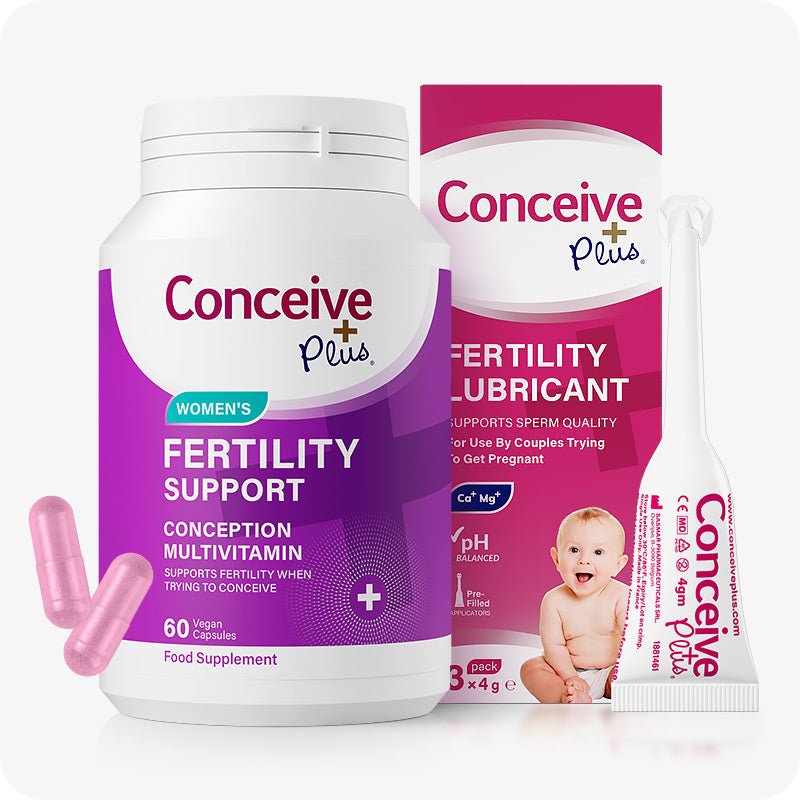
If you're looking for comprehensive support tailored to your unique journey, explore our full range of fertility support solutions designed to help you succeed.
Beyond Tracking: Optimising the Window for Conception
Mastering how to track ovulation gives you the power of timing, but the environment where conception occurs is equally critical. Even with perfect timing, the vaginal environment must be receptive to sperm. Many standard lubricants, while helpful for comfort, have a low pH level that is far too acidic for sperm to survive. This "pH gap" can inadvertently create a barrier to conception, even when you've correctly identified your most fertile days. A truly effective strategy involves a partnership between your data and the physical environment you provide for the journey to begin.
Sperm require a specific, alkaline environment to maintain their motility and reach the egg. Most general retail lubricants are designed for comfort rather than fertility, often lacking the necessary electrolyte balance to sustain life. By choosing products that mimic your body's natural processes, you ensure that your efforts in learning how to track ovulation are fully supported. This holistic approach, combining tracking, nutritional support, and the right intimate products, creates a "safe space" for conception to occur.
The Importance of a Sperm-Friendly Environment
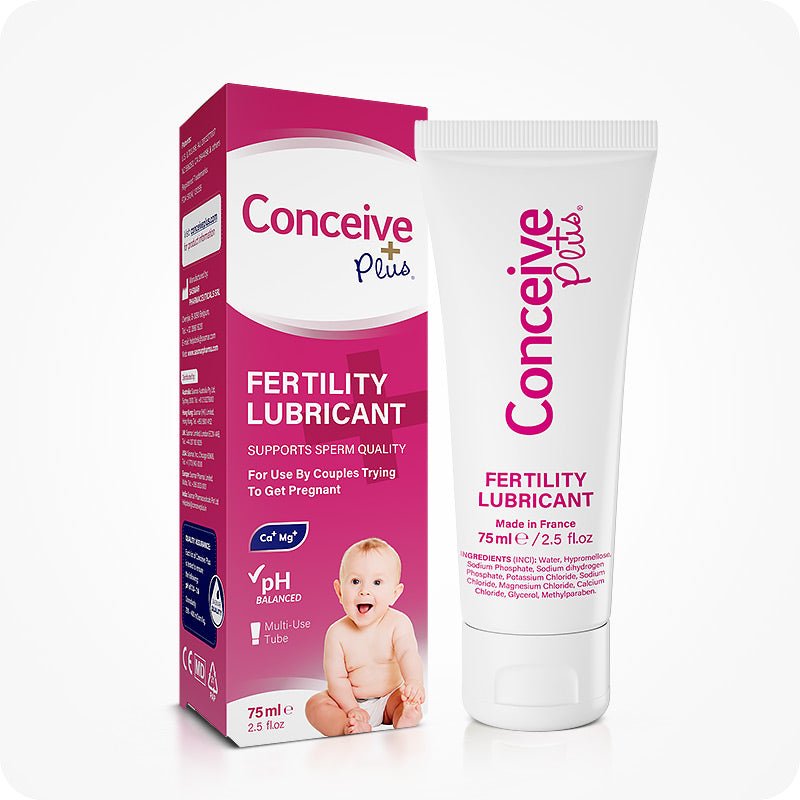
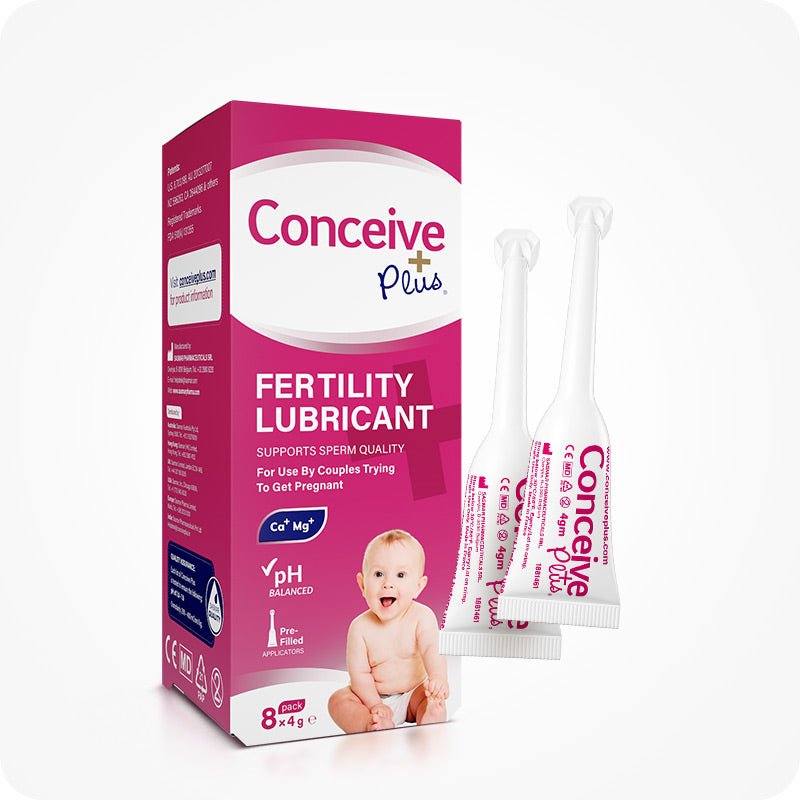
Sperm survival is heavily dependent on the presence of specific ions, particularly calcium and magnesium. Conceive Plus Fertility Lubricant 75ml Tube is scientifically formulated to mimic the body's natural fertile fluids, providing these essential building blocks to support sperm health and motility. Using pre-filled applicators can be especially beneficial; they allow for internal application to coat the cervix, creating a supportive pathway for sperm to travel. This ensures that the environment remains optimized for the duration of your fertile window, giving every sperm the best possible chance to reach its destination.
Next Steps After a Positive Tracking Result
Once you've identified your surge and timed intercourse, you enter the "Two-Week Wait." This is the period between ovulation and your expected period when a fertilized egg may begin the process of implantation. It's a time of significant emotional weight, and maintaining a hopeful, steady mindset is just as important as the physical preparation you've already completed. If you're wondering when the right moment is to check for results, you can prepare for the next phase with our guide on when to take a pregnancy test. Whether the result is what you hoped for this month or a sign to try again, remember that every cycle provides valuable data and brings you closer to your goal. You're moving forward with expertise, clarity, and the right tools for success.
Moving Forward on Your Path to Parenthood
Learning how to track ovulation is more than a technical exercise; it's an act of self-care that builds a bridge between your goals and your body's natural rhythms. By combining the data from biological signals like cervical mucus with the precision of science-backed tools, you've created a reliable framework for your conception journey. Success often lies in the delicate balance of timing and environment. Creating a sperm-friendly space through proper pH balance and nutritional support ensures that your fertile window is as receptive as possible.
Since 2008, millions of couples have trusted our patented formula, developed by Sasmar Pharmaceuticals, to support their dreams of starting a family. Our solutions offer a clinically recommended fertility-friendly pH, providing the gentle encouragement your body needs. You don't have to navigate this path alone. Optimise your journey with Conceive Plus Ovulation Support and take the next step with expert-led confidence. Your journey is unique, and we're honored to be your steady partner every step of the way.
Frequently Asked Questions
How soon can I get pregnant after stopping birth control?
You can conceive as soon as your first cycle after stopping hormonal birth control. While some women experience a brief delay as their natural hormones recalibrate, many return to a fertile state immediately. It's helpful to begin monitoring your biological signals right away to understand your body's new rhythm without synthetic hormones. This proactive approach helps you identify your window without waiting for multiple cycles to pass.
Can I ovulate twice in one menstrual cycle?
You cannot ovulate at two distinct times during a single menstrual cycle. While "hyperovulation" can occur, where the ovaries release two or more eggs, this always happens within the same 24-hour window. Once this brief interval passes, your progesterone levels rise and naturally prevent any further eggs from being released until the next cycle begins. This is why timing intercourse around a single window is so effective.
Does stress really delay ovulation?
Yes, high levels of stress can delay or even prevent ovulation for that specific cycle. When your body produces excess cortisol, it can interfere with the signaling of hormones from the brain to the ovaries. This biological disruption often stalls the surge of Luteinizing Hormone, which is why your fertile window might arrive much later than expected during a particularly demanding or emotional month.
What if my ovulation test never shows a positive result?
If you never see a positive result, it might be due to the timing of your tests or the concentration of your urine. Learning how to track ovulation effectively requires testing during the afternoon when LH levels are typically highest in the body. If you consistently miss the surge, consider testing twice daily or speaking with a healthcare professional to check for anovulatory cycles.
Is it possible to ovulate without having a period?
It's entirely possible to ovulate before your first period returns, particularly after pregnancy, during breastfeeding, or when stopping hormonal contraception. Since ovulation occurs before menstruation, you could potentially conceive without ever seeing a period. This is why tracking biological signs like cervical mucus is far more reliable than waiting for a bleed to mark the start of your conception journey.
How do I track ovulation if I have very short cycles?
For those with short cycles, usually 21 to 24 days, you should begin testing earlier, often as soon as day 6 or 7 of your cycle. Because your follicular phase is shorter, the fertile window arrives much sooner after your period ends. Understanding how to track ovulation in shorter cycles ensures you don't miss the LH surge that can happen surprisingly early in your month.
Can I use an app alone to track my ovulation?
Using an app alone provides a helpful prediction based on historical averages, but it cannot see what is happening in your body in real-time. Apps are most effective when you input your own daily data, such as basal body temperature and mucus changes. Relying solely on an automated calendar without biological confirmation can lead to missing your actual peak fertility days.
What is the best time of day to have sex during the fertile window?
There is no specific "best" hour of the day, but having intercourse every one to two days during your window is the most effective strategy for success. While some studies suggest sperm counts are slightly higher in the morning, the difference is rarely enough to impact your overall chances. Focus on consistency and emotional comfort rather than a strict schedule to keep the process supportive.