Average Time to Get Pregnant


How Long Does It Take to Get Pregnant?
This number varies, so it’s important not to compare yourself to other couples and expect the same results. A 2002 study done in the journal Human Reproduction studied 346 women who were trying to get pregnant over one year. 38% of the women got pregnant within 1 month, 68% within 3 months, 81% within 6 months, and 92% within 12 months. The remaining 8% did not conceive during the first year. Some couples can take up to 2 or 3 years to conceive.What Can Make Conception Take Longer?

✨ Trying to Conceive?
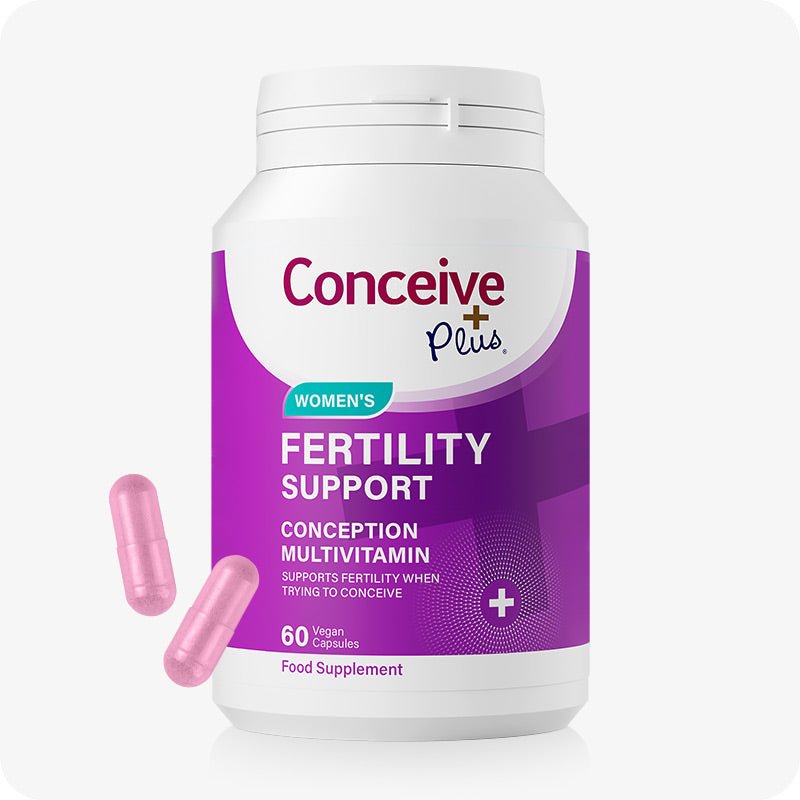
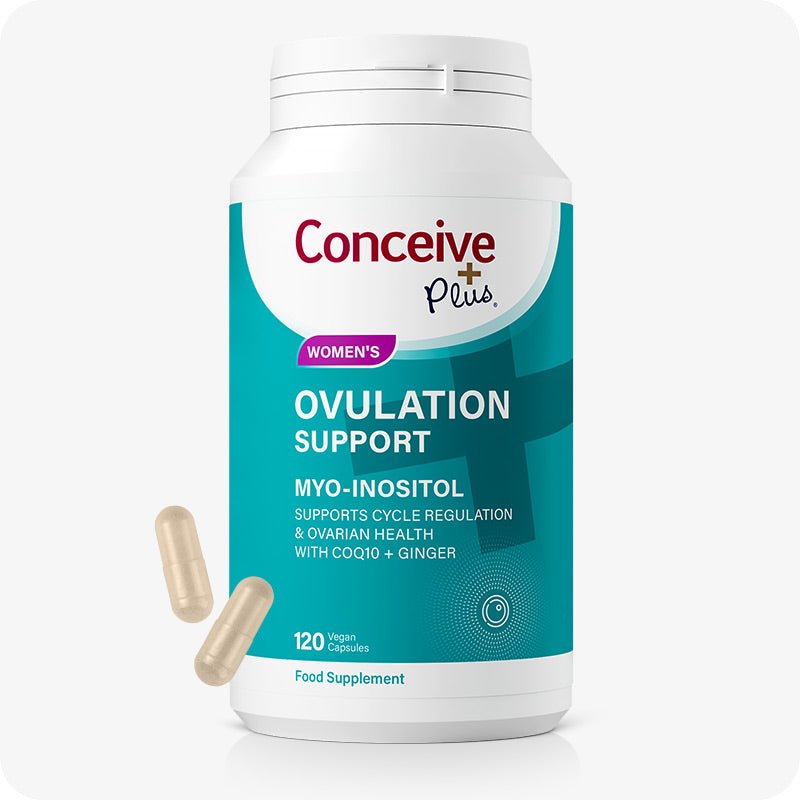
Our fertility supplements combine Myo-Inositol with essential vitamins to support healthy hormone balance and regular ovulation.
Shop Now — $36.00✓ Free shipping available | ✓ Trusted by millions of couples worldwide
When Should You See a Fertility Specialist?
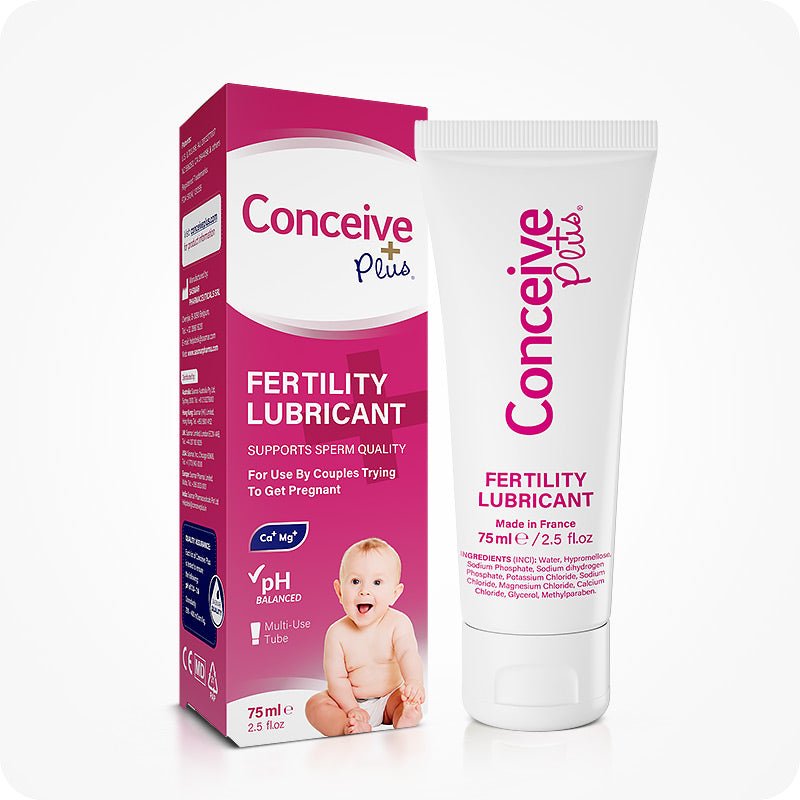
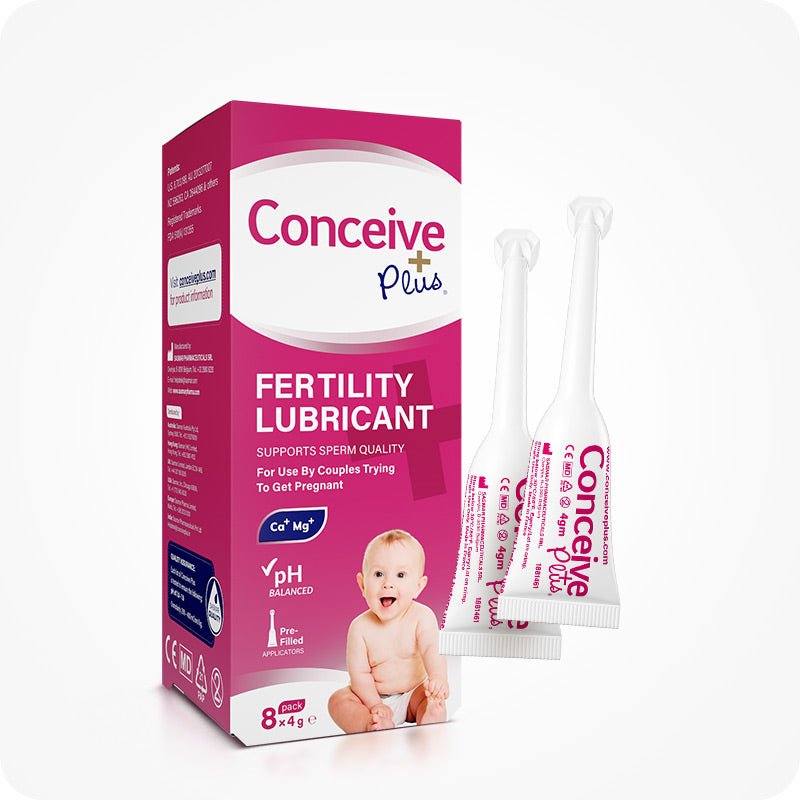
Before you start trying to conceive, you should visit your doctor for a general checkup and inform them that you are trying to get pregnant. They can make sure that you are healthy and that your body is ready for a baby. However, most couples do not have any fertility tests performed when they start trying to conceive. Typically, you can wait until you’ve been trying for a year. Then, the two of you may want to visit a fertility specialist to see whether you have any fertility problems. If you do, you may want to pursue treatment options to help you have a baby. If you are trying to conceive at 35 or older, you should visit a fertility specialist if you haven’t conceived within 6 months. This ensures that you don’t waste any of your precious time. CONCEIVE PLUS® Fertility support is an essential part of conception, whether you are just starting out or have been trying for some time. Regular lubricants are proven to have negative effects on the fertilization process and should be avoided when you are trying to conceive. BUY HERE🌱 Support Your Fertility Journey
Conceive Plus fertility supplements are clinically formulated to help regulate your cycle and support egg quality.
Shop Fertility Support →Frequently Asked Questions
Recommended by Fertility Experts
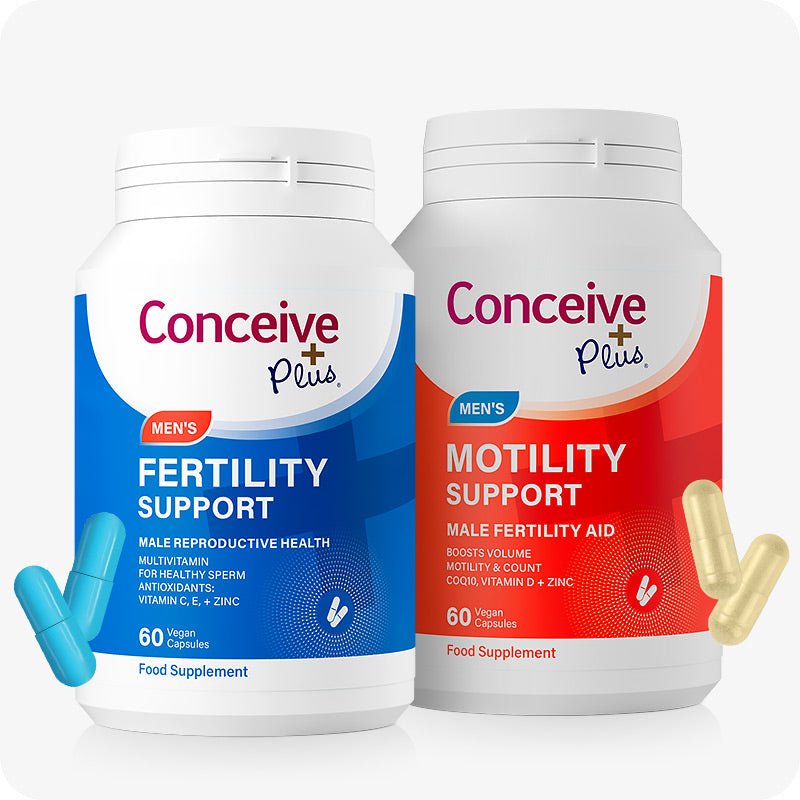
Conceive Plus Men's Fertility Support
Designed to support healthy sperm production, motility, and overall male reproductive health with clinically studied nutrients.
Shop Now →How long does it take to get pregnant on average UK?
According to research, around 84% of couples will conceive within one year of having regular unprotected sex. The NHS advises that most couples trying to conceive will get pregnant within 12 months, though it's completely normal for it to take longer, especially if you're over 35.
When should I see my GP about fertility problems?
The NHS recommends visiting your GP if you've been trying to conceive for 12 months without success. However, if you're a woman over 36, or if you have any known fertility concerns such as irregular periods or a history of pelvic inflammatory disease, you should speak to your GP after 6 months of trying.
How long is the NHS waiting list for fertility treatment?
NHS waiting times for fertility treatment vary significantly depending on your local Integrated Care Board (ICB), but couples can typically expect to wait anywhere from 6 months to 2 ye
What fertility tests can I get on the NHS?
Your GP can arrange initial fertility tests including blood tests to check hormone levels and ovulation, as well as a semen analysis for your partner. If needed, you may be referred for further investigations such as an ultrasound scan or a hysterosalpingography (HSG) to check your fallopian tubes, in line with NICE guidelines.
Does age affect how long it takes to get pregnant?
Yes, age is one of the most significant factors affecting fertility, particularly for women. According to the HFEA, female fertility starts to decline more noticeably after age 35, and more significantly after 40, which can mean it takes longer to conceive naturally.
Can I get IVF on the NHS and what are the eligibility criteria?
NHS funding for IVF varies by area, but NICE guidelines recommend that women under 40 should be offered 3 full cycles of IVF if they've been trying to conceive for 2 years. Eligibility criteria differ between ICBs and may include factors such as BMI, smoking status, and whether either partner already has children.
How can I improve my chances of getting pregnant quickly?
The NHS recommends having regular sex every 2-3 days throughout your cycle, maintaining a healthy weight, reducing alcohol intake, and stopping smoking. Taking folic acid supplements and tracking your fertile window can also help support your chances of conception.
Trusted by Couples in Over 70 Countries
Support Male Fertility From the Inside Out
Male fertility is just as important as female fertility in the conception journey. Conceive Plus Men's range delivers targeted nutritional support to promote healthy sperm and overall reproductive wellbeing.
Shop Men's Range →