Most Common Causes of Female Infertility


Polycystic Ovarian Syndrome
Polycystic ovarian syndrome (PCOS) is characterized by an imbalance of hormones, which prevents normal ovulation. Of course, without the release of eggs, it’s impossible to become pregnant. A doctor can prescribe medication that will help your body to ovulate regularly in case if you are diagnosed with PCOS.Pelvic Inflammatory Disease

✨ Trying to Conceive?
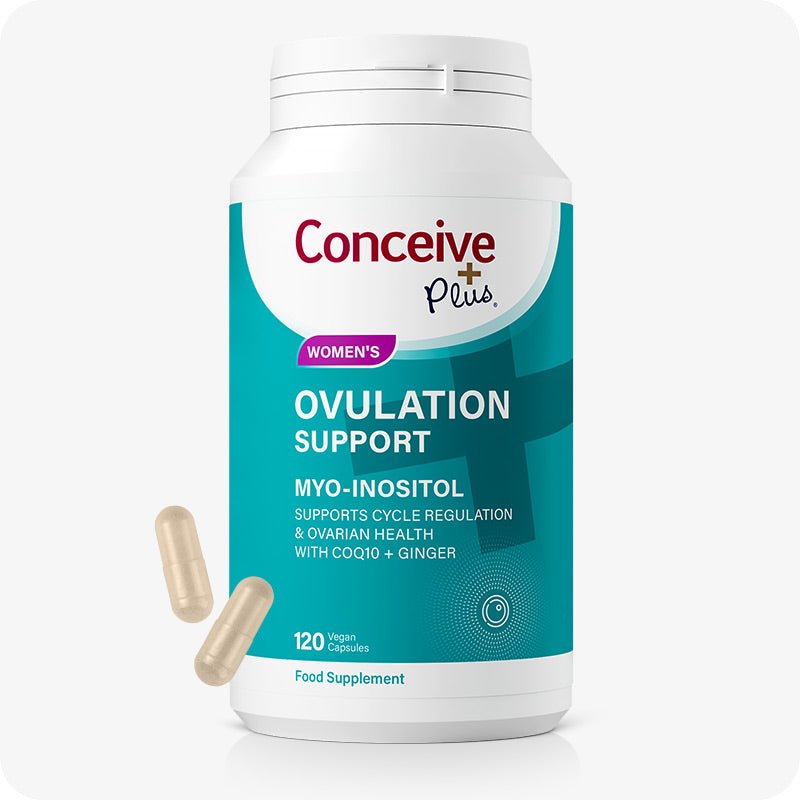
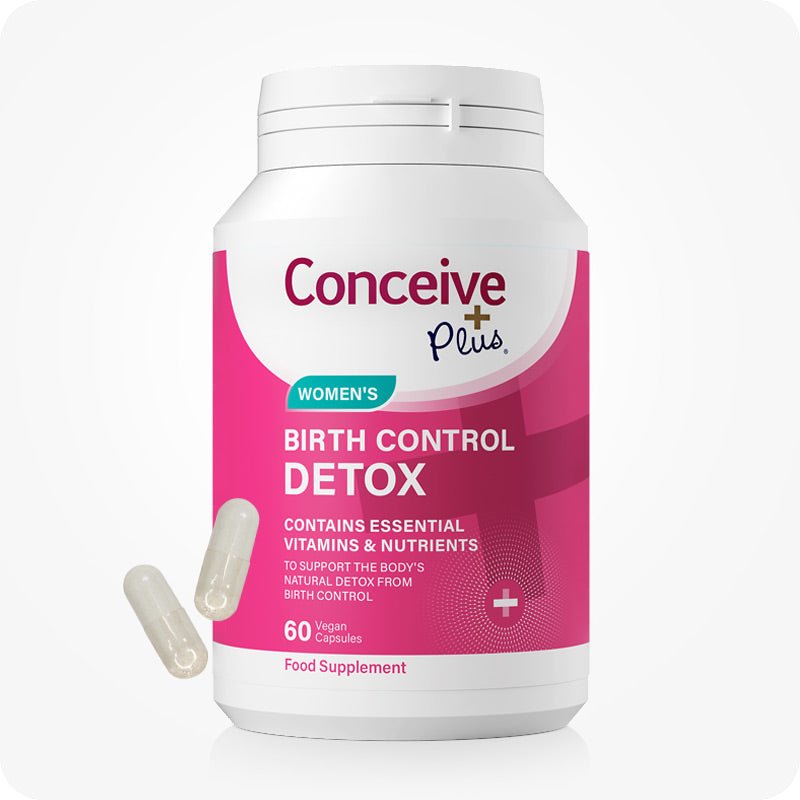
Our fertility supplements combine Myo-Inositol with essential vitamins to support healthy hormone balance and regular ovulation.
Shop Now — $36.00✓ Free shipping available | ✓ Trusted by millions of couples worldwide
Uterine Fibroids
Uterine fibroids are noncancerous growths of tissue in the uterus. Most women have them at some point, and when they are small, they are not harmful. However, if they are large and numerous, they may interfere with conception and a healthy pregnancy. Doctors can typically detect uterine fibroids during a normal pelvic exam. If you have fibroids that are causing infertility, you can have them removed through a non-invasive procedure.Endometriosis
Endometriosis is a disorder in which the endometrium, the lining of the uterus, attaches to places outside the uterus. During menstruation, this lining sheds but cannot exit the body. This can be painful and cause fertility problems. Fortunately, endometriosis can be treated by either medication or surgery. PREGNANCY TIPS TO HELP YOU CONCEIVE The time to start working toward a healthy pregnancy is before you conceive. If you are trying to get pregnant quick, our pregnancy tips are good start to get your body ready for conception process. Read more hereMORE ABOUT CONCEIVE PLUS
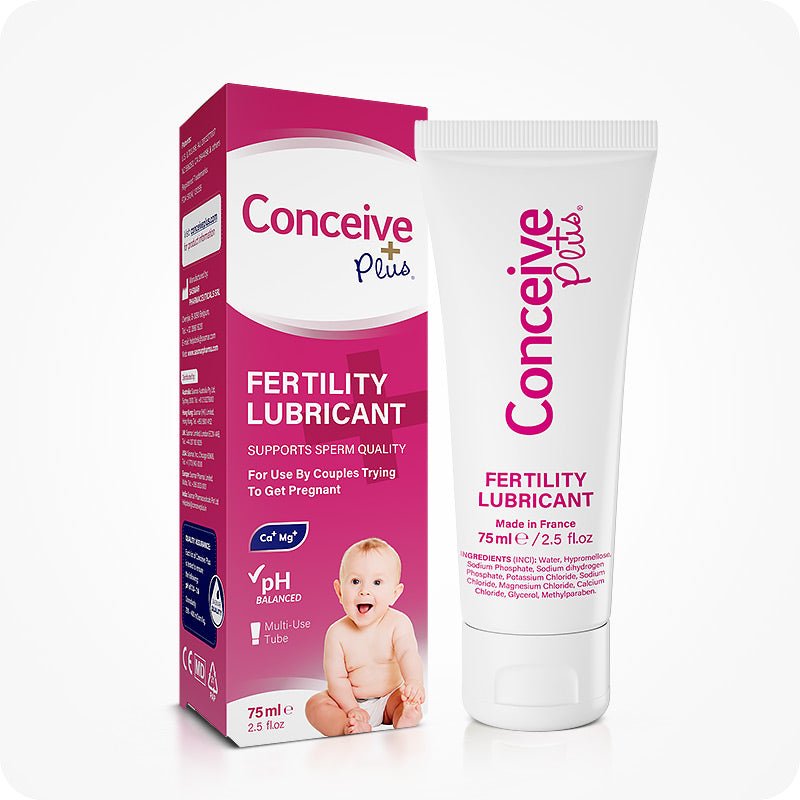
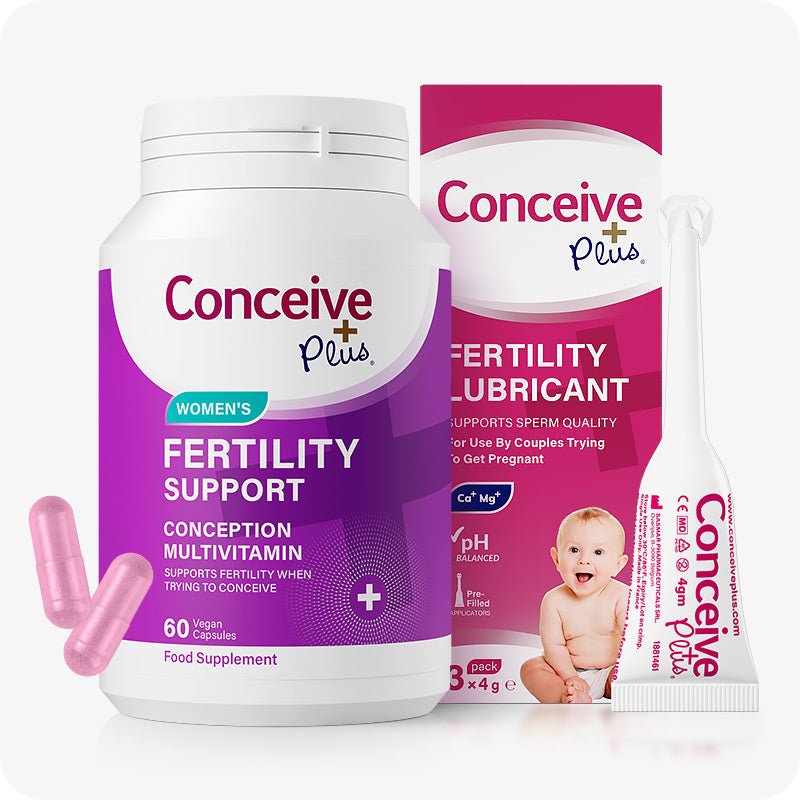
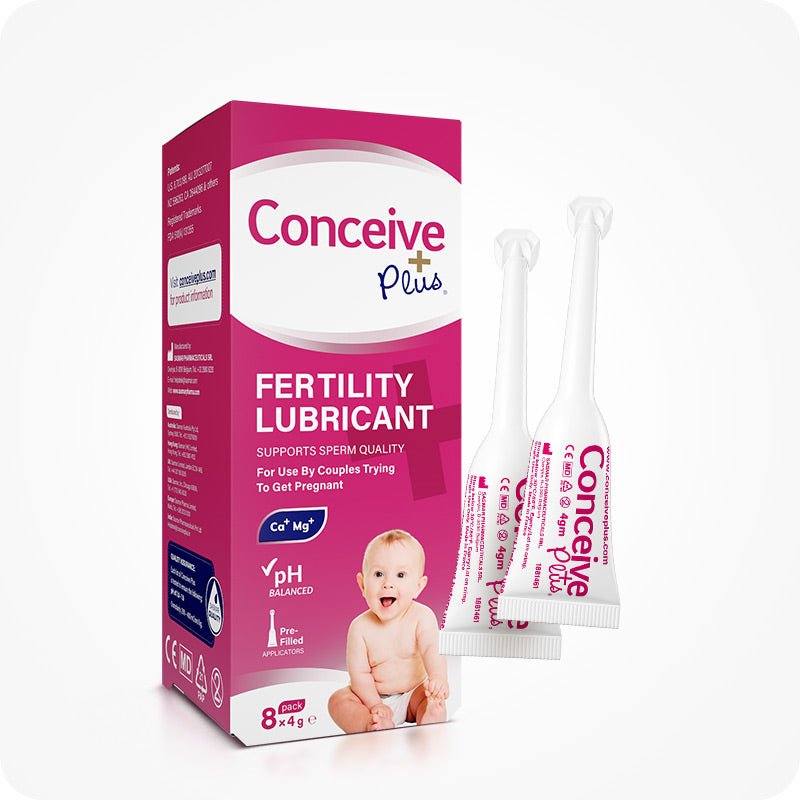
If you have just started trying to get pregnant or have been trying for a while, Conceive Plus® can help increase your chances of conception naturally! Recommended by doctors, pharmacists and fertility clinics in more than 60 countries, this is the fertility friendly lubricant approved by the FDA and a prescription is not required.🌱 Support Your Fertility Journey
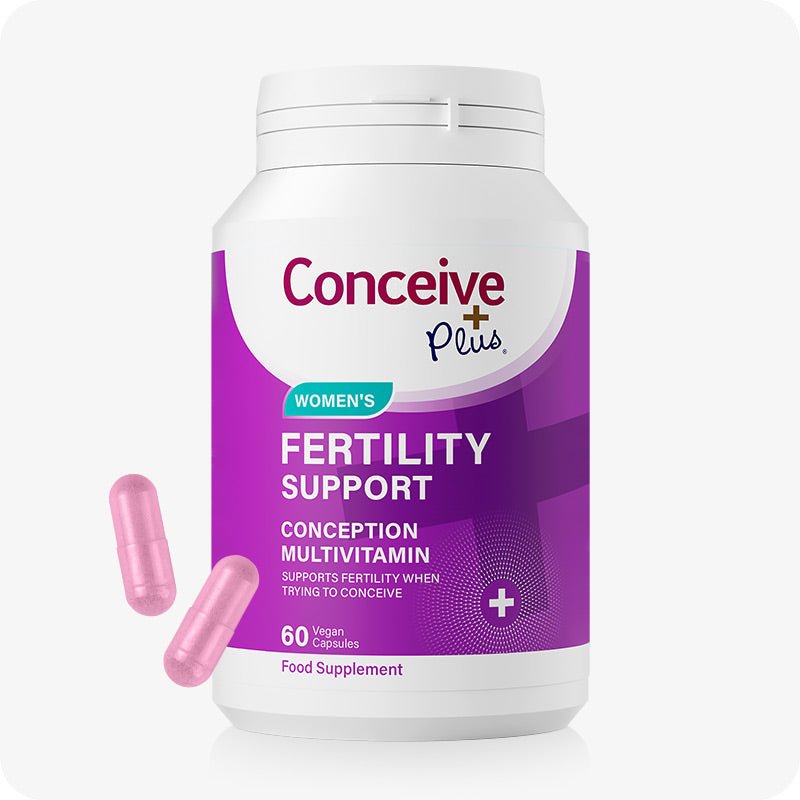
Conceive Plus fertility supplements are clinically formulated to help regulate your cycle and support egg quality.
Shop Fertility Support →Frequently Asked Questions
Recommended by Fertility Experts
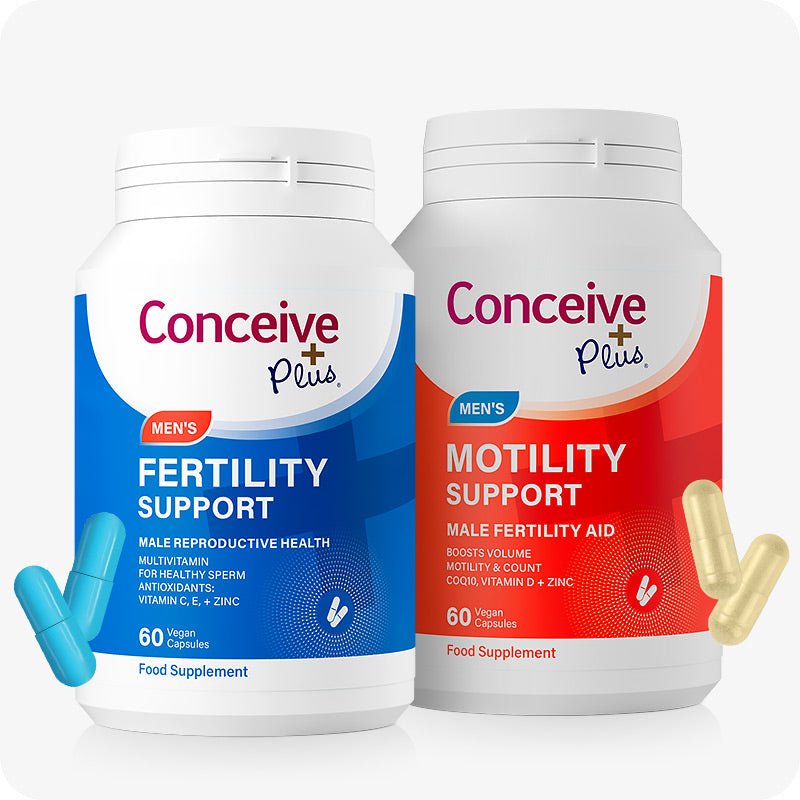
Conceive Plus Men's Fertility Support
Designed to support healthy sperm production, motility, and overall male reproductive health with clinically studied nutrients.
Shop Now →What are the most common causes of female infertility in the UK?
The most common causes of female infertility include polycystic ovarian syndrome (PCOS), pelvic inflammatory disease (PID), uterine fibroids, and endometriosis. According to NHS statistics, around 1 in 7 UK couples experience fertility issues, with female factors accounting for approximately one-third of cases. Your GP can arrange initial tests to help identify any underlying conditions affecting your ability to conceive.
When should I see my GP about fertility problems?
The NHS recommends visiting your GP if you've been trying to conceive for 12 months without success, or after 6 months if you're over 36. You should also seek advice sooner if you have irregular periods, a history of pelvic inflammatory disease, or known conditions like PCOS or endometriosis. Your GP can arrange initial fertility investigations and refer you to a specialist if needed.
Can I get fertility treatment on the NHS for conditions like PCOS?
Yes, fertility treatment for conditions like PCOS is available on the NHS, though eligibility criteria vary depending on your local Integrated Care Board (ICB). NICE guidelines recommend that women with PCOS who aren't ovulating should be offered medications such as letrozole or clomifene citrate. Your GP can refer you to an NHS fertility clinic where specialists will assess your situation and discuss treatment options.
How long are NHS fertility clinic waiting times in the UK?
NHS fertility clinic waiting times vary significantly across the UK, ranging from a few weeks to over 12 months depending on your area and the treatment required. You can ask your GP about local waiting times when requesting a referral. Some couples choose to begin private investigations whilst waiting for NHS appointments to avoid delays in diagnosis.
Can pelvic inflammatory disease cause permanent infertility?
PID can cause permanent damage to the fallopian tubes if left untreated, potentially leading to blocked tubes and difficulty conceiving naturally. However, early treatment with antibiotics can prevent long-term complications. If you've had PID and are struggling to conceive, your GP can refer you for tests to check whether your fallopian tubes have been affected, and treatments such as IVF may be available through the NHS.
Will the NHS remove uterine fibroids if they're causing infertility?
Yes, the NHS can offer treatment for uterine fibroids that are affecting your fertility, including procedures like myomectomy to remove them. Your consultant will assess the size, number, and location of your fibroids to determine the best approach. NICE guidelines support surgical intervention when fibroids are distorting the uterine cavity and contributing to fertility problems.
How is endometriosis diagnosed and treated for fertility in the UK?
Endometriosis is typically diagnosed through laparoscopy, a keyhole surgical procedure available on the NHS. Treatment options for fertility include laparoscopic surgery to remove endometrial tissue, or assisted conception techniques like IVF if natural conception isn't possible. NICE guidelines recommend that women with endometriosis-related infertility should be referred to a specialist fertility clinic for tailored advice and treatment planning.
Trusted by Couples in Over 70 Countries
Support Male Fertility From the Inside Out
Male fertility is just as important as female fertility in the conception journey. Conceive Plus Men's range delivers targeted nutritional support to promote healthy sperm and overall reproductive wellbeing.
Shop Men's Range →