Ovulation Tracking: The Complete Guide to Predicting Your Fertile Window


Ovulation Tracking: The Complete Guide to Predicting Your Fertile Window
Understanding your body's cycle is one of the most empowering steps you can take on your fertility journey. Ovulation tracking — the practice of identifying when you ovulate each month — is both a science and an art, and getting it right can significantly improve your chances of conception. Whether you're just starting to try for a baby or you've been on this path for a while, this comprehensive guide covers every method of ovulation tracking, how to combine them for maximum accuracy, and how to create the ideal conditions for conception once you've pinpointed your fertile window.
Conceive Plus has been helping couples conceive for over a decade, with products and education designed around the real science of reproduction. Accurate ovulation tracking is the foundation — everything else builds on knowing when you're most fertile.
Why Ovulation Tracking Matters
The human conception window is surprisingly narrow. An egg survives for only 12–24 hours after ovulation. Sperm, however, can survive in the female reproductive tract for up to five days — which is why the fertile window extends to approximately 5–6 days before ovulation and the day of ovulation itself. Timing intercourse (or insemination) within this window is essential for conception.
Without any tracking, couples who have unprotected sex throughout a cycle have approximately a 15–25% chance of conception per cycle, depending on age. With accurate ovulation tracking, that probability can increase significantly — simply by concentrating intercourse in the days most likely to result in fertilisation.
For women with irregular cycles — including those with PCOS, thyroid disorders, or cycle irregularities from stress or recent hormonal contraceptive use — ovulation tracking provides even greater value, since cycle length alone gives an unreliable prediction of ovulation timing.
Method 1: Calendar and Cycle Tracking
Ready to Support Your Fertility Journey?
Discover Conceive Plus — evidence-based fertility support trusted by couples worldwide.
Shop Conceive PlusThe simplest form of ovulation tracking uses cycle history. For women with regular cycles, ovulation typically occurs approximately 14 days before the next period — though it does not necessarily occur on day 14 of the cycle. For a 28-day cycle, ovulation is likely around day 14. For a 30-day cycle, around day 16. For a 26-day cycle, around day 12.
To use calendar tracking effectively: record the first day of your period (day 1) for at least three consecutive cycles. Calculate the average cycle length. Subtract 14 from the average cycle length to estimate ovulation day. Begin focusing intercourse on days 10–17 (for a 28-day cycle) to capture the fertile window with some buffer.
The limitation of calendar tracking is its assumption of consistency. Ovulation can shift by several days from cycle to cycle in response to stress, illness, travel, and other physiological changes. Calendar tracking alone is most appropriate for women with very regular, consistent cycles.
Method 2: Basal Body Temperature (BBT) Tracking
Basal body temperature tracking involves measuring your resting temperature first thing every morning before getting out of bed. After ovulation, progesterone levels rise and cause a subtle but measurable temperature increase of approximately 0.2°C (0.4°F). This thermal shift, sustained for at least three consecutive days, confirms that ovulation has occurred.
To use BBT tracking effectively: use a basal thermometer (accurate to two decimal places) every morning at the same time before any activity. Record temperatures in a chart or app. Look for the biphasic pattern — lower temperatures in the follicular phase (pre-ovulation), then a sustained rise after ovulation (luteal phase).
The main limitation of BBT tracking is that it confirms ovulation retrospectively — the temperature rise occurs after ovulation, meaning the most fertile days have already passed. BBT is most valuable as a confirmation tool combined with prospective methods (OPKs, cervical mucus), and for building a picture of your cycle pattern over multiple months.
Important caveats: alcohol, illness, poor sleep, travel, and temperature variation in your sleeping environment can all affect BBT readings. Consistency is critical. Digital BBT thermometers and fertility monitors that automatically log and analyse temperatures (like Tempdrop or dedicated fertility apps) can improve accuracy and reduce measurement error.
Method 3: Ovulation Predictor Kits (OPKs)
Ovulation predictor kits detect the surge in luteinising hormone (LH) that triggers ovulation, typically occurring 24–48 hours before an egg is released. This makes OPKs the most actionable prospective tracking method — a positive OPK tells you that ovulation is imminent, giving you time to time intercourse in the most fertile window.
Standard OPKs use a test-line/reference-line system, with a positive result when the test line is as dark as or darker than the control line. Digital OPKs display a clear positive result (often a smiley face), reducing interpretation ambiguity.
Advanced OPKs (such as Clearblue Advanced Digital) detect both oestrogen (oestradiol) and LH, identifying the peak fertile days by detecting the oestrogen rise that precedes LH surge as well as the LH peak itself. These systems can identify up to four or more fertile days, whereas standard OPKs typically confirm only the two-day window around peak LH.
Tips for OPK accuracy: test between 10am and 8pm (morning urine can give false positives or miss the surge); test at the same time each day; limit fluid intake for 2 hours before testing; begin testing around day 10 for a 28-day cycle (earlier for shorter cycles). Women with PCOS may experience multiple false-positive LH surges throughout their cycle — in these cases, tracking alongside BBT and cervical mucus helps distinguish true from false peaks.
Method 4: Cervical Mucus Monitoring
Cervical mucus changes throughout the menstrual cycle in response to oestrogen and progesterone. Observing these changes — known as the Billings Ovulation Method or part of the Fertility Awareness Method — provides valuable real-time information about approaching ovulation.
In the days following menstruation, most women experience a relatively dry sensation at the vulva. As oestrogen rises in the follicular phase, cervical mucus increases in quantity and changes in character — from sticky and opaque, to creamy and white/yellow, to the characteristic egg-white cervical mucus (EWCM) of the peak fertile phase.
EWCM is clear, slippery, and stretchy — it can be stretched between two fingers to form a thread (known as "spinnbarkeit"). This quality of mucus creates a favourable environment for sperm, helping them travel through the cervix and survive long enough to meet an egg. After ovulation, under the influence of progesterone, mucus becomes thick, scant, and tacky — forming a mucus plug that blocks sperm entry.
Monitoring cervical mucus daily by checking on toilet tissue or internally with clean fingers allows most women to identify the approach and peak of their fertile window. Combined with OPKs, cervical mucus monitoring provides a highly accurate picture of ovulation timing.
Method 5: Fertility Monitors and Wearables
Dedicated fertility monitors have become increasingly sophisticated. Devices like the Clearblue Connected Fertility Monitor track both LH and oestrogen in urine and sync data to a smartphone app. More advanced wearables like the Ava Bracelet track physiological parameters (including skin temperature, resting heart rate, heart rate variability, and breathing rate) to predict fertile windows using algorithms trained on large datasets.
These technologies are particularly valuable for women who find manual tracking methods cumbersome or who have irregular cycles that make calendar estimation unreliable. They also build a longitudinal dataset that can support conversations with fertility specialists if conception does not occur within the expected timeframe.
The trade-off is cost — advanced fertility monitors represent a meaningful upfront investment, though they can be cost-effective if they reduce the time to conception by correctly identifying previously missed fertile windows.
Combining Methods: The Gold Standard Approach
The most accurate ovulation tracking approach combines multiple methods:
- OPKs for prospective detection of LH surge (the most actionable signal)
- Cervical mucus monitoring for real-time physiological confirmation of the fertile phase
- BBT tracking for retrospective cycle confirmation and pattern learning
- Cycle tracking app for data logging and trend analysis
This multi-method approach allows each method's strengths to compensate for the others' limitations. OPKs can miss a surge if you test at the wrong time; cervical mucus provides continuous confirmation; BBT validates cycle timing retrospectively. Together, they give you the most complete picture of your fertile window.
Creating the Optimal Conception Environment
Once you've identified your fertile window, the goal is to maximise the conditions for fertilisation. This means:
Timing intercourse: Most guidelines recommend having sex every one to two days during the fertile window (from the start of fertile-quality cervical mucus or 5 days before expected ovulation through the day of ovulation). Daily intercourse is not necessarily better — sperm quality is optimal with 1–2 day abstinence intervals.
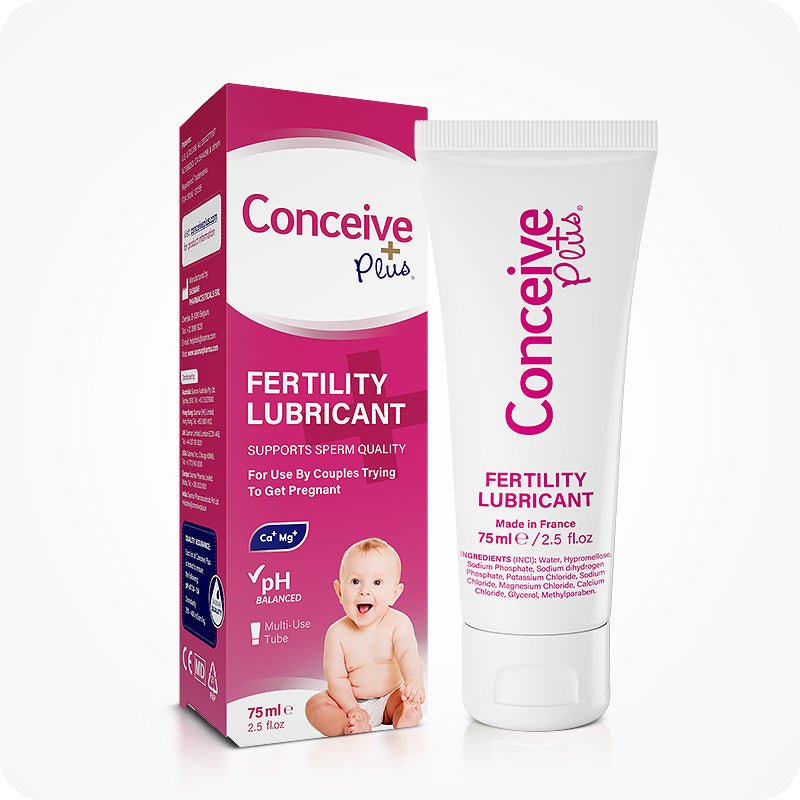
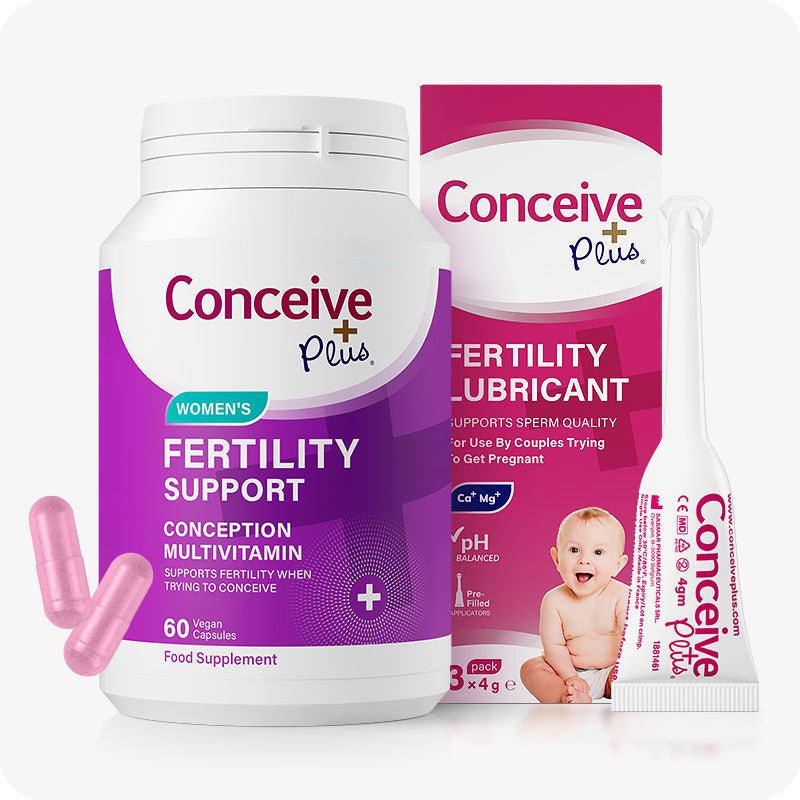
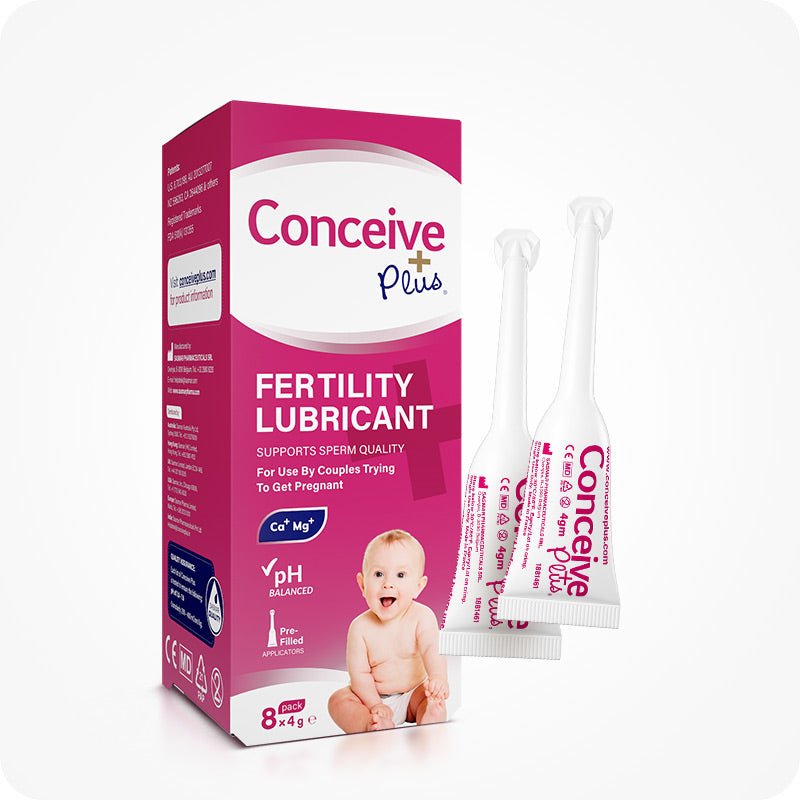
Using the right lubricant: Many standard lubricants — including saliva, petroleum jelly, and common water-based personal lubricants — are toxic to sperm. If you need lubrication during intercourse, choosing a fertility-friendly formula is essential. Conceive Plus fertility lubricant is specifically designed to be compatible with sperm, formulated at the pH and osmolality of fertile cervical mucus, and enriched with the calcium and magnesium ions that support sperm capacitation. It's the smart choice for couples who need lubrication during their fertile window. Explore the range at conceiveplus.co.uk/collections/fertility-lubricants.
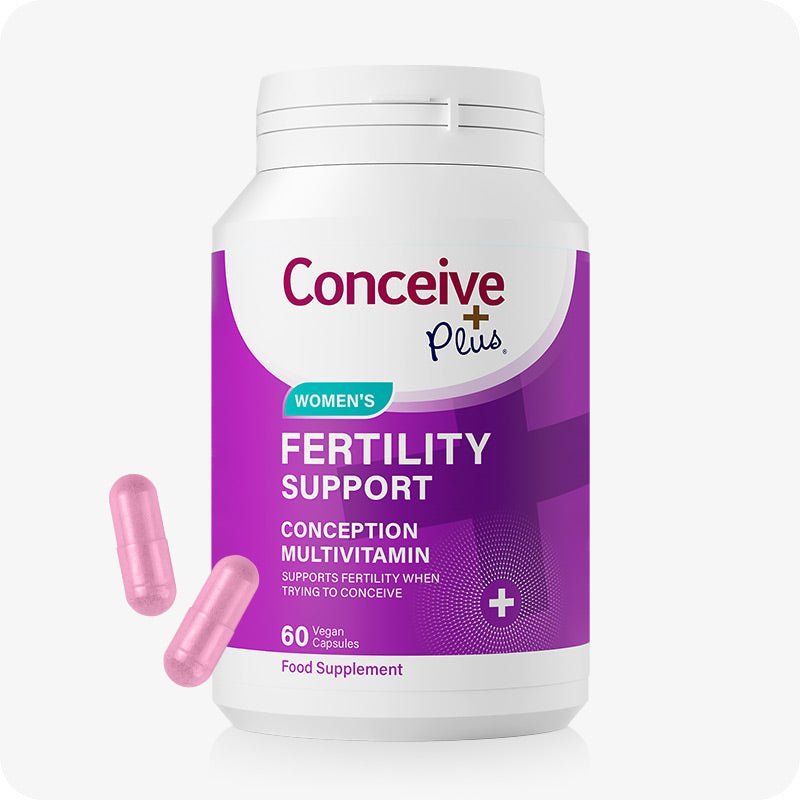
Supporting your fertility with supplements: Key nutrients including folate (or methylfolate), vitamin D, iodine, CoQ10, and omega-3 fatty acids support the hormonal and cellular processes that underpin ovulation, fertilisation, and implantation. Conceive Plus Women's Fertility Support provides a comprehensive daily formula covering these essentials. Find it at conceiveplus.co.uk/collections/fertility-supplements.
Ovulation Tracking When Cycles Are Irregular
For women with irregular cycles — whether due to PCOS, thyroid dysfunction, recent contraceptive use, perimenopause, or stress — calendar-based estimation is unreliable. OPKs become especially important, but they require earlier and more frequent testing to catch a surge that may occur anytime across a wide window.
Practical tips for irregular cycles: Begin OPK testing from day 8–10 regardless of cycle length. Test twice daily (morning and early evening) during the likely fertile window to avoid missing a short LH surge. Track cervical mucus daily throughout the cycle. Use a fertility monitor that can adapt to variable cycle lengths.
Women with PCOS should be aware that elevated LH levels characteristic of PCOS can produce multiple false-positive OPK results throughout the cycle. Combining OPKs with BBT tracking and cervical mucus monitoring helps distinguish genuine surges from chronic LH elevation. Some women with PCOS find that digital advanced OPKs (detecting both oestrogen and LH) are more reliable than standard LH-only tests in this context.
When Ovulation Tracking Points to a Problem
Ovulation tracking can reveal patterns that warrant medical attention:
- No biphasic BBT pattern over multiple cycles may suggest anovulation (lack of ovulation)
- Consistently negative OPKs across a cycle may suggest low or absent LH surge
- Very short luteal phase (less than 10 days from ovulation to next period) may suggest luteal phase defect
- Consistently irregular mucus patterns may suggest hormonal imbalance
- Positive OPKs without subsequent temperature rise may suggest LH surge without actual ovulation (LUF syndrome)
If you notice any of these patterns consistently over 2–3 cycles, sharing your tracking data with your GP or gynaecologist provides valuable objective information that can help guide investigation and treatment.
FAQ: Ovulation Tracking
Q: How accurate are ovulation predictor kits?
A: Standard OPKs detect LH surges with high sensitivity (97–99% in controlled studies). Real-world accuracy is somewhat lower due to timing errors and interpretation issues. Digital OPKs and advanced dual-hormone monitors are more accurate in practice.
Q: Can stress delay ovulation?
A: Yes — stress activates the hypothalamic-pituitary-adrenal axis and can suppress the hypothalamic-pituitary-ovarian axis, delaying or disrupting ovulation. This is one reason why cycles can change during stressful periods.
Q: Is it normal to ovulate on different days each month?
A: Yes — cycle-to-cycle variability of 2–4 days is common even in women with generally regular cycles. More than 7 days of variation is considered irregular and worth discussing with a doctor.
Q: How many days before ovulation should I have sex to conceive?
A: The highest conception probability is associated with intercourse 1–2 days before ovulation, though the window extends from 5 days before to the day of ovulation itself. Regular intercourse every 1–2 days throughout the fertile window captures the optimal timing.
Q: Does the Conceive Plus lubricant affect OPK results?
A: No — Conceive Plus lubricant is applied vaginally and does not affect urinary LH test strips. Use your OPK with urine samples as directed.
Q: Can I get pregnant if I don't feel any ovulation signs?
A: Yes — many women ovulate without noticeable symptoms. Mittelschmerz (ovulation pain) and other physical signs are not universal. OPKs and BBT tracking are more reliable than symptom-based detection.
Q: Which fertility tracking app is best?
A: Popular apps including Natural Cycles, Clue, Ovia, and Glow have received good clinical and user reviews. Natural Cycles is the only app with regulatory approval (FDA/CE) as a fertility-tracking method. The best app is the one you will use consistently.
Q: Does Conceive Plus lubricant help sperm reach the egg?
A: Conceive Plus is formulated to be sperm-compatible — it does not impair motility the way many lubricants do, and it contains calcium and magnesium ions that support sperm function. It creates a supportive environment but does not actively propel sperm.
Q: How long should I track before seeing a doctor about fertility?
A: Most guidelines suggest seeking evaluation after 12 months of unprotected intercourse for women under 35, or 6 months for women 35 and older. If your tracking reveals consistent irregularities or you have known risk factors, discussing with a doctor earlier is appropriate.
Q: Should my partner take supplements too?
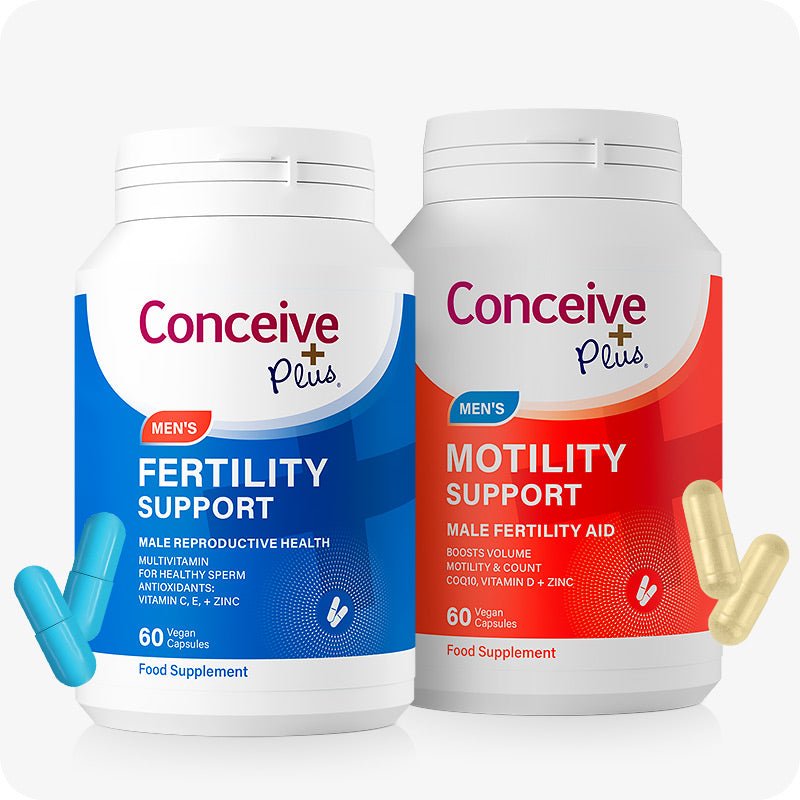
A: Yes — male factor infertility contributes to approximately half of all fertility challenges. Sperm-supportive nutrients (zinc, selenium, folate, CoQ10, vitamin C) take approximately 3 months (one spermatogenesis cycle) to show benefit. Conceive Plus Men's Fertility Support provides these key nutrients in a single daily formula.
Ready to Support Your Fertility Journey?
Discover Conceive Plus — evidence-based fertility support trusted by couples worldwide.
Shop Conceive Plus