The Two Week Wait: How to Survive and What to Do After Ovulation


The Two Week Wait: How to Survive and What to Do After Ovulation
If you're trying to conceive, you're probably intimately familiar with those twelve to fourteen days between ovulation and your expected period — a stretch that fertility communities have named the two week wait (TWW). For many couples, this fortnight is the most emotionally gruelling part of the conception journey: too early to test, too late to change anything, and filled with every imaginable symptom (and non-symptom) to obsess over.
This comprehensive guide covers everything you need to know about the two week wait: what's actually happening in your body, which symptoms are meaningful versus coincidental, how to preserve your sanity, and what you can genuinely do to support implantation. Because while you can't control whether the egg was fertilised, you can control how you take care of yourself during this window — and that matters.
What Exactly Is the Two Week Wait?
The two week wait refers to the luteal phase of the menstrual cycle — the period after ovulation and before either implantation and a missed period (if pregnant) or menstruation (if not). On a textbook 28-day cycle, ovulation occurs around day 14, and the luteal phase lasts until approximately day 28. In reality, the luteal phase typically ranges from 10 to 16 days in length and remains relatively consistent for each individual.
During this time, your body is acting as though pregnancy has occurred — whether it has or not. Progesterone, produced by the corpus luteum (the structure left behind after the follicle releases the egg), rises significantly to thicken the uterine lining, suppress menstruation, and create a hospitable environment for a potential embryo. This surge in progesterone is directly responsible for many of the symptoms people experience during the TWW.
Key events in the two week wait timeline:
- Day 1 (ovulation day): Egg released, viable for 12–24 hours. Sperm can survive 3–5 days in fertile cervical mucus.
- Days 1–3: Fertilisation occurs (if sperm meets egg in the fallopian tube). Fertilised egg begins dividing.
- Days 3–5: Developing embryo travels down the fallopian tube toward the uterus.
- Days 6–10: Implantation window — embryo attaches to the uterine lining. This is when symptoms like implantation cramping or spotting may occur.
- Days 10–14: If implanted, hCG production begins. hCG is the pregnancy hormone detected by tests. Levels double every 48–72 hours in early pregnancy.
- Day 14: Expected period (or its absence) — typically the first reliable testing point.
Two Week Wait Symptoms: What's Real and What's Progesterone?
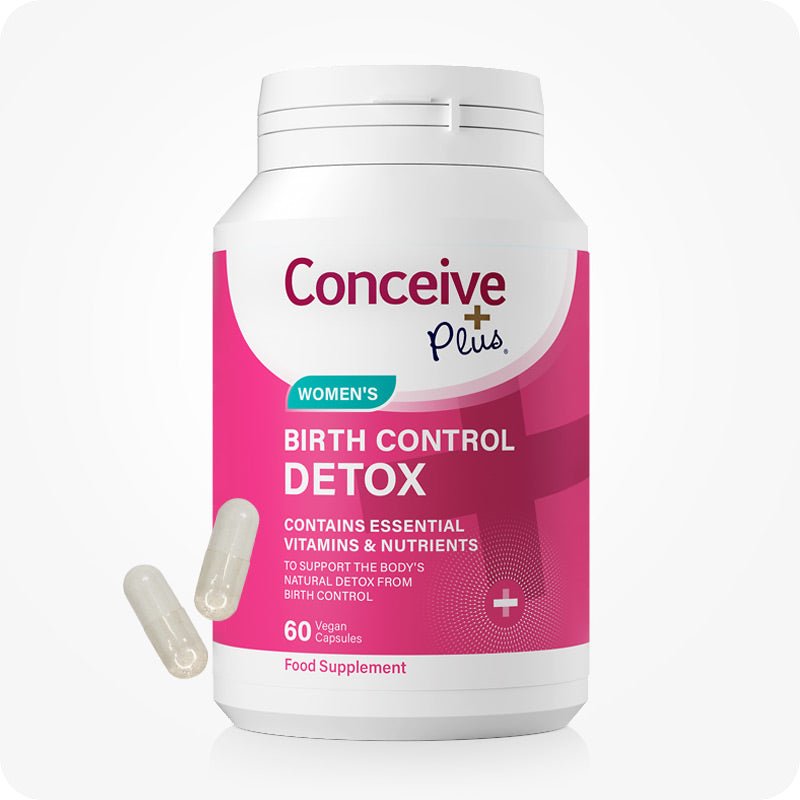
Support Your Two Week Wait With Conceive Plus
Conceive Plus fertility supplements provide the nutrients your body needs during the TWW and beyond — scientifically formulated for women trying to conceive in the UK.
Shop Conceive Plus UK →The cruel irony of the two week wait is that progesterone — regardless of whether pregnancy has occurred — produces many of the same symptoms as early pregnancy. This makes symptom-spotting extraordinarily unreliable. Here's the honest breakdown:
Symptoms Caused by Progesterone (Present Whether or Not You're Pregnant)
- Breast tenderness and fullness
- Bloating and water retention
- Fatigue and tiredness
- Mood changes, irritability, or low mood
- Mild cramping or pelvic discomfort
- Food cravings or aversions
- Increased basal body temperature
- Constipation or digestive changes
- Heightened sense of smell
Symptoms That May (Rarely) Indicate Early Pregnancy Specifically
- Implantation bleeding — light spotting approximately 6–12 days after ovulation, lighter than a period. Experienced by only 25–30% of pregnant women and easily confused with early period or cervical irritation.
- Sustained high BBT — a basal body temperature that remains elevated past day 16 of the luteal phase suggests continued progesterone production from a pregnancy.
- Nausea and vomiting — true morning sickness is caused by rising hCG, not progesterone. If it appears before 10–14 days post-ovulation, it's almost certainly not pregnancy-related nausea.
The Honest Truth About TWW Symptoms
Multiple studies have examined whether TWW symptoms reliably predict pregnancy outcomes. The research consistently shows that symptom patterns do not predict pregnancy at above-chance rates. Women who conceived and women who did not reported virtually identical symptom profiles during the two week wait. The symptoms you feel are real — but they are overwhelmingly caused by progesterone, not pregnancy hormones.
This doesn't mean stop paying attention to your body. It means calibrate your expectations. Physical symptoms during the TWW are meaningful as indicators of a healthy luteal phase. They are not reliable indicators of conception.
When Can You Test? The Honest Guide to Pregnancy Tests During the TWW
This is perhaps the most frequently searched question associated with the two week wait. The answer depends on when implantation occurred and how sensitive your test is.
hCG (human chorionic gonadotropin) is first produced by the embryo after implantation. Implantation most commonly occurs 8–10 days after ovulation, with the full range being 6–12 days. After implantation, hCG levels must rise above the test's detection threshold before a positive result appears.
- Standard pregnancy tests detect hCG at 25 mIU/ml — typically reliable from 14 days post-ovulation (day of expected period).
- Sensitive tests (e.g., 10 mIU/ml threshold) — may detect pregnancy 1–2 days earlier, from around day 12 post-ovulation.
- Testing before 10 DPO: Even in confirmed pregnancies, the vast majority of tests will be negative. A negative result this early means nothing.
The most reliable advice: test on the day of your missed period or after. Early testing primarily extends the anxious waiting period without providing reliable information.
What Can You Actually Do to Support Implantation?
While you cannot force implantation to succeed, there are genuine steps to support your body during the two week wait:
Folate and Folic Acid Supplementation
If not already taking it, ensure you have adequate folate intake. Folate is critical for neural tube development in the first weeks of pregnancy — often before you even know you're pregnant. The NHS recommends 400 mcg of folic acid daily for all women trying to conceive. The active form, methylfolate (5-MTHFR), is preferred by women with MTHFR gene variants that reduce folate conversion efficiency.
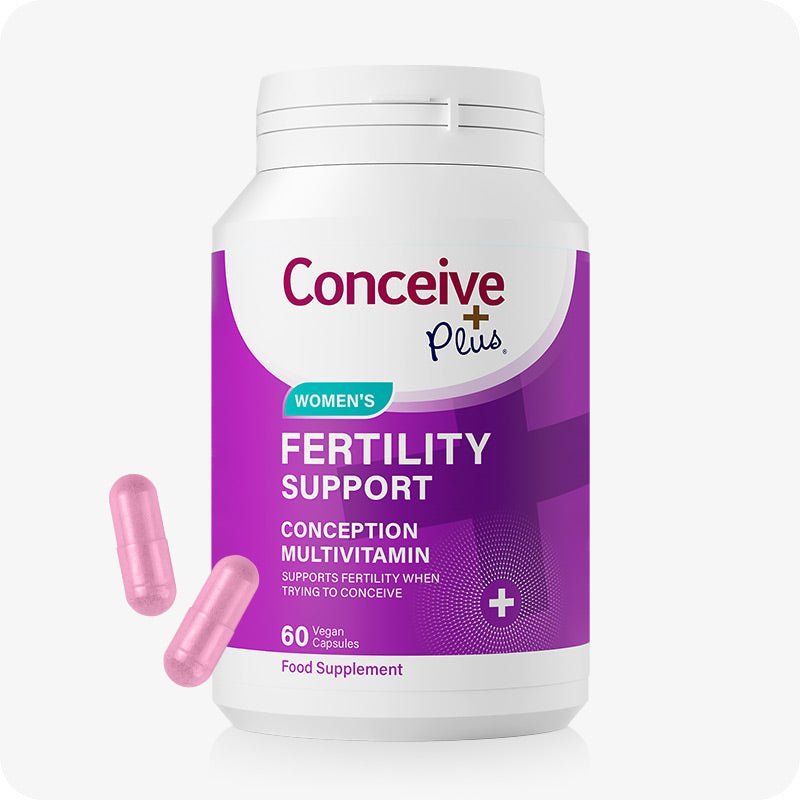
Conceive Plus women's fertility supplements contain methylfolate alongside essential micronutrients supporting early pregnancy. This makes them ideal for the two week wait and beyond.
Continue or Begin Vitamin D Supplementation
Vitamin D receptors are present on endometrial cells, and research suggests adequate vitamin D levels support uterine receptivity — the quality of the uterine lining's ability to accept an embryo. A 2018 study in the Journal of Clinical Endocrinology & Metabolism found that women with sufficient vitamin D had significantly higher live birth rates in IVF cycles.
Public Health England recommends 10 mcg (400 IU) of vitamin D daily for all UK adults, particularly in autumn and winter. Women TTC may benefit from 1000–2000 IU based on individual levels — consult your GP for testing.
Maintain a Nutritious, Anti-Inflammatory Diet
During implantation, the uterine lining is undergoing significant cellular changes. An anti-inflammatory dietary pattern supports this process:
- Plenty of leafy greens, berries, and colourful vegetables for antioxidants
- Omega-3 fatty acids (oily fish, walnuts, flaxseed) to reduce inflammation
- Complex carbohydrates and protein to stabilise blood sugar and support progesterone production
- Limit ultra-processed foods, refined sugar, and trans fats
Moderate, Gentle Exercise Only
The concern about exercise during the TWW is understandable but mostly overstated. There is no clinical evidence that moderate exercise impairs implantation. However, high-intensity exercise, particularly anything that significantly raises core temperature (hot yoga, intense cycling), may be worth avoiding during the implantation window (days 6–10 post-ovulation). Gentle walking, yoga, and swimming are appropriate and beneficial for managing the anxiety that inevitably accompanies the two week wait.
Limit Alcohol and Caffeine
Both alcohol and caffeine should be minimised during the TWW. There is some evidence that even moderate alcohol consumption in the luteal phase may affect implantation, and caffeine above 200mg/day has been associated with pregnancy complications. Given the uncertainty about conception status during the TWW, treating this period as early pregnancy from a lifestyle perspective is sensible and low-risk.
Sleep and Stress Management
Poor sleep elevates cortisol, which can suppress progesterone in the luteal phase — directly undermining the hormonal environment implantation requires. Aim for 7–9 hours of quality sleep. For stress: mindfulness-based approaches, journalling, time with friends, and creative activities have all been shown to reduce cortisol without requiring formal meditation practice.
The Mental Health Dimension of the Two Week Wait
It's important to name what the TWW does to mental health, because the psychological experience is real and significant. Research consistently shows that couples undergoing fertility treatment (and even those actively trying without medical intervention) experience anxiety and depressive symptoms comparable to people managing serious medical diagnoses.
The two week wait concentrates that anxiety into two extremely long weeks. Common experiences include:
- Hyper-vigilance — constantly monitoring physical sensations for meaning
- Magical thinking — believing actions (taking a warm bath, crossing your legs) will affect the outcome
- Social withdrawal — avoiding situations where pregnancy announcements or baby-related topics might occur
- Relationship strain — differing emotional coping styles can create tension between partners
Strategies that genuinely help:
- Set a firm test date and commit to it — endless early testing amplifies anxiety without producing reliable information.
- Plan meaningful activities for the TWW — travel, projects, social events — to create positive distractions.
- Join a supportive community (forums, TTC groups) where people understand the specific experience — but monitor your usage and leave if it increases anxiety.
- Talk to your partner about what you each need — some people want to talk about it constantly; others cope by not focusing on it. Neither is wrong.
- Consider professional support — a therapist or counsellor familiar with fertility journeys can provide significant benefit.
TWW After IUI and IVF: Key Differences
The two week wait after an assisted reproduction cycle carries additional dimensions worth addressing:
After IUI: The TWW timeline is identical to a natural cycle — count from the day of IUI or ovulation trigger. Progesterone support (pessaries or injections) is commonly prescribed, which will intensify TWW symptoms. The emotional stakes often feel higher given the medical investment involved.
After IVF embryo transfer: The clinic will specify your test date — typically 10–14 days post-transfer. This is measured from the transfer date, not ovulation. Progesterone support is essentially universal after IVF, making symptom interpretation even less reliable. Your first blood test at the clinic is more reliable than a home urine test.
For both IUI and IVF cycles, the TWW symptoms are heavily influenced by the medications used, making any symptom interpretation particularly unreliable.
Frequently Asked Questions: The Two Week Wait
Q: Is cramping during the TWW a good sign?
A: Mild cramping during the TWW can indicate implantation (particularly 6–10 DPO) or can be a normal progesterone response. There is no reliable way to distinguish implantation cramping from luteal phase cramping. It can be positive, negative, or completely unrelated to conception.
Q: My temperature dropped during the TWW — does that mean it didn't work?
A: A single temperature dip doesn't mean anything definitive. Basal body temperature has too much day-to-day variability to use individual readings as predictors. Watch the overall trend rather than individual data points.
Q: Can stress cause a failed implantation?
A: There is no evidence that normal levels of stress during the TWW prevent implantation. If stress were sufficient to block pregnancy, the human species would have struggled to survive. That said, chronic, severe stress can disrupt hormone balance over time. Manage stress for your wellbeing, not because you're afraid it will cost you a pregnancy.
Q: I got a faint positive on day 10 — is it reliable?
A: A faint positive at 10 DPO on a sensitive test may be real, particularly if it was taken with first morning urine. Test again in 48 hours to see if the line darkens. If hCG is doubling properly, the line should be distinctly darker on a subsequent test.
Q: Should I take progesterone during the TWW?
A: Only on medical advice. If you've been prescribed progesterone support, continue it as instructed. Self-supplementing with progesterone is not recommended as it can mask a failing pregnancy and delay appropriate medical care.
Q: My TWW always seems longer than two weeks — is that normal?
A: The name is a generalisation. The luteal phase typically runs 10–16 days. If yours is consistently shorter than 10 days (luteal phase defect), it may be worth discussing with your GP as it can impair implantation.
Q: What supplements should I take during the two week wait?
A: Continue any fertility supplements you were taking pre-ovulation — particularly folate/methylfolate, vitamin D, omega-3, and any others recommended by your healthcare provider. Conceive Plus women's supplements are formulated for the full TTC journey including the luteal phase.
Q: Can I exercise during the two week wait?
A: Moderate exercise (walking, yoga, swimming) is fine and beneficial. Avoid very high-intensity or high-impact exercise during the implantation window (approximately 6–10 DPO) if you want to be cautious, though the evidence for harm is weak.
Conclusion: Surviving the Two Week Wait
The two week wait is a uniquely challenging experience — biologically unavoidable, emotionally intense, and filled with uncertainty. But understanding what's actually happening in your body, setting realistic expectations about symptom interpretation, and focusing on what you can genuinely control makes a significant difference.
Take your supplements. Sleep well. Eat nourishing food. Move your body gently. Talk to your partner. Plan something to look forward to. And then try — genuinely try — to live your life during those fourteen days rather than just waiting through them.
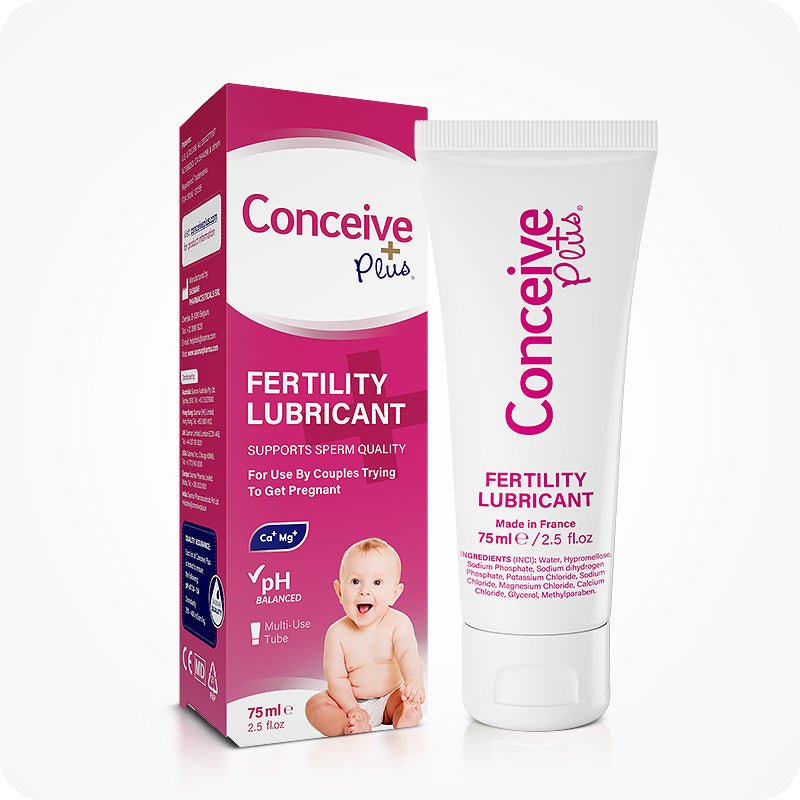
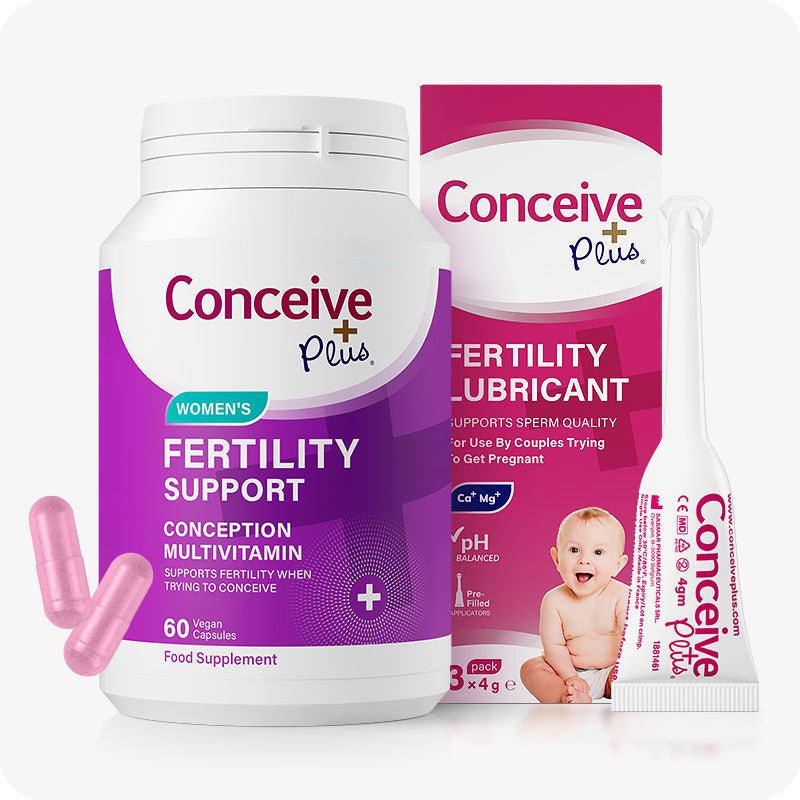
Conceive Plus is here to support every step of your fertility journey. From fertility-safe lubricants to comprehensive supplements for women, Conceive Plus is trusted by thousands of couples across the UK. Visit conceiveplus.co.uk to explore the full range.
Support Your Two Week Wait With Conceive Plus
Conceive Plus fertility supplements provide the nutrients your body needs during the TWW and beyond — scientifically formulated for women trying to conceive in the UK.
Shop Conceive Plus UK →