PCOS and Fertility: Your Complete Guide to Getting Pregnant with PCOS


PCOS and Fertility: Your Complete Guide to Getting Pregnant with PCOS
Polycystic ovary syndrome (PCOS) is one of the most common hormonal disorders affecting women of reproductive age—yet it remains one of the most misunderstood. If you have PCOS and you're trying to conceive, you've probably had moments of doubt. The good news: the vast majority of women with PCOS do go on to have successful pregnancies, and understanding how to work with your body is the first step. This guide covers everything you need to know about PCOS, fertility, and the practical strategies that make the biggest difference.
What Is PCOS? Understanding the Diagnosis
PCOS affects an estimated 8–13% of women of reproductive age globally, making it the most common endocrine disorder in this group. Despite the name, not every woman with PCOS has visible cysts on her ovaries—the diagnosis is based on the Rotterdam criteria, which require at least two of the following three features:
- Irregular or absent ovulation
- Clinical or biochemical signs of elevated androgens (male hormones)
- Polycystic ovarian morphology on ultrasound
PCOS is a complex metabolic and hormonal condition with multiple subtypes. Some women have lean PCOS with normal insulin sensitivity; others have the classic presentation with insulin resistance and weight-related complications. Treatment and fertility strategies differ meaningfully based on your specific subtype—which is why working with a reproductive specialist who understands PCOS is so valuable.
How PCOS Affects Fertility
The primary fertility challenge with PCOS is anovulation—cycles in which ovulation either doesn't occur or occurs unpredictably. Without a mature egg being released, conception cannot happen through natural intercourse. Many women with PCOS also have cycles that are very long (35+ days) or completely absent (amenorrhoea), making it difficult to identify the fertile window using standard methods.
Elevated LH levels (often chronically elevated in PCOS) can cause premature LH surges that may trigger inadequate egg development. Elevated androgens like testosterone can impair follicle development and egg quality. Insulin resistance, present in 50–80% of women with PCOS, raises androgen levels further and disrupts the hypothalamic-pituitary-ovarian axis that regulates the menstrual cycle.
Despite these challenges, PCOS is one of the most treatable causes of infertility. The right combination of lifestyle modifications, medical management, and fertility treatments gives most women with PCOS an excellent chance of conception.
Lifestyle Changes That Dramatically Improve PCOS Fertility
Before turning to medication, lifestyle changes are often the most powerful tools—and for many women with PCOS, they're enough to restore ovulation on their own.
Weight management: In women with insulin-resistant PCOS and excess weight, losing just 5–10% of body weight can restore ovulation in 50–70% of cases. This is one of the most consistently effective interventions in reproductive medicine.
Low-glycaemic diet: Reducing refined carbohydrates and sugar stabilises insulin and LH levels, improving ovulatory frequency. Mediterranean-style diets and low-GI eating patterns are well supported by evidence for PCOS management.
Exercise: Both aerobic exercise and resistance training improve insulin sensitivity and reduce androgen levels. Even 150 minutes of moderate exercise per week produces measurable improvements in PCOS biomarkers.
Stress reduction: Chronic stress elevates cortisol, which further disrupts the HPO axis. Yoga, mindfulness, and sleep optimisation all contribute to hormonal balance.
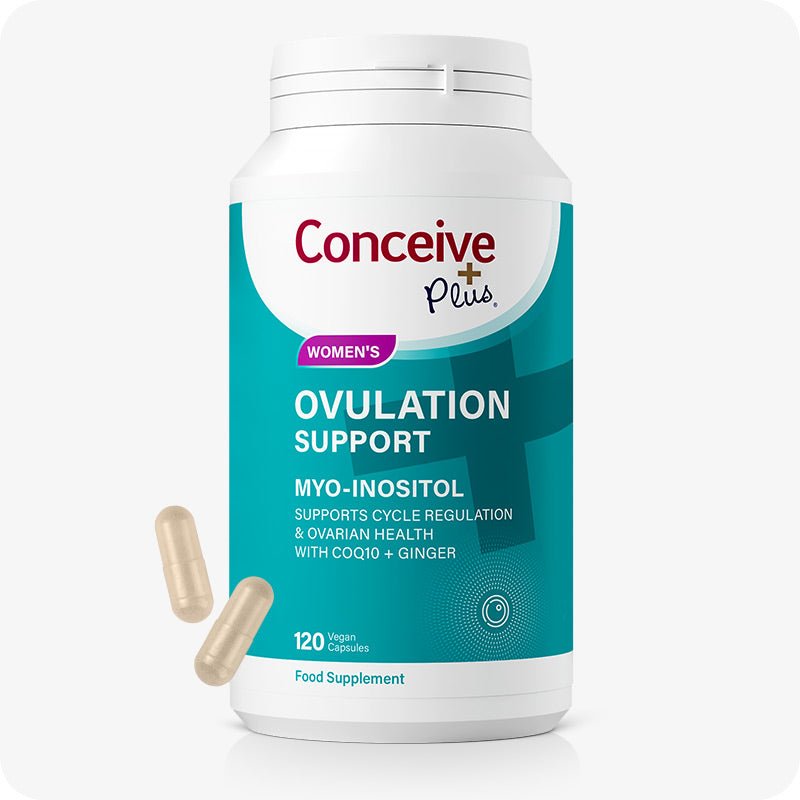
Inositol supplementation: Myo-inositol and D-chiro-inositol are naturally occurring compounds that improve insulin sensitivity and ovulatory function in PCOS. Multiple randomised controlled trials support their use, and they're widely available as supplements.
Medical Treatments for PCOS-Related Infertility
When lifestyle changes alone aren't sufficient to restore ovulation, several effective medical options exist:
Letrozole (Femara): Now considered the first-line ovulation induction agent for PCOS, letrozole is an aromatase inhibitor that stimulates follicle development and ovulation. Clinical trials show higher live birth rates compared to clomiphene in women with PCOS.
Clomiphene citrate (Clomid): Historically the first-line treatment, clomiphene induces ovulation in 80% of women with PCOS, with pregnancy rates of 40–45% over several cycles. Some women, particularly those with elevated BMI or insulin resistance, respond better to letrozole.
Metformin: This insulin-sensitising medication reduces androgen levels and can restore ovulation in women with insulin-resistant PCOS. Often combined with letrozole or clomiphene for synergistic effect.
Gonadotrophins: Injectable FSH can be used when oral agents fail, though they require careful monitoring due to the risk of ovarian hyperstimulation syndrome (OHSS) in women with PCOS.
Laparoscopic ovarian drilling (LOD): A surgical procedure that destroys a portion of ovarian tissue to reduce androgen production. Can restore ovulation for 12–18 months and may be offered when other treatments have failed.
IVF: For women who don't respond to ovulation induction, IVF with careful stimulation protocols (to minimise OHSS risk) is highly effective. Cumulative live birth rates per IVF cycle for women under 35 with PCOS are comparable to women without PCOS.
Tracking Ovulation When You Have PCOS
Standard ovulation predictor kits (OPKs) measure LH surge, but women with PCOS often have chronically elevated LH, which can cause false positives. Here's how to track more reliably:
- Quantitative OPKs: Digital OPKs that track your personal LH baseline (like Clearblue Advanced) are more reliable for PCOS than threshold-based strips.
- Progesterone testing: A blood or urine progesterone test 7 days after suspected ovulation can confirm whether ovulation actually occurred.
- Ultrasound monitoring: Your fertility clinic can perform serial ultrasounds to track follicle development and confirm ovulation—the most definitive method.
- Basal body temperature (BBT): With PCOS cycles being irregular, BBT charts may be harder to interpret, but they can still identify a thermal shift indicating ovulation has occurred.
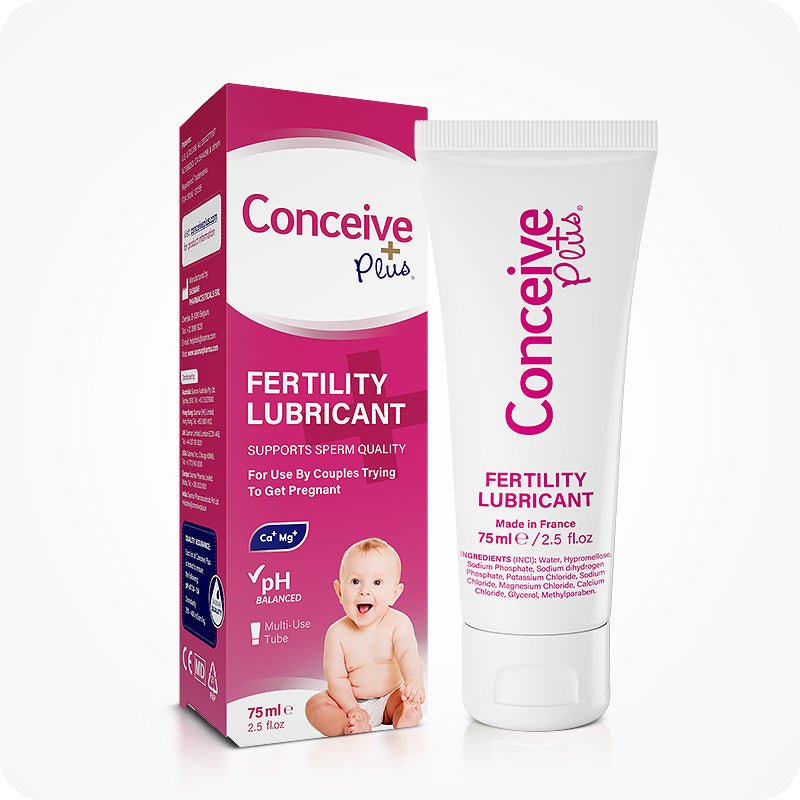
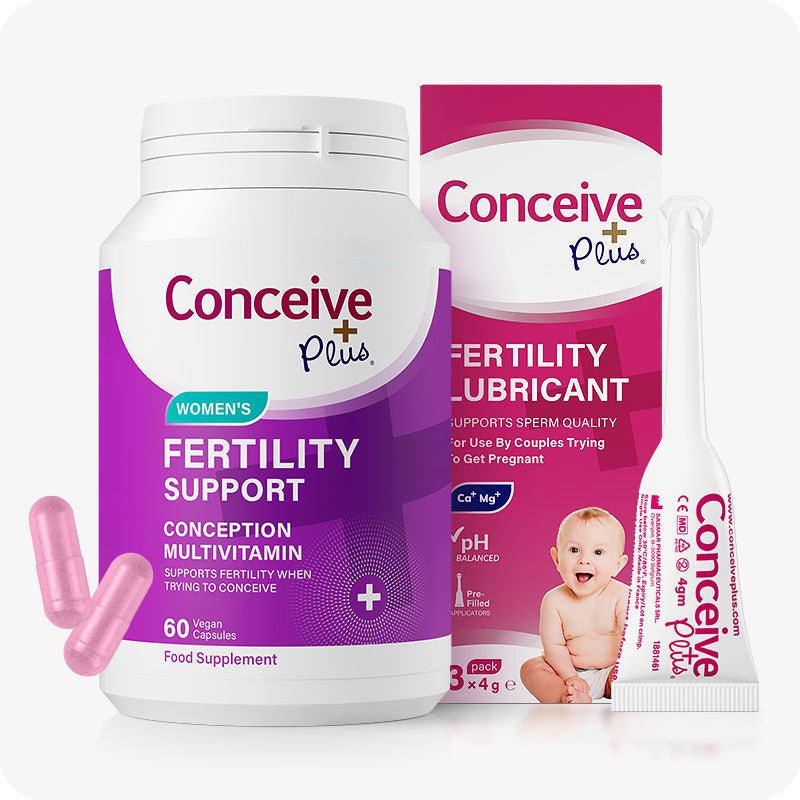
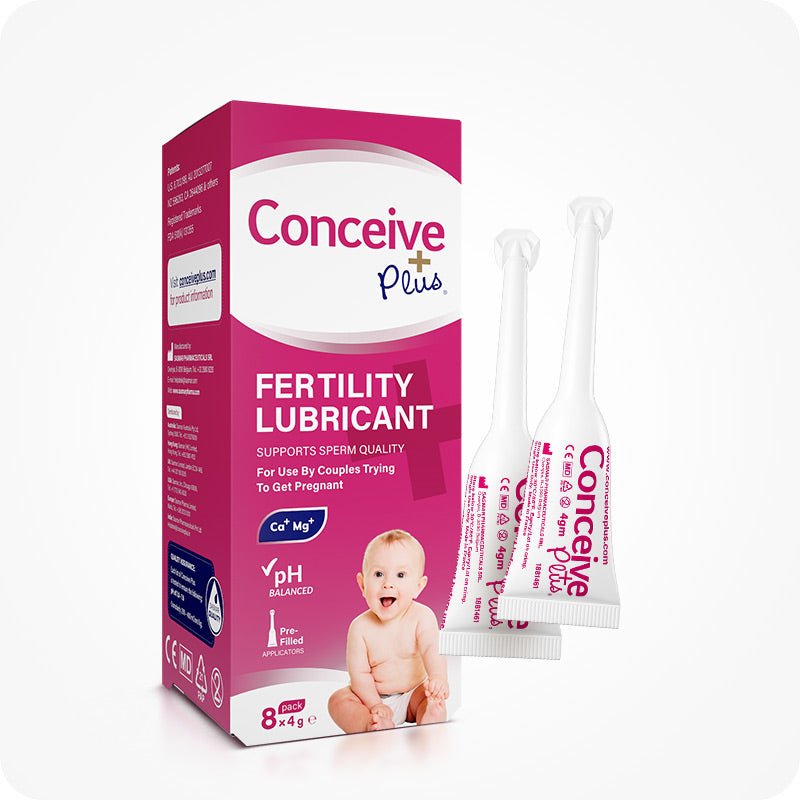
- Cervical mucus changes: Egg-white cervical mucus indicates peak fertility. Conceive Plus lubricant supports sperm function during intercourse at this critical time.
Supplements That Support PCOS Fertility
Beyond inositol, several supplements have evidence-based support for women with PCOS who are trying to conceive:
- Vitamin D: Deficiency is extremely common in PCOS and linked to poorer ovulatory function and insulin resistance. Supplementing to optimal levels (50–80 ng/mL) is recommended.
- N-acetyl cysteine (NAC): An antioxidant with insulin-sensitising properties that has shown efficacy in restoring ovulation comparable to metformin in some trials.
- Folate (methylfolate): Essential for all women trying to conceive. Women with PCOS may benefit from methylfolate specifically due to higher rates of MTHFR gene variants.
- Magnesium: Supports insulin sensitivity and is commonly deficient in PCOS. Often included in quality fertility supplements.
- Omega-3 fatty acids: Reduce inflammation and androgen levels, improving the hormonal environment for ovulation.
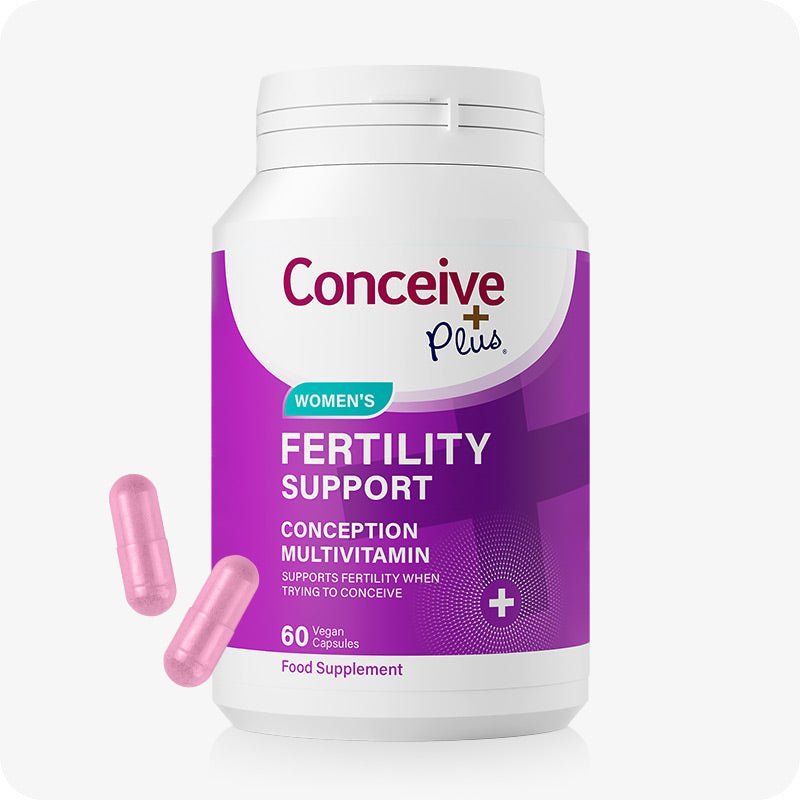
Conceive Plus offers a range of fertility supplements specially formulated for women trying to conceive, including nutrients specifically relevant to PCOS management. Visit conceiveplus.co.uk/collections/fertility-supplements to explore the full range.
The Emotional Side of PCOS and Fertility
Living with PCOS while trying to conceive is emotionally exhausting. The unpredictability of cycles, the waiting, the fear that months are passing without progress—all of this takes a toll. Research consistently shows that women with PCOS have higher rates of anxiety and depression than the general population, and the fertility-related stress compounds this.
Seeking psychological support isn't a sign of weakness—it's a clinically validated part of fertility care. Counselling, support groups (online communities for PCOS and TTC can be invaluable), and mindfulness practices all help. Your emotional wellbeing directly affects hormonal health; stress management isn't just self-care, it's fertility care.
FAQ: PCOS and Fertility
Q: Can I get pregnant naturally with PCOS?
A: Yes, many women with PCOS conceive naturally, particularly those with mild presentations who ovulate occasionally. With lifestyle changes, some women restore regular ovulation without any medical intervention.
Q: How long does it take to get pregnant with PCOS?
A: It varies enormously. Some women conceive within a few months of starting treatment; others require 12–18 months of medical management. The key is not to wait—see a fertility specialist early if you're not ovulating regularly.
Q: Does PCOS cause miscarriage?
A: PCOS is associated with a modestly elevated miscarriage risk, possibly related to egg quality, elevated LH, or insulin resistance. Managing these factors before and during early pregnancy reduces risk.
Q: Does PCOS affect egg quality?
A: Chronic PCOS can affect egg quality over time, particularly in the context of elevated androgens and insulin resistance. Optimising diet, exercise, and antioxidant supplementation supports egg quality.
Q: Is IVF the only option for severe PCOS?
A: No. Many women with apparently severe PCOS respond well to letrozole and targeted lifestyle changes. IVF is reserved for cases where other treatments haven't worked.
Q: Can inositol really help with PCOS fertility?
A: Multiple randomised controlled trials support myo-inositol's ability to improve insulin sensitivity, restore ovulation, and improve egg quality in women with PCOS. It is considered a first-line nutritional intervention.
Q: Should I use an ovulation kit if I have PCOS?
A: Yes, but choose a quantitative or advanced digital OPK that tracks your personal LH baseline rather than a simple threshold-based strip. Chronically elevated LH in PCOS can cause false positives on basic tests.
Q: What's the best diet for PCOS fertility?
A: A low-glycaemic, anti-inflammatory diet—similar to the Mediterranean diet—is the most consistently recommended approach. Reduce refined carbohydrates, increase fibre, protein, and healthy fats, and minimise processed foods.
Q: Can PCOS go away after pregnancy?
A: PCOS doesn't "go away" but symptoms can shift significantly during and after pregnancy. Many women find their cycles become more regular postpartum, particularly if they breastfeed. The underlying tendency remains.
Q: What lubricant is safe for TTC with PCOS?
A: Use a clinically tested, sperm-safe lubricant like Conceive Plus. It matches fertile cervical mucus in pH and osmolality, and contains calcium and magnesium ions that support sperm function. Avoid conventional lubricants, which can harm sperm regardless of your fertility status.