Diabetes and Infertility


Diabetes and Infertility in Men
Diabetes can affect male fertility in a number of ways. One of the most common is by lowering testosterone levels. This will lower your sex drive and can cause erectile dysfunction. Diabetes can also affect your ability to maintain an erection by reducing blood circulation or by causing nerve damage. Some men with diabetes also face challenges to ejaculation. Nerve problems can prevent the bladder muscles from closing as they are supposed to. It can result in semen entering the bladder instead of the penis. This is called retrograde ejaculation. Luckily, most of these problems can be treated with simple medication (source: https://culturalhealthsolutions.com/prevent-diabetes/).Diabetes and Infertility in Women

✨ Support Healthy Sperm
Our Motility Support supplement contains Zinc, CoQ10, and L-Carnitine — clinically studied nutrients for sperm health and motility.
Shop Now — $24.99✓ Free shipping available | ✓ Trusted by millions of couples worldwide
What You Can Do
If you are having trouble conceiving, it’s a good idea to talk to your doctor to find out which factors may be affecting your fertility. If you know you have diabetes and are planning to get pregnant, there are some helpful steps you can take. Work on a healthy diet and exercise so that you can maintain a healthy weight. You should also be extra careful to control your daily sugar levels, which can help to minimize the negative effects of diabetes on fertility.Pregnancy tips to help you conceive
The time to start working toward a healthy pregnancy is before you conceive. If you are trying to get pregnant quick, our pregnancy tips are good start to get your body ready for conception process.Information about Conceive Plus
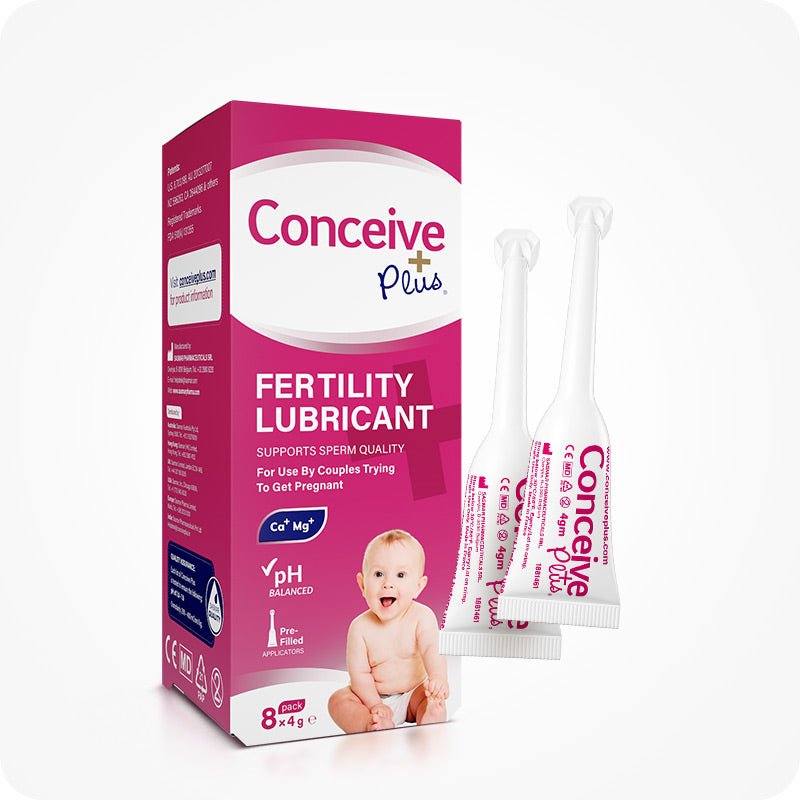
If you have just started trying to get pregnant or have been trying for a while, Conceive Plus® can help increase your chances of conception naturally! Recommended by doctors, pharmacists and fertility clinics in more than 60 countries, this is the fertility friendly lubricant approved by the FDA and a prescription is not required. For where to buy Conceive Plus, visit our where to buy page🌱 Boost Male Fertility Naturally
Conceive Plus Men's Motility Support is formulated with the nutrients that matter most for sperm quality, count, and motility.
Shop Men's Fertility →Frequently Asked Questions
Recommended by Fertility Experts
Conceive Plus Men's Fertility Support
Designed to support healthy sperm production, motility, and overall male reproductive health with clinically studied nutrients.
Shop Now →Can diabetes cause infertility in the UK?
Yes, both Type 1 and Type 2 diabetes can affect fertility in men and women. High blood glucose levels can disrupt hormone balance, affect sperm quality, and cause menstrual irregularities. If you're struggling to conceive, it's worth speaking to your GP about diabetes screening, especially as 1 in 7 UK couples experience fertility issues.
Will the NHS help with fertility if I have diabetes?
The NHS does provide fertility support for people with diabetes, though you'll typically need to demonstrate good blood sugar control first. NICE guidelines recommend that women with diabetes who are trying to conceive should aim for an HbA1c below 48 mmol/mol before becoming pregnant. Your GP can refer you to both a diabetes specialist and fertility services if needed.
How does diabetes affect male fertility?
Diabetes can lower testosterone levels, reduce sex drive, and cause erectile dysfunction due to nerve damage or poor circulation. Some men also experience retrograde ejaculation, where semen enters the bladder instead of leaving through the penis. The good
Can I get IVF on the NHS if I have diabetes?
Eligibility for NHS-funded IVF varies by Integrated Care Board (ICB), but having diabetes doesn't automatically disqualify you. However, most clinics require your diabetes to be well-controlled before treatment begins, as this improves success rates and reduces pregnancy risks. Check with your local ICB for specific funding criteria in your area.
Does diabetes cause miscarriage?
Poorly controlled diabetes can increase the risk of early miscarriage, as high glucose levels may affect embryo implantation in the uterus. Some women may experience very early pregnancy losses without realising they've conceived. Working with your diabetes team to optimise your blood sugar levels before trying to conceive can significantly reduce this risk.
How long should I try to conceive before seeing my GP if I have diabetes?
If you have diabetes and have been trying to conceive for 12 months without success, you should book an appointment with your GP for a referral. However, if you're over 36 or have concerns about your menstrual cycle or blood sugar control, it's worth seeking advice sooner. Your GP can arrange initial fertility tests and ensure your diabetes management is optimised for conception.
What lifestyle changes help with diabetes-related fertility problems?
Maintaining stable blood glucose levels through diet, exercise, and medication is crucial for improving fertility outcomes. The NHS recommends achieving a healthy weight, reducing alcohol intake, and taking folic acid supplements before trying to conceive. Working closely with your diabetes nurse and GP can help you create a preconception care plan tailored to your needs.
Trusted by Couples in Over 70 Countries
Support Male Fertility From the Inside Out
Male fertility is just as important as female fertility in the conception journey. Conceive Plus Men's range delivers targeted nutritional support to promote healthy sperm and overall reproductive wellbeing.
Shop Men's Range →