Fatty acids crucial to embryonic development

PREGNANCY TIPS TO HELP YOU CONCEIVE

✨ Trying to Conceive?
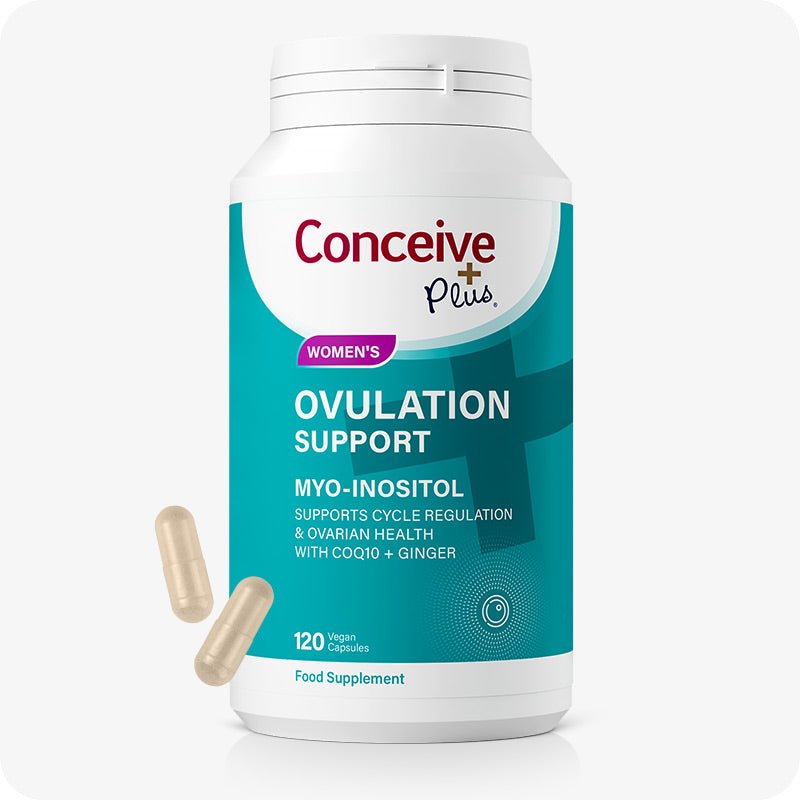
Our fertility supplements combine Myo-Inositol with essential vitamins to support healthy hormone balance and regular ovulation.
Shop Now — $36.00✓ Free shipping available | ✓ Trusted by millions of couples worldwide
INFORMATION ABOUT CONCEIVE PLUS
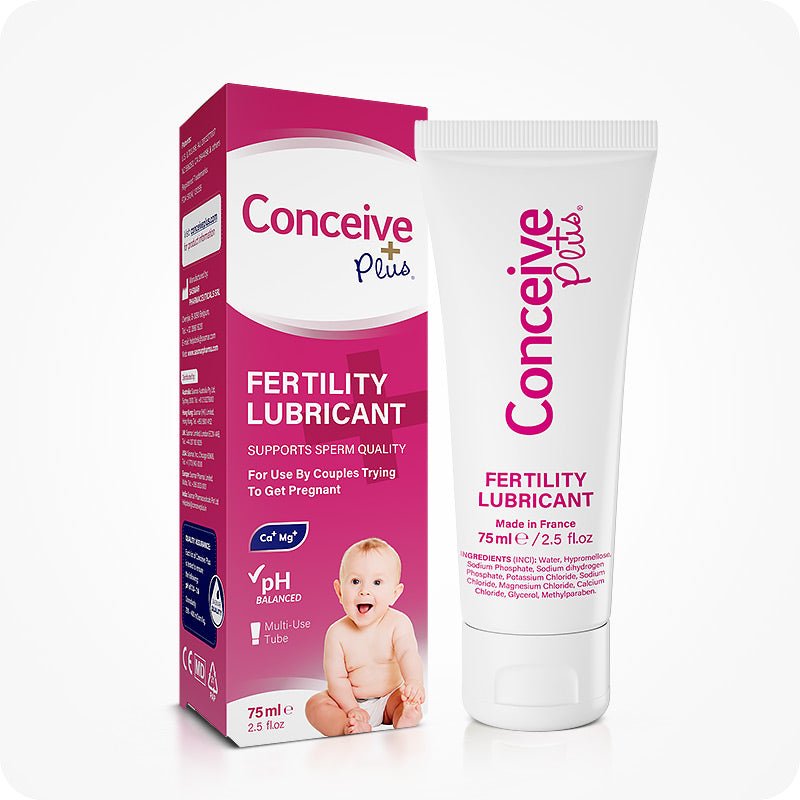
If you have just started trying to get pregnant or have been trying for a while, Conceive Plus® can help increase your chances of conception naturally! Recommended by doctors, pharmacists and fertility clinics in more than 60 countries, this is the fertility friendly lubricant approved by the FDA and a prescription is not required. For where to buy Conceive Plus, visit our where to buy page Ref.: Learn about the side effects of fat burners at Mr Trim Fit.🌱 Support Your Fertility Journey
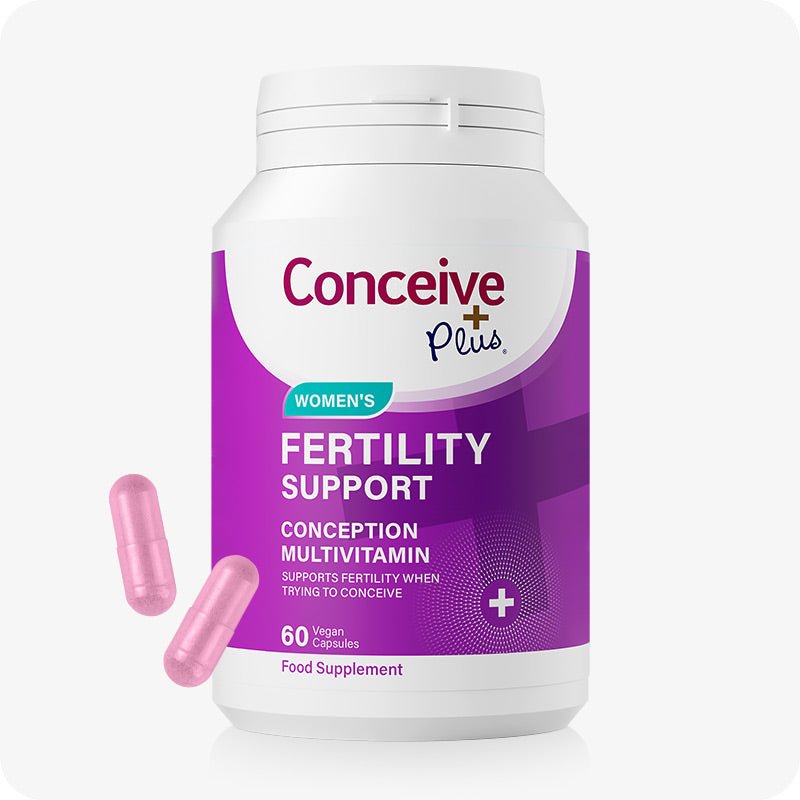
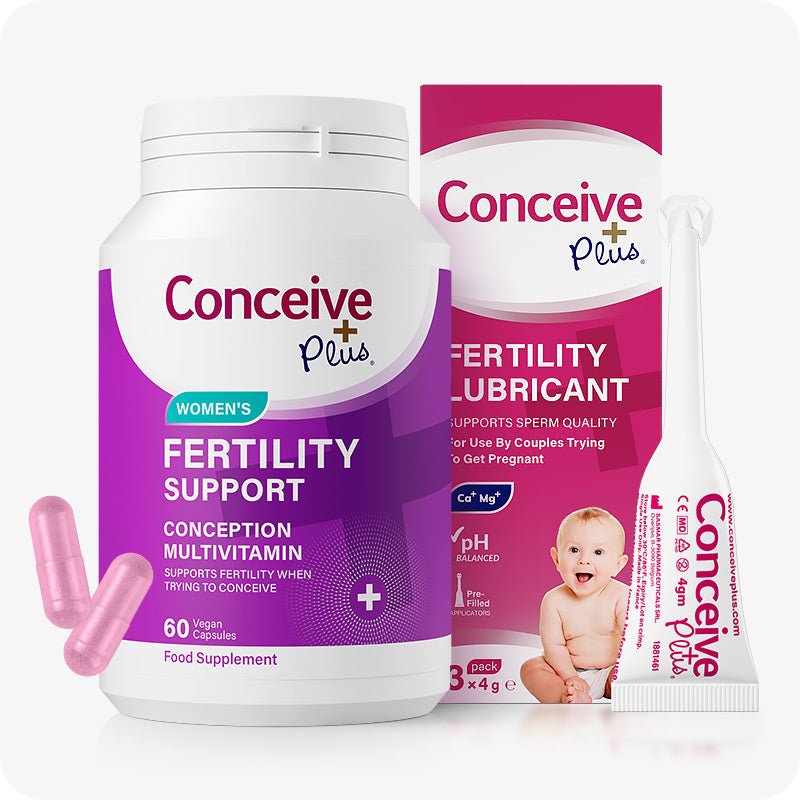
Conceive Plus fertility supplements are clinically formulated to help regulate your cycle and support egg quality.
Shop Fertility Support →Frequently Asked Questions
Recommended by Fertility Experts
Conceive Plus Fertility Lubricant
Specially formulated to be sperm-friendly and isotonic, supporting your natural conception journey without disrupting the reproductive environment.
Shop Now →What are polyunsaturated fatty acids and why are they important for pregnancy?
Polyunsaturated fatty acids (PUFAs) are essential fats that your body cannot produce on its own, so they must come from your diet. Research shows they play a crucial role in embryonic development, particularly in helping tissues form correctly and supporting healthy brain development in your baby. The NHS recommends including omega-3 fatty acids in your diet when trying to conceive and during pregnancy.
Which foods should I eat to boost my fatty acid intake when TTC?
Good sources of polyunsaturated fatty acids include oily fish such as salmon, mackerel, and sardines, as well as walnuts, flaxseeds, and chia seeds. The NHS advises eating up to two portions of oily fish per week when trying to conceive, though you should avoid fish high in mercury such as shark or swordfish. If you're vegetarian or vegan, consider speaking to your GP about omega-3 supplements derived from algae.
Can taking omega-3 supplements improve my chances of getting pregnant?
Research suggests that polyunsaturated fatty acids support embryonic development and may help with implantation. While the NHS doesn't specifically recommend omega-3 supplements for fertility, NICE guidelines do emphasise the importance of good nutrition when trying to conceive. With 1 in 7 UK couples experiencing fertility issues, optimising your diet and supplement intake is a sensible step to discuss with your healthcare provider.
Should I take fatty acid supplements during IVF treatment?
Many fertility clinics and HFEA-licensed centres recognise the potential benefits of omega-3 fatty acids for egg quality and embryo development. However, you should always consult your fertility specialist before starting any new supplements during treatment, as they can advise based on your individual circumstances. Some NHS fertility units may provide specific dietary guidance as part of your treatment plan.
How do fatty acids affect my baby's brain development?
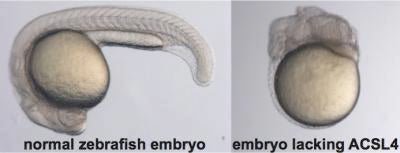
Research, including the study highlighted in this article, shows that enzymes processing polyunsaturated fatty acids (such as ACSL4) are essential for proper brain development in embryos. Mutations affecting these enzymes have been linked to developmental disorders, highlighting how important these fats are from the earliest stages of pregnancy. This is why the NHS recommends maintaining good omega-3 intake throughout pregnancy.
Will my GP or NHS fertility clinic give me advice about diet and fatty acids?
Yes, when you're referred for fertility investigations or treatment on the NHS, you should receive general preconception advice including dietary guidance. If you've been trying to conceive for 12 months without success (or 6 months if you're over 36), you can ask your GP for a referral to discuss your fertility and nutrition. Many CCGs also fund fertility MOTs or preconception appointments where diet and supplements can be discussed.
Are there any risks to taking too many omega-3 fatty acids when pregnant?
While polyunsaturated fatty acids are beneficial, excessive supplementation can potentially cause issues such as blood thinning or vitamin A toxicity if you're taking fish liver oil supplements. The NHS advises sticking to recommended doses and avoiding supplements containing vitamin A (retinol) during pregnancy. Always check with your midwife or GP before taking high-dose supplements, and opt for pregnancy-specific formulations where possible.
Trusted by Couples in Over 70 Countries
Start Your Fertility Journey With the Right Support
Conceive Plus Fertility Lubricant is specially formulated to be compatible with sperm, eggs, and embryos. Whether you are just starting out or have been trying for a while, our products are designed to work with your body — not against it.
Explore Fertility Lubricant →