Ovulation Tracking: The Complete Science-Backed Guide to Identifying Your Fertile Window


Understanding your body's fertile signals is one of the most empowering steps you can take when trying to conceive. Ovulation tracking — the practice of identifying when you ovulate each cycle — allows you to time intercourse precisely within your fertile window, dramatically increasing your monthly chances of conception.
Research consistently shows that most couples underestimate the importance of timing. A landmark study published in the New England Journal of Medicine found that the probability of conception from a single act of intercourse varies from less than 5% to over 30% depending on where it falls relative to ovulation. The difference between timing intercourse randomly versus precisely can be the difference between conceiving in two cycles and trying for a year.
The Biology of Ovulation: What You Need to Know
Ovulation is the release of a mature egg from an ovarian follicle. It occurs approximately once per menstrual cycle, driven by a hormonal cascade initiated in the brain. The hypothalamus releases gonadotropin-releasing hormone (GnRH), which signals the pituitary gland to produce follicle-stimulating hormone (FSH) and luteinising hormone (LH).
FSH stimulates several follicles to grow at the beginning of each cycle. As follicles develop, they produce increasing amounts of oestrogen. When oestrogen reaches its peak, it triggers a surge of LH — the luteinising hormone surge — which causes the dominant follicle to rupture and release its egg approximately 24 to 36 hours later.
Once released, the egg travels down the fallopian tube where fertilisation may occur. The egg remains viable for only 12 to 24 hours. However, sperm can survive in the female reproductive tract for up to five days under optimal conditions — particularly when fertile-quality cervical mucus is present. This creates a fertile window of approximately six days: the five days before ovulation and the day of ovulation itself.
Optimise Your Body for Conception
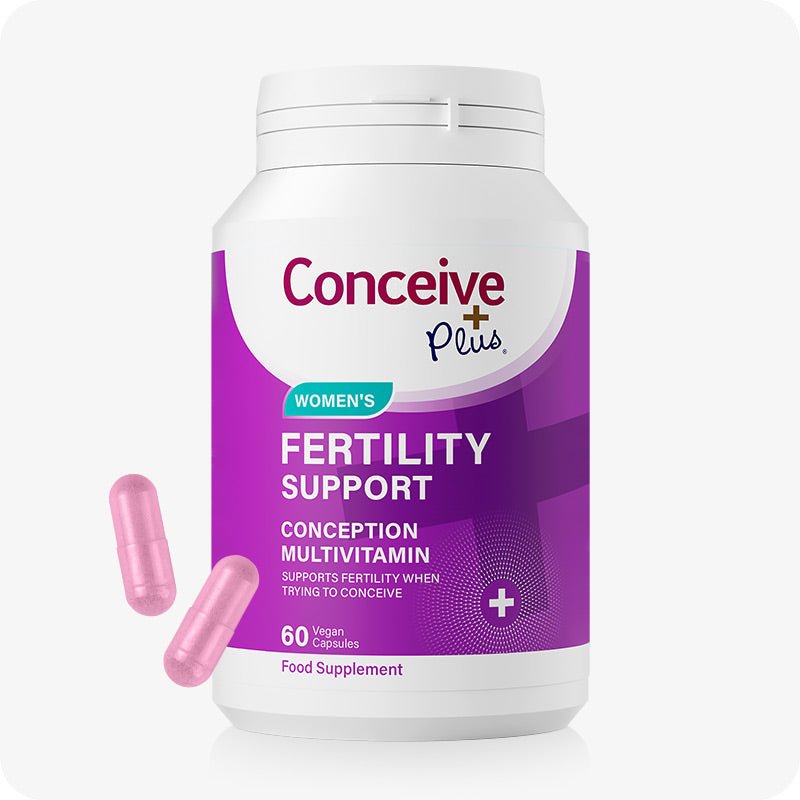
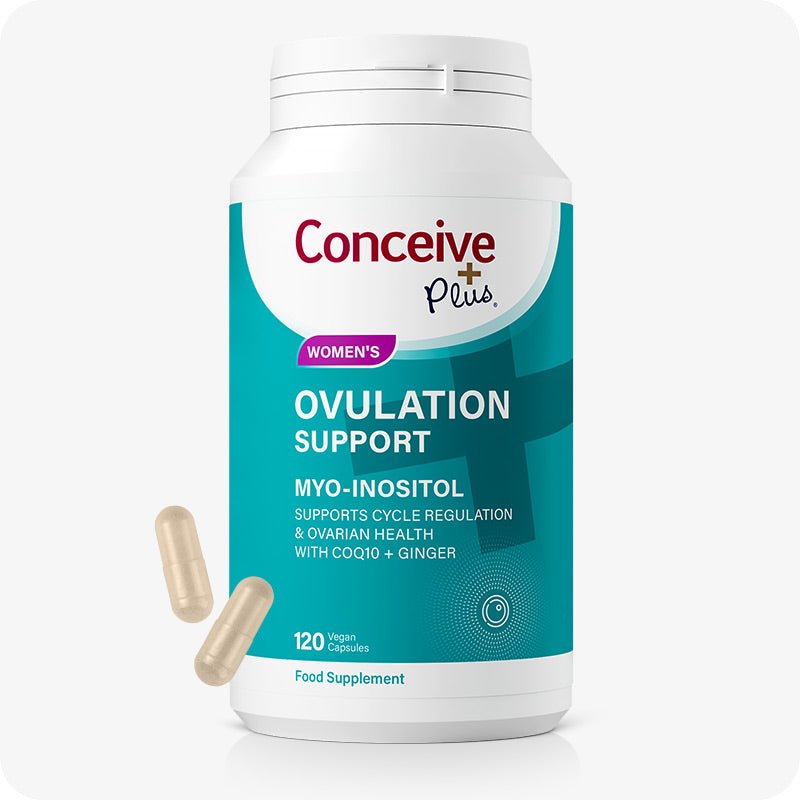
Conceive Plus Women's Fertility Support provides the evidence-based nutrients your body needs for healthy ovulation and egg quality — including methylfolate, myo-inositol, CoQ10, vitamin D3, and zinc.
Method 1: Ovulation Predictor Kits (OPKs)
Ovulation predictor kits detect the LH surge in urine that precedes ovulation by 24 to 36 hours. They are the most widely used and reliable method for predicting ovulation, with clinical accuracy of 97 to 99% for detecting the LH surge in controlled settings.
How to use OPKs effectively:
Begin testing several days before you expect to ovulate. For a 28-day cycle, start testing on day 10 or 11. For irregular cycles, start earlier — typically around day 8 or 9.
Test at the same time each day, ideally between 2 PM and 6 PM. LH surges often begin in the early morning but may not reach detectable levels in urine for several hours. Testing in the early afternoon catches most surges more reliably than morning testing.
Avoid excessive fluid intake in the two to three hours before testing, as this dilutes urine and can make results harder to interpret. A positive result (test line as dark or darker than the control line on standard strips) indicates the LH surge has begun and ovulation is expected within 12 to 36 hours.
Digital OPKs provide clear "peak" and "high" readings, reducing interpretation uncertainty. Quantitative tests that track absolute LH levels over multiple days can help women with PCOS, where baseline LH is often elevated and standard OPKs can give false positives.
Method 2: Basal Body Temperature (BBT) Charting
Basal body temperature charting tracks your resting temperature each morning to identify the temperature shift that occurs after ovulation. When progesterone rises following the release of an egg, BBT increases by 0.2 to 0.5°C and remains elevated until the next menstruation.
How to chart BBT:
Take your temperature every morning before getting out of bed, at the same time each day, using a basal thermometer accurate to two decimal places. Record the temperature on a chart or fertility app. After several cycles, a pattern of rising temperatures will emerge, indicating when ovulation occurred.
BBT charting has an important limitation: it only confirms ovulation after the fact. By the time the temperature rise is visible, ovulation has already occurred and the optimal conception window has passed. BBT charting is most useful for understanding your pattern over multiple cycles, identifying whether ovulation is occurring at all, and retrospectively confirming the timing of past ovulations.
Despite its retrospective nature, BBT charting combined with other methods is a powerful fertility awareness tool. A meta-analysis in the Journal of Obstetrics and Gynaecology found the sympto-thermal method — combining BBT with cervical mucus observation — achieved 98% effectiveness at identifying the fertile window.
Method 3: Cervical Mucus Monitoring
Cervical mucus changes predictably throughout the menstrual cycle under the influence of oestrogen and progesterone. Learning to observe these changes provides real-time fertility information with no equipment required.
In the days immediately after menstruation, cervical mucus is typically absent or sticky and opaque. As oestrogen rises in the follicular phase, mucus becomes increasingly abundant, wet, and progressively clearer. In the days immediately before and during ovulation — when oestrogen is at its peak — fertile-quality mucus appears: clear, stretchy, and resembling raw egg white. This "egg white cervical mucus" (EWCM) provides an optimal medium for sperm to survive and travel toward the egg.
A study published in Fertility and Sterility found that the chance of pregnancy was roughly five times higher on days when egg white cervical mucus was present compared to days with no mucus. Monitoring cervical mucus provides real-time information about approaching ovulation and can alert you to open your fertile window tracking when your body is approaching peak fertility.
Support Every Attempt with Conceive Plus
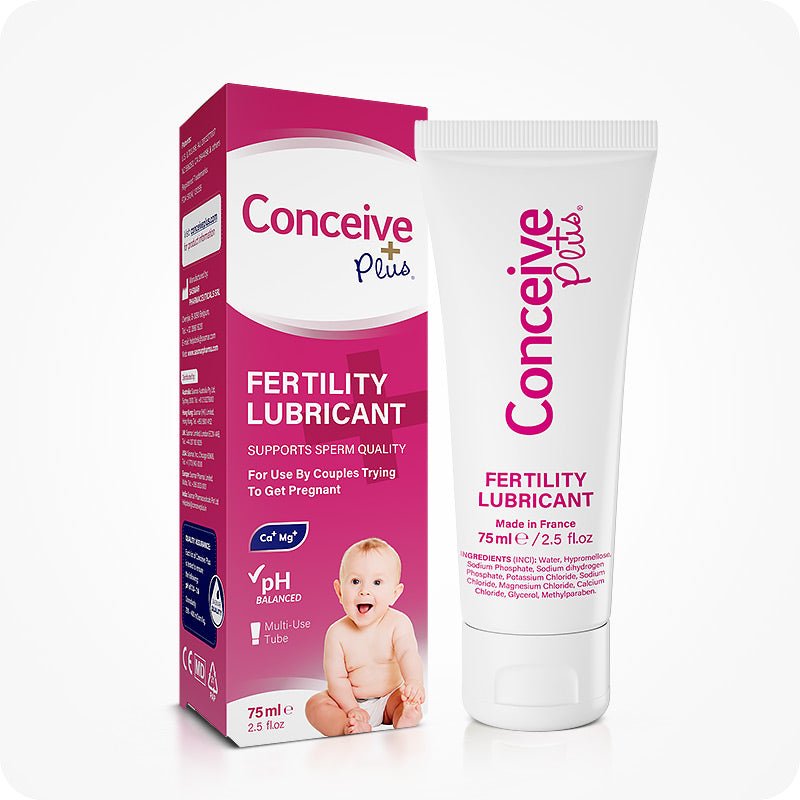
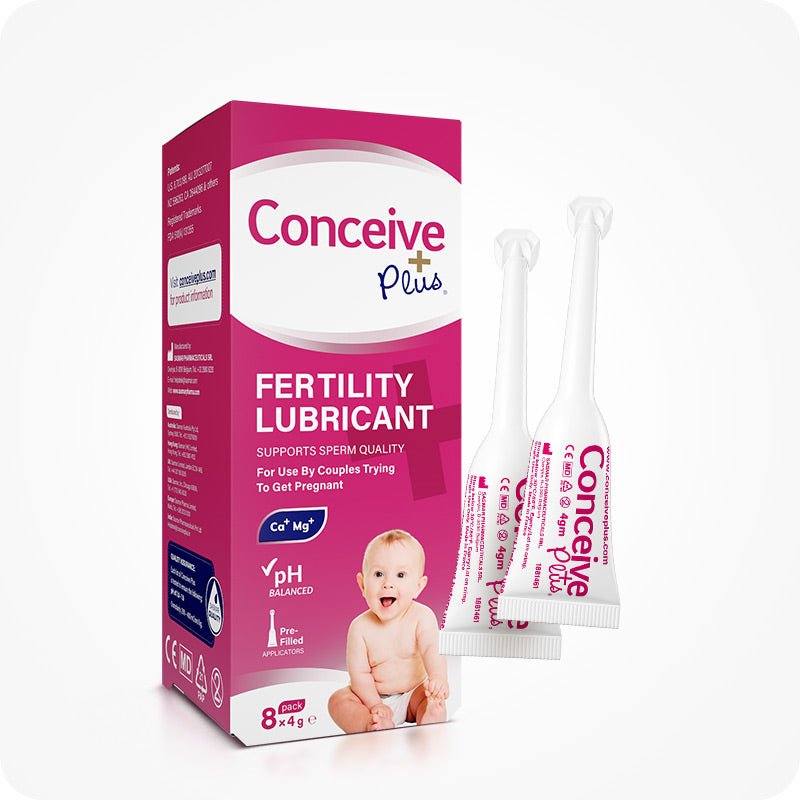
Our fertility-friendly lubricant is scientifically formulated to support sperm motility while providing the comfort you need during your fertile window. Unlike standard lubricants that can harm sperm, Conceive Plus contains the calcium and magnesium ions naturally found in the female reproductive tract.
Method 4: Fertility Tracking Apps
Fertility tracking apps range from simple calendar calculators to sophisticated tools that incorporate multiple data inputs. Their accuracy varies enormously based on the underlying method.
Calendar-based apps predict ovulation by averaging previous cycle lengths. These assume a consistent cycle and ovulation on day 14 — which is not accurate for many women. A study in JAMA Internal Medicine found that calendar-prediction apps had median errors of 2.5 days for next period predictions, and significantly larger errors for women with irregular cycles.
Apps that incorporate actual tracking data — BBT, OPK results, and cervical mucus observations — perform substantially better. Several commercially available apps use algorithms trained on large datasets of tracked cycles to improve predictions. However, even these work best as data aggregators rather than primary fertility detection tools.
The practical advice: use a tracking app to organise your data and identify patterns across cycles, but rely on physical fertility signs (OPKs and cervical mucus) for real-time cycle guidance.
Method 5: Wearable Fertility Monitors
Wearable fertility technology has advanced significantly. Devices like Tempdrop, Oura Ring, and Ava bracelet track physiological parameters — temperature, heart rate, heart rate variability, and breathing rate — continuously during sleep, using algorithms to identify patterns associated with the fertile window.
A study evaluating the Ava bracelet in women with regular cycles found it identified fertile days with 89% sensitivity and 86% specificity. These devices are particularly useful for women who struggle with BBT charting due to inconsistent sleep schedules, shift work, or difficulty taking their temperature at the same time each morning.
The limitation of wearables is cost and the need for several cycles of training data before predictions become reliable. They are best viewed as a premium complement to other tracking methods rather than a standalone solution.
Tracking with Irregular Cycles
For the estimated 20 to 30% of women with irregular cycles, standard ovulation tracking requires adaptation. Irregular cycles may be caused by PCOS, thyroid disorders, hypothalamic amenorrhoea, perimenopause, stress, or simply normal variation.
The most important adjustment is to extend the tracking window. If your cycles vary between 24 and 38 days, begin OPK testing on day 8 and continue through day 22 or beyond. Purchase inexpensive strip tests in bulk to make extended testing affordable.
Combine multiple methods simultaneously for overlapping confirmation. When OPKs and cervical mucus monitoring agree — a positive OPK coinciding with the presence of fertile-quality mucus — you can be confident you are in the fertile window.
If ovulation does not appear to be occurring, or if cycles are consistently longer than 35 days, consult a GP or gynaecologist. Blood tests for FSH, LH, AMH, thyroid function, and prolactin can identify hormonal causes. Conditions like PCOS that cause anovulation are treatable, and identifying them early is important for fertility planning.
Practical Conception Timing Strategies
Once you understand your fertile window, the next question is how to optimise conception timing. Evidence-based guidance is clear.
Begin having intercourse every other day from the first appearance of fertile-quality cervical mucus. Increase to daily intercourse during the two to three days surrounding your predicted ovulation — from the OPK positive through the day after. This ensures sperm are present in the fallopian tubes when the egg arrives.
Daily ejaculation does not harm sperm quality in men with normal sperm parameters. In fact, research shows that ejaculation every one to two days maximises sperm quantity while maintaining quality. Abstaining for more than five days can reduce motility.
After intercourse, there is no need for extended rest or to elevate the hips. Sperm begin moving toward the cervix immediately, and the fastest swimmers reach the fallopian tubes within minutes. Studies have found no benefit from post-intercourse positioning.
Frequently Asked Questions
Q: How do I know when I am ovulating?
The most reliable signs of approaching ovulation are: a positive ovulation predictor kit (OPK) detecting the LH surge, the appearance of egg white cervical mucus, and a rising basal body temperature in the days following ovulation. Using OPKs alongside cervical mucus monitoring gives the highest accuracy.
Q: When is my fertile window?
Your fertile window spans approximately 6 days: the 5 days before ovulation and the day of ovulation itself. Conception is most likely on the 2-3 days immediately before ovulation. Sperm can survive up to 5 days, while the egg is only viable for 12-24 hours.
Q: Can I get pregnant after ovulation?
Only in the 12-24 hours after ovulation — while the egg is still viable. The highest pregnancy rates come from intercourse in the days before ovulation, allowing sperm to be waiting when the egg is released.
Q: What time of day should I test with an OPK?
Between 2 PM and 6 PM is generally best. LH surges often begin in the early morning but take several hours to reach detectable levels in urine. Avoid excessive fluid intake in the 2 hours before testing.
Q: My OPK is always negative — why?
If OPKs are consistently negative, you may be testing too early or too late in your cycle, the test may be too dilute, or you may not be ovulating (anovulation). Extend your testing window, try testing at different times of day, and consult a doctor if the pattern persists.
Q: Can stress delay ovulation?
Yes. High cortisol levels from psychological or physical stress can suppress GnRH release from the hypothalamus, delaying or preventing ovulation. This is why ovulation can be late or absent during periods of acute stress, travel, illness, or significant lifestyle change.
Q: Do fertility tracking apps work?
Apps that incorporate real tracking data (OPK results, BBT, cervical mucus) work well for organising information and identifying patterns. Calendar-only apps that predict ovulation based on cycle averages are much less accurate, particularly for women with irregular cycles.
Q: How long should I track before seeing a doctor?
If you are under 35 and have been tracking and timing intercourse accurately for 12 months without conceiving, consult a GP or fertility specialist. If you are 35 or older, seek evaluation after 6 months. If cycles are very irregular or absent, seek evaluation sooner.
Q: Should I use lubricant when tracking ovulation?
Many standard lubricants have been shown to harm sperm. If you need lubrication during the fertile window, use a fertility-friendly lubricant specifically formulated to be sperm-safe — one that maintains physiological pH and osmolality.
Q: Does ovulation always happen on day 14?
No — day 14 is an average for a textbook 28-day cycle. In reality, ovulation timing varies considerably between women and between cycles. Women with shorter cycles may ovulate on day 10 or 11; those with longer cycles may ovulate on day 16, 18, or later.
Conclusion
Ovulation tracking is not just a useful fertility tool — for many couples, it is the missing piece that transforms months of uncertain trying into targeted, effective conception attempts. By combining ovulation predictor kits with cervical mucus observation and, if desired, BBT charting, you can identify your fertile window with high precision each cycle.
The data is unambiguous: timing intercourse within the fertile window — particularly in the two to three days before ovulation — significantly increases monthly conception rates. Start tracking, stay consistent, and give your body the nutritional foundation it needs to support healthy ovulation.
Optimise Your Body for Conception
Conceive Plus Women's Fertility Support provides the evidence-based nutrients your body needs for healthy ovulation and egg quality — including methylfolate, myo-inositol, CoQ10, vitamin D3, and zinc.