Fertility-Friendly Lubricants: Why Your Choice of Lubricant Matters When Trying to Conceive


Fertility-Friendly Lubricants: Why Your Choice of Lubricant Matters When Trying to Conceive
When you're trying to conceive, every decision you make in the bedroom matters more than you might realise. One that's frequently overlooked — even by couples who are actively tracking ovulation and optimising their diet — is the type of lubricant they use during intercourse. Research has shown that many commonly used lubricants, including popular high-street brands and natural alternatives like saliva, can significantly damage sperm and reduce your chances of conception. This guide explains why your lubricant choice matters, what makes a lubricant fertility-friendly, and how Conceive Plus can support your journey to pregnancy.
In the UK, approximately one in seven couples experience difficulty conceiving, according to the NHS. While fertility is influenced by many factors, small changes — such as switching to a fertility-friendly lubricant — can be meaningful steps toward improving your chances.
Why Regular Lubricants Can Harm Sperm
For decades, fertility specialists have recognised that conventional lubricants pose a threat to sperm. A landmark study published in Fertility and Sterility — one of the most respected reproductive medicine journals globally — tested six commercially available lubricants and found that five of them significantly decreased sperm motility within 60 minutes of exposure. Some reduced sperm motility by as much as 60–100%.
The mechanisms by which standard lubricants damage sperm include:
Osmolality Mismatch: Sperm function optimally in an environment with an osmolality of approximately 280–320 mOsm/kg. Many popular lubricants have osmolalities far above or below this range. A lubricant that is hyperosmotic (too concentrated) causes sperm cells to lose water rapidly through osmosis, leading to cell damage and death. Conversely, a hypo-osmotic environment causes sperm to swell. Either extreme compromises sperm viability.
pH Imbalance: The natural vaginal environment is acidic (pH 3.8–4.5), but sperm require a slightly alkaline environment (pH 7.0–8.5) to survive and swim effectively. Fertile cervical mucus naturally neutralises vaginal acidity, creating a sperm-friendly corridor. Most standard lubricants have a pH closer to that of the vagina or may be acidic, essentially recreating hostile conditions for sperm.
Chemical Toxicity: Many lubricants contain preservatives (such as parabens), spermicidal agents, and surfactants that directly damage sperm membrane integrity. Glycerin, a common ingredient in water-based lubricants, has been shown in multiple studies to reduce sperm motility and forward progression.
Viscosity Interference: Some lubricants are physically too thick or sticky, creating a mechanical barrier that slows or traps sperm before they can begin their journey through the cervix.
The concern is significant enough that the American Society for Reproductive Medicine (ASRM), the British Fertility Society, and the European Society for Human Reproduction and Embryology (ESHRE) all recommend that couples trying to conceive avoid standard lubricants and use fertility-friendly alternatives if lubrication is needed.
What Makes a Lubricant Fertility-Friendly?
Recommended by Fertility Experts
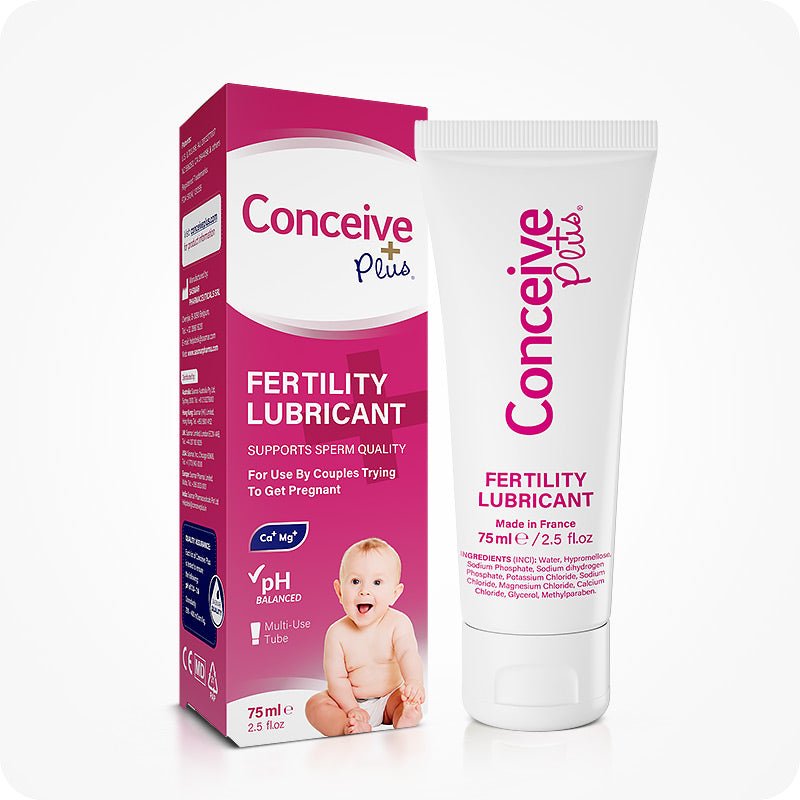
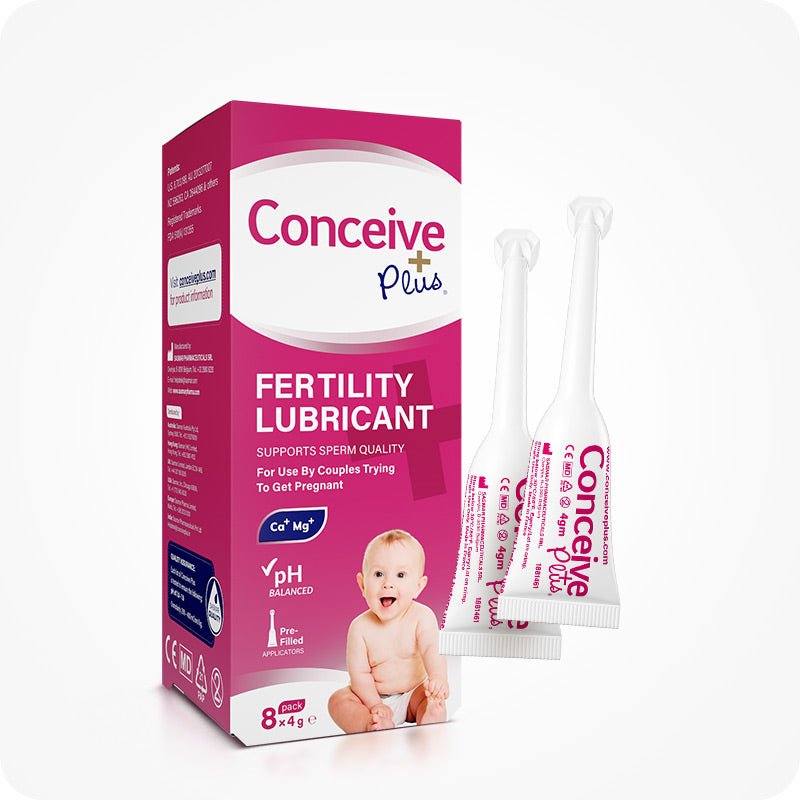
Conceive Plus Fertility Lubricant
Formulated with calcium and magnesium ions to support sperm function, Conceive Plus is the fertility-friendly lubricant recommended by healthcare professionals across the UK.
Shop Now →A fertility-friendly lubricant is one that has been specifically formulated and tested to avoid the sperm-harmful properties described above. The key characteristics that define a fertility-safe lubricant are:
Appropriate pH (7.0–8.5): This matches the environment created by fertile cervical mucus, allowing sperm to function normally rather than being immediately impaired by acidity.
Physiologically compatible osmolality (280–320 mOsm/kg): This matches the natural environment of sperm, preventing osmotic shock and preserving cell integrity.
No spermicidal agents: No parabens, chlorhexidine, benzalkonium chloride, or other chemicals known to damage sperm.
Low or no glycerin: Glycerin has been associated with reduced sperm motility in in-vitro studies, so fertility lubricants typically avoid it or use it only in minimal concentrations.
Sperm motility-preserving formula: The lubricant should not impede the natural swimming ability and forward progression of sperm. The best fertility lubricants actually mimic the physical and chemical properties of natural cervical mucus.
Clinical testing: A truly fertility-safe lubricant should have been tested — ideally in independent clinical settings — and demonstrated not to impair sperm motility, DNA integrity, or fertilisation rates.
The Science Behind Conceive Plus Fertility Lubricant
Conceive Plus Fertility Lubricant was developed specifically to address the fertility needs of couples trying to conceive. Unlike standard lubricants reformulated with minor tweaks, Conceive Plus was designed from the ground up with sperm health as the primary consideration.
The formulation includes:
Calcium and Magnesium Ions: This is what sets Conceive Plus apart from most other fertility lubricants. The formula contains calcium (Ca2+) and magnesium (Mg2+) ions in concentrations that replicate those found in the female reproductive tract and natural cervical mucus. These divalent ions play a critical role in supporting the capacitation process — the final maturation step that prepares sperm for fertilisation. Research has shown that calcium ion availability is essential for the acrosome reaction, which allows sperm to penetrate and fertilise the egg.
pH 7.0–8.5: Matching the natural fertile cervical mucus environment.
Isotonic Osmolality: Formulated to match the physiological osmolality range compatible with healthy sperm function.
Hydroxyethylcellulose base: A naturally derived, biocompatible thickening agent that mimics the consistency of fertile cervical mucus without containing sperm-damaging ingredients.
Multiple independent studies have confirmed the sperm-safety of Conceive Plus. A study published in Fertility and Sterility demonstrated that Conceive Plus did not significantly impair sperm motility, viability, or DNA integrity — unlike the majority of conventional lubricants tested in the same study.
How to Use Fertility Lubricant Correctly
Using a fertility lubricant correctly maximises both its comfort benefits and its sperm-protective properties. Here's how to use Conceive Plus for best results:
Timing: Use Conceive Plus during your fertile window — the 5 days leading up to and including ovulation. This is when intercourse is most likely to result in conception, and when you most want to avoid any sperm-harming products.
Amount: Use 2–4 ml per application. Using too little may not provide adequate lubrication; using too much is not harmful but unnecessary. Conceive Plus comes in pre-filled applicators (for internal use) and tube format for external application.
Internal vs. External Use: The pre-filled applicators allow for internal insertion, similar to a tampon applicator, placing the lubricant closer to the cervix where it can best support sperm transit. External tube application works well for external lubrication during intercourse.
Temperature: Store at room temperature. Avoid refrigerating the product, as cold lubricant can cause discomfort and may temporarily affect application consistency.
Compatibility with other fertility tools: Conceive Plus is safe to use alongside OPK testing, basal body temperature charting, and other fertility tracking methods. It does not affect LH or hormone test results.
Fertility Lubricants vs. Natural Alternatives
Many couples assume that "natural" alternatives to lubricants are automatically safe for sperm. Unfortunately, this is not the case:
Saliva: Widely used but one of the most damaging natural alternatives. Saliva contains digestive enzymes (including amylase), varying pH levels, and bacteria that collectively reduce sperm motility by 30–75% within minutes of exposure. A study in the Journal of Andrology found saliva impaired sperm motility more severely than most commercial lubricants.
Olive oil: While olive oil does not appear to have the same chemical toxicity as water-based lubricants, it is oil-based and therefore incompatible with latex condoms (it causes degradation). It has not been clinically tested for sperm safety, and its thick consistency may create a physical barrier to sperm progression.
Coconut oil: Similarly untested for sperm compatibility. Some in-vitro studies have suggested it may have antibacterial properties that could affect the vaginal microbiome and sperm. It also degrades latex condoms.
Baby oil / mineral oil: Not recommended. Petroleum-derived mineral oils have not been tested for sperm safety and are incompatible with latex condoms.
Egg whites: Historically recommended as a "natural" sperm-friendly lubricant due to their similar consistency to fertile cervical mucus. While some studies have found egg whites less damaging to sperm than commercial lubricants, they carry a significant risk of bacterial contamination and potential allergic reaction, and their sperm safety has not been rigorously studied in controlled clinical trials.
The clear conclusion: purpose-formulated, clinically tested fertility lubricants like Conceive Plus are the safest, most scientifically supported option for couples trying to conceive who need additional lubrication.
When Should You Use a Fertility Lubricant?
You don't need to use a fertility lubricant every time you have intercourse — only during your fertile window when conception is the goal. Key situations where using a fertility-safe lubricant is particularly recommended:
Natural cervical mucus is insufficient: Some women produce limited fertile-quality cervical mucus, particularly after hormonal treatments, with certain medications (including some antihistamines, which can dry mucus), or simply due to individual variation. A fertility lubricant can supplement natural mucus.
Post-OPK positive intercourse: Once you've detected your LH surge with an ovulation predictor kit, you know ovulation is 24–36 hours away. Intercourse in this window is high-priority, and any lubrication used should be sperm-safe.
During fertility treatment cycles: If you're undergoing intrauterine insemination (IUI) preparation or timed intercourse as part of monitored cycle treatment, your fertility specialist may advise using a sperm-safe lubricant if needed.
If you experience vaginal dryness: Stress, hormonal fluctuations, certain medications, and anxiety about trying to conceive can all reduce natural lubrication. Using a fertility-safe lubricant ensures comfort without compromising sperm health.
Conceive Plus Fertility Lubricant — NHS-Compatible and Clinically Tested
For UK couples, it's worth knowing that Conceive Plus Fertility Lubricant is compatible with the recommendations issued by NHS fertility guidance and the British Fertility Society. While the NHS does not endorse specific commercial products, it advises avoiding products known to be spermicidal or hostile to sperm during the fertile window — criteria that Conceive Plus meets by design.
Conceive Plus is classified as a medical device and meets CE marking requirements in the UK and EU. Its formulation has been reviewed in peer-reviewed literature and is frequently referenced in fertility clinics and recommended by fertility nurses and embryologists across the country.
The Conceive Plus range available for UK customers includes:
- Conceive Plus Fertility Lubricant (75ml tube): Ideal for external application and couples who prefer tube format. UK customers can find this at major pharmacies and online.
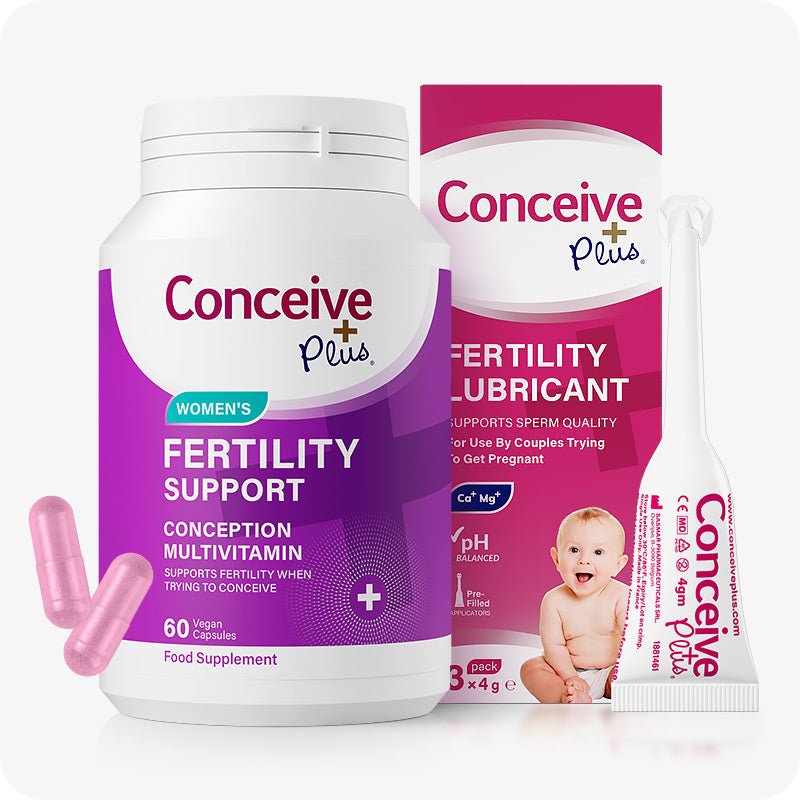
- Conceive Plus Fertility Lubricant Pre-filled Applicators: Single-use applicators for internal use, providing targeted delivery closer to the cervix.
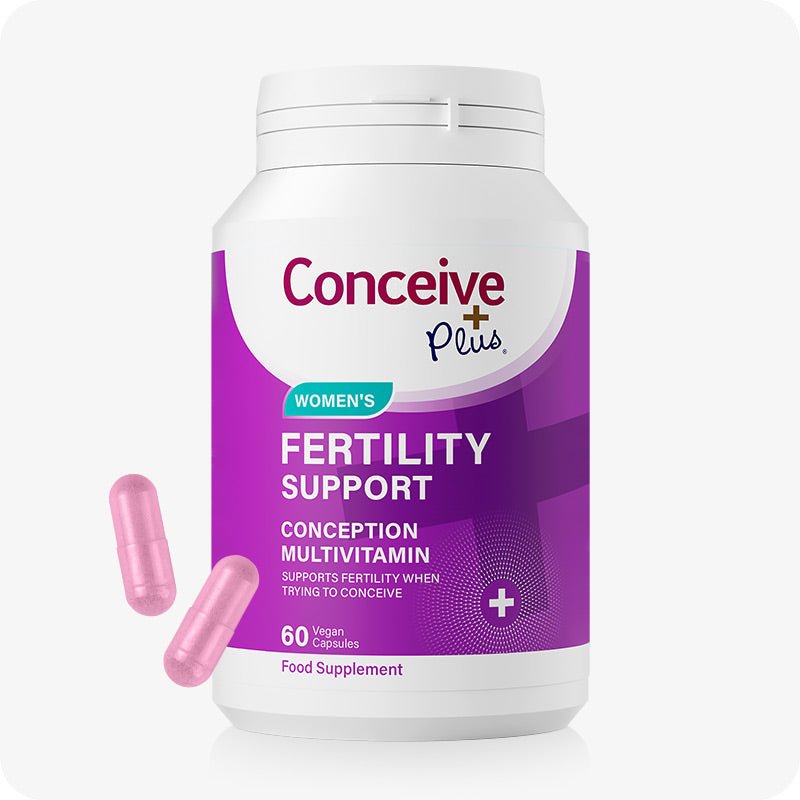
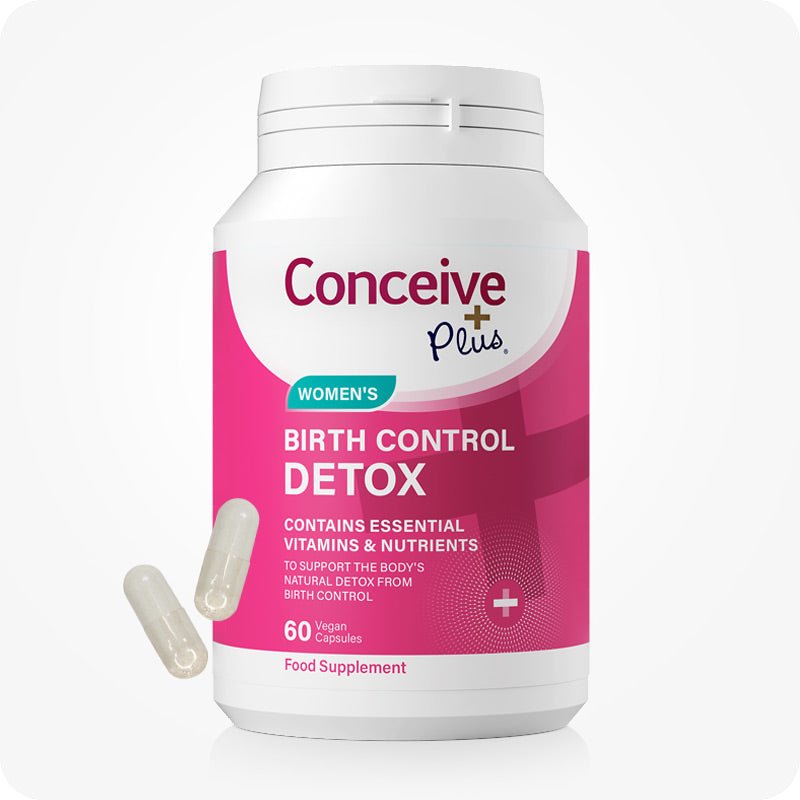
- Conceive Plus Women's Fertility Multivitamin: Containing methylfolate (the bioavailable form of folic acid as recommended by the NHS), vitamin D3, and other key micronutrients supporting reproductive health.
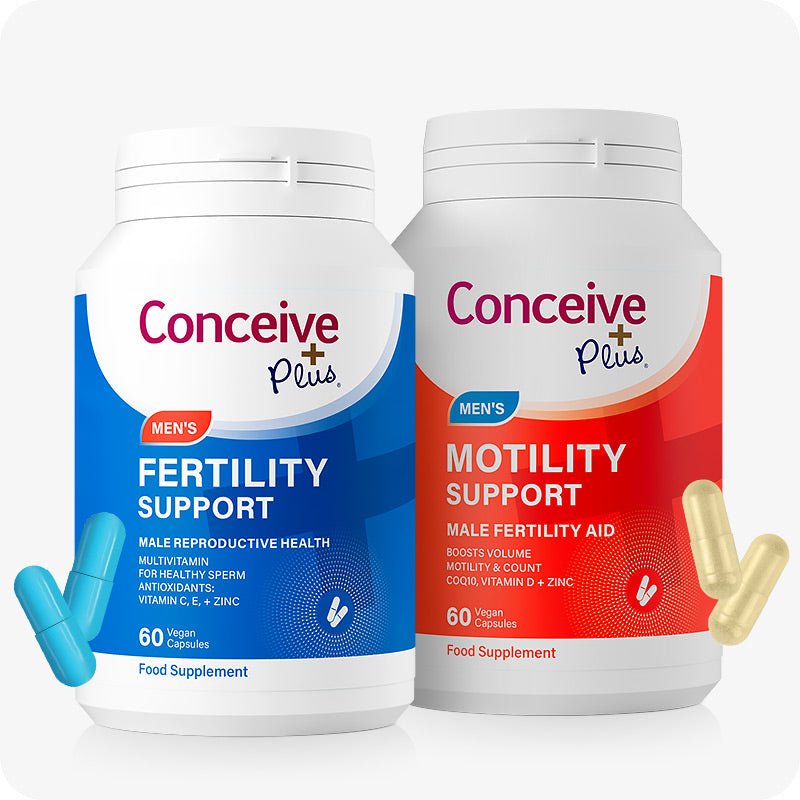
- Conceive Plus Men's Fertility Support: Antioxidant-rich supplement supporting sperm quality, motility, and DNA integrity.
Taking a comprehensive approach — using fertility-friendly lubrication alongside targeted nutritional supplementation — gives couples the best possible foundation as they work toward pregnancy.
Frequently Asked Questions
Q: Can I use Conceive Plus lubricant with condoms?
A: Conceive Plus Fertility Lubricant is water-based and compatible with latex condoms. However, if you are trying to conceive, you would typically not be using barrier contraception during your fertile window. The lubricant is intended for use when trying to achieve pregnancy.
Q: How do I know when to use a fertility lubricant?
A: Use it during your fertile window — typically the 5 days before ovulation and on the day of ovulation itself. You can identify this window using ovulation predictor kits, cervical mucus observation, or a fertility monitor.
Q: Can fertility lubricant help if my partner has a low sperm count?
A: A fertility lubricant doesn't increase sperm count, but it ensures that whatever sperm are present are not further harmed by chemical exposure during transit. Combined with sperm-supportive supplements for your partner, it's part of a comprehensive approach to male fertility.
Q: Is Conceive Plus safe to use if I have a latex allergy?
A: Conceive Plus Fertility Lubricant does not contain latex. If you have specific allergies, review the full ingredient list on the packaging and consult your GP if unsure.
Q: Will using a fertility lubricant increase my chances of twins?
A: No. The lubricant supports sperm survival and transit but does not influence whether one or more eggs are released (which is determined by your hormonal cycle).
Q: How long before intercourse should I apply the lubricant?
A: For best results, apply Conceive Plus immediately before or during intercourse. If using the pre-filled applicators, insert up to 15 minutes beforehand for comfortable distribution.
Q: Is saliva really that damaging to sperm?
A: Yes — research consistently shows that saliva can reduce sperm motility significantly within minutes. The enzymes, pH variation, and bacteria in saliva make it one of the most damaging natural substances sperm can be exposed to. Avoid using it as a lubricant when trying to conceive.
Q: Can I use Conceive Plus if I've been referred for IVF?
A: If you are undergoing IVF, consult your fertility clinic. IVF involves direct egg retrieval and laboratory fertilisation, so the role of vaginal lubricants during intercourse is less directly relevant. Your clinic will advise on any restrictions during your treatment cycle.
Q: Does Conceive Plus lubricant expire?
A: Yes, like all lubricants and personal care products, Conceive Plus has an expiry date printed on the packaging. Do not use beyond the expiry date, as the formulation may degrade over time.
Q: Where can I buy Conceive Plus in the UK?
A: Conceive Plus is available at major UK pharmacies, supermarkets, and online through our official UK Shopify store. Always purchase from authorised retailers to ensure you receive an authentic product.
Making the Right Choice for Your Fertility Journey
The evidence is clear: when you're trying to conceive, lubricant choice is not trivial. Standard lubricants — even well-known, trusted brands — can significantly reduce sperm quality and undermine your conception efforts. Switching to a clinically tested, fertility-friendly lubricant like Conceive Plus is a simple, evidence-based change that costs little but could make a meaningful difference.
Combined with accurate ovulation tracking, a fertility-supportive diet, and targeted nutritional supplementation, using the right lubricant is one more piece of the puzzle as you work toward your goal of pregnancy. Conceive Plus is designed to support every step of that journey — because you deserve science-backed support, not guesswork.
This article is for informational purposes only. It does not constitute medical advice. If you have concerns about your fertility, please consult your GP or a qualified fertility specialist. The NHS offers free fertility assessment for eligible couples — ask your GP for a referral if you've been trying to conceive for 12 months or more (6 months if you're over 35).
Trusted by Couples in Over 70 Countries
Start Your Journey with Conceive Plus
Scientifically formulated to support your natural conception journey. Explore our complete range of fertility products.
Explore the Full Range →