Timing Intercourse for Conception: The Complete UK Guide to Your Fertile Window


Timing Intercourse for Conception: The Complete UK Guide to Your Fertile Window
One of the most effective — and most misunderstood — strategies when trying to conceive is timing intercourse correctly. The human fertile window is surprisingly short, and understanding when it occurs can dramatically improve your chances of conception each month. This comprehensive guide covers everything UK couples need to know about identifying the fertile window, tracking ovulation, and timing intercourse for maximum effectiveness.
Understanding Your Fertile Window
The fertile window refers to the days in your menstrual cycle when conception is possible. An egg survives only 12–24 hours after ovulation, but sperm can survive in the female reproductive tract for up to 5 days. This means your fertile window spans approximately 6 days — the 5 days before ovulation and ovulation day itself.
Timing intercourse within this window — particularly in the 2–3 days leading up to ovulation — gives you the best probability of conception. Research published in the New England Journal of Medicine (Wilcox et al.) established that the probability of conception is highest when intercourse occurs on the day before ovulation, with conception probability peaking at approximately 30% per cycle for couples without fertility issues.
Despite this, many couples miss their fertile window entirely. A 2020 UK survey found that only 13% of women could accurately identify all 6 days of their fertile window, highlighting a significant gap in fertility awareness education.
Signs of Ovulation: What to Look For
🌟 Ready to Optimise Your Fertility Journey?
Conceive Plus is trusted by couples worldwide and used in fertility clinics across 70+ countries. Designed with science, crafted for results.
Shop Conceive Plus Now →Your body provides physical cues when ovulation is approaching. Learning to recognise these signs is foundational to timing intercourse effectively:
- Cervical mucus changes: As ovulation approaches, vaginal discharge becomes clear, slippery, and stretchy — similar to raw egg whites. This egg-white cervical mucus (EWCM) is the most reliable natural fertility indicator and helps sperm travel toward the egg.
- Basal body temperature (BBT) rise: After ovulation, progesterone causes a slight rise in your resting temperature (0.2–0.4°C). Tracking BBT daily (before getting out of bed) over several cycles helps you identify your ovulation pattern.
- Mittelschmerz: Some women experience mild cramping or twinging on one side of the lower abdomen when the follicle releases an egg. This mid-cycle pain affects approximately 20% of women.
- Breast tenderness: Hormonal shifts around ovulation can cause temporary breast sensitivity in many women.
- Heightened libido: Nature's design — many women notice an increase in sexual desire near ovulation, which is evolutionarily advantageous for reproduction.
- Light spotting: Some women experience light spotting (ovulation bleeding) as the follicle ruptures. This is normal and not a cause for concern.
Ovulation Prediction: Testing Methods Available in the UK
For couples who want more precision than symptom observation alone, ovulation prediction kits (OPKs) and fertility monitors provide reliable data:
Standard LH test strips: These measure the luteinising hormone (LH) surge that triggers ovulation approximately 24–36 hours before the egg releases. They're inexpensive, widely available at Boots, Superdrug, and online, and easy to use. Test with first morning urine or afternoon urine (mid-morning to afternoon is often recommended for LH accuracy).
Digital ovulation tests: Brands like Clearblue offer digital readers that display a smiley face at peak fertility, reducing the interpretation uncertainty of line-based tests. These detect both LH and oestrogen (estrogen), providing a broader fertility window indication (typically 4 days).
Fertility monitors: Devices like the Clearblue Connected Fertility Monitor track LH and oestrogen to identify your Low, High, and Peak fertility days. These are particularly useful for women with irregular cycles.
Basal body temperature charting: While BBT confirms ovulation has occurred (rather than predicting it), combined with OPK data, it creates a comprehensive picture of your cycle.
How Often Should You Have Intercourse When TTC?
One of the most common questions couples ask is how frequently to have sex when trying to conceive. Research suggests:
- Every other day during the fertile window is the most commonly recommended approach. This maintains sperm quality (preventing overly low motility from infrequent ejaculation) while ensuring fresh sperm are available throughout the 5–6 day window.
- Daily intercourse during the fertile window is also effective and appropriate for most couples. Despite older myths, daily ejaculation does not significantly reduce sperm quality in men with normal fertility.
- Once per week or less is generally insufficient for TTC. Timing one act of intercourse per cycle on the perceived ovulation day misses the reality that ovulation timing varies by 1–2 days each cycle.
NICE (National Institute for Health and Care Excellence) guidelines recommend regular vaginal intercourse every 2–3 days throughout the cycle — not just the fertile window — for couples who are trying to conceive without specific fertility concerns. This consistent approach ensures sperm are always present when ovulation occurs.
Cervical Mucus and Timing: A Practical UK Guide
Cervical mucus monitoring is free, always available, and highly informative. Here's how to use it alongside timing intercourse:
- Dry days (after period): Little to no mucus. Less fertile. Intercourse possible but conception less likely.
- Sticky/cloudy mucus: Increasing oestrogen. Fertility beginning to rise. Good time to begin more frequent intercourse.
- Creamy white mucus: Approaching ovulation. Higher fertility. Increase intercourse frequency.
- Egg-white mucus (EWCM): Peak fertility. Ovulation imminent or occurring. Most important time for intercourse. Have sex today and tomorrow.
- Dry again (post-ovulation): Progesterone rises, cervical mucus decreases. Fertility drops rapidly after ovulation day.
Many women using natural family planning find that EWCM observation alone provides sufficient guidance for timing. When combined with OPKs, the accuracy of fertile window identification improves significantly.
When Vaginal Dryness Affects Timing
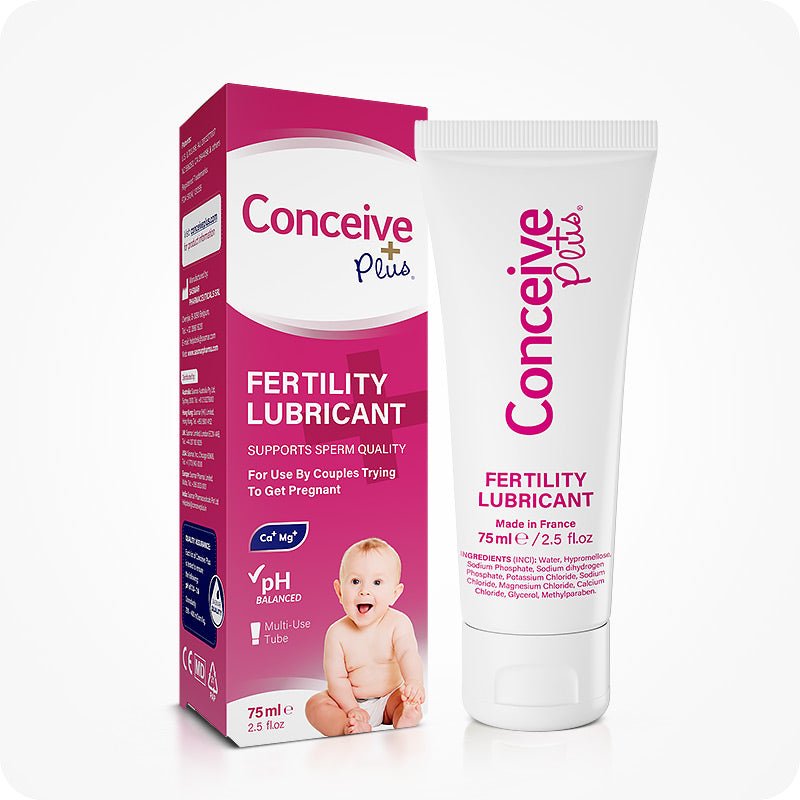
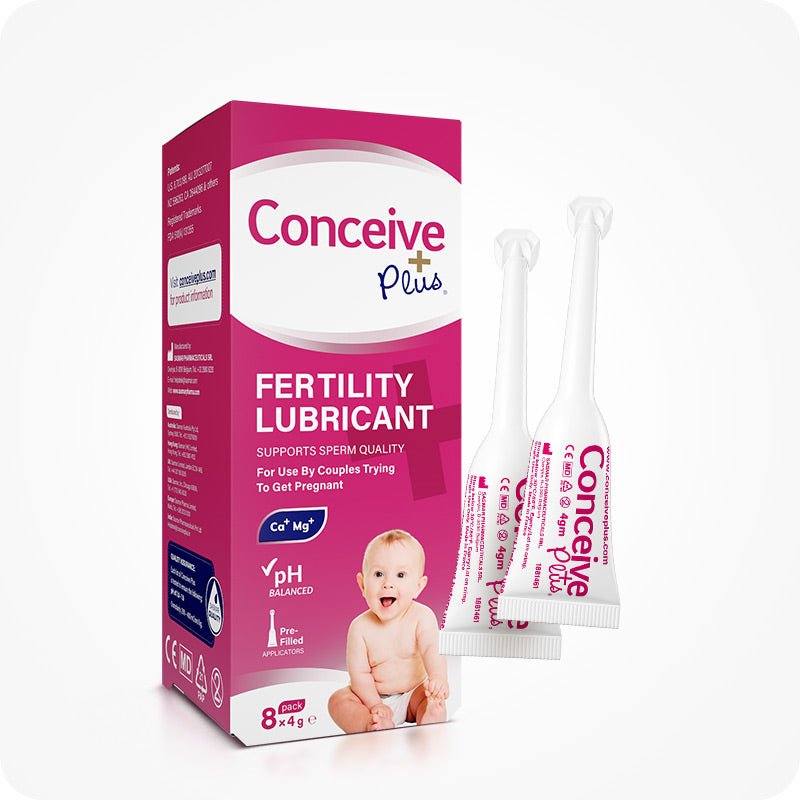
Some women experience reduced cervical mucus production — a common issue with hormonal conditions like PCOS, after long-term hormonal contraceptive use, or due to stress. When this happens, using a sperm-safe lubricant like Conceive Plus is essential.
Standard lubricants (including many popular UK brands) damage sperm motility and should never be used when TTC. Conceive Plus is formulated to match the natural fertile environment — matching vaginal pH (pH 7.0–8.5 optimal for sperm) and containing calcium and magnesium ions that support sperm function. Conceive Plus is available in the UK at Boots, Amazon UK, and conceiveplus.co.uk.
Using Conceive Plus doesn't interfere with natural cervical mucus observation — rather, it supplements the environment when mucus is insufficient to support sperm travel.
Male Factors in Timing Intercourse
Timing isn't only about female ovulation — male factors matter too:
- Sperm preparation time: New sperm take approximately 74 days (spermatogenesis) to mature. Lifestyle changes made today affect sperm quality in about 3 months.
- Abstinence timing: The optimal abstinence period before a fertile window is 2–5 days. Too long (7+ days) and sperm DNA fragmentation increases. Too short (less than 1 day) and concentrations may be lower.
- Testicular temperature: Sperm are produced at 2–4°C below body temperature. Avoiding hot baths, saunas, and tight underwear in the weeks before your fertile window can support sperm quality.
When Timing Alone Isn't Enough: Getting Support in the UK
Most healthy couples under 35 conceive within 12 months of regular, well-timed intercourse. The NHS recommends seeking a GP referral after 12 months of trying (or 6 months if you're 36 or older, or have a known fertility condition). Your GP can order initial blood tests and semen analysis.
Fertility clinics across the UK (both NHS and private) offer full investigations including:
- Day 2-3 FSH, LH, and oestrogen blood tests
- Progesterone (Day 21 or 7 days post-ovulation) to confirm ovulation
- Transvaginal ultrasound (antral follicle count)
- Semen analysis (morphology, count, motility)
- Hysterosalpingogram (HSG) — fallopian tube assessment
FAQ: Timing Intercourse in the UK
Q1: What is the best time of day to have sex when trying to conceive?
Research suggests morning intercourse may have a marginal advantage due to slightly higher sperm parameters in morning samples, but the difference is minimal. The most important factor is timing relative to ovulation — not time of day.
Q2: Should I lie still after intercourse to help conception?
There is limited evidence supporting post-coital rest for natural conception. Sperm reach the fallopian tubes within minutes regardless of position. However, some couples feel more comfortable resting for 10–15 minutes, and there's no harm in doing so.
Q3: Can stress affect the timing of ovulation?
Yes. Significant emotional or physical stress can delay or suppress ovulation by affecting hypothalamic-pituitary-ovarian (HPO) axis signalling. This is one reason why cycle length varies during stressful periods.
Q4: Is it safe to use lubricant during fertile window intercourse?
Standard lubricants are not safe for TTC. Only use sperm-friendly lubricants like Conceive Plus, which is pH-balanced and contains supportive mineral ions. Conceive Plus is available in the UK at conceiveplus.co.uk.
Q5: How many months of trying is normal before conception?
About 30% of couples conceive in the first month of perfectly timed intercourse. By 6 months, approximately 60% have conceived. By 12 months, around 84%. If you haven't conceived after 12 months (or 6 months over 36), see your GP.
Q6: Can irregular cycles make timing intercourse impossible?
Irregular cycles make timing more challenging but not impossible. Continuous OPK testing from day 8 onward, combined with cervical mucus monitoring, can identify the fertile window even in irregular cycles. Apps like Natural Cycles, Clue, or Ovia can help track patterns.
Q7: Does the time of year affect fertility?
UK research suggests modest seasonal variation in sperm parameters, with slightly higher motility in winter and spring months. However, this effect is small and not a meaningful factor in timing decisions.
Q8: Should both partners take fertility supplements when timing intercourse?
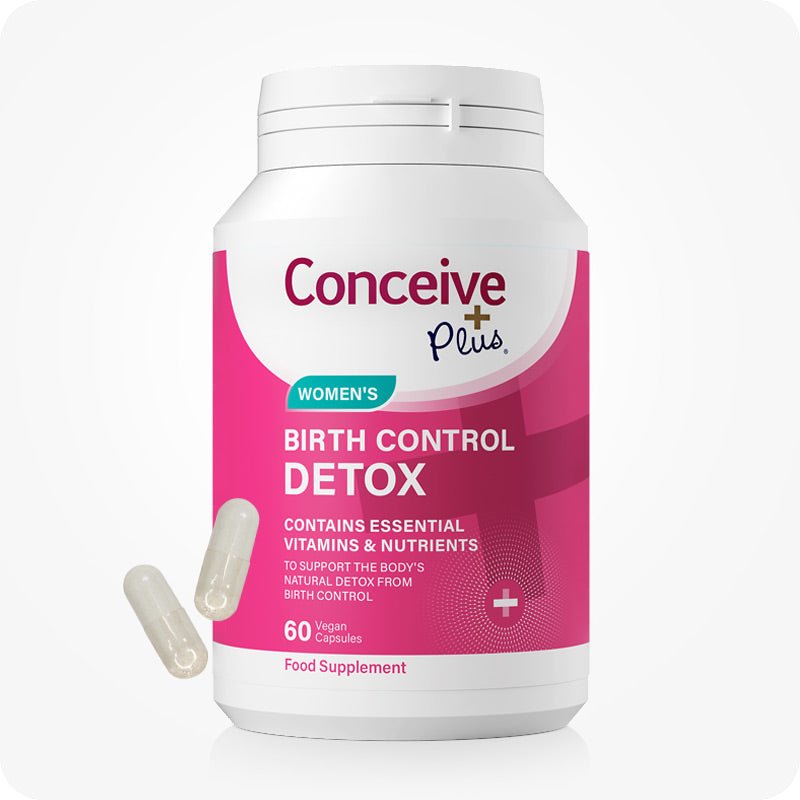
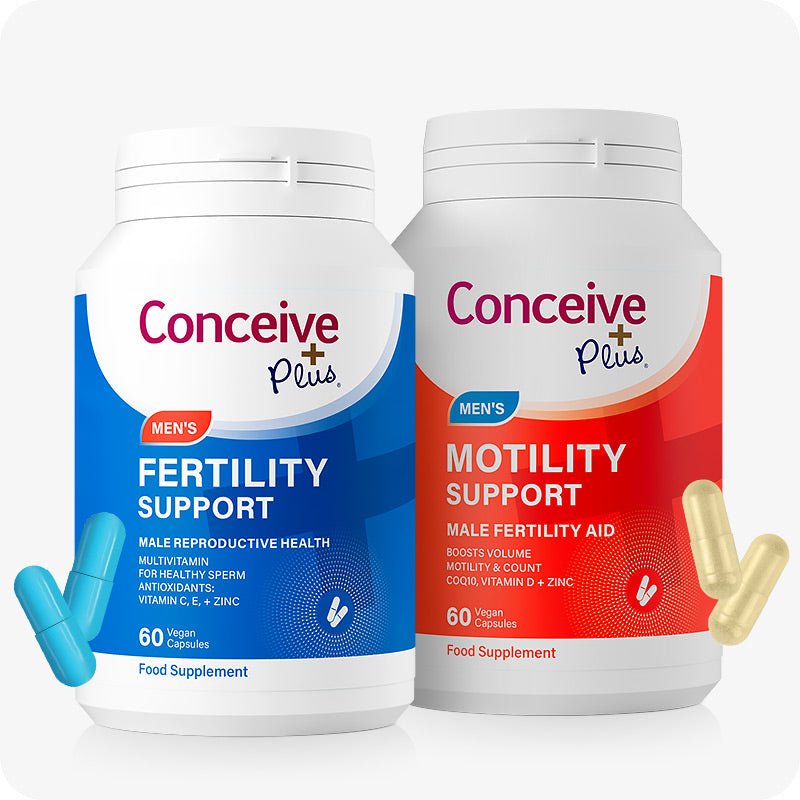
Ideally, yes. Women should take folic acid (400mcg minimum, or 5mg if high-risk) before conception, plus a comprehensive prenatal. Men benefit from antioxidant-rich supplements supporting sperm quality. Conceive Plus offers tailored women's and men's supplements designed for the TTC period.
Q9: How accurate are ovulation prediction apps?
App-based predictions based on historical cycle data have 20–30% error rates for any given cycle. Apps that integrate real-time data (BBT, LH strips, symptoms) are significantly more accurate. Use them as a guide, not a definitive answer.
Q10: What if we can't have sex every day during the fertile window due to work or distance?
If circumstances prevent daily intercourse, prioritise the 2–3 days before the predicted LH surge and the day of the surge itself. This is statistically the highest-probability window. Communicate with your partner about scheduling and reduce pressure by framing intimacy positively.
💜 Take the Next Step With Conceive Plus
Whether you are just starting your TTC journey or you have been trying for a while, Conceive Plus offers clinically backed products to support every step. Join thousands of couples who have trusted Conceive Plus on their path to parenthood.
Explore Conceive Plus Products →