The Two-Week Wait (TWW): How to Survive the Most Stressful Part of Trying to Conceive


The Two-Week Wait (TWW): A Complete Guide to Surviving and Understanding the Most Anxious Phase of TTC
If you're trying to conceive, you already know about the two week wait. The 10–14 days between ovulation and the expected arrival of your period — or the positive pregnancy test you're hoping for — is widely regarded as the most emotionally challenging part of the fertility journey. This guide covers everything you need to know: what's actually happening in your body during the TWW, how to manage symptoms (real and imagined), when to test, and how to protect your mental health through the process.
What Is the Two Week Wait, Exactly?
The two week wait (also called the luteal phase) begins at ovulation and ends either at your expected period date or at the time of a positive pregnancy test. It's called the "two week" wait because the average luteal phase is 12–14 days — though it can range from 10 to 16 days and still be considered normal.
During this phase, a fertilised egg (if conception has occurred) travels down the fallopian tube, arrives in the uterus around days 5–7 post-ovulation, and begins the implantation process. Implantation typically occurs between 6–10 days after ovulation — with day 9 being the most common day. Once implanted, the embryo begins producing hCG (human chorionic gonadotropin) — the hormone detected by pregnancy tests.
This timeline matters because it explains why testing too early gives false negatives: if you test at 7 DPO (days past ovulation), implantation may not have even occurred yet, let alone hCG production begun.
Two Week Wait Symptoms: Real or Imagined?
This is the central anguish of the TWW. Almost every symptom of early pregnancy — tender breasts, fatigue, bloating, cramping, mood swings, nausea — is also caused by progesterone, which rises after ovulation regardless of whether conception has occurred.
Common two week wait symptoms that are almost certainly progesterone (not pregnancy indicators):
- Breast tenderness and fullness
- Bloating and abdominal fullness
- Fatigue and afternoon energy crashes
- Mood changes, irritability, emotional sensitivity
- Mild cramping (luteal phase cramping is normal)
- Increased basal body temperature (BBT remains elevated throughout the luteal phase in all cycles, pregnant or not)
Symptoms that have a slightly higher association with early pregnancy (though still not reliable for diagnosis):
- Implantation bleeding: Light spotting around 6–10 DPO affects roughly 25–30% of pregnant women. However, many women who don't experience it are still pregnant, and some luteal phase spotting occurs in non-pregnant cycles too.
- Unusual cramping: Some women describe implantation cramping as distinctly different from period cramps — lighter, more centralised. Not universal.
- Heightened sense of smell: Rising hCG can trigger olfactory sensitivity earlier than other symptoms.
- Persistent elevated BBT beyond 14 DPO: If your temperature stays high past when your period is due, this is a more reliable early indicator.
The honest answer: during the two week wait, symptoms cannot reliably distinguish a pregnant from a non-pregnant cycle. The only confirmation is a pregnancy test after sufficient hCG has accumulated — and that requires waiting.
The Best Time to Test During the Two Week Wait
Understanding hCG dynamics helps set realistic expectations:
- hCG first becomes detectable at implantation, typically 6–10 DPO
- hCG doubles approximately every 48 hours in early pregnancy
- Most sensitive pregnancy tests (10–25 mIU/mL threshold) can detect hCG around 10–12 DPO in women who implanted early
- Standard NHS tests (25 mIU/mL threshold) typically turn positive at 12–14 DPO
- A negative at 10 DPO does NOT rule out pregnancy — implantation may simply not have occurred yet
The cleanest approach: wait until the day of your expected period (or one day before if using a sensitive early-detection test) for a clear result. Testing earlier creates anxiety and often requires re-testing anyway. If you're going to test early, understand that a negative before 12 DPO should be interpreted as "not yet detectable" rather than "not pregnant."
Conceive Plus fertility supplements are designed to support you through the full conception journey — from ovulation support to luteal phase nutrition. Trusted by women across the UK.
Explore Conceive Plus UK →
Managing the Mental Health Toll of the Two Week Wait
Research consistently shows that fertility-related anxiety and depression rival — and sometimes exceed — the psychological impact of serious illness. The two week wait concentrates this anxiety into a defined, unavoidable waiting period. Women who have experienced pregnancy loss find the TWW especially triggering.
Evidence-based strategies that actually help:
- Limit symptom Googling. The rabbit hole of "10 DPO symptoms" forums is genuinely harmful to TWW mental health. What you find will either falsely reassure or falsely alarm you — neither is based on your actual situation.
- Reduce test frequency. POAS (pee on a stick) anxiety is real. Decide in advance when you'll test and stick to it.
- Plan specific distractions for peak-anxiety days. Days 8–12 DPO tend to be the hardest. Book something for those evenings — a film, a meal, a walk — so you're not alone with your thoughts.
- Talk to someone who understands. Partner support is valuable, but TTC communities (online or local support groups) can provide the peer understanding that even supportive partners sometimes can't.
- Acknowledge it's hard. Toxic positivity ("just relax!") doesn't help. The two week wait IS stressful, and pretending otherwise only adds the burden of feeling like you're doing it wrong.
- Exercise moderately. Light to moderate exercise during the TWW is safe (extreme high-intensity exercise is worth moderating), and the endorphin effect on anxiety is well-documented.
What to Do (and Avoid) During the Two Week Wait
One of the most common questions is what behaviour changes are warranted during the TWW. The evidence-based answer:
Safe and appropriate during the TWW:
- Continue moderate exercise (walking, swimming, yoga, light running)
- Eat normally — a varied, nutritious diet
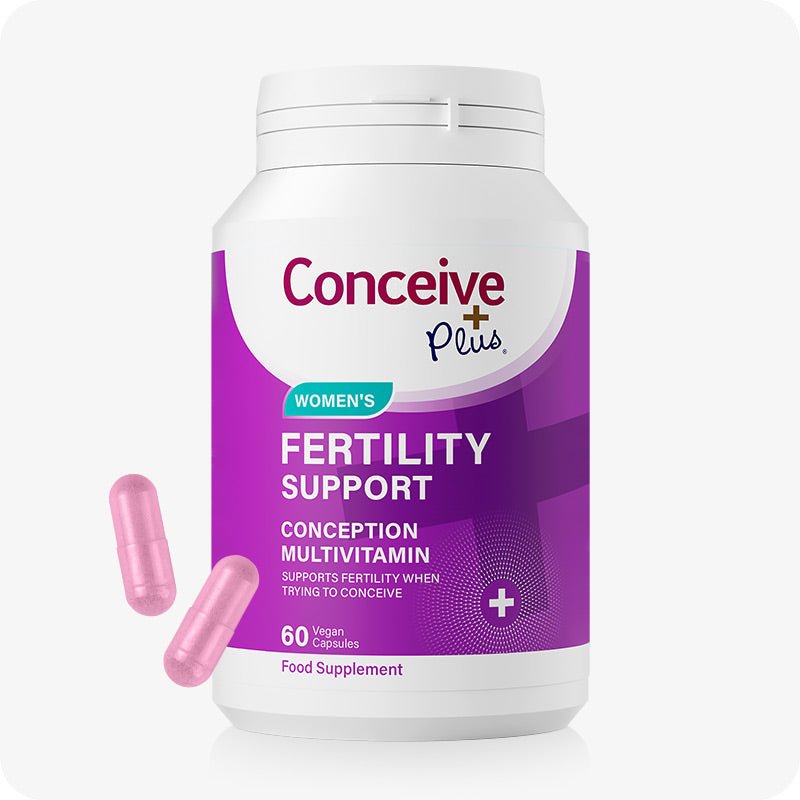
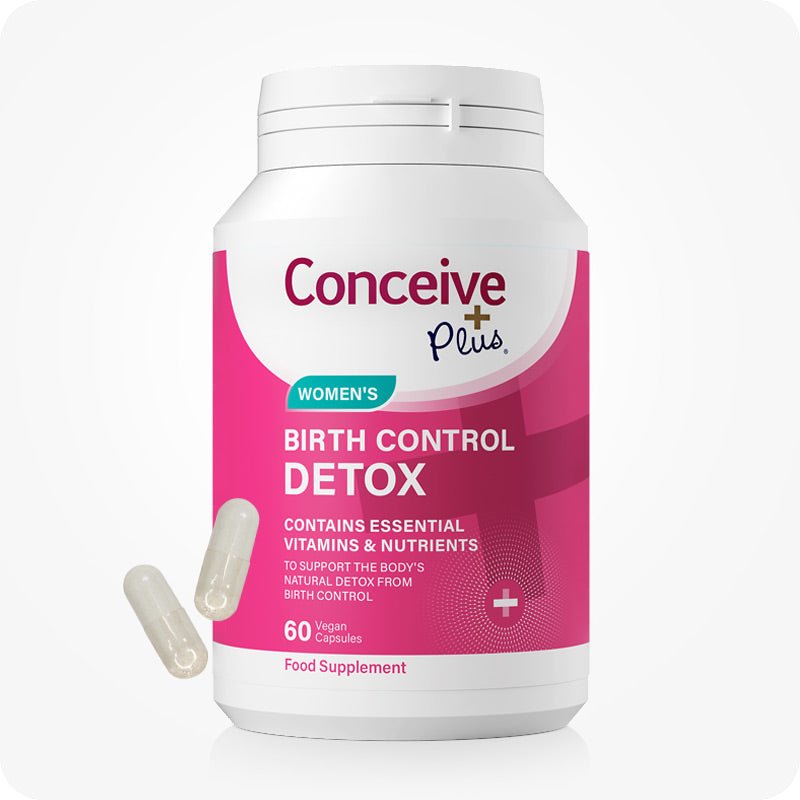
- Continue taking prenatal/fertility supplements (Conceive Plus Women's Support is designed for this phase)
- Drink alcohol in moderation if you must, though most conception-optimising women choose to abstain
- Drink coffee in moderation (under 200mg caffeine/day is the NHS guideline for pregnant women — applying this during TWW is prudent)
- Have sex (it will not "dislodge" an implanted embryo)
Reasonable precautions during the TWW:
- Avoid alcohol, particularly if you're at peak likelihood of being pregnant
- Limit high-impact activity if you have a history of luteal phase issues
- Avoid saunas and very hot baths (elevated core temperature is contraindicated in early pregnancy)
- Check any new medications with your GP — some are contraindicated in early pregnancy
The biggest mistake women make is treating the TWW as if every action has equal significance. In reality, an otherwise healthy embryo will not be negatively affected by a single cup of coffee or a glass of wine before you knew you were pregnant. The anxiety itself is more reliably harmful than most of the specific behaviours being agonised over.
Nutritional Support During the Two Week Wait
While the TWW is a waiting game, it's also an opportunity. If implantation has occurred, the earliest days of embryonic development are underway — and adequate nutrition matters.
Key nutrients in the luteal phase and early post-implantation period:
- Folate/5-MTHF: Neural tube development begins before most women know they're pregnant. This is the primary reason folate supplementation is recommended preconceptionally, not just once pregnancy is confirmed.
- Vitamin D: Deficiency is associated with implantation failure and early pregnancy loss. Maintaining optimal vitamin D levels throughout TTC is important.
- Progesterone support: Magnesium, vitamin B6, and zinc are all involved in corpus luteum function and progesterone production. If you have a history of short luteal phases, these nutrients are worth prioritising.
- Antioxidants: Oxidative stress can impair embryo quality and implantation. Vitamins C and E, CoQ10, and selenium are all protective.
Conceive Plus Women's Fertility Support is formulated to provide these key nutrients in bioavailable forms throughout the TTC journey — including the two week wait.
What Happens If the Two Week Wait Ends in a Negative
For most women trying to conceive, most two week waits will end in a period — particularly in the first several months of trying. This is statistically normal: even in a perfectly fertile couple with optimal timing, natural conception rates per cycle are only 15–25%. Over 12 months, approximately 85% of couples will conceive. But that means each individual cycle has a high probability of not resulting in pregnancy, which is important context when a negative result feels devastating.
Practical next steps after a negative:
- Allow yourself to grieve — a failed cycle is a real loss, even if it's "just" a period
- Review your timing — did you confirm ovulation with LH tests or basal body temperature? Mistimed intercourse is the most common correctable cause of repeated negatives
- Consider tracking: if you haven't been tracking ovulation, starting now gives you actionable data
- After 12 months trying (6 months if over 35, or sooner if you have known fertility factors), see your GP for initial investigations
Conceive Plus supports women through every phase — from cycle tracking to the two week wait to beyond. Used and recommended by UK fertility specialists.
Shop Conceive Plus UK →
Frequently Asked Questions About the Two Week Wait
How many days is the two week wait exactly?
The luteal phase typically ranges from 10–16 days, with 12–14 days being most common. A luteal phase consistently shorter than 10 days ("luteal phase defect") may indicate insufficient progesterone and is worth discussing with your GP.
Can I take a pregnancy test at 7 DPO?
Technically yes, but results are unreliable this early. Even with implantation occurring, hCG levels at 7 DPO are typically below detection thresholds for even the most sensitive tests. A negative at 7 DPO means very little; wait until at least 10–12 DPO for a more meaningful result.
What is implantation bleeding and how do I recognise it?
Implantation bleeding is light spotting that occurs when the embryo burrows into the uterine lining, typically 6–10 DPO. It is usually pink or brown (older blood), very light (lighter than a period), and lasts 1–3 days. However, only about 25–30% of pregnant women experience it, so its absence is not concerning.
I feel no symptoms at all — does that mean I'm not pregnant?
Absolutely not. Many women who are pregnant feel nothing unusual during the TWW. Symptoms are not a reliable pregnancy indicator in either direction.
Should I avoid exercise during the two week wait?
Moderate exercise is safe and beneficial. Extreme high-intensity training is worth moderating, particularly if you have a history of luteal phase issues. Walking, swimming, and yoga are all appropriate and can help manage TWW anxiety.
Is the two week wait longer with IVF?
Yes — with IVF, the "wait" technically begins at egg retrieval or embryo transfer, and you're typically waiting for a blood test (beta hCG) around 10–14 days post-transfer. The IVF TWW carries additional intensity because of the emotional and financial investment in the cycle.
What can I do to make the two week wait go faster?
Keep busy, limit Googling and symptom-checking, exercise moderately, connect with supportive people, and if possible, plan some enjoyable activities specifically for the peak-anxiety days (typically 8–12 DPO). Mindfulness and journalling have evidence for reducing fertility-related anxiety.
Can sex during the two week wait affect implantation?
No. A normal fertilised embryo cannot be dislodged by intercourse. The concern about "disturbing" implantation through sex is not supported by evidence.
Does a longer luteal phase mean I'm more likely to be pregnant?
A persistently elevated BBT beyond 18 DPO is a reliable early pregnancy indicator. A luteal phase longer than 16–17 days without a period is also suspicious for pregnancy. But within normal luteal phase variation (10–16 days), length alone doesn't predict outcome.
When should I seek help if the two week wait keeps ending in negatives?
NHS guidance: seek evaluation after 12 months of unprotected sex without conception (6 months if you're over 35, or sooner if you have known fertility conditions). Your GP can order initial blood tests and a semen analysis as first steps.