Sperm Health: The Complete Guide to Boosting Male Fertility Naturally


Sperm Health: The Complete Guide to Boosting Male Fertility Naturally
When a couple struggles to conceive, the focus often falls disproportionately on the woman. Yet male factor infertility accounts for approximately 40–50% of all infertility cases, according to the World Health Organization. Sperm health — encompassing count, motility, morphology, and DNA integrity — is every bit as important as egg quality, ovarian reserve, or uterine receptivity. The encouraging news is that sperm health is highly modifiable, and meaningful improvements can be achieved within 3 months through targeted nutrition, lifestyle changes, and high-quality supplementation.
This guide covers everything you need to know about male fertility: how sperm are made, what affects their quality, how to assess them, and how Conceive Plus supports the male side of the conception equation.
Understanding Sperm Health: The Key Parameters
A standard semen analysis assesses sperm across several dimensions. The World Health Organization (WHO) 2021 reference values for a normal semen analysis are:
- Volume: ≥1.4 mL per ejaculate
- Total sperm count: ≥39 million per ejaculate
- Concentration: ≥16 million sperm per mL
- Progressive motility: ≥30% (forward-moving sperm)
- Total motility: ≥42%
- Morphology: ≥4% normal forms (Kruger strict criteria)
- Vitality: ≥54% live sperm
These parameters work together. Even high sperm count does not guarantee fertility if motility is poor. Conversely, lower counts with excellent motility and morphology can still result in natural conception. Beyond these basic parameters, sperm DNA fragmentation — the degree of damage to the genetic material carried by sperm — is increasingly recognised as an important predictor of fertility outcomes, particularly for men with unexplained infertility or recurrent miscarriage.
What Affects Sperm Health: The Main Risk Factors
Ready to support your fertility journey? Discover Conceive Plus.
Shop Conceive Plus →Sperm production (spermatogenesis) is a continuous process lasting approximately 74 days. Anything that disrupts this process — particularly in the 3 months before a semen analysis or conception attempt — can affect results. Key risk factors include:
Heat Exposure
Sperm production requires a temperature approximately 2–4°C below core body temperature, which is why the testes are located outside the body. Regular exposure to heat — from laptop use on the lap, hot baths, saunas, tight underwear, or occupational heat — can significantly impair spermatogenesis. Studies have found that men who frequently used saunas had lower sperm counts and motility compared to controls, with recovery occurring within 3–6 months of reducing heat exposure.
Oxidative Stress
Reactive oxygen species (ROS) are generated naturally in the body, but in excess they damage sperm cell membranes and DNA. Smoking is one of the largest contributors to oxidative stress in sperm — male smokers have sperm counts approximately 22% lower and significantly higher DNA fragmentation than non-smokers. Alcohol, environmental toxins, and a diet low in antioxidants also increase oxidative burden on sperm.
Obesity and Metabolic Health
Men with obesity have consistently lower testosterone levels, higher oestrogen conversion (via aromatase in fat tissue), and poorer sperm parameters across all metrics. A body mass index (BMI) over 30 is associated with a 42% increased risk of oligozoospermia (low sperm count). Weight loss of as little as 5–10% of body weight in overweight men has been shown to improve testosterone levels and semen parameters.
Psychological Stress
Chronic psychological stress elevates cortisol and reduces testosterone. It also increases ROS. A large US study found that men who reported high life stress had lower sperm concentrations and significantly reduced percentage of normal morphology compared to low-stress counterparts.
Medications and Substances
Anabolic steroids essentially shut down the pituitary-gonadal axis, causing severe suppression of sperm production — in some cases complete azoospermia — that can persist for 1–2 years after cessation. Cannabis, cocaine, and opioids also impair spermatogenesis. Common prescription medications including certain antidepressants (SSRIs), antihypertensives (calcium channel blockers), and chemotherapy agents can affect sperm quality. Always consult a healthcare provider before making medication changes.
Age
Unlike women who are born with all their eggs, men produce new sperm continuously. However, sperm quality does decline with age. Men over 45 have higher rates of sperm DNA fragmentation and mutations, which are associated with increased risk of miscarriage and certain developmental conditions in children.
Sperm Health and Diet: What the Evidence Shows
Dietary patterns have a clear relationship with sperm quality. The Mediterranean diet — high in fruits, vegetables, whole grains, legumes, nuts, olive oil, and fatty fish — is consistently associated with better semen parameters. Conversely, the Western dietary pattern (high in red and processed meat, refined carbohydrates, full-fat dairy, and trans fats) is linked to poorer sperm health outcomes.
Specific foods with strong evidence for sperm health include:
- Fatty fish (salmon, mackerel, sardines): Rich in omega-3 DHA and EPA, which are essential components of sperm cell membranes
- Walnuts: High in alpha-linolenic acid (ALA) and antioxidants; a 12-week RCT found walnuts improved sperm vitality, motility, and morphology
- Tomatoes: Lycopene, concentrated in cooked tomatoes, is a potent antioxidant with particular affinity for testicular tissue
- Leafy greens: High in folate, which supports sperm DNA integrity
- Brazil nuts: High in selenium, a trace mineral essential for sperm motility
- Oysters: The richest dietary source of zinc, critical for testosterone production and semen quality
Key Supplements for Sperm Health
While diet forms the foundation, targeted supplementation can address specific deficiencies and provide therapeutic doses of nutrients that are difficult to obtain through diet alone.
Zinc
Zinc is found at particularly high concentrations in the testes and seminal plasma, where it plays critical roles in testosterone production, sperm maturation, and protection against ROS. Zinc deficiency is one of the most common nutritional causes of poor sperm health. Clinical studies have found that zinc supplementation (25–45 mg/day) improves sperm count, motility, and morphology, particularly in men with low baseline zinc status.
Selenium
Selenium is a component of several antioxidant enzymes, including glutathione peroxidase, which protects sperm from oxidative damage. It is also incorporated into the sperm flagellum (tail), where it contributes to structural integrity and motility. Selenium deficiency is associated with infertility in men, and supplementation (55–100 mcg/day) has been shown to improve motility in sub-fertile men.
Coenzyme Q10
CoQ10 serves both as a mitochondrial cofactor and antioxidant. Sperm rely heavily on mitochondrial energy for the vigorous flagellar movements needed to swim toward the egg. A meta-analysis of 7 randomised controlled trials found that CoQ10 supplementation (200–400 mg/day) significantly improved sperm concentration, motility, and morphology. It is particularly beneficial for men with idiopathic (unexplained) oligospermia or asthenospermia.
L-Carnitine
L-carnitine transports fatty acids into the mitochondria for energy production and is found in especially high concentrations in the epididymis, where sperm mature and acquire motility. Clinical trials have demonstrated that L-carnitine (2–3 g/day) improves sperm motility in men with poor motility, and some studies show improvements in concentration and morphology as well.
Folate and Vitamin B12
Folate is essential for DNA synthesis and cell division — both critical for sperm production. Low folate status is associated with increased sperm DNA fragmentation. Vitamin B12 supports both sperm count and motility, and deficiency (common in men with restricted diets or malabsorption) can significantly impair spermatogenesis.
Vitamin D
Vitamin D receptors have been identified on sperm, and low vitamin D status is associated with lower sperm count and motility. A systematic review found that vitamin D supplementation improved total sperm motility, particularly in men who were deficient at baseline. Optimal vitamin D blood levels (40–60 ng/mL) appear to be associated with the best sperm parameters.
Conceive Plus Men's Fertility Support
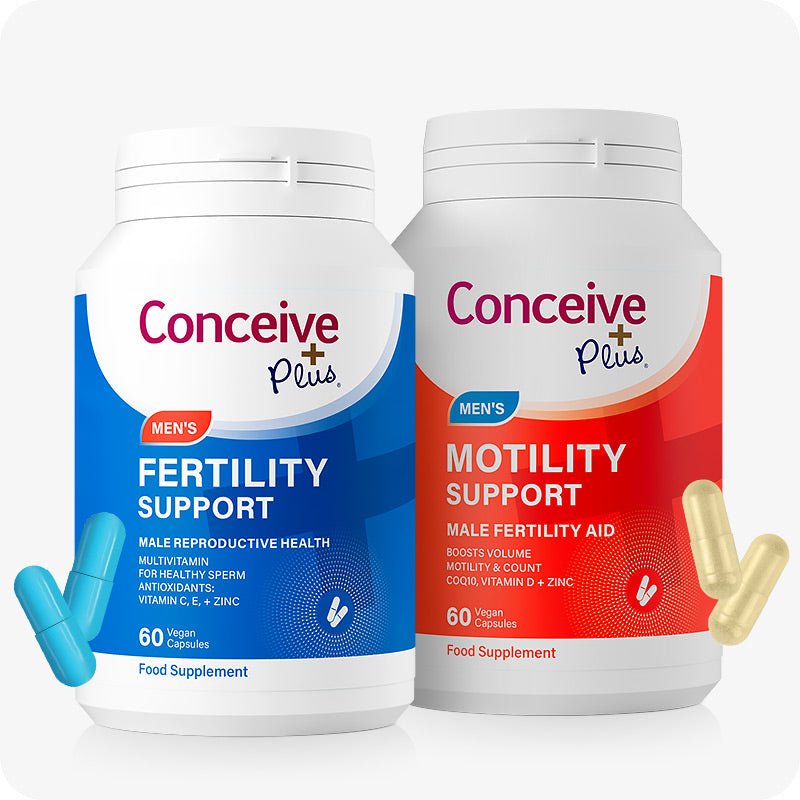
Conceive Plus Men's Fertility Support is a complete male fertility supplement formulated with the clinical evidence above in mind. It combines zinc, selenium, L-carnitine, CoQ10, B vitamins, and vitamin D in a single daily dose — no juggling multiple bottles or trying to estimate doses across separate supplements.
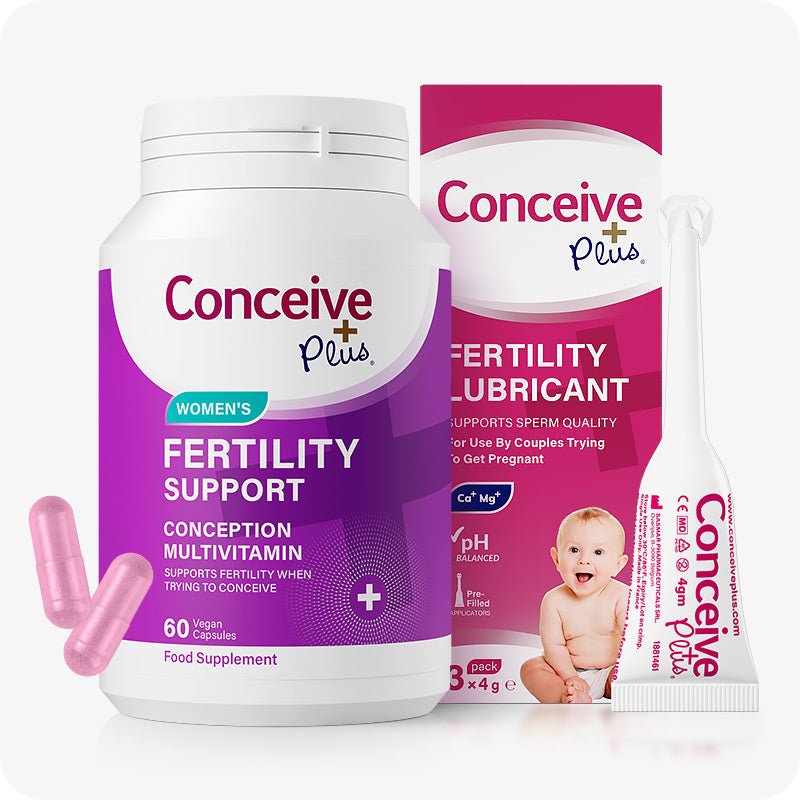
Clinically formulated to support all four key sperm parameters — count, motility, morphology, and DNA integrity — Conceive Plus Men's Fertility Support is third-party tested for purity, free from artificial additives, and suitable for vegetarians. It is available globally and can be combined with Conceive Plus Women's Fertility Support for a comprehensive couples fertility protocol.
How Long Does It Take to Improve Sperm Health?
Because a full spermatogenesis cycle takes approximately 74 days, plus an additional 12–21 days for sperm transit through the epididymis, the minimum time to see meaningful improvements from lifestyle changes or supplementation is 3 months. This is why fertility specialists recommend starting any sperm health protocol at least 3 months before a planned conception attempt or IVF cycle.
A typical improvement timeline:
- Weeks 1–4: Antioxidant status begins improving; oxidative stress reduces
- Weeks 4–8: Early improvements in motility (most responsive parameter)
- Weeks 8–12: Count and morphology improvements begin to manifest
- Months 3–6: Full benefit of nutritional and lifestyle changes reflected in semen analysis
Lifestyle Changes to Improve Sperm Health
Supplements work best within a comprehensive lifestyle approach:
- Quit smoking: Within 3 months of quitting, sperm DNA fragmentation rates measurably decrease
- Reduce alcohol: Limit to fewer than 14 units/week; ideally less when actively TTC
- Exercise moderately: 150 minutes of moderate aerobic exercise per week is associated with higher sperm count and motility; avoid cycling for long distances if already experiencing fertility challenges
- Switch to boxers: Switching from tight underwear to loose-fitting boxers reduces scrotal temperature and may improve sperm count
- Avoid laptop on lap: Use a desk or lap pad to reduce scrotal heat exposure
- Reduce stress: Mind-body interventions, regular physical activity, adequate sleep (7–9 hours), and social support all reduce the cortisol burden on reproductive function
- Minimise toxin exposure: Pesticides (use organic produce), BPA (avoid plastic food containers), phthalates (fragrance-free personal care products), and heavy metals (filter drinking water) are all endocrine disruptors affecting sperm health
When to See a Doctor About Sperm Health
See a GP or urologist if:
- You have been trying to conceive for 12 months without success (6 months if the female partner is over 35)
- You have a history of undescended testicles, testicular injury, or testicular surgery
- You notice changes in ejaculate volume or colour
- You have had a vasectomy reversal
- You are a cancer survivor who underwent chemotherapy or radiation
- You have a known hormonal condition (e.g., hypogonadism, pituitary disorder)
A semen analysis is a quick, non-invasive, and relatively inexpensive test that provides invaluable information. There is no reason to wait until you have been trying for a year — getting a baseline analysis early in the TTC journey helps identify issues promptly and guides the most appropriate interventions.
Frequently Asked Questions About Sperm Health
1. How quickly can sperm health improve?
With optimal nutrition, supplementation, and lifestyle changes, measurable improvements in sperm parameters typically take 3 months, reflecting one full spermatogenesis cycle.
2. Can stress affect sperm health?
Yes. Chronic psychological stress elevates cortisol, which suppresses testosterone and increases oxidative stress. Managing stress through exercise, mindfulness, and adequate sleep positively impacts sperm parameters.
3. Does diet really affect sperm count?
Strongly, yes. The Mediterranean dietary pattern is consistently associated with better semen parameters across multiple large studies. Processed foods, trans fats, and excessive alcohol are associated with poorer sperm health.
4. Is mobile phone use harmful to sperm?
The evidence is mixed. Some studies suggest radiofrequency electromagnetic radiation from mobile phones carried close to the body may affect sperm motility. Keeping your phone out of trouser pockets during the TTC period is a precautionary measure supported by some research.
5. Can CoQ10 improve sperm motility?
Yes. Multiple randomised controlled trials have found that CoQ10 supplementation (200–400 mg/day) improves sperm motility, concentration, and morphology in sub-fertile men, with effects appearing after 3–6 months.
6. What is sperm DNA fragmentation?
Sperm DNA fragmentation measures the degree of damage to the genetic material carried by sperm. High fragmentation (>25% by DFI) is associated with increased risk of failed fertilisation, poor embryo development, and miscarriage. It is tested separately from a standard semen analysis.
7. Does tight underwear really affect sperm count?
Yes. A Harvard study of 656 men found that men who wore boxers had significantly higher sperm concentration (25% higher) and total sperm count than men who wore tighter underwear styles.
8. How much zinc should I take for sperm health?
Clinical studies have used 25–45 mg/day of zinc (as zinc sulphate or zinc gluconate) for male fertility. The recommended daily allowance is 11 mg, so a fertility supplement providing an additional 15–30 mg is appropriate for men actively trying to conceive.
9. Can I improve sperm health while on antidepressants?
Some SSRIs are associated with impaired sperm motility. Do not stop antidepressants without medical guidance, but discuss the topic openly with your prescribing doctor. In many cases, the fertility impact of untreated depression outweighs any medication effect.
10. Should both partners take fertility supplements?
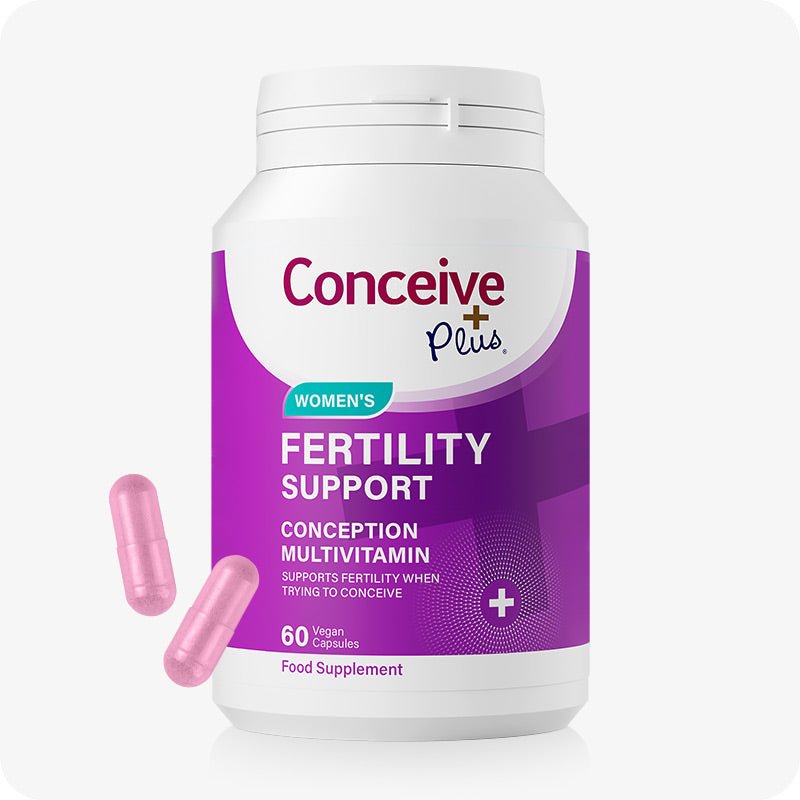
Yes. Conception is a two-person process. Women benefit from prenatal vitamins with folate, vitamin D, and CoQ10. Men benefit from targeted fertility supplements with zinc, selenium, L-carnitine, and CoQ10. Starting both protocols together 3 months before TTC maximises the chances of success.
Supporting Sperm Health Is Within Your Control
Sperm health is dynamic, modifiable, and responds meaningfully to the choices made in the 3 months before conception. Stopping smoking, improving diet, reducing heat exposure, managing stress, and taking a targeted male fertility supplement like Conceive Plus Men's Fertility Support can produce measurable improvements in all key sperm parameters.
Fertility is a shared journey. When both partners invest in their reproductive health simultaneously, the odds of a successful conception — and a healthy pregnancy — are meaningfully higher. Conceive Plus is here to support both sides of the equation.
Start your fertility journey with Conceive Plus today.
Shop Conceive Plus →