Timing Intercourse for Conception: Your Complete Guide to Maximising Fertility Windows


Timing Intercourse for Conception: Your Complete Guide to Maximising Fertility Windows
Timing intercourse for conception is one of the most effective yet misunderstood aspects of trying for a baby. Whether you've just come off contraception or have been trying for several months, understanding when and how often to have sex during your fertile window can make a significant difference to your chances each cycle. This guide covers everything couples in the UK need to know — from identifying your fertile window to creating the ideal conditions for conception.
Understanding the Fertile Window: The Foundation of Timing Intercourse
The human egg survives for only 12 to 24 hours after ovulation, which means the actual window for fertilisation is remarkably short. However, sperm can survive in fertile cervical mucus for 3 to 5 days — sometimes up to 7 days in ideal conditions. This creates a fertile window of approximately 5 to 6 days per cycle: the 5 days before ovulation and the day of ovulation itself.
Research published in the New England Journal of Medicine tracked conception rates and intercourse timing across hundreds of cycles. The results were striking:
- Sex the day of ovulation: approximately 33% conception rate per cycle
- Sex one day before ovulation: approximately 31%
- Sex two days before ovulation: approximately 27%
- Sex three days before ovulation: approximately 16%
- Sex four or five days before ovulation: approximately 10%
The takeaway: having sex in the 2-3 days before and on the day of ovulation gives you the highest probability of conception in any given cycle. The goal is to have sperm waiting in the fallopian tubes before the egg is released — not scrambling to get there after.
How to Identify Your Fertile Window Accurately
Ready to support your fertility journey?
Shop Conceive Plus Fertility Support →There are several methods for identifying when you're approaching and reaching ovulation:
Ovulation Predictor Kits (OPKs)
OPKs detect the LH (luteinising hormone) surge that precedes ovulation by 24-36 hours. When you get a positive result — typically as dark or darker than the reference line — ovulation is imminent. Start having sex that day and continue for 2-3 consecutive days.
For best results with OPKs:
- Test at the same time each day (early afternoon, not first morning urine)
- Don't drink excessive fluids 2 hours before testing
- Start testing a few days before your expected ovulation (typically day 10-12 for a 28-day cycle)
- Consider using digital OPKs if line-reading causes confusion or anxiety
Basal Body Temperature (BBT) Charting
BBT rises by 0.2-0.5°C after ovulation due to the thermogenic effect of progesterone. While this confirms that ovulation has occurred, it's retrospective — you can't use the temperature rise to time intercourse. However, charting over several months helps you identify your personal ovulation pattern, making predictions more accurate.
Cervical Mucus Monitoring
Cervical mucus changes dramatically across the cycle. As oestrogen rises before ovulation, mucus becomes more abundant, clear, and stretchy — often described as resembling raw egg whites. This "egg white cervical mucus" (EWCM) indicates high fertility. When you see EWCM, you're in your fertile window.
Many women find cervical mucus monitoring highly informative, particularly when combined with OPKs. If your mucus never reaches the egg-white stage — which can happen due to hormonal issues, dehydration, or certain medications — you may need additional support to create the right environment for sperm survival.
Fertility Apps and Cycle Tracking
Apps that track cycle data can help identify patterns, particularly for women with regular cycles. However, app-only predictions based on calendar dates alone are unreliable — ovulation can shift significantly from cycle to cycle. Use apps as a supplementary tool rather than your sole method of timing.
Optimal Frequency: How Often Should You Have Sex When TTC?
A common misconception is that you should "save up" sperm by abstaining for several days before the fertile window. Research consistently contradicts this approach. Prolonged abstinence actually reduces sperm quality — longer-stored sperm accumulate more DNA fragmentation and motility decreases with time.
The evidence-based recommendation for timing intercourse is:
- Every 1-2 days throughout the fertile window — this maintains fresh, high-quality sperm while ensuring coverage of the entire 5-6 day fertile period
- No more than 1-3 days of abstinence before the fertile window begins
- Daily sex during peak fertility (the 2-3 days around ovulation) is acceptable and may slightly improve chances, though every-other-day is equally effective and may be more sustainable
For men with known sperm concerns, daily ejaculation during the fertile window may actually improve sperm DNA quality by clearing older sperm and replacing with freshly produced — but discuss this with a fertility specialist if there are underlying male factor issues.
The Role of Fertility Lubricant When Timing Intercourse
One factor that couples often overlook is the impact of vaginal lubrication on sperm survival and progression. When sex becomes scheduled and performance-focused, natural arousal and lubrication can be affected. This is where choosing the right lubricant becomes critical.
Most commercially available lubricants — including water-based products, silicone-based products, saliva, and even seemingly "natural" options like coconut oil — are not sperm-friendly. Research published in Fertility and Sterility showed that common lubricants including KY Jelly, Astroglide, and saliva significantly reduced sperm motility and viability within 60 minutes of exposure.
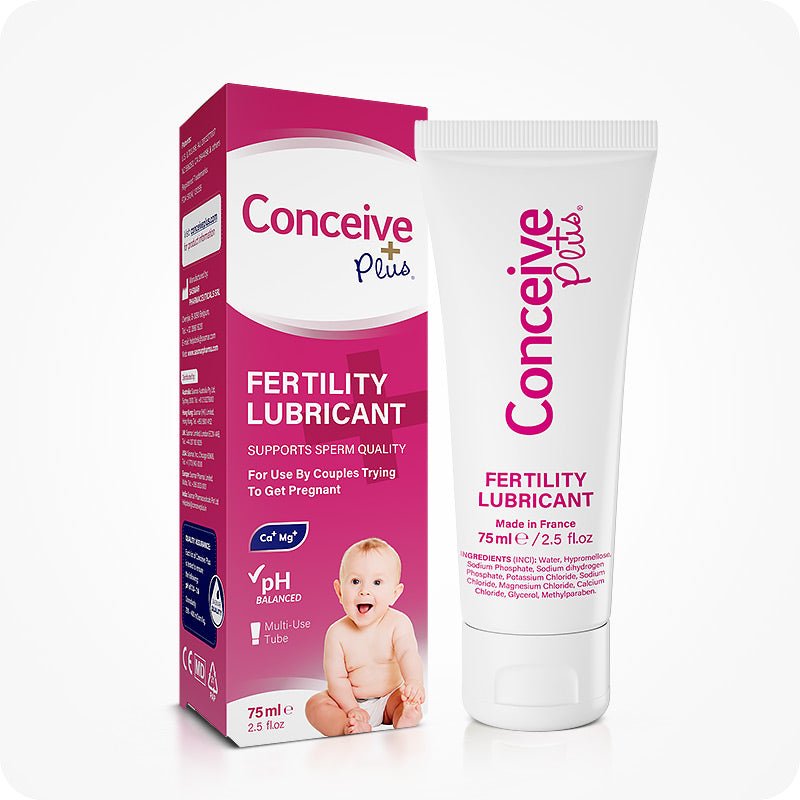
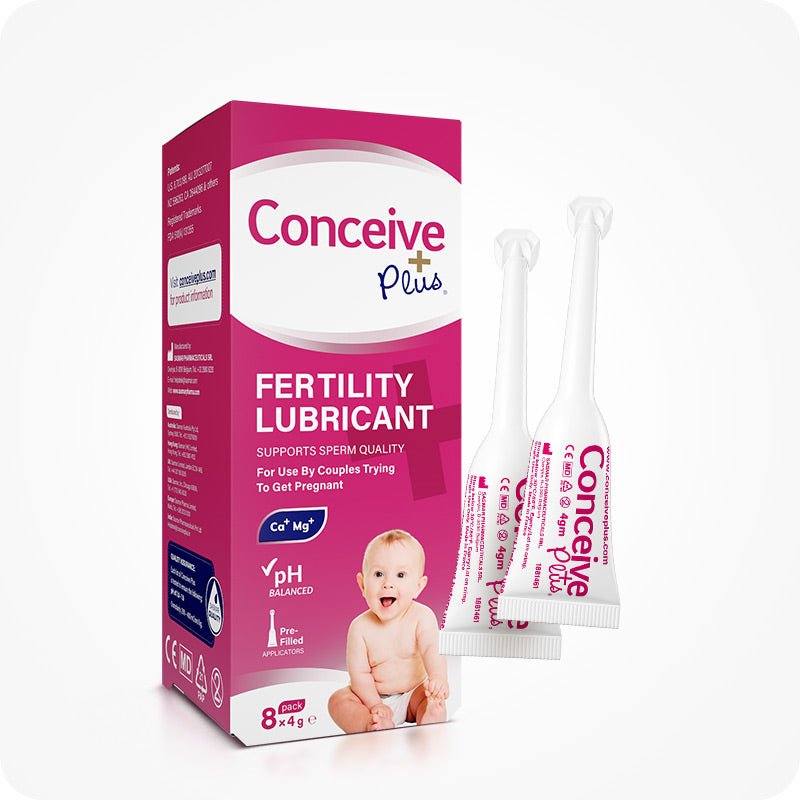
Conceive Plus fertility lubricant is specifically designed for couples timing intercourse for conception. It's the only fertility lubricant containing calcium and magnesium ions — the same minerals found in fertile cervical mucus — which support sperm capacitation (the process that primes sperm to fertilise an egg). With a pH of 7.0-8.5 and osmolality matched to fertile cervical mucus, Conceive Plus creates an environment that supports rather than hinders sperm survival and progression.
Available across the UK, Conceive Plus can be used during the fertile window without concern about harming sperm or disrupting the conception process. When timing intercourse matters, so does every detail of the environment you create.
Lifestyle Factors That Affect the Timing Window
Optimising when you have sex is only part of the equation. The quality of sperm and eggs at the time of conception matters enormously. Several lifestyle factors directly affect fertility during your timing window:
Alcohol and Caffeine
Both alcohol and excessive caffeine consumption are associated with reduced fertility in both men and women. The NHS recommends no more than 200mg caffeine per day (about 2 cups of coffee) when TTC. Even moderate alcohol consumption has been linked to reduced sperm quality and impaired ovulation. During your fertile window and throughout the TTC period, minimising both is advisable.
Stress Management
High cortisol levels can suppress LH release, potentially delaying or disrupting ovulation. Couples trying to conceive often experience significant performance pressure around the fertile window, which can itself become counterproductive. Mind-body approaches including yoga, meditation, and regular exercise have been shown to reduce fertility-related stress and may support natural cycle regulation.
Sleep Quality
Disrupted sleep affects melatonin production, which in turn influences LH, FSH, and progesterone regulation. Research shows that women who work night shifts or have inconsistent sleep patterns experience more cycle irregularity and lower conception rates. Prioritising 7-9 hours of consistent sleep supports hormonal synchronisation.
Body Weight
Both underweight (BMI below 18.5) and overweight (BMI above 30) status are associated with cycle irregularity, impaired ovulation, and reduced sperm quality. Even modest weight loss or gain toward a healthy BMI range can meaningfully improve fertility. If weight is a concern, discuss it with your GP or a fertility specialist early in your TTC journey.
Common Mistakes When Timing Intercourse
Even well-intentioned couples can inadvertently reduce their chances through common timing mistakes:
Over-Relying on Average Cycle Dates
The "day 14 rule" — ovulating on day 14 of a 28-day cycle — is an average, not a constant. Many women ovulate earlier (day 10-12) or later (day 16-20), and cycle length can vary from month to month. Relying on calendar dates without using OPKs or mucus monitoring means timing intercourse based on statistical averages rather than your actual biology.
Only Having Sex After a Positive OPK
A positive OPK means ovulation is 24-36 hours away. While this is valuable information, waiting until the positive result to start having sex means you miss the most fertile days — the 2-3 days before the LH surge. Start having sex every 1-2 days from around day 10 of your cycle (or earlier if your cycles are short) and continue until 1-2 days after a positive OPK.
Using Harmful Lubricants
As discussed above, using standard lubricants during the fertile window can reduce conception chances by damaging sperm before they reach the egg. Always use a sperm-safe, fertility-formulated lubricant like Conceive Plus during the timing window.
Making Sex Feel Like a Medical Procedure
Timed intercourse is a reality for couples TTC, but excessive pressure and anxiety can reduce natural arousal, affect male performance, and increase stress hormones that may delay ovulation. Communication, humour, romance, and keeping intimacy alive beyond the fertile window all contribute to sustainable TTC wellbeing.
When Timing Alone Isn't Enough: Seeking Additional Help
If you've been timing intercourse correctly for 12 months (or 6 months if you're over 35) without success, it's time to seek medical evaluation. Fertility investigations are recommended at this stage and can identify treatable causes including:
- Ovulatory dysfunction (PCOS, thyroid issues, low AMH)
- Male factor infertility (low count, poor motility, morphology issues)
- Tubal blockage
- Uterine abnormalities
- Unexplained infertility
In the UK, your GP can order initial tests including day 2-3 FSH/LH/oestradiol, day 21 progesterone (to confirm ovulation), AMH testing, semen analysis, and transvaginal ultrasound. These investigations take the guesswork out of fertility and allow for targeted treatment.
Frequently Asked Questions About Timing Intercourse
Is morning or evening better for timing intercourse?
Sperm quality is generally highest in the morning when testosterone levels peak after overnight rest. If timing allows, morning sex during the fertile window may offer a marginal advantage. However, the most important factor is frequency during the fertile window — any time of day is better than missing the window entirely.
Does position affect conception success?
There's no clinical evidence that any specific sexual position significantly affects conception rates. Sperm are actively mobile and navigate to the cervix regardless of position. Post-sex positions like lying still for 15 minutes may help gravity assist initial sperm movement, but this has not been proven to significantly increase pregnancy rates.
How quickly can sperm reach the egg?
Sperm can reach the fallopian tubes within 15-45 minutes of ejaculation, though it takes longer for most to complete the journey. They then wait in the fallopian tubes for up to 5 days for the egg to be released. This is why having sperm already present before ovulation gives better results than trying to time sex precisely at the moment of ovulation.
Can OPKs be wrong?
Yes. False positives can occur with PCOS (sustained LH elevation without ovulation), some fertility medications, and perimenopause. False negatives can happen if the LH surge is brief and you test at the wrong time. If OPKs are consistently confusing or your cycles are irregular, digital or dual-hormone OPKs (measuring oestrogen and LH) offer greater clarity.
How many cycles does it take on average?
For couples under 35 with no identified fertility issues, approximately 85% will conceive within 12 months of regular, well-timed intercourse. 15% will take longer or require medical assistance. Monthly fecundity (chance of conception per cycle) is approximately 15-25% even with perfect timing — so patience and persistence are genuinely important.
Should we stop having sex after the fertile window?
No. Regular sex throughout the cycle (though less critical outside the fertile window) maintains sperm quality, supports intimacy, and reduces the pressure associated with timed intercourse. Many fertility specialists recommend sex every 2-3 days throughout the cycle for couples TTC, with increased frequency during the fertile window.
Does temperature affect sperm quality during intercourse?
Testicular temperature is relevant to sperm production — the testes are outside the body precisely because sperm require a slightly cooler temperature than core body temperature. For men TTC, avoiding prolonged heat exposure (laptops on lap, hot baths, tight underwear, saunas) can support ongoing sperm quality.
Is there anything to do immediately after sex to improve chances?
Some research suggests lying still for 15 minutes after intercourse may marginally improve cervical exposure to semen. However, this has not been proven to meaningfully increase pregnancy rates. There's no evidence that the "legs in the air" position has any effect. Focus your energy on the timing and quality of sex rather than post-coital rituals.
Conclusion: Precision, Patience, and the Right Support
Timing intercourse for conception is a science that couples can master with the right tools. Using OPKs or cervical mucus monitoring to pinpoint your fertile window, having sex every 1-2 days during that window, using a sperm-safe lubricant like Conceive Plus, and supporting your body with good nutrition and sleep all work together to maximise your chances each cycle.
Remember that even with perfect timing, each cycle gives you approximately a 1 in 4 to 1 in 5 chance of conceiving. The process requires sustained effort over months, not just a single perfectly-timed cycle. Support your body throughout the journey with evidence-based tools and, if needed, don't hesitate to seek medical evaluation to rule out treatable causes.
Conceive Plus is here to support your fertility journey at every step — from the fertility lubricant that creates the optimal environment during intercourse to the supplement range that supports egg and sperm health from the inside. Explore the full range designed for couples trying to conceive at conceiveplus.co.uk.
Ready to support your fertility journey?
Shop Conceive Plus Fertility Support →