IVF Preparation: The Complete Guide to Getting Your Body Ready


IVF Preparation: The Complete Guide to Getting Your Body Ready
Starting IVF is one of the most significant decisions a couple can make on their fertility journey. The process is medically intensive, emotionally demanding, and financially substantial — which makes preparation more important than almost anything else you can do. The good news: evidence consistently shows that the 3–6 months before your IVF cycle are a powerful window to optimise your body's response.
This guide covers what IVF preparation really involves — from nutrition and supplements to lifestyle factors and testing — and how Conceive Plus supports couples navigating this process at every stage.
Why IVF Preparation Matters: The 90-Day Window
Eggs and sperm take approximately 90 days to fully develop before they are mature and ready for fertilisation. This biological timeline is the foundation of why pre-IVF preparation — beginning at least 3 months before egg retrieval — is so important.
During this developmental window, both egg and sperm quality are actively influenced by:
- Nutritional status and micronutrient availability
- Oxidative stress levels (which damage DNA in developing cells)
- Hormonal balance and metabolic health
- Sleep quality, stress, and inflammation levels
- Environmental exposures and lifestyle factors
Research from leading IVF clinics consistently shows that women and men who prepare systematically in the 12 weeks before their cycle experience better ovarian response, higher fertilisation rates, better embryo quality, and ultimately, improved live birth rates. IVF preparation is not passive — it is an active investment in your outcome.
Key Nutrients for IVF Preparation: Women
Visit conceiveplus.co.uk and explore the full Conceive Plus range — trusted by couples worldwide.
Several nutrients have strong clinical evidence supporting their use as part of IVF preparation for women. Here are the most important:
Coenzyme Q10 (CoQ10/Ubiquinol)
CoQ10 plays a critical role in mitochondrial energy production — and the mitochondria within egg cells are essential for successful fertilisation and early embryo development. Mitochondrial function declines with age, which is one reason egg quality decreases after 35.
Multiple studies, including a landmark trial published in Fertility and Sterility, show that CoQ10 supplementation improves ovarian response to stimulation, increases the number of mature eggs retrieved, and improves fertilisation rates — particularly in women with diminished ovarian reserve. The ubiquinol form has superior bioavailability.
Methylfolate (L-5-MTHF)
Standard folic acid requires conversion by the MTHFR enzyme — a conversion many women cannot fully perform due to common genetic variants. Methylfolate bypasses this entirely. It is essential for cell division, DNA synthesis, and prevention of neural tube defects. IVF preparation should include at minimum 400–800 mcg methylfolate daily, ideally starting 3 months before transfer.
Vitamin D3
Vitamin D deficiency is extremely common in the UK (particularly in autumn and winter) and is independently associated with lower IVF success rates. Vitamin D receptors are present in ovarian granulosa cells, and D3 plays a role in follicular development, endometrial receptivity, and immune modulation supporting implantation.
Inositol (Myo-Inositol + D-Chiro-Inositol)
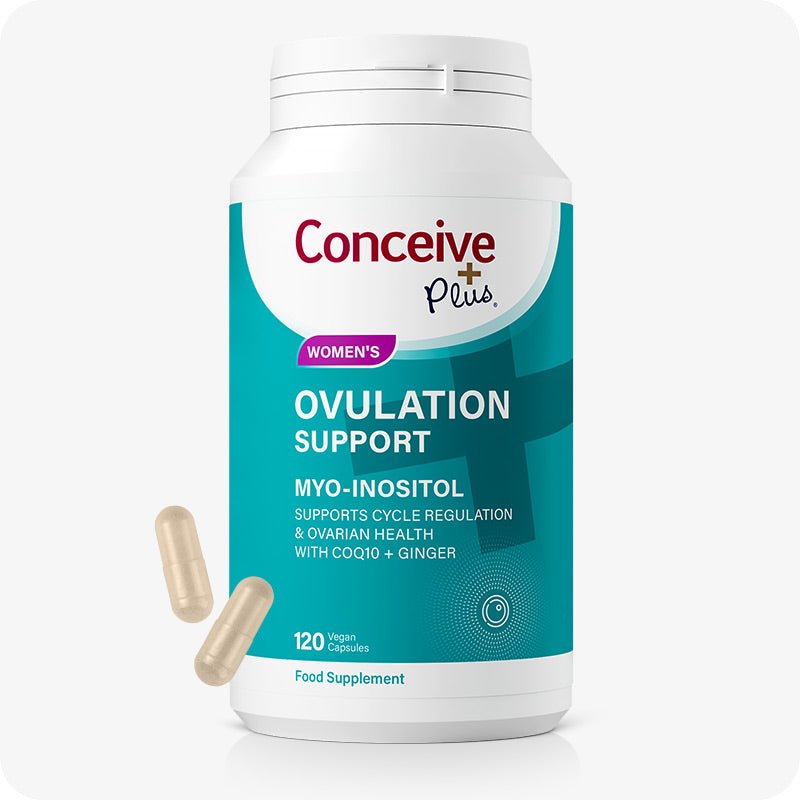
Inositol supports insulin signalling in the ovary, improving egg quality and ovarian response — particularly in women with PCOS. A combined Myo/D-Chiro blend (40:1 ratio) is the most evidence-based form for IVF preparation.
N-Acetyl Cysteine (NAC)
NAC is a potent antioxidant and glutathione precursor that reduces oxidative stress in the ovarian environment. Studies suggest benefit for women with endometriosis and poor ovarian response.
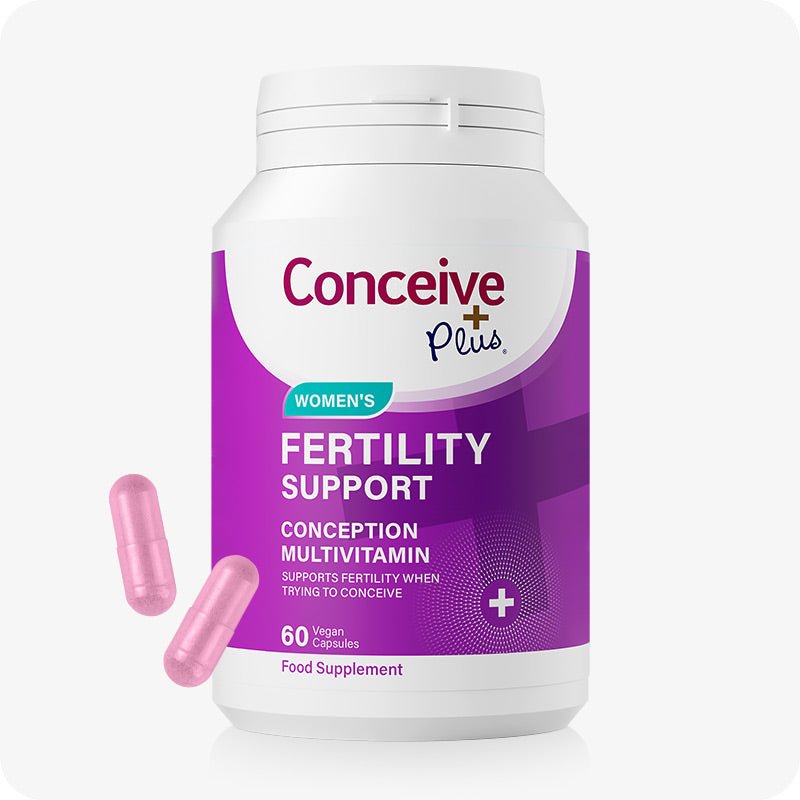
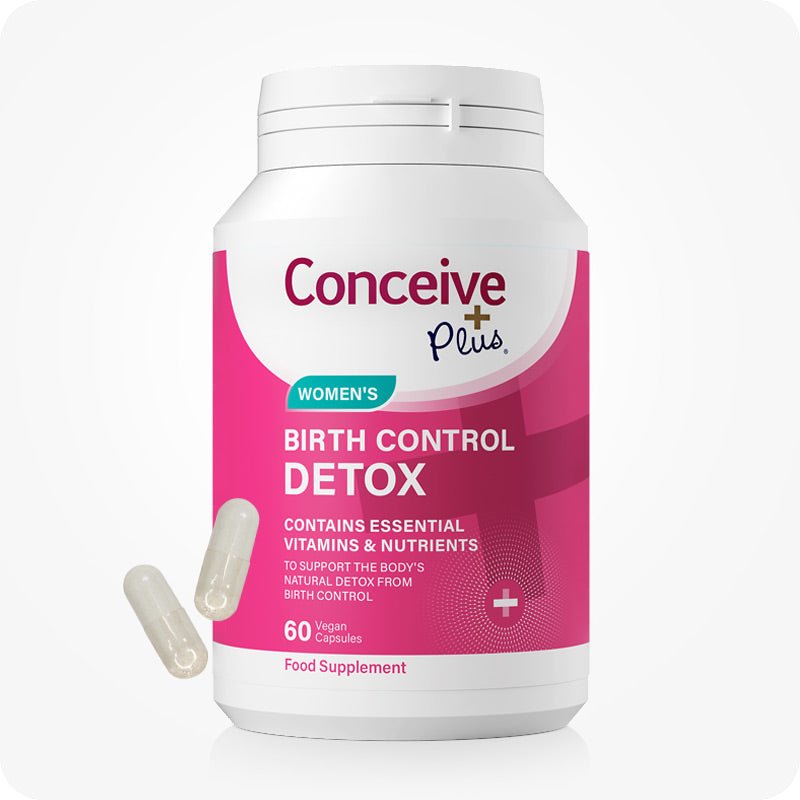
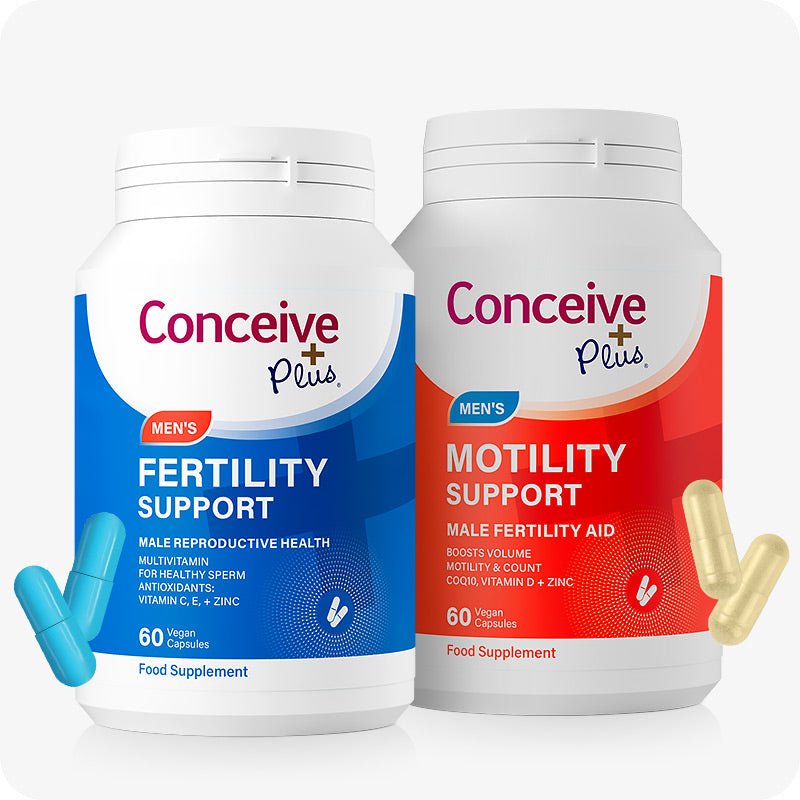
The Conceive Plus women's fertility supplement range combines these key nutrients in clinically-informed doses, providing a comprehensive foundation for IVF preparation without the need for multiple separate supplements.
Key Nutrients for IVF Preparation: Men
IVF preparation is equally important for male partners. DNA fragmentation — damage to the DNA within sperm — is a leading cause of fertilisation failure, poor embryo development, and recurrent miscarriage. Studies suggest 15–25% of male infertility cases involve elevated sperm DNA fragmentation that standard semen analysis cannot detect.
Nutrients with clinical evidence for reducing DNA fragmentation and improving sperm quality include:
- Zinc: Essential for sperm production, testosterone metabolism, and DNA protection. UK men commonly fall below recommended intake
- Selenium: Supports sperm motility and protects against oxidative DNA damage
- L-Carnitine: Provides energy substrate for sperm motility — shown in multiple trials to improve progressive motility
- Vitamin C and E: Antioxidants that directly reduce sperm DNA fragmentation
- CoQ10: Mitochondrial support for sperm energy and motility
- Folate: Important for sperm DNA integrity and reducing aneuploidy risk
A 2019 Cochrane review found antioxidant supplementation in men was associated with significantly improved live birth rates in IVF — underlining that male preparation is not optional.
IVF Preparation Nutrition: What to Eat (and Avoid)
Diet has a meaningful impact on both egg and sperm quality during IVF preparation. The evidence is strongest for a Mediterranean-style dietary pattern, which has been directly associated with higher IVF success rates in multiple studies.
Prioritise:
- Colourful vegetables and fruits (polyphenols, antioxidants)
- Oily fish 2–3x weekly (omega-3 DHA — supports egg membrane fluidity and sperm quality)
- Legumes and pulses (plant protein, folate, fibre)
- Nuts and seeds (zinc, selenium, healthy fats)
- Whole grains (complex carbohydrates, B vitamins)
- Olive oil as primary fat (monounsaturated fats, antioxidants)
Limit or Avoid:
- Alcohol: no safe level during IVF preparation — even moderate consumption reduces success rates
- Processed foods and trans fats: promote oxidative stress and inflammation
- High-mercury fish (shark, swordfish, king mackerel): mercury accumulates in eggs and embryos
- Excess refined sugar: drives insulin resistance and inflammatory pathways
- Soy in large quantities: phytoestrogens may interfere with hormonal signalling during stimulation
Lifestyle Factors That Influence IVF Outcomes
Body Weight
Both underweight (BMI <18.5) and obesity (BMI >30) are independently associated with reduced IVF success rates. Obesity impairs ovarian response to stimulation, increases miscarriage risk, and reduces live birth rates. A BMI of 20–25 is generally associated with the best IVF outcomes, though individual variation exists.
Exercise
Moderate, consistent exercise supports cardiovascular health, insulin sensitivity, and stress reduction — all beneficial during IVF preparation. However, intense high-impact exercise (marathon training, competitive sport at high volume) during stimulation is generally advised against, as increased pelvic blood flow and risk of ovarian torsion are concerns when follicles are enlarged.
Sleep
Chronic sleep deprivation elevates cortisol and disrupts sex hormone regulation. Studies show women who sleep fewer than 7 hours per night have lower fertilisation rates in IVF. Prioritise 7–9 hours of consistent, high-quality sleep throughout your preparation period.
Alcohol and Smoking
Both have clear, direct negative impacts on IVF outcomes. Smoking accelerates ovarian ageing, reduces egg quality, and is associated with significantly lower IVF success rates. Alcohol — even at low levels — has been shown to reduce fertilisation rates and increase embryo loss. Complete cessation for at least 3 months before IVF is the evidence-based recommendation.
Environmental Toxins
Bisphenol A (BPA), phthalates, pesticides, and heavy metals are endocrine disruptors that impair both egg and sperm quality. During IVF preparation: switch to glass or stainless steel food containers, filter drinking water, choose organic produce when possible, and reduce use of synthetic personal care products.
Mental and Emotional Preparation for IVF
The psychological dimensions of IVF are real and significant. Research consistently shows elevated rates of anxiety and depression in women undergoing fertility treatment, and stress hormones can genuinely affect implantation and cycle outcome.
Effective mental health support during IVF preparation includes:
- Working with a therapist experienced in fertility challenges
- Couples counselling to strengthen communication and shared resilience
- Mindfulness-Based Stress Reduction (MBSR) — shown in randomised trials to reduce anxiety and improve IVF outcomes
- Reducing information overload from fertility forums and social media
- Connecting with professional support through your clinic's fertility counsellor (required to be offered under UK HFEA standards)
Support your IVF preparation with clinically-formulated supplements.
Explore the Conceive Plus Fertility Supplement Range — evidence-based nutrients for both women and men preparing for IVF treatment.
Medical Tests to Complete Before IVF
Standard pre-IVF testing typically includes both partners. These results shape your protocol and may reveal treatable factors that improve outcomes:
For Women:
- AMH (Anti-Müllerian Hormone) — measures ovarian reserve
- Day 2–3 FSH and Estradiol — additional ovarian reserve markers
- Antral follicle count (AFC) via transvaginal ultrasound
- Uterine assessment (hysteroscopy or saline sonogram if indicated)
- Thyroid function (TSH, free T4, anti-thyroid antibodies)
- Karyotype analysis (for recurrent IVF failure or miscarriage)
- Vitamin D, iron, B12 levels
For Men:
- Semen analysis (WHO 2021 criteria)
- DNA fragmentation index (DFI) — especially for repeated IVF failure
- Hormone panel (testosterone, FSH, LH, prolactin)
- Karyotype if severe oligospermia is present
Frequently Asked Questions About IVF Preparation
How far in advance should I start IVF preparation?
Ideally, 3–6 months before your egg retrieval date. This aligns with the 90-day follicle development cycle, meaning supplements and lifestyle changes made today will directly influence the quality of the eggs retrieved. If you have a shorter timeline, starting any amount of preparation is still worthwhile.
Does acupuncture really help with IVF?
The evidence is mixed. Some studies show acupuncture around the time of embryo transfer improves implantation rates, while others show no significant benefit. A 2020 systematic review found modest benefit for clinical pregnancy rates in poor prognosis patients. If it reduces stress and you find it helpful, it's unlikely to cause harm and may provide benefit.
What supplements are recommended for IVF?
The most evidence-supported supplements for IVF preparation include CoQ10 (ubiquinol), methylfolate, vitamin D3, inositol, zinc, selenium, vitamin C, and omega-3 DHA. A comprehensive fertility supplement like Conceive Plus covers these in one formulation, which many couples find simpler than managing multiple individual supplements.
Can I exercise during IVF stimulation?
Light to moderate exercise (walking, yoga, swimming) is generally safe during early stimulation. As follicles grow, your clinic will advise reducing intensity and avoiding high-impact activities. After egg retrieval, rest is important for 24–48 hours, and return to normal activity should be gradual.
Should my partner take supplements for IVF too?
Absolutely. Sperm DNA fragmentation — which a standard semen analysis won't detect — is a significant contributor to IVF failure and recurrent miscarriage. Antioxidant supplementation in male partners has been shown in clinical trials to improve live birth rates in IVF. A minimum of 3 months of supplementation is recommended before egg retrieval.
How does stress affect IVF outcomes?
Chronic psychological stress elevates cortisol, which can suppress the hormonal cascade needed for optimal ovarian response and implantation. Acute stress at the time of embryo transfer may impair uterine receptivity. This doesn't mean IVF stress will automatically cause failure — but actively managing it is a legitimate part of your preparation strategy.
Is alcohol safe during IVF stimulation?
No. The evidence consistently shows that even low alcohol consumption reduces IVF success rates. A prospective study from Harvard found that women who consumed just 4 drinks per week during IVF had a 16% lower live birth rate. Complete abstinence from alcohol throughout the IVF cycle — and ideally for 3 months before — is the recommended approach.
What does an IVF preparation timeline look like?
A typical 12-week IVF preparation timeline might include: Weeks 1–4: blood tests, vitamin D level check, begin supplements; Weeks 5–8: dietary optimisation, alcohol cessation, stress management; Weeks 9–12: reduce intense exercise, finalise supplement protocol, attend pre-IVF clinic consultation. Egg retrieval would then occur around Week 12–16, depending on your protocol.
Conclusion: IVF Preparation Is an Active Investment
IVF is a medical journey, but preparation is largely in your hands. The 90 days before your cycle offer a genuine opportunity to improve egg quality, sperm health, uterine receptivity, and emotional resilience — all of which translate into better outcomes.
Start with what you can control: nutrition, supplements, sleep, stress, and lifestyle. Work closely with your clinic on medical preparation. And remember that Conceive Plus is here to support the nutritional dimension of your journey, with evidence-based formulations designed specifically for couples preparing for IVF.
Give your IVF cycle the best nutritional foundation.
Browse the Conceive Plus IVF Supplement Range — trusted by couples across the UK preparing for assisted reproduction.
Browse our complete fertility product range at conceiveplus.co.uk — free shipping available on qualifying orders.