HOW BODY WEIGHT (BMI) CAN IMPACT OUR CHANCES OF GETTING PREGNANT


What is BMI?
Body mass index (BMI) is a measure of body fat based on height and weight that applies to adult men and women, regardless of gender, age, or frame size.What's so important about BMI?
Being too thin (a body mass index of less than 18.5) or overweight (a BMI of 25 or more) may affect your natural fertility and additional research shows obesity may increase the risks of complications during pregnancy and even your baby's health. If you are concerned about your weight you should consult your General Practitioner. Use our tool to calculate your pre-pregnancy BMI. This will give you a starting point for recommended weight gain or loss.WHAT IS MY BMI - BODY WEIGHT
Calculate your BMI here less than 18.5 = I am underweight Between 18.5-24.9 = I am normal weight Between 25-29.9 = I am Overweight BMI of 30 or greater = I am classified as having ObesitySome research about being Overweight

✨ Trying to Conceive?
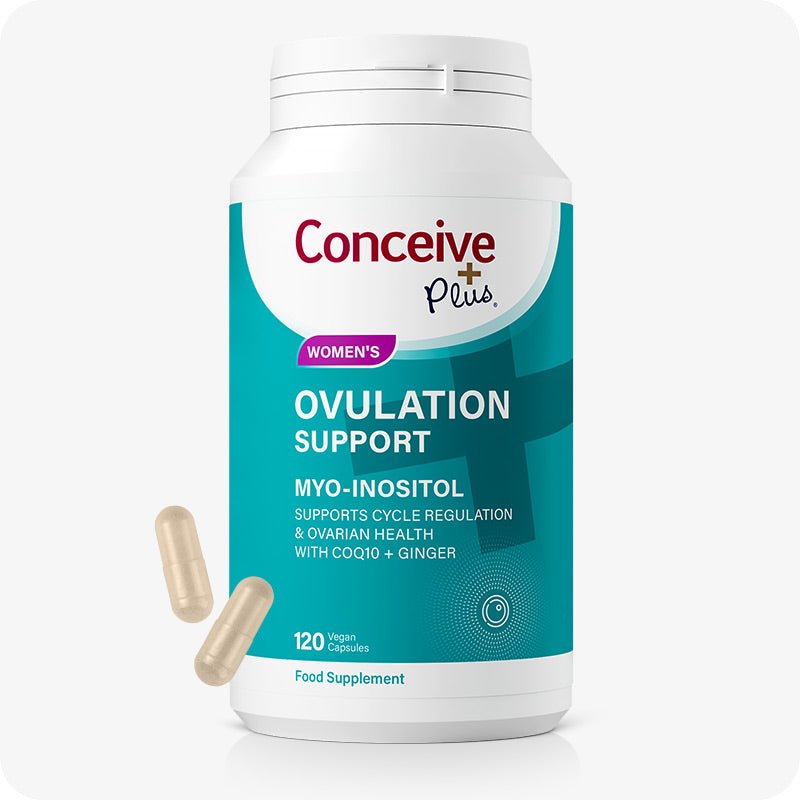
Our fertility supplements combine Myo-Inositol with essential vitamins to support healthy hormone balance and regular ovulation.
Shop Now — $36.00✓ Free shipping available | ✓ Trusted by millions of couples worldwide
What About being Underweight?
A Harvard researcher, Professor Rose Frish has conducted a range of studies showing how under nutrition and intense physical activity can have a limiting effect on female fertility. Women who have too little body fat, because of over dieting and/or intensive physical activity show a disruption or impairment of their reproductive ability (see 2) . If you are too lean, gaining 2-5kg can sometimes be enough to restart ovulation and menstrual periods. 1. Jensen, T. Fertility and Sterility, October 2004; vol 82: pp 863-870. Ryley, S. "Influence of body mass index (BMI) on the outcome of 6,827 IVF cycles," presented at the annual meeting of the American Society for Reproductive Medicine, Philadelphia, Oct. 16-20, 2004. 2. Rose E. Frisch Associate Professor of Population Sciences, Emerita Member, Harvard Center for Population and Development Studies Department of Population and International HealthPregnancy tips to help you conceive
The time to start working toward a healthy pregnancy is before you conceive. If you are trying to get pregnant quick, our pregnancy tips are good start to get your body ready for conception process.What is Conceive Plus
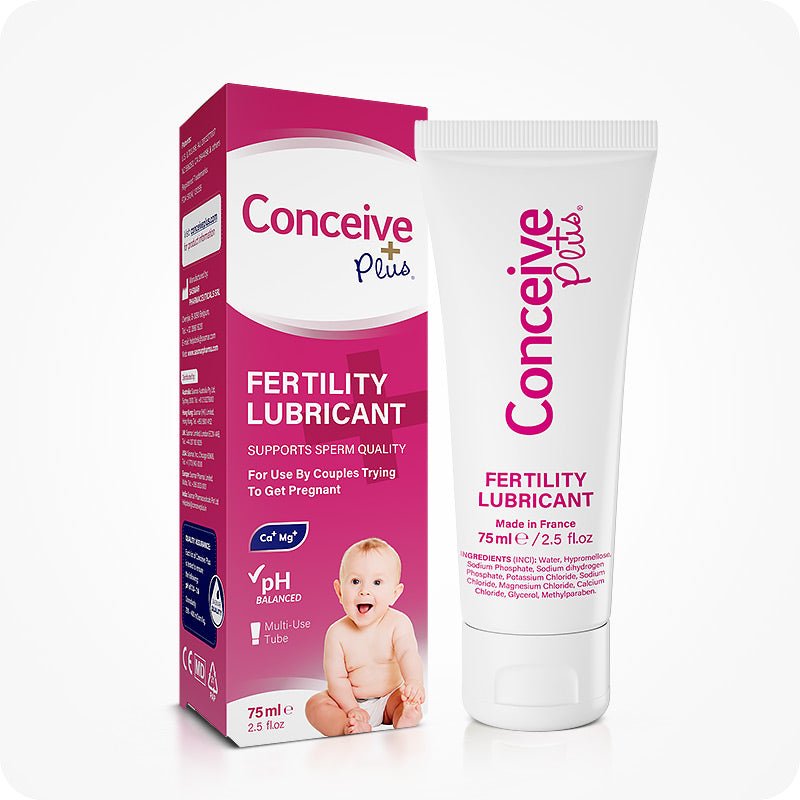
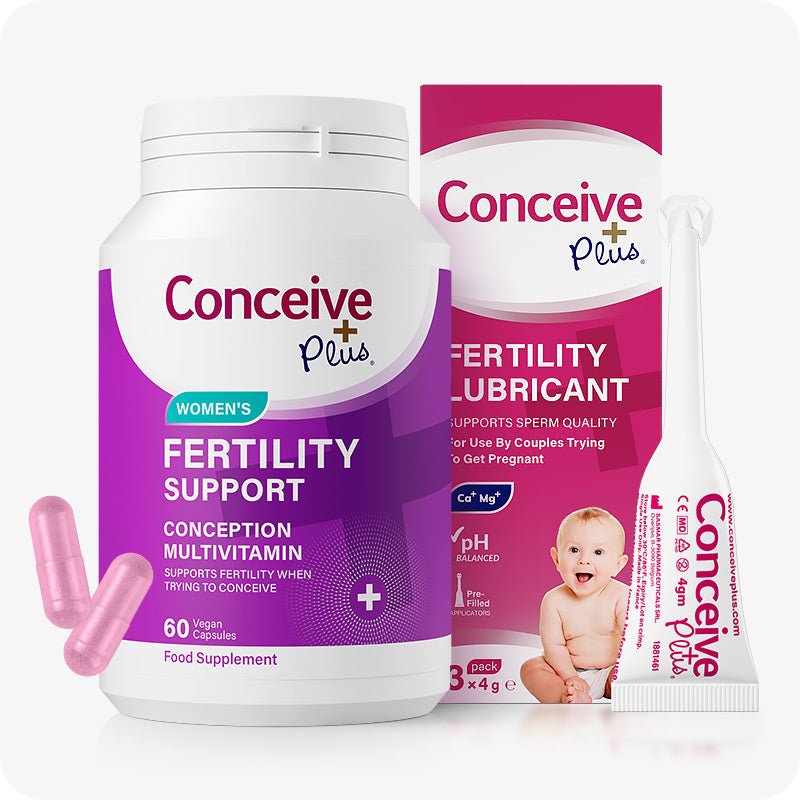
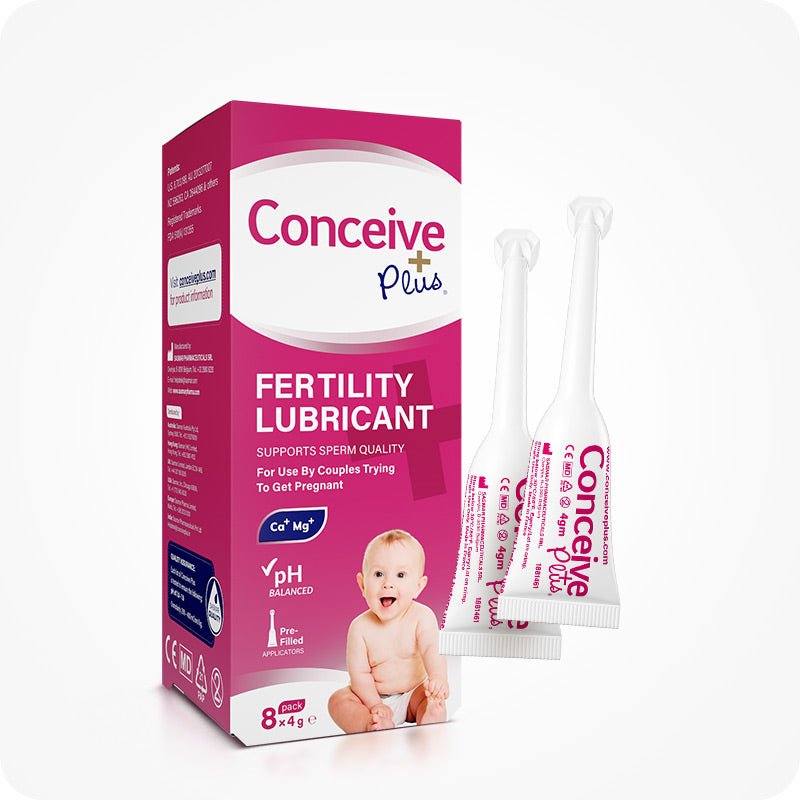
If you have just started trying to get pregnant or have been trying for a while, Conceive Plus® can help increase your chances of conception naturally! Recommended by doctors, pharmacists and fertility clinics in more than 60 countries, this is the fertility friendly lubricant approved by the FDA and a prescription is not required. For where to buy Conceive Plus, visit our where to buy page🌱 Support Your Fertility Journey
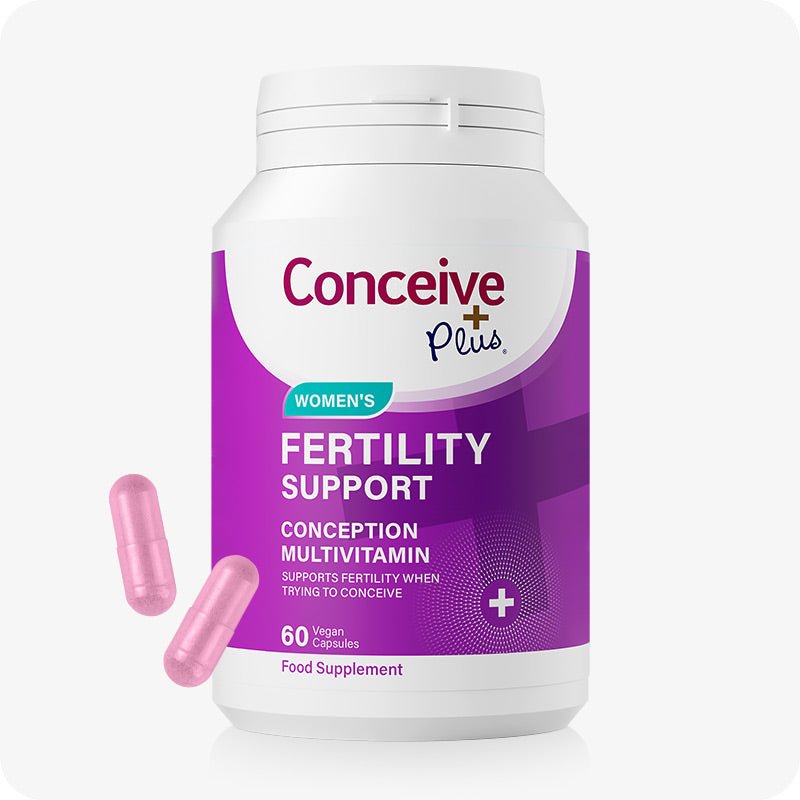
Conceive Plus fertility supplements are clinically formulated to help regulate your cycle and support egg quality.
Shop Fertility Support →Frequently Asked Questions
Recommended by Fertility Experts
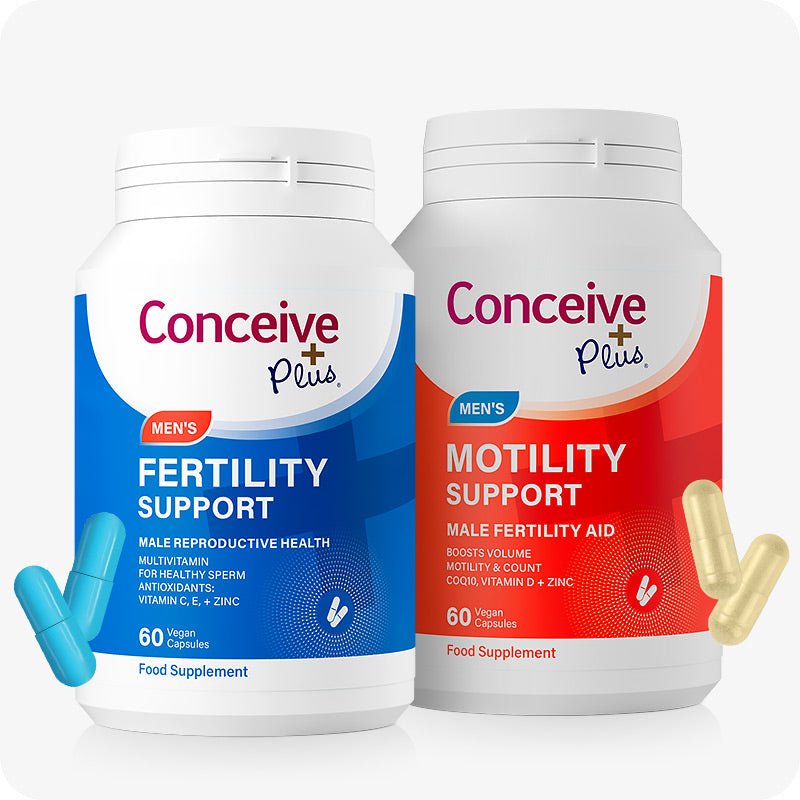
Conceive Plus Men's Fertility Support
Designed to support healthy sperm production, motility, and overall male reproductive health with clinically studied nutrients.
Shop Now →What is considered a healthy BMI for conception in the UK?
According to NHS guidance, a healthy BMI for conception falls between 18.5 and 24.9. Both underweight (BMI below 18.5) and overweight (BMI 25 or above) categories can negatively impact fertility in both men and women. If you're concerned about your BMI, your GP can provide personalised advice and support through the NHS.
How much weight do I need to lose to improve my fertility?
Research shows that losing just 5-10% of your current body weight can significantly improve ovulation and fertility outcomes. This modest reduction can enhance your chances of conception, particularly if you have a BMI over 25. Your GP or an NHS-registered dietitian can help you create a safe, sustainable weight loss plan.
Does being underweight affect female fertility?
Yes, being significantly underweight (BMI below 18.5) can impair female fertility by disrupting hormonal balance and ovulation cycles. Research by Harvard scientists has shown that under-nutrition and excessive exercise can limit fertility due to insufficient body fat. If you're concerned about being underweight, discuss this with your GP who may refer you to specialist support.
Can obesity affect IVF success rates in the UK?
Yes, studies show that obesity (BMI 30 or above) is associated with lower IVF success rates. Research found that women with a BMI over 35 had a 13% success rate compared to 19% among women of healthy weight. The Human Fertilisation and Embryology Authority (HFEA) recommends discussing your BMI with your fertility clinic before starting treatment.
Does a man's weight affect sperm count and fertility?
Yes, male obesity has been linked to lower sperm counts and reduced fertility compared to men of normal weight. Research involving over 5,000 men found a clear correlation between obesity and sperm quality. If you're trying to conceive, your GP can advise both partners on healthy weight ranges to optimise fertility.
How does BMI affect pregnancy complications?
Being overweight or obese before pregnancy increases the risk of gestational diabetes, pre-eclampsia, and other pregnancy complications, according to NHS guidelines. An elevated BMI can also impact your baby's health outcomes. Reaching a healthy weight before conception is one of the most important steps you can take to ensure a healthier pregnancy.
Where can I get NHS support to manage my weight for conception?
Your GP is your first port of call and can refer you to NHS weight management programmes, dietitians, or specialist fertility services on the NHS. Many areas offer free weight loss support through local health services, and your fertility clinic may also provide guidance. You can also use the NHS BMI calculator on the NHS website to track your progress.
Trusted by Couples in Over 70 Countries
Support Male Fertility From the Inside Out
Male fertility is just as important as female fertility in the conception journey. Conceive Plus Men's range delivers targeted nutritional support to promote healthy sperm and overall reproductive wellbeing.
Shop Men's Range →