How to Track Ovulation Accurately: The Complete UK Guide for 2026


How to Track Ovulation Accurately: The Complete UK Guide for 2026
Tracking ovulation is one of the most powerful things you can do when trying to conceive. Understanding your fertile window — the 5–6 days each cycle when pregnancy is possible — dramatically increases your chances of conceiving naturally. This comprehensive guide covers every method of ovulation tracking, what the research says, and how Conceive Plus supports your journey at every stage.
Why Ovulation Tracking Matters
The fertile window is shorter than most people realise. An egg survives for just 12–24 hours after release. Sperm can survive in the female reproductive tract for up to 5 days — but the optimal conception window is typically the 2–3 days leading up to and including ovulation day.
Studies show that only 30% of women have ovulation occurring between days 10–17 of their cycle — the traditional fertile window calculation. The remaining 70% ovulate outside this range, meaning cycle-counting alone misses the mark for most women.
A 2018 study in the British Journal of Obstetrics and Gynaecology found that women who used ovulation prediction methods had conception rates 20–30% higher than those relying on calendar methods alone.
Method 1: Ovulation Predictor Kits (OPKs)
Ready to Support Your Fertility Journey?
Conceive Plus products are trusted by thousands of couples worldwide and clinically formulated with the nutrients that matter most.
Shop Conceive Plus Now →OPKs detect the surge in luteinising hormone (LH) that triggers ovulation 24–36 hours later. They're available in every UK pharmacy and are one of the most reliable at-home methods.
How to Use OPKs Effectively
- Begin testing from Day 10 of a 28-day cycle (earlier for shorter cycles)
- Test at the same time each day — afternoon (2–4pm) is optimal
- Avoid excessive fluid intake before testing
- A positive result shows a test line as dark as or darker than the control line
Method 2: Basal Body Temperature (BBT) Charting
Basal body temperature rises by approximately 0.2–0.4°C after ovulation due to the thermogenic effects of progesterone. BBT charting is a retrospective method — it confirms that ovulation has occurred rather than predicting it.
BBT Charting Protocol
- Take temperature immediately upon waking, before any movement
- Use a basal thermometer (reads to 0.1°C precision)
- Record in a chart or app — patterns emerge over 2–3 cycles
Method 3: Cervical Mucus Monitoring
Cervical mucus changes predictably throughout your cycle under the influence of oestrogen and progesterone.
CM Progression Through the Cycle
- Post-period: Dry or minimal discharge
- Pre-ovulation: Sticky, white/creamy — not fertile
- Approaching ovulation: Watery, translucent — becoming fertile
- Peak fertility: Raw egg-white consistency — stretchy, clear, slippery
- Post-ovulation: Drying up, becoming opaque and thick
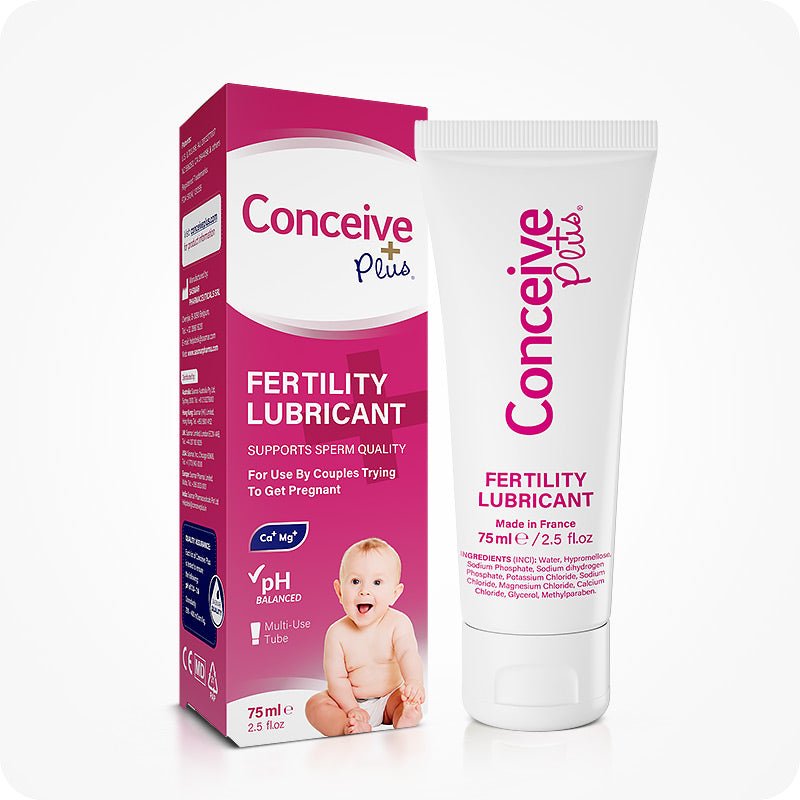
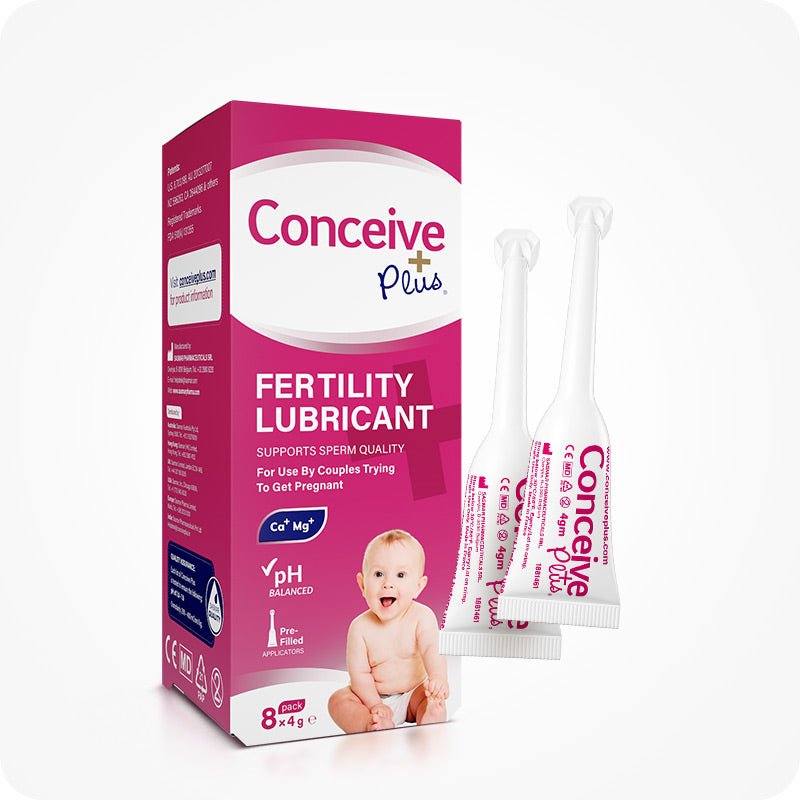
Egg-white cervical mucus (EWCM) signals the body is optimised for sperm transport. When natural EWCM is insufficient, Conceive Plus Fertility Lubricant preserves sperm motility as a pH-balanced, ion-enriched alternative.
Method 4: Wearable Fertility Monitors
Wearable devices like Ava, Tempdrop, and Apple Watch use multiple physiological signals to predict and confirm ovulation continuously. A 2020 study found that Ava detected 91% of ovulations in a clinical trial when used correctly.
Method 5: Advanced Fertility Monitors
Devices like Clearblue Advanced Digital Fertility Monitor track both LH and estrogen to identify up to 6 days of fertility per cycle — particularly useful for women with irregular cycles or those over 35.
Understanding Ovulation Irregularities
Approximately 1 in 5 cycles in women with regular periods may be anovulatory, and this increases with age and stress. Key signs of potential ovulation issues include no LH surge detected across multiple cycles, no BBT rise mid-cycle, absent or minimal cervical mucus, and cycles consistently shorter than 21 or longer than 35 days.
Ovulation Support Supplements: What the Evidence Shows
For women with irregular ovulation or PCOS, specific supplements have clinical evidence for supporting regular ovulation:
- Myo-inositol: The most studied supplement for PCOS-related ovulation issues — 4g/day significantly improves ovulation frequency
- D-chiro-inositol: Combined with myo-inositol in a 40:1 ratio for optimal PCOS support
- Vitamin D: Deficiency is associated with anovulation
- CoQ10: Supports egg quality and mitochondrial function in maturing follicles
- Methylfolate: Essential for follicular development and early embryo DNA integrity
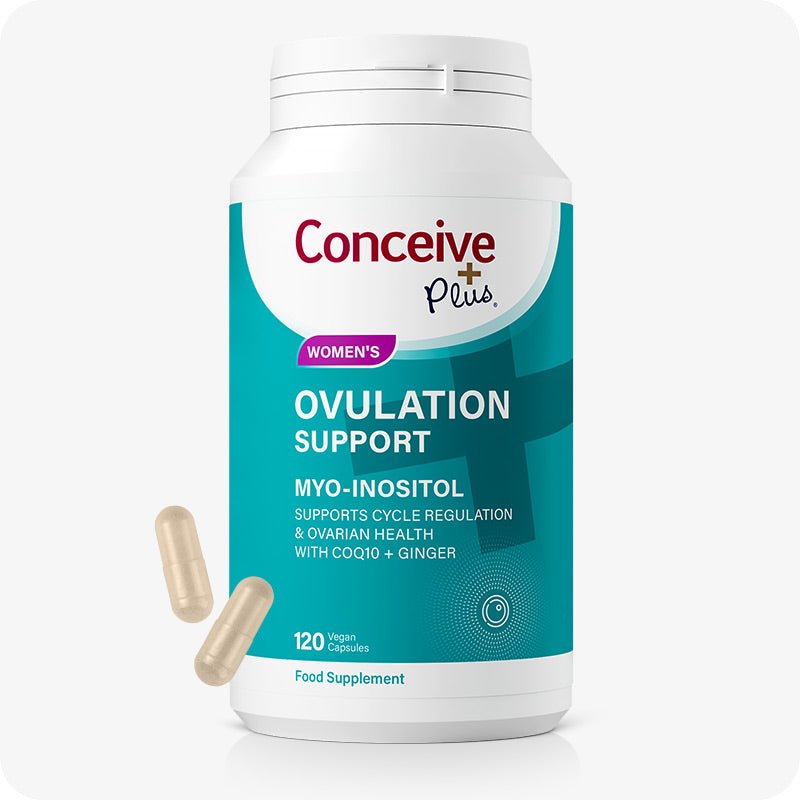
Conceive Plus Women's Ovulation Support combines myo-inositol and D-chiro-inositol in the clinically validated 40:1 ratio, alongside vitamins D3, folate, and CoQ10.
Timing Intercourse for Maximum Conception Odds
- Optimal: Day before ovulation (Day LH surge +1) — highest conception probability
- Very good: 2 days before ovulation
- Good: Day of ovulation
- Minimal chance: Day after ovulation (egg already degenerating)
Aim for intercourse every 1–2 days during your fertile window rather than timed single attempts, which increases stress and can reduce frequency.
When to Seek Medical Advice
UK NICE guidelines recommend seeking GP advice if you have not conceived after:
- Under 35: 1 year of regular unprotected intercourse with confirmed ovulation
- 35–39: 6 months of regular unprotected intercourse
- 40+: Seek advice without delay
- Any age: If you have known conditions (PCOS, endometriosis) or irregular/absent periods
Frequently Asked Questions: Ovulation Tracking
What is the most accurate way to track ovulation?
Combining OPKs with BBT charting and cervical mucus observation gives the most complete at-home picture. Advanced fertility monitors tracking both LH and estrogen are the single most comprehensive device.
Can you ovulate without a positive OPK?
Yes — LH surges can be brief (less than 10 hours) and missed by once-daily testing. Testing twice daily (morning and afternoon) during your expected fertile window reduces missed surges significantly.
Does stress affect ovulation?
Yes. High cortisol from chronic stress can delay or prevent ovulation by suppressing GnRH pulsatility.
How do I know if I've ovulated?
The most reliable combination: positive OPK followed by a sustained BBT rise within 24–48 hours, alongside drying of fertile-quality cervical mucus. Transvaginal ultrasound (follicle tracking) is the gold standard.
Can I track ovulation with an irregular cycle?
Yes, but calendar methods don't work. OPKs (starting early and testing until surge detected) and wearable monitors are most effective for irregular cycles.
What does it mean if my LH is always high?
Persistently high LH without a surge can indicate PCOS. Digital monitors may be more reliable than standard strips for PCOS patients.
Does caffeine affect ovulation?
High caffeine intake (>500mg/day) may delay ovulation. UK fertility guidelines suggest limiting to 200mg/day.
How soon after stopping the pill will I ovulate?
Most women ovulate within 2–3 cycles of stopping hormonal contraception, though some experience a delay of 3–6 months.
Is it possible to have EWCM but not ovulate?
Yes — oestrogen can produce EWCM even in anovulatory cycles. Always confirm with OPKs or BBT to verify actual ovulation.
Should I take ovulation support supplements while tracking?
Yes. Supplements like Conceive Plus Women's Ovulation Support (myo-inositol, D-chiro-inositol, CoQ10, folate) support the quality of ovulation itself — improving egg quality and hormonal balance alongside your tracking efforts.
Ready to Support Your Fertility Journey?
Conceive Plus products are trusted by thousands of couples worldwide and clinically formulated with the nutrients that matter most.
Shop Conceive Plus Now →