Infertility Treatments Linked to Poor Birth Outcomes



✨ Trying to Conceive?
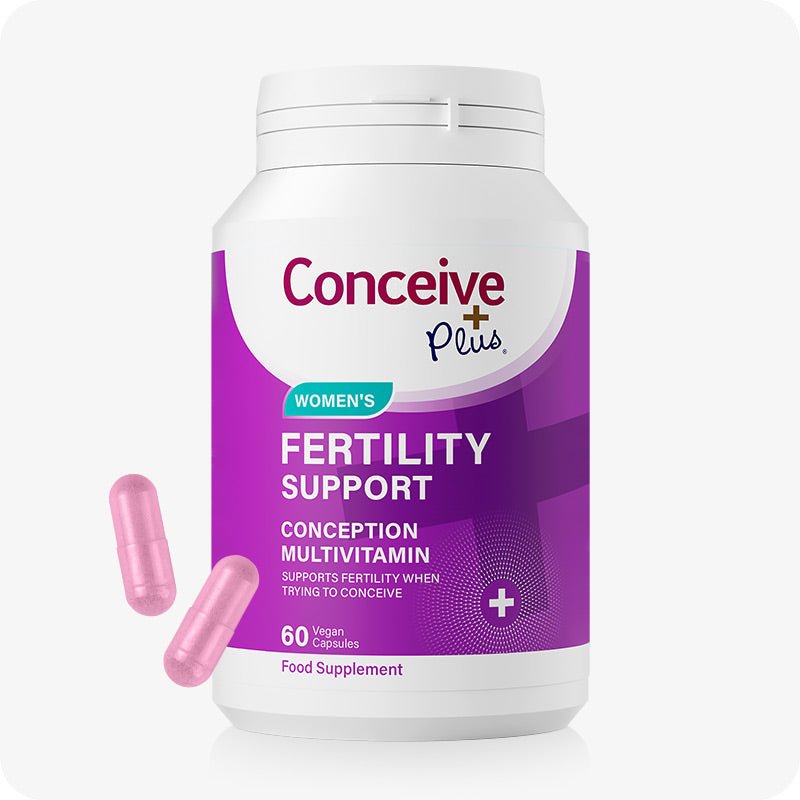
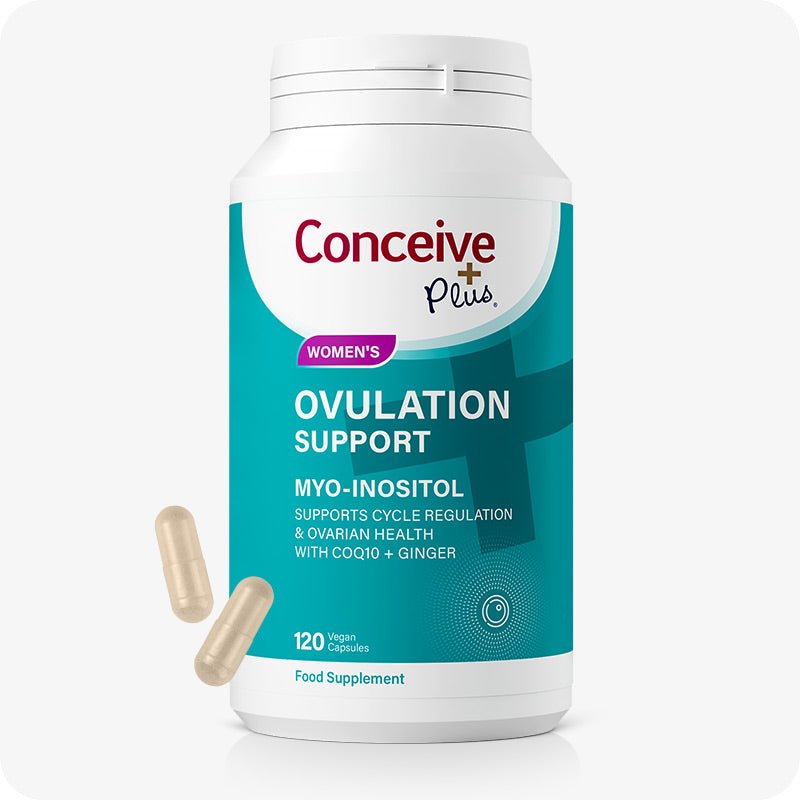
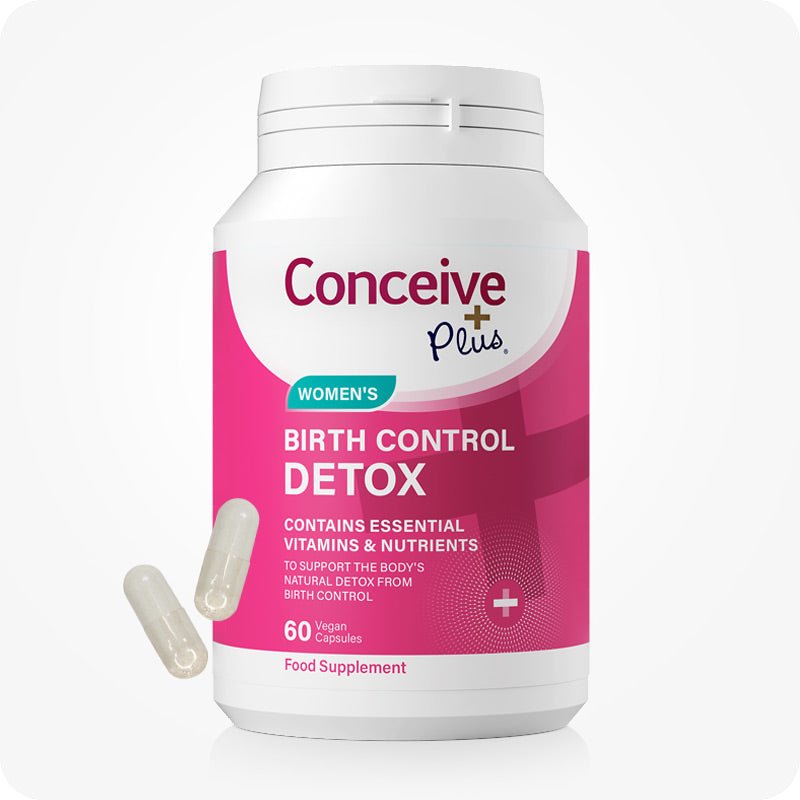
Our fertility supplements combine Myo-Inositol with essential vitamins to support healthy hormone balance and regular ovulation.
Shop Now — $36.00✓ Free shipping available | ✓ Trusted by millions of couples worldwide
🌱 Support Your Fertility Journey
Conceive Plus fertility supplements are clinically formulated to help regulate your cycle and support egg quality.
Shop Fertility Support →Frequently Asked Questions
Recommended by Fertility Experts
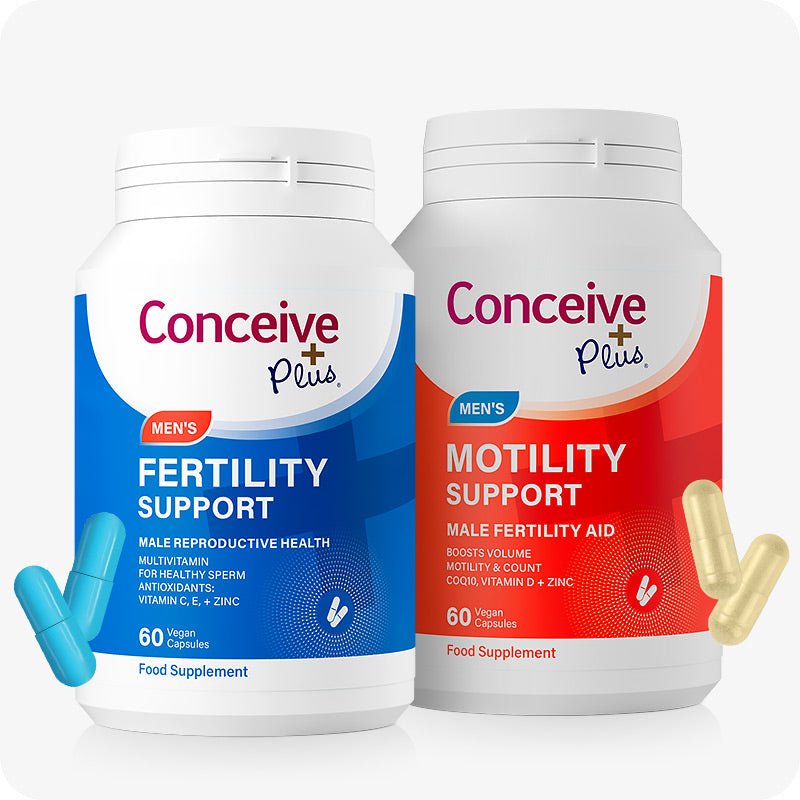
Conceive Plus Men's Fertility Support
Designed to support healthy sperm production, motility, and overall male reproductive health with clinically studied nutrients.
Shop Now →Are IVF babies more likely to have health problems at birth?
Research suggests that babies conceived through fertility treatments may have a slightly higher risk of certain birth outcomes such as low birth weight or preterm delivery. However, experts believe this may be linked to underlying fertility issues rather than the treatments themselves. The HFEA monitors UK fertility clinic success rates and safety outcomes to help you make informed decisions about your treatment options.
Is frozen embryo transfer safer than fresh embryo transfer?
Some studies, including recent Australian research, suggest that using frozen embryos during ICSI treatment may help reduce the risk of certain complications compared to fresh embryo transfers. Your fertility clinic will discuss which approach is most suitable for your individual circumstances, as recommendations can vary based on your specific situation and medical history.
Does infertility itself cause pregnancy complications?
Research indicates that underlying fertility issues may contribute to adverse birth outcomes, even when conception eventually occurs naturally. One study found that women with fertility difficulties who conceived without assisted reproduction still experienced higher rates of complications. This suggests the fertility condition itself, rather than just the treatment, may play a significant role in birth outcomes.
How can I reduce risks during fertility treatment in the UK?
Choosing an HFEA-licensed clinic is essential, as they must meet strict safety and quality standards. NICE guidelines recommend single embryo transfer where appropriate to reduce the risk of multiple pregnancies, which carry higher risks. Maintaining a healthy lifestyle, taking folic acid supplements, and attending all monitoring appointments can also help support a healthier pregnancy.
Should I be worried about having IVF on the NHS?
Fertility treatment on the NHS follows the same rigorous HFEA standards as private clinics, so the quality of care is closely regulated. Around 1 in 7 UK couples experience fertility issues, and NHS fertility services are experienced in supporting patients through treatment safely. Discuss any concerns about risks with your fertility specialist, who can explain how your individual circumstances may affect outcomes.
What does the HFEA say about fertility treatment risks?
The HFEA requires all licensed UK fertility clinics to provide patients with clear information about the risks and success rates of treatments. They publish clinic-by-clinic data so you can compare outcomes and make informed choices. The HFEA also sets guidelines to minimise risks, such as recommending single embryo transfer to reduce multiple pregnancy rates.
Are ICSI babies at higher risk than IVF babies?
Some research suggests slight differences in outcomes between various fertility treatments, but results vary between studies. The Australian study mentioned found that using frozen embryos with ICSI may help reduce certain risks. Your fertility consultant can advise whether IVF or ICSI is more appropriate for your situation based on NICE guidelines and your specific fertility diagnosis.
Trusted by Couples in Over 70 Countries
Support Male Fertility From the Inside Out
Male fertility is just as important as female fertility in the conception journey. Conceive Plus Men's range delivers targeted nutritional support to promote healthy sperm and overall reproductive wellbeing.
Shop Men's Range →