Ovulation Tracking: The Complete Guide to Finding Your Fertile Window


Ovulation Tracking: The Complete Guide to Finding Your Fertile Window
Understanding your ovulation cycle is one of the most empowering things you can do when you're trying to conceive. Ovulation tracking transforms the guesswork of timing intercourse into a science-backed strategy — and for many couples, it's the single most effective step they can take before pursuing medical fertility treatments. Whether you've just started trying or have been on your TTC (trying to conceive) journey for a while, this guide will give you everything you need to track ovulation confidently and accurately.
At Conceive Plus, we've supported thousands of women across the UK on their fertility journeys. From our research-backed supplements to our educational resources, we're committed to helping you understand your body and optimise your chances of conception.
Why Ovulation Tracking Matters for Conception
The fertile window is surprisingly short. Once an egg is released at ovulation, it's viable for fertilisation for just 12–24 hours. Sperm, however, can survive in the female reproductive tract for up to 5 days in the right conditions — particularly in the presence of fertile-quality cervical mucus. This means your fertile window is approximately 5–6 days per cycle: the 5 days before ovulation plus the day of ovulation itself.
If you're having unprotected sex randomly throughout the month without tracking ovulation, you have roughly a 25–30% chance of having sex during that window on any given cycle — and that's assuming regular ovulation. By tracking ovulation, you dramatically improve your odds of timing intercourse during that critical window. Research shows that couples who time intercourse to the fertile window have conception rates up to 50% higher per cycle than those who don't.
Tracking also provides invaluable information about your cycle health. Irregular LH surges, absent cervical mucus, or inconsistent BBT patterns can all indicate hormonal issues that might benefit from medical attention or nutritional support — including supplementation with Conceive Plus.
Method 1: Ovulation Predictor Kits (OPKs)
Ready to support your fertility naturally?
Conceive Plus fertility supplements are trusted by healthcare providers worldwide. Start your journey today.
Shop Conceive Plus Supplements →Ovulation predictor kits are one of the most popular and reliable methods of ovulation tracking. They work by detecting the surge in luteinising hormone (LH) that occurs 24–36 hours before ovulation, giving you advance notice of your fertile window.
How OPKs Work
LH is present in urine throughout the month at low levels, but surges sharply — typically by 100–300% — in the 24–36 hours preceding ovulation. Standard OPKs compare your LH level to a threshold line; a positive test (test line as dark or darker than the control line) indicates your surge has begun.
Types of OPKs
- Standard strip OPKs — the most affordable option; require interpretation of line darkness
- Digital OPKs — display a clear smiley face or words; easier to read but more expensive
- Advanced digital OPKs (e.g. Clearblue Advanced) — detect both oestrogen and LH, identifying both "high fertility" days and "peak fertility" days; the most comprehensive and informative
- Reusable smart OPKs (e.g. Mira) — track actual hormone concentrations over time, generating personalised data about your hormonal pattern
Tips for Accurate OPK Results
- Begin testing on day 9–10 of your cycle (day 1 = first day of period) if your cycle is around 28 days; adjust earlier or later for shorter or longer cycles
- Test at the same time each day — late morning (10am–2pm) is typically best, as LH is produced overnight and reaches urine a few hours later
- Reduce fluid intake for 2 hours before testing to avoid diluting your sample
- Test twice daily (morning and midday/afternoon) to catch a surge that might be missed by once-daily testing
- With PCOS: your LH may be chronically elevated, making OPK interpretation more difficult; consider monitoring with a fertility specialist or using hormone-tracking devices that show concentration data
Method 2: Basal Body Temperature (BBT) Charting
Basal body temperature charting is one of the oldest methods of ovulation tracking and remains highly informative when done correctly. After ovulation, the hormone progesterone causes a sustained rise in resting body temperature of approximately 0.2°C (0.4°F). This temperature shift confirms that ovulation has occurred.
How to Chart BBT
- Take your temperature every morning before getting out of bed, after at least 3–4 consecutive hours of sleep
- Use a basal thermometer (reads to two decimal places in Celsius, e.g. 36.48°C)
- Take the temperature at the same time each day — variations of more than 30 minutes can affect readings
- Record in an app (Fertility Friend, Natural Cycles) or paper chart
- Look for the thermal shift — three consecutive temperatures higher than the previous six readings indicates ovulation has occurred
Limitations of BBT
BBT confirms ovulation after the fact — it doesn't predict it in advance. For this reason, BBT charting is most useful when combined with OPKs or cervical mucus monitoring to give both predictive and confirmatory data. BBT can also be affected by illness, alcohol, travel, disrupted sleep, and shift work.
Method 3: Cervical Mucus Monitoring
Cervical mucus changes throughout the menstrual cycle in response to oestrogen and progesterone. These changes are natural, reliable indicators of where you are in your cycle — and in particular, of your fertile window.
The Fertility-Mucus Pattern
- Post-period (days 5–7): Dry or minimal discharge
- Pre-ovulatory (days 8–11): Sticky, thick, white or cloudy discharge
- Approaching ovulation (days 12–14): Creamy, lotion-like discharge
- Peak fertility (day of and just before ovulation): Clear, stretchy, slippery mucus resembling raw egg whites (EWCM)
- Post-ovulation: Returns to sticky/thick, then dry before the next period
The "egg white" cervical mucus (EWCM) phase is your most fertile time. This mucus forms channels that facilitate sperm transport and survival, extending the fertile window. The presence of EWCM is associated with significantly higher pregnancy rates per cycle.
How to Check Cervical Mucus
Check cervical mucus once or twice daily before intercourse (or urination). You can observe it on toilet paper, underwear, or by inserting clean fingers into the vagina. The "stretch" test — pinching mucus between thumb and finger and pulling apart — helps identify EWCM by its characteristic elasticity (it should stretch at least 2–3 cm without breaking).
Method 4: Cycle Tracking Apps
Period and fertility tracking apps have become increasingly sophisticated. Apps use algorithm-based predictions of ovulation based on cycle history, and some integrate data from connected OPKs, BBT thermometers, and wearable devices.
Popular apps for ovulation tracking in the UK include:
- Natural Cycles — FDA-cleared and CE-marked, integrates BBT data
- Clue — strong cycle tracking with research-based features
- Ovia Fertility — tailored for TTC users with health logging
- Fertility Friend — detailed charting with community support and chart analysis tools
- Premom — integrates with Easy@Home OPKs for quantitative LH tracking
Apps are excellent for trend tracking, cycle length patterns, and integrating multiple data sources — but algorithms alone should not replace the direct signals from OPKs, BBT, and cervical mucus monitoring.
Method 5: Ultrasound Follicle Tracking
For women working with fertility clinics or reproductive endocrinologists, ultrasound follicle tracking (also called follicular monitoring) offers the most precise method of ovulation confirmation. Transvaginal ultrasound can directly visualise growing follicles and confirm ovulation once a follicle collapses, indicating egg release.
Follicle tracking is typically used in conjunction with fertility treatments (IUI, IVF, or medicated cycles), but it can also be a diagnostic tool for women who aren't getting clear signals from home methods, or who suspect ovulation irregularities.
Combining Methods for the Best Results
The most accurate ovulation tracking approach uses multiple methods together. Here's a practical combination strategy for most women with regular cycles:
- Primary method: OPKs starting from cycle day 9–10, testing twice daily
- Confirmatory method: BBT charting to confirm ovulation occurred
- Supporting method: Cervical mucus monitoring for additional fertile window confirmation
- Record-keeping: Log all data in a tracking app for trend analysis over time
This layered approach maximises the accuracy of your fertile window identification and helps you understand your unique cycle pattern — which can vary between cycles even in otherwise healthy women.
Optimising Your Cycle with Conceive Plus
Accurate ovulation tracking tells you when your fertile window is — but the quality of ovulation and the fertility of that window are also influenced by your overall reproductive health. Conceive Plus supplements are designed to support both.
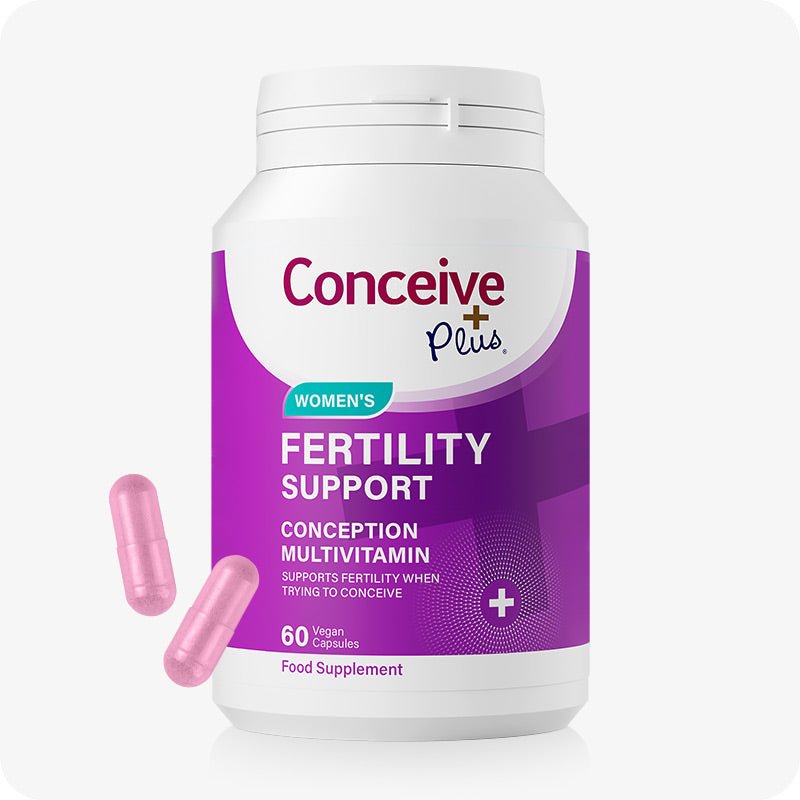
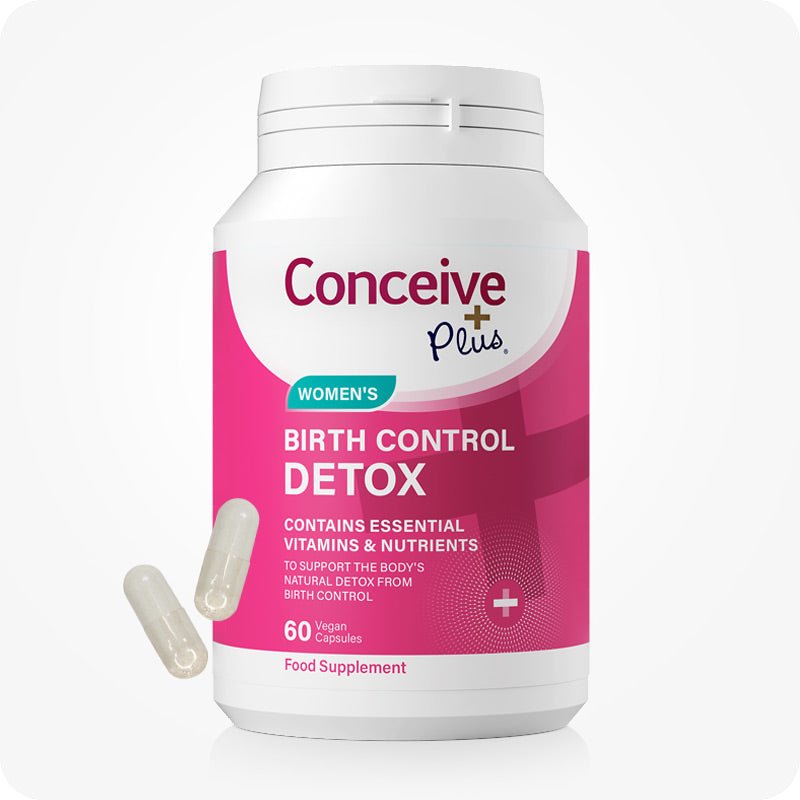
Conceive Plus women's fertility supplements support hormonal balance, egg quality, and regular ovulatory cycles through evidence-based ingredients including myo-inositol, methylfolate, CoQ10, and vitamin D. When you combine effective ovulation tracking with comprehensive nutritional support, you give yourself the best possible chance of conception in each cycle.
Discover Conceive Plus fertility supplements for UK women →
Common Ovulation Tracking Mistakes to Avoid
Even with the best intentions, certain common mistakes can undermine your ovulation tracking efforts:
- Starting OPK testing too late: If you don't start until after your LH surge has peaked, you may miss the positive altogether. Start testing earlier than you think you need to.
- Testing only once a day: LH surges can be short-lived (as brief as 12 hours in some women). Twice-daily testing catches more surges.
- Ignoring cycle length variation: If your cycle is sometimes 26 days and sometimes 32 days, adjust your OPK start day accordingly — earlier for shorter cycles.
- Dismissing "almost positive" results: If your OPK shows a nearly dark line, you may be approaching your surge. Increase frequency of testing.
- Over-relying on app predictions: Apps predict based on historical data. If your cycle is irregular, app predictions may be consistently off. Use OPKs rather than relying solely on predicted ovulation dates.
- Not accounting for PCOS: Women with PCOS may have chronic LH elevation making standard OPKs harder to interpret. Consider advanced digital OPKs or hormone-tracking devices.
Tracking Ovulation After Stopping Contraception
One of the most common questions from women in the UK is: how long after stopping the pill will my ovulation return to normal? The answer varies, but most women resume ovulation within 1–3 months of stopping hormonal contraception. For some, it may take longer, particularly after injectable contraceptives like Depo-Provera.
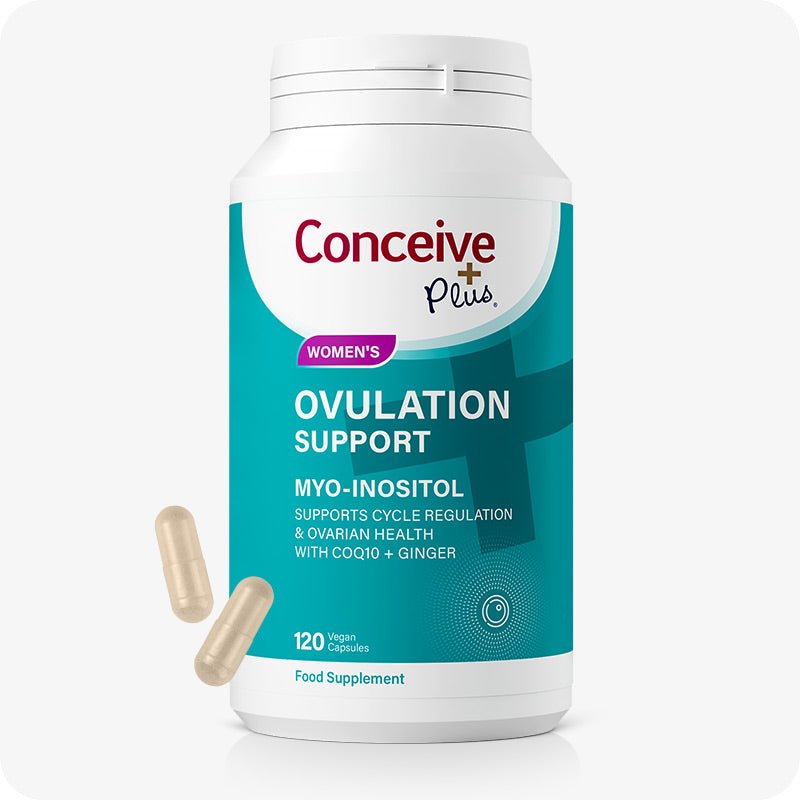
If your cycles haven't regulated within 3 months of stopping contraception and you're actively trying to conceive, it's worth speaking with your GP. In the meantime, starting an ovulation support supplement — particularly one containing myo-inositol and B vitamins — may help support a faster return to regular cycles.
Frequently Asked Questions: Ovulation Tracking
1. How do I know if I'm ovulating?
The most reliable signs of ovulation include: a positive OPK (LH surge), a sustained rise in basal body temperature, and the presence of egg-white cervical mucus. Combining all three gives you the most complete picture.
2. Can I ovulate without a period?
Yes — ovulation precedes menstruation by 12–16 days, so you can ovulate (and potentially conceive) even before your period returns after stopping contraception or during breastfeeding.
3. What if I get multiple positive OPKs in one cycle?
Some women experience more than one LH surge in a cycle — particularly with PCOS — but typically only one ovulation occurs. The first positive OPK is most relevant. Tracking cervical mucus and BBT can help confirm when actual ovulation occurred.
4. Can I conceive without tracking ovulation?
Yes, many couples conceive without actively tracking. However, for couples who've been trying for several months without success, or who have irregular cycles, ovulation tracking significantly increases the odds of timing intercourse correctly.
5. My OPK was positive yesterday but negative today — did I miss ovulation?
Probably not. A positive OPK followed by a negative indicates the LH surge has passed. Ovulation typically occurs within 24–36 hours of the surge beginning. Have intercourse on the day of the first positive OPK and for 1–2 days after.
6. Does Conceive Plus help with ovulation?
Conceive Plus women's fertility supplements contain ingredients — including myo-inositol, CoQ10, methylfolate, and vitamin D — that have been shown to support regular ovulation, improve egg quality, and support hormonal balance. They're designed to complement ovulation tracking by optimising the quality of each cycle.
7. Should I have sex before or after the positive OPK?
Both. Have intercourse on the day of the positive OPK and for 1–2 days after. Sperm can survive in the reproductive tract for up to 5 days, so having sex before the surge can also be effective. Aiming for every other day throughout the fertile window is a widely recommended approach.
8. Does stress affect ovulation?
Yes. Chronic stress elevates cortisol, which can suppress the hormonal cascade responsible for triggering ovulation. This can result in delayed ovulation, shorter luteal phases, or in severe cases, anovulation. Managing stress through lifestyle changes and mind-body practices can help support more regular ovulation.
9. What is the fertile window?
The fertile window is the period during each cycle when conception is possible. It spans approximately 5 days before ovulation plus the day of ovulation — 6 days total. The most fertile days are the 2 days before ovulation and the day of ovulation itself.
10. Can supplements improve my fertile window?
Supplements don't directly extend the fertile window, but they can improve the quality of ovulation and the fertility of that window — through improved egg quality, better cervical mucus production, and more regular, predictable ovulation timing. Conceive Plus supplements are designed to support all of these aspects of reproductive health.
Conclusion: Track, Optimise, and Conceive
Ovulation tracking is one of the most powerful, low-cost tools available to couples trying to conceive. By combining OPKs, BBT charting, and cervical mucus monitoring — and recording everything in a tracking app — you build a detailed, personalised picture of your cycle that takes the guesswork out of timing.
Pair your tracking with the comprehensive nutritional support of Conceive Plus to ensure that when your fertile window arrives, your body is in the best possible condition to achieve conception. Together, these two strategies — informed timing and targeted nutritional support — form the foundation of a smart, evidence-based approach to fertility.
Ready to take the next step? Explore Conceive Plus women's fertility supplements → and start optimising your cycle from the inside out.
Ovulation Tracking and Conceive Plus: A Powerful Partnership
Knowing when you ovulate is essential — but ensuring that ovulation is healthy, regular, and producing the best quality eggs is equally important. This is where nutritional support through Conceive Plus comes in. Even women with textbook-regular cycles benefit from supplementation that supports the hormonal balance and egg quality that underpin each fertile window.
The most effective fertility approach combines the precision of ovulation tracking with the comprehensive nutritional foundation that Conceive Plus provides. When you track ovulation, you know when to try to conceive. When you take Conceive Plus, you're ensuring that each ovulation is supported by optimal levels of folate, inositol, CoQ10, and vitamin D — the nutrients most closely linked to healthy ovulation and egg quality in the clinical literature.
Here's a practical monthly tracking and supplementation plan for UK women trying to conceive:
- Cycle days 1–8: Continue daily Conceive Plus supplementation. Review previous cycle's OPK and BBT chart. Begin testing with OPK from day 9.
- Cycle days 9–14 (approx.): Test with OPKs twice daily. Monitor cervical mucus changes daily. Record BBT every morning. Look for the LH surge.
- LH surge day + 1–2 days after: Your most fertile window. Time intercourse on surge day and the following 1–2 days. Continue daily Conceive Plus.
- Cycle days 15–28 (luteal phase): Continue BBT charting to confirm temperature shift (confirming ovulation). Continue Conceive Plus supplementation throughout. Await period or positive pregnancy test.
This structured approach, month after month, gradually builds a detailed picture of your cycle and ensures you're never missing your fertile window. Combined with the nutritional support of Conceive Plus, you're giving every cycle the best possible chance.
Dealing with a Negative Result: What to Do When Tracking Reveals Problems
Sometimes, sustained ovulation tracking reveals issues: no detectable LH surge, no temperature shift, very short luteal phases, or complete cycle irregularity. While this information can be disheartening, it is valuable — because it points you toward the right next steps.
If tracking reveals potential issues:
- No LH surge for 2+ cycles: Discuss with your GP or a fertility specialist. Request cycle day 3 and mid-luteal hormone blood tests.
- Very short luteal phase (<10 days): May indicate low progesterone; discuss with your doctor. Vitex supplementation may help support luteal phase length.
- Cycles consistently >35 days: Could indicate PCOS or thyroid issues; worth investigating with a hormone blood panel.
- Cycles consistently <21 days: May indicate diminished ovarian reserve; request AMH and FSH testing.
If everything appears normal on tracking but conception hasn't occurred after 12 months of well-timed intercourse (or 6 months if over 35), seek a referral for a full fertility investigation. Ovulation is just one part of the conception puzzle — tubal patency, uterine anatomy, and sperm quality also matter.
Ready to support your fertility naturally?
Conceive Plus fertility supplements are trusted by healthcare providers worldwide. Start your journey today.
Shop Conceive Plus Supplements →