IVF Preparation: How to Optimise Your Body Before Treatment


IVF Preparation: How to Optimise Your Body Before Treatment Begins
Beginning IVF (in vitro fertilisation) is one of the most significant decisions a couple can make on their fertility journey. While IVF success rates have improved dramatically over the past decade, the period before treatment begins — IVF preparation — remains one of the most impactful opportunities to improve outcomes that is too often overlooked.
Research consistently shows that egg quality, sperm quality, endometrial receptivity, and overall physiological health all influence IVF success — and these factors can be meaningfully improved in the 2–4 months before a cycle begins. This guide covers what you can do right now to give your treatment the best possible foundation.
Why IVF Preparation Matters: The 90-Day Window
Both egg development and sperm production follow roughly 90-day cycles. Oocytes (eggs) enter their final maturation phase approximately 90 days before ovulation; sperm take around 74 days to develop from germ cells to mature spermatozoa. This means that what you do today directly affects the eggs and sperm that will be retrieved and used in your IVF cycle — if that cycle is 3 months away.
This is why fertility specialists typically recommend beginning IVF preparation at least 3 months before the anticipated egg retrieval date. Changes made in the final days or weeks of a cycle have limited impact on egg and sperm quality, but changes made 3+ months in advance can significantly improve both.
Nutrition for IVF: Building an Egg-Friendly Diet
Ready to Start Your Fertility Journey?
Explore Conceive Plus — clinically formulated to support your path to parenthood.
Shop Now →Diet quality during IVF preparation directly influences egg quality, embryo development, and implantation success. The Mediterranean dietary pattern — rich in vegetables, legumes, whole grains, olive oil, fish, and low in processed foods and red meat — has the strongest evidence base for fertility outcomes.
Key nutritional priorities for IVF preparation:
- Folate/Methylfolate: Essential for DNA synthesis and neural tube development. The MTHFR gene variant affects 40–60% of people, impairing folic acid conversion — choose methylfolate (5-MTHF) for reliable absorption. Begin at least 3 months before cycle start.
- Omega-3 fatty acids: DHA is incorporated into oocyte cell membranes, supporting membrane fluidity and fertilisation. Studies show higher omega-3 intake correlates with improved oocyte maturation and embryo quality.
- Vitamin D: Vitamin D receptors are expressed in the ovary, endometrium, and developing follicles. Vitamin D deficiency is associated with lower clinical pregnancy rates; supplementation in deficient women improves outcomes.
- CoQ10 (Ubiquinol): Mitochondrial energy production is critical in oocyte development. CoQ10 declines with age, and supplementation (400–600mg/day) improves egg quality markers — particularly relevant for women over 35 or those with poor responder history.
- Antioxidants (C, E, Selenium): Protect developing oocytes from oxidative damage. Ovarian follicular fluid has high antioxidant demands; dietary and supplemental antioxidants support this environment.
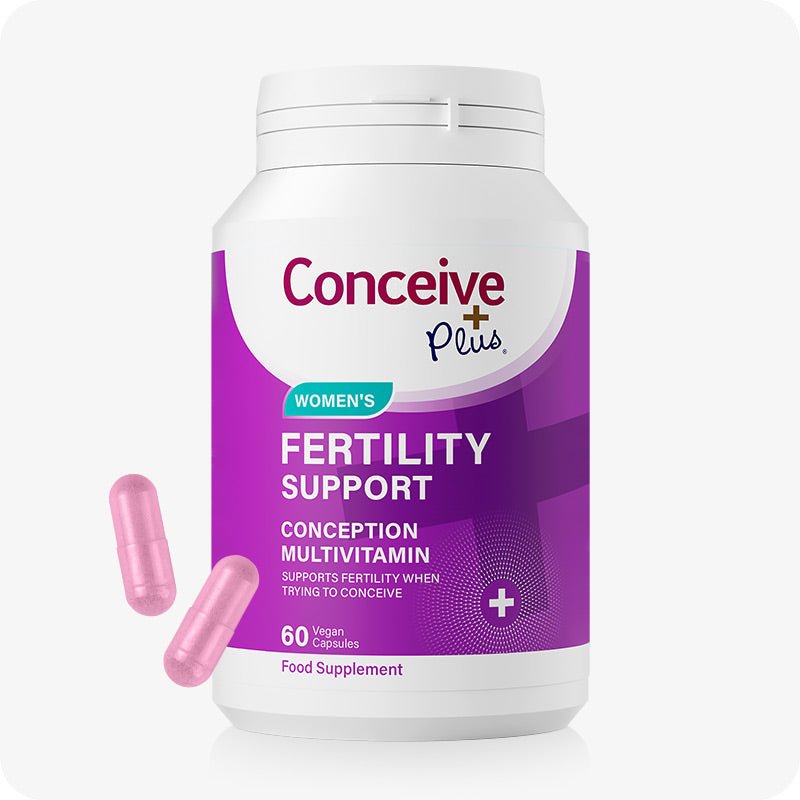
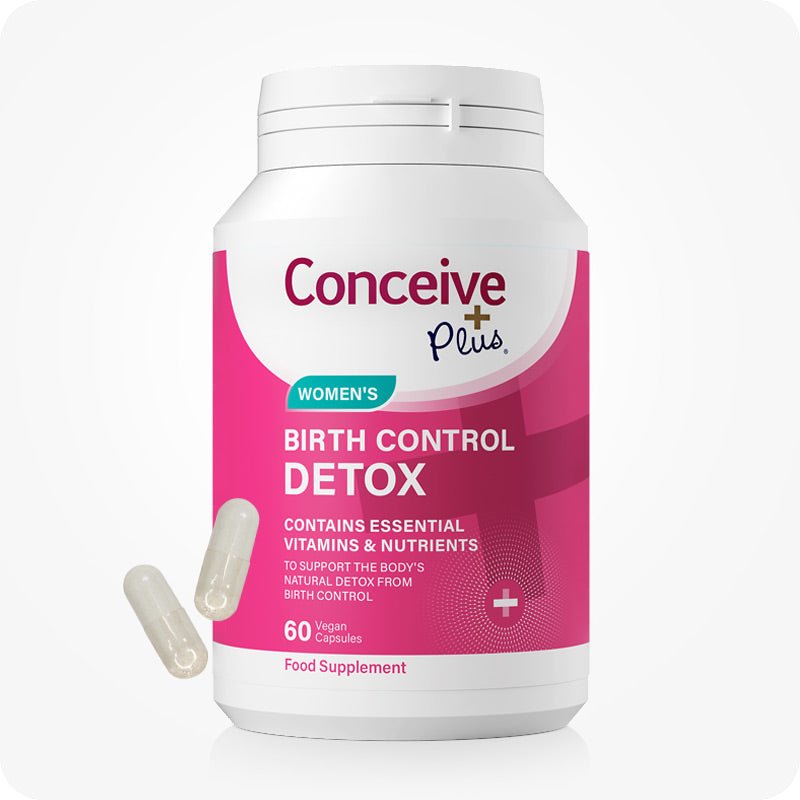
Conceive Plus women's fertility supplement provides a comprehensive preconception formula covering methylfolate, CoQ10, vitamin D, and antioxidant support — ideal for the IVF preparation period.
IVF Preparation Supplements: What the Evidence Says
Beyond dietary changes, targeted supplementation during IVF preparation is one of the most accessible ways to improve cycle outcomes. Here's the evidence summary:
CoQ10 for Egg Quality
Multiple RCTs demonstrate that CoQ10 supplementation (400–600mg/day) improves ovarian response (more eggs retrieved), fertilisation rates, and embryo quality — particularly in poor responders and women over 35. The effect is attributed to improved mitochondrial function in developing oocytes. Start at least 60–90 days before retrieval.
DHEA for Poor Responders
DHEA (dehydroepiandrosterone) supplementation (75mg/day) improves ovarian response in poor responders by supporting follicular development. Several studies and meta-analyses show improved antral follicle counts, more eggs retrieved, and better pregnancy rates. Requires medical supervision — discuss with your reproductive endocrinologist before starting.
Inositol for Egg Quality
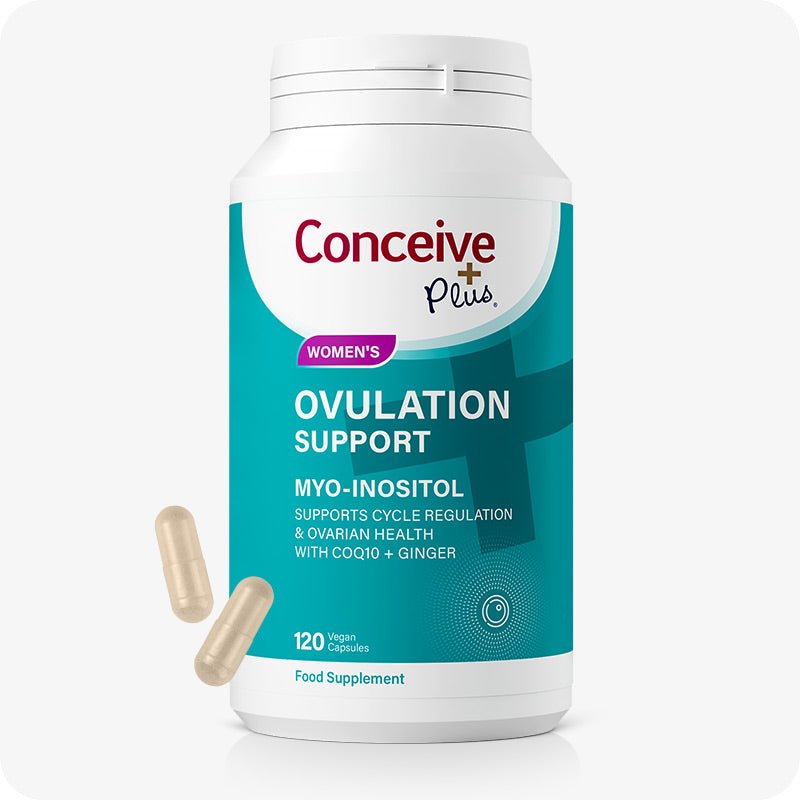
Myo-inositol and D-chiro-inositol support FSH signalling within follicles and are particularly beneficial for women with PCOS. Studies show improved oocyte quality, fertilisation rates, and embryo grading with inositol supplementation. A 40:1 ratio of myo- to D-chiro-inositol mirrors the natural ratio in ovarian follicles.
Vitamin D
Target serum 25-OH vitamin D levels of 40–60 ng/mL for optimal fertility. A 2019 meta-analysis (Fertility and Sterility) found significantly higher clinical pregnancy rates in vitamin D-sufficient women undergoing IVF. Test and supplement accordingly — typical doses range from 2,000–4,000 IU/day depending on baseline levels.
Male Partner IVF Preparation: Often Overlooked, Always Important
IVF outcome is determined by both egg and sperm quality — yet male IVF preparation receives far less attention than female preparation. This is a significant missed opportunity. Studies show that sperm DNA fragmentation — not captured in standard semen analysis — is a primary determinant of fertilisation rate, embryo quality, and miscarriage risk, even in ICSI cycles.
Male IVF preparation priorities:
- Antioxidants: CoQ10, vitamins C and E, selenium, and zinc reduce sperm DNA fragmentation by neutralising oxidative stress in seminal plasma. Start 3 months before retrieval.
- L-carnitine: Supports sperm energy metabolism and progressive motility — both relevant to fertilisation capacity even in ICSI.
- Lifestyle: Avoid excessive heat (hot baths, saunas), reduce alcohol, quit smoking, maintain a healthy weight. These have direct, measurable effects on sperm quality within 3 months.
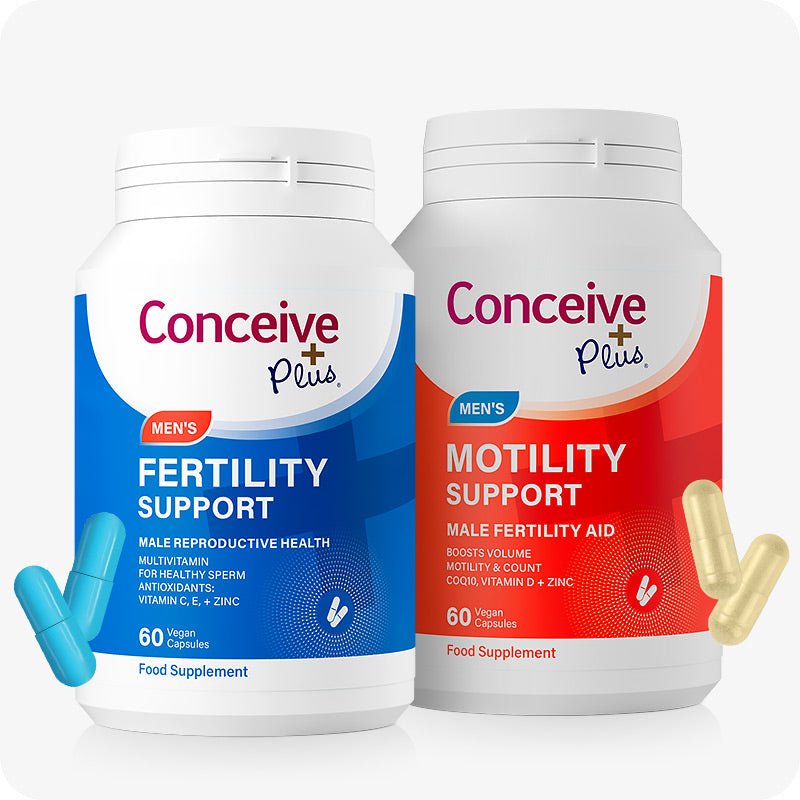
Conceive Plus offers a dedicated men's fertility supplement formulated with the full antioxidant and nutrient complex needed for IVF preparation.
Weight, BMI, and IVF Outcomes
Body weight is one of the most significant modifiable factors in IVF preparation. Both underweight and overweight status affect IVF success through multiple mechanisms:
- Overweight (BMI >30): Associated with lower clinical pregnancy rates (up to 30% lower), higher miscarriage risk, impaired ovarian response, and worse embryo quality. Adipose tissue increases oestrogen and inflammatory cytokine levels, disrupting follicular environment.
- Underweight (BMI <18.5): Associated with ovarian dysfunction, reduced follicle counts, and impaired endometrial receptivity. Low body fat impairs leptin signalling, which is essential for GnRH pulsatility.
- Target: BMI 20–25 is associated with optimal IVF outcomes. Even modest weight loss (5–10% of body weight) in overweight women significantly improves ovarian response and live birth rates.
Stress Management and Sleep During IVF Preparation
The relationship between psychological stress and IVF outcomes is complex — stress alone doesn't prevent pregnancy, but its physiological effects (elevated cortisol, impaired sleep, disrupted appetite) can affect hormonal milieu and treatment tolerance.
Evidence-based stress management strategies during IVF preparation:
- Mind-body interventions: Mindfulness-based stress reduction (MBSR), yoga, and cognitive behavioural therapy (CBT) have been associated with improved IVF outcomes in several studies — though results are mixed.
- Sleep quality: Disrupted sleep elevates cortisol and affects melatonin, which has antioxidant effects in ovarian follicles. Aim for 7–9 hours nightly.
- Social support: Couples with strong social support networks report lower anxiety throughout treatment and better adherence to preparation protocols.
Endometrial Receptivity: Preparing the Uterine Environment
Beyond egg quality, successful IVF also depends on the endometrium's ability to support embryo implantation. Endometrial receptivity is influenced by hormonal balance, blood flow, and inflammation — all modifiable factors.
Strategies to optimise endometrial receptivity during IVF preparation:
- Omega-3 fatty acids: Reduce inflammatory prostaglandins that can impair endometrial receptivity
- Vitamin E: Improves endometrial blood flow and thickness, particularly at doses of 400–600 IU/day
- L-arginine: Precursor to nitric oxide; may improve uterine blood flow in women with thin endometrium
- Managing chronic conditions: Uncontrolled thyroid disease, autoimmune conditions, and insulin resistance all impair endometrial receptivity — optimise medical management before cycling
Environmental Toxins and IVF Preparation
Endocrine-disrupting chemicals (EDCs) can interfere with oocyte development, hormonal signalling, and embryo implantation. During IVF preparation, minimising EDC exposure is a prudent, evidence-based step.
Key EDC categories to reduce:
- BPA and phthalates: Found in plastics, food packaging, and personal care products. BPA is an oestrogen mimic that disrupts follicular development. Choose BPA-free products, avoid heating food in plastic, choose glass or stainless steel storage.
- Pesticides: Choose organic produce for the "Dirty Dozen" (strawberries, spinach, kale, peaches, pears, nectarines, apples, grapes, bell peppers, cherries, blueberries, green beans).
- PFAS (forever chemicals): Found in non-stick cookware, water-resistant clothing, and food packaging. Use stainless steel or cast iron cookware.
FAQ: IVF Preparation Questions Answered
Q1: How long before IVF should I start preparing?
Ideally 3–4 months before your anticipated egg retrieval date. This covers one full oocyte maturation cycle and one full sperm production cycle, ensuring your preparation actually affects the gametes used in treatment.
Q2: What supplements should I take before IVF?
Evidence-backed supplements for female IVF preparation include: methylfolate (1–5mg/day), CoQ10 as ubiquinol (400–600mg/day), vitamin D (2,000–4,000 IU/day), omega-3 DHA/EPA (1–2g/day), and a comprehensive prenatal vitamin. For male partners: CoQ10, L-carnitine, zinc, selenium, and vitamins C and E.
Q3: Does CoQ10 improve IVF success?
Yes, particularly for women over 35 or poor responders. Multiple RCTs show improved ovarian response (more eggs retrieved), better fertilisation rates, and improved embryo quality. The effect is greatest when started 60–90 days before retrieval.
Q4: Should I exercise during IVF preparation?
Moderate exercise (30 minutes of moderate-intensity activity, 4–5 days/week) is beneficial during preparation. However, very vigorous exercise (marathon training, high-intensity daily workouts) may reduce ovarian reserve and is generally discouraged. Reduce exercise intensity during the stimulation and retrieval phase itself.
Q5: Does diet affect IVF success?
Yes. A Mediterranean-style diet is most consistently associated with improved IVF outcomes. High intake of trans fats, processed meats, and refined sugars is associated with poorer outcomes. Dietary changes should begin at least 3 months before the cycle for maximum effect.
Q6: How important is the male partner's preparation?
Extremely important and frequently underestimated. Sperm quality affects fertilisation rate, embryo development, and miscarriage risk even in ICSI cycles. Male partners should begin lifestyle optimisation and targeted supplementation at least 3 months before egg retrieval.
Q7: Does stress affect IVF outcomes?
Severe, chronic stress can impair hormonal signalling through elevated cortisol, but psychological stress alone does not generally prevent IVF from working. Focus on evidence-based stress management (exercise, sleep, CBT, mindfulness) rather than trying to eliminate all stress — which is unrealistic and can cause additional anxiety.
Q8: Should I drink alcohol during IVF preparation?
It's best to eliminate alcohol during IVF preparation. Even moderate alcohol consumption is associated with lower live birth rates per IVF cycle — a 13–16% reduction in success rates in some studies. Both partners should abstain, or at minimum minimise, from at least 3 months before the cycle.
Q9: Is acupuncture helpful for IVF?
Evidence is mixed and inconclusive. Some studies suggest potential benefits for stress reduction and uterine blood flow, while large RCTs have not shown consistent improvement in live birth rates. It is generally considered safe and may be a useful complement for those who find it helpful for stress management.
Q10: What should I avoid during IVF preparation?
Avoid: smoking (both partners), alcohol (ideally completely), high-dose supplements not recommended by your clinical team (particularly DHEA without supervision), endocrine disruptors in plastics and personal care products, extreme diets or very restrictive eating, and excessive exercise.
Conclusion: Your IVF Preparation Action Plan
Successful IVF preparation is a proactive process that begins at least 3 months before your cycle start date. Focus on: a nutrient-dense Mediterranean diet, targeted supplementation (CoQ10, methylfolate, vitamin D, omega-3s), optimal weight, reduced alcohol and toxin exposure, adequate sleep, and stress management — for both partners.
Conceive Plus supports couples through every stage of fertility preparation with evidence-based supplements designed specifically for preconception and IVF readiness. Explore our full fertility supplement range at conceiveplus.co.uk.
Ready to Start Your Fertility Journey?
Explore Conceive Plus — clinically formulated to support your path to parenthood.
Shop Now →