Is Stress Affecting Your Fertility?


In an era where women often choose to fully sort career and finances before considering having children. It’s no wonder some of us will be in our late 30s or 40s before we even begin to think about diapers and daycare. The scary fact of the matter is, some science says fertility begins to decline once women turn 30. Yikes if that isn't enough reason for stress.
A new study points to another factor challenging women’s chances of reproducing — stress. (Like we weren’t stressed about the odds already). Previous research has connected stress in both men and women with lowered chances of getting pregnant. This study, however, is the first of its kind to connect the stress biomarker alpha-amylase with infertility. Of the 401 who participated in the yearlong study, those with the highest levels of the biomarker had a 29% reduction in fecundity (the ability to reproduce). Though lots of studies have pointed to high levels of the hormone cortisol as a clear indicator of stress, this study didn’t find an association between the hormone and lowered chances of getting pregnant.

✨ Trying to Conceive?
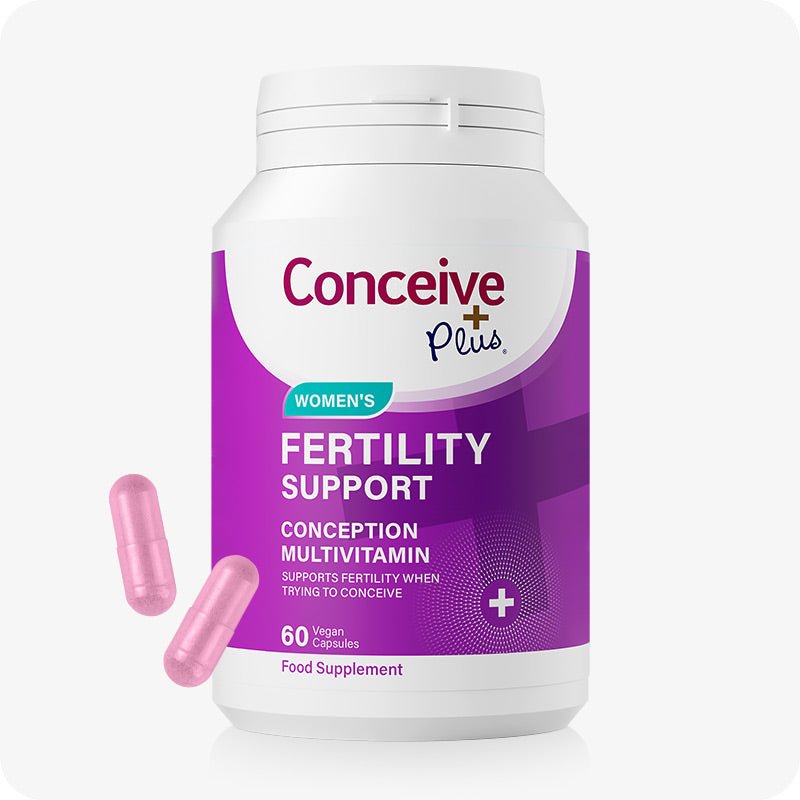
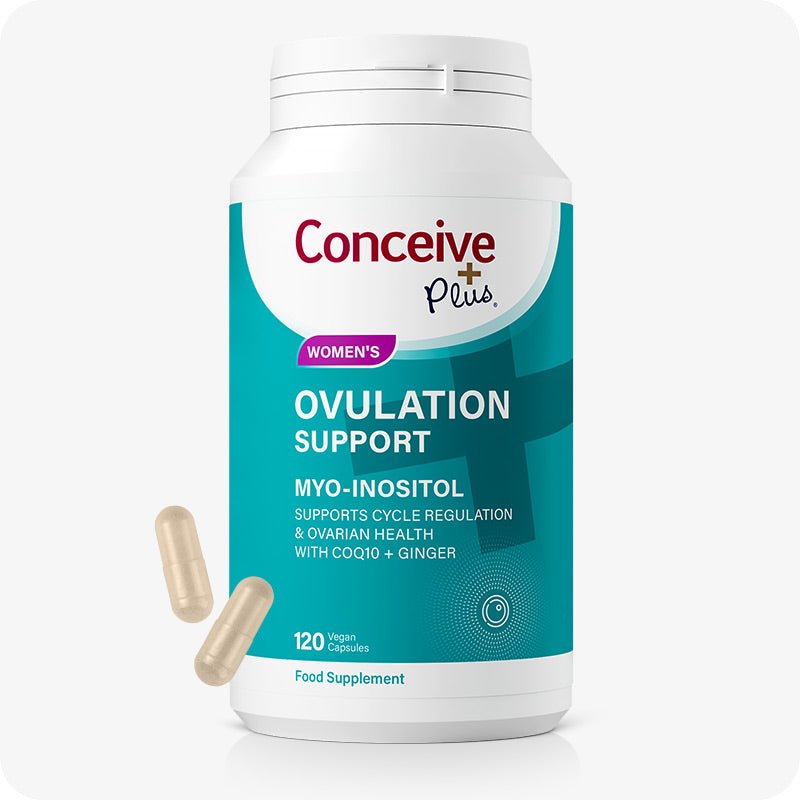
Our fertility supplements combine Myo-Inositol with essential vitamins to support healthy hormone balance and regular ovulation.
Shop Now — $36.00✓ Free shipping available | ✓ Trusted by millions of couples worldwide
But, what about how these women actually felt? Lead researcher, Courtney Lynch, says the study wasn’t just about the biomarker. The men and women wrote down their daily stress levels (separately) and completed the Cohen’s perceived stress questionnaire, which includes questions about coping, handling daily tasks, and personal control.
But in line with the researchers’ previous study (which focused on self-reported stress levels), Lynch says, “We found no association between salivary alpha-amylase and the Cohen’s perceived stress scale.” So, while we may think we’ve had a rough day or a peachy one, our bodies might think otherwise. Despite medical advances to help women get pregnant, researchers say there are still many unanswered questions about infertility and overcoming reproductive roadblocks — including stress.
🌱 Support Your Fertility Journey
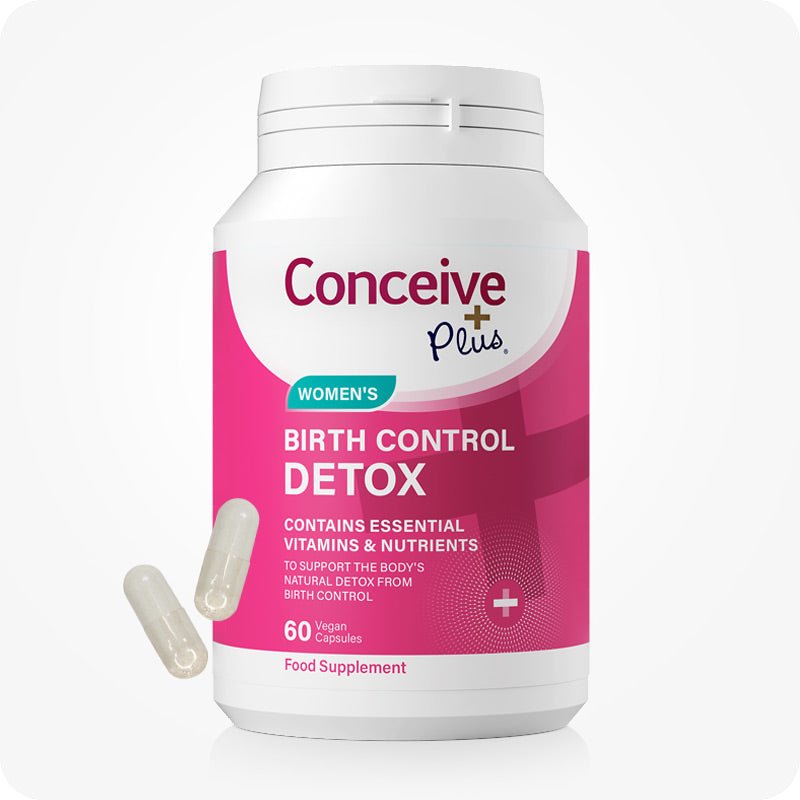
Conceive Plus fertility supplements are clinically formulated to help regulate your cycle and support egg quality.
Shop Fertility Support →Frequently Asked Questions
Recommended by Fertility Experts
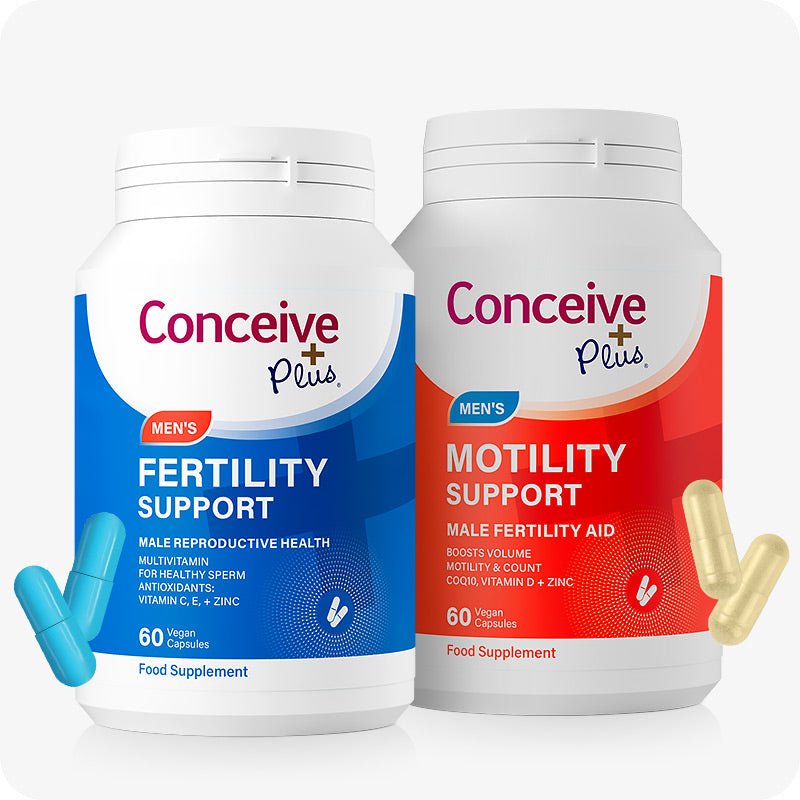
Conceive Plus Men's Fertility Support
Designed to support healthy sperm production, motility, and overall male reproductive health with clinically studied nutrients.
Shop Now →Can stress actually stop you from getting pregnant?
Research suggests that high stress levels can reduce your chances of conceiving, with one major study showing women with elevated stress biomarkers had a 29% lower chance of becoming pregnant. While the NHS acknowledges that stress can affect fertility, it's often one of several contributing factors rather than the sole cause. If you're struggling to conceive after 12 months of trying (or 6 months if you're over 35), speak to your GP about a referral for fertility investigations.
How do I get referred for fertility treatment on the NHS?
Your first step is booking an appointment with your GP, who can arrange initial tests and refer you to a fertility specialist if needed. According to NICE guidelines, couples should be offered a referral after one year of trying to conceive without success, though your local Integrated Care Board (ICB) may have specific criteria for funded treatment. Be aware that NHS waiting times vary significantly across the UK, so it's worth asking your GP about expected timescales in your area.
Does stress affect male fertility as well as female fertility?
Yes, stress can impact male fertility too — research has linked high stress levels in men to reduced sperm quality and lower testosterone levels. The NHS recommends that both partners focus on lifestyle factors including stress management when trying to conceive. Remember, around 1 in 7 UK couples experience fertility issues, and in about 30% of cases, the cause relates to male factors.
What are the signs that stress is affecting my fertility?
Stress may be impacting your fertility if you're experiencing irregular periods, changes to your menstrual cycle, or difficulty tracking ovulation. Interestingly, research shows that your body's stress response (measured through biomarkers like alpha-amylase) may differ from how stressed you actually feel day-to-day. If you're concerned, keeping a symptom diary to share with your GP can be helpful when di
Will the NHS fund IVF if stress is causing my infertility?
NHS funding for IVF depends on your local ICB's eligibility criteria, which typically consider factors like age, BMI, and whether either partner has existing children, rather than the specific cause of infertility. NICE guidelines recommend that women under 40 should be offered three cycles of IVF on the NHS, though many areas offer fewer due to funding constraints. Your GP or fertility clinic can advise on what's available in your area and whether you meet the local criteria.
What can I do to reduce stress while trying to conceive?
The NHS recommends regular exercise, mindfulness techniques, and ensuring you get enough sleep to help manage stress levels whilst TTC. Many fertility clinics now offer counselling services, and the HFEA suggests that emotional support should be available at all licensed clinics. Joining a support group or speaking to others going through similar experiences can also help — organisations like Fertility Network UK offer resources specifically for people on their fertility journey.
How long should I try to conceive naturally before worrying about stress-related infertility?
According to NHS guidance, most couples (around 84%) will conceive naturally within one year if they have regular unprotected sex. If you haven't conceived after 12 months of trying, or after 6 months if you're over 35, it's worth speaking to your GP — not necessarily because stress is the issue, but to rule out other factors and discuss your options. Try not to put too much pressure on yourself, as this can create a cycle of stress that may not help your chances.
Trusted by Couples in Over 70 Countries
Support Male Fertility From the Inside Out
Male fertility is just as important as female fertility in the conception journey. Conceive Plus Men's range delivers targeted nutritional support to promote healthy sperm and overall reproductive wellbeing.
Shop Men's Range →