IVF Preparation: A Complete Guide to Optimising Your Cycle


IVF Preparation: A Complete Guide to Optimising Your Cycle
Starting an IVF cycle is one of the most significant decisions you can make on your fertility journey. While your clinic team will guide the medical protocol, there is a great deal you can do in the months leading up to your cycle to give your eggs, sperm, and embryos the best possible foundation. This guide covers everything you need to know about IVF preparation — from nutrition and supplements to lifestyle changes and mental health strategies.
IVF success rates in the UK average around 32% per embryo transfer for women under 35, according to the HFEA. However, these rates vary significantly based on factors that are within your control. Preparation matters.
When Should You Start Preparing for IVF?
The ideal preparation window is 3 months (90 days) before your egg collection date. This timeline is biologically meaningful:
- Eggs take approximately 85–90 days to develop from primordial follicle to ovulation-ready oocyte
- Sperm take 64–74 days to complete spermatogenesis
- Many nutritional interventions require 8–12 weeks to reach tissue saturation
If you're waiting for a clinic appointment or on an NHS waiting list, use that time productively to implement your preparation protocol.
Nutrition for IVF Success
Ready to support your fertility journey?
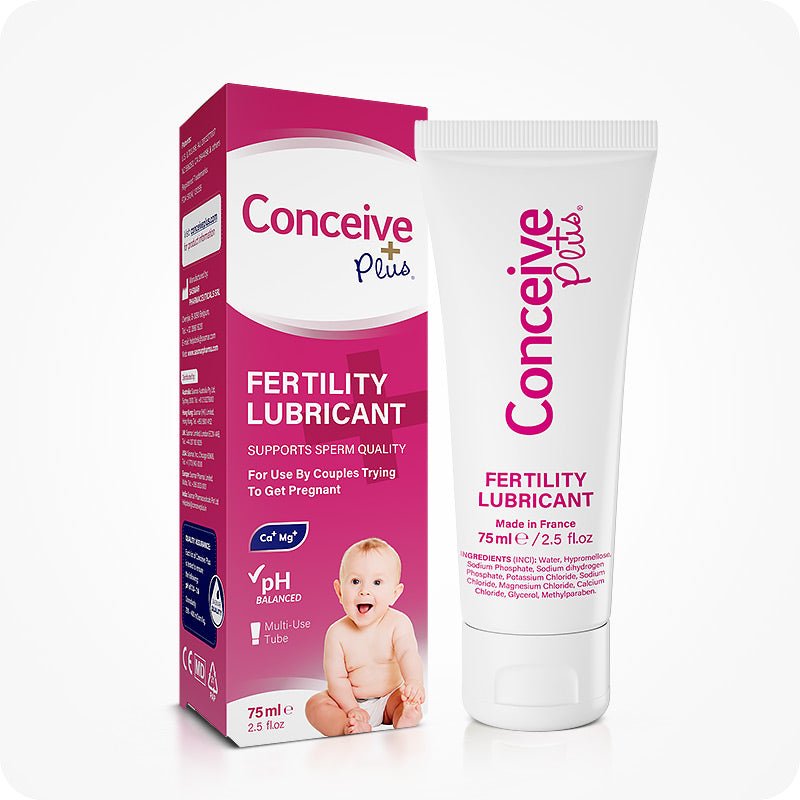
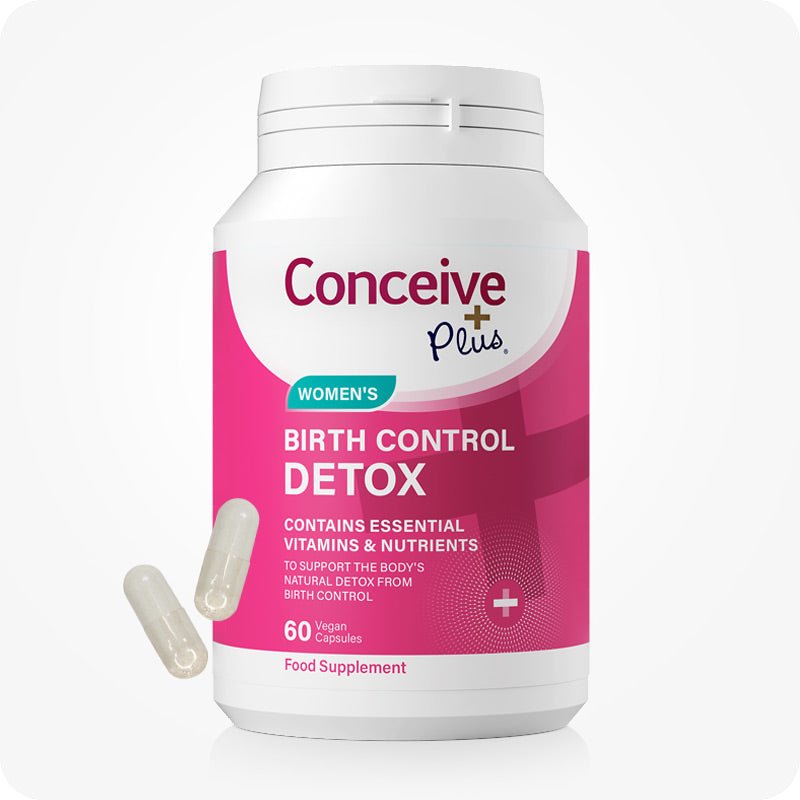
Discover Conceive Plus — trusted by couples worldwide for evidence-based fertility support.
Shop Conceive Plus Now →Diet directly influences egg quality, embryo development, and endometrial receptivity. The Mediterranean diet has the strongest evidence base for IVF outcomes. Key principles:
- Healthy fats: Extra virgin olive oil, avocados, nuts, and oily fish provide omega-3 fatty acids that reduce inflammation and improve embryo quality
- Lean protein: Fish, legumes, eggs, and poultry support cellular repair and hormone production
- Colourful vegetables: Rich in antioxidants that neutralise oxidative stress in follicles
- Complex carbohydrates: Wholegrains, sweet potato, and legumes maintain stable blood sugar and insulin levels
- Limit: Ultra-processed foods, refined sugars, alcohol, and excessive caffeine (cap at 200mg per day during prep)
Essential Supplements Before IVF
The supplement protocol for IVF preparation is more targeted than general preconception supplementation. Key evidence-based supplements include:
For Women:
- CoQ10 (ubiquinol, 400–600mg/day): The most well-studied IVF supplement. Improves mitochondrial energy in ageing eggs. A 2020 meta-analysis found significantly more oocytes retrieved and better embryo quality with CoQ10 pre-treatment.
- Methylfolate (400–800mcg/day): Essential for neural tube development. Start at least 12 weeks before retrieval.
- Vitamin D (1,000–2,000 IU/day): Vitamin D deficiency is associated with lower IVF success rates. Optimal serum level is 75–100 nmol/L.
- DHEA (25–75mg/day for poor responders): May improve ovarian reserve markers and egg quantity in women with low AMH or poor response history. Use only under medical supervision.
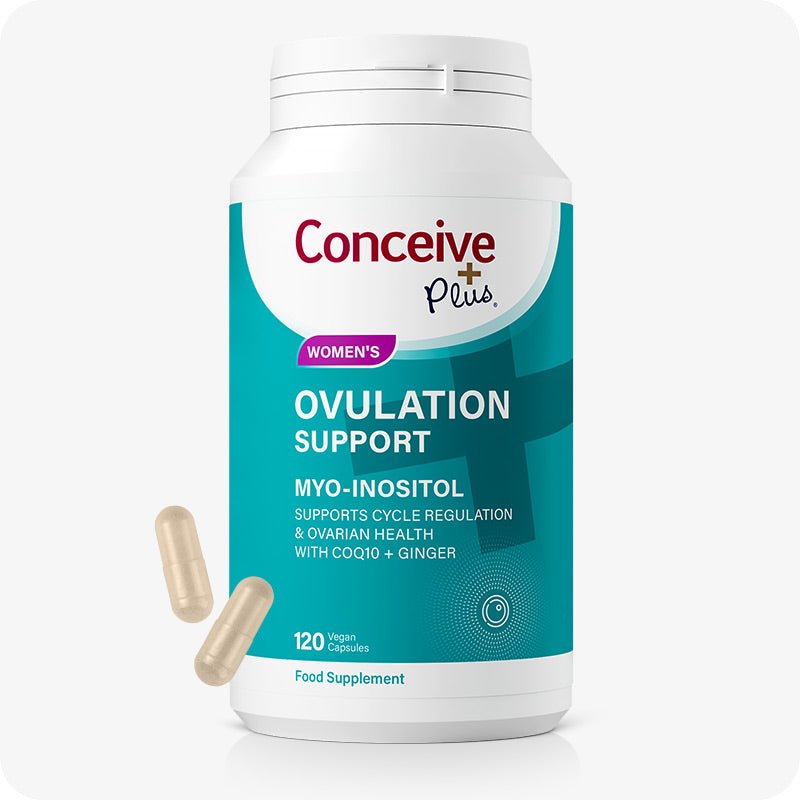
- Myo-inositol (2,000–4,000mg/day): Particularly beneficial for women with PCOS; improves insulin sensitivity and egg quality.
- Melatonin (3mg nightly): Accumulates in follicular fluid and protects eggs from oxidative damage during the stimulation phase.
For Men (Partner Supplementation):
- Antioxidant complex: Vitamin C, vitamin E, selenium, zinc — reduces sperm DNA fragmentation, a key factor in fertilisation failure and embryo arrest
- CoQ10 (200–400mg/day): Improves sperm motility and reduces oxidative damage
- L-Carnitine: Supports sperm energy metabolism
- Folic acid (400mcg/day): Reduces chromosomal abnormalities in sperm
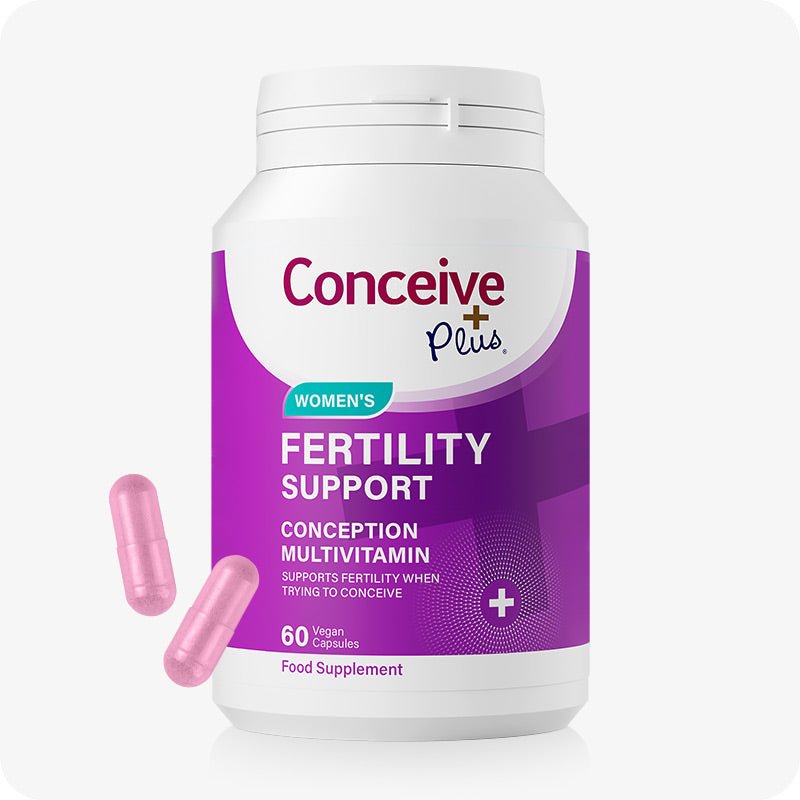
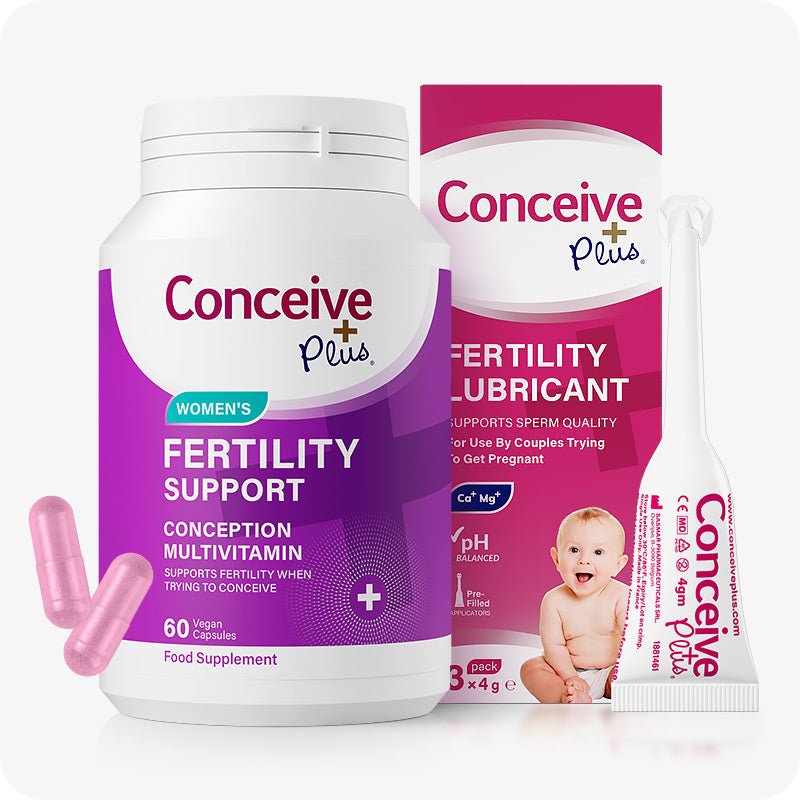
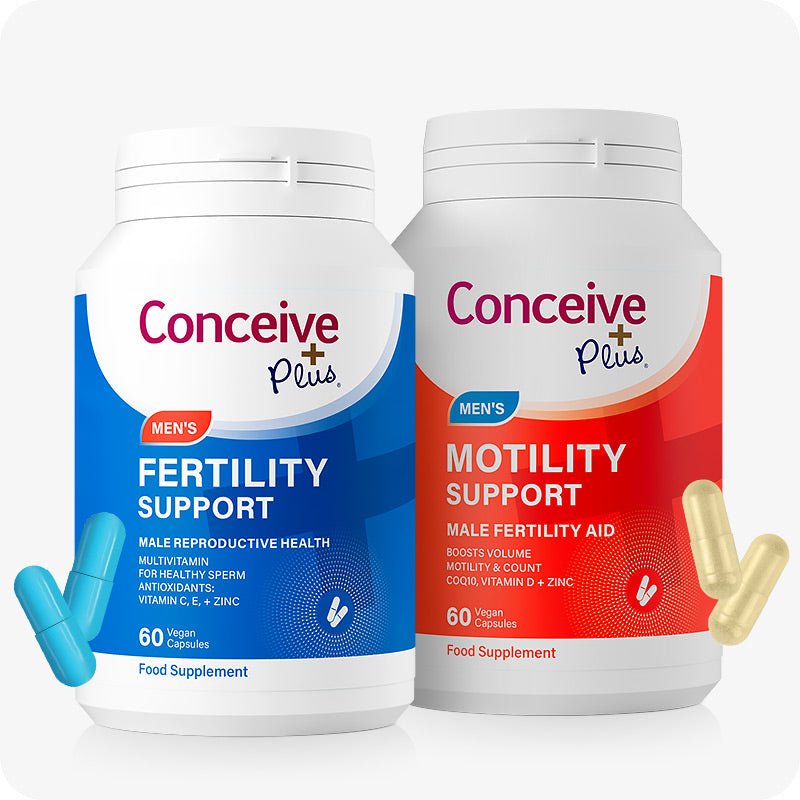
Conceive Plus offers targeted fertility supplements formulated for both partners. View the full Conceive Plus range →
Lifestyle Factors That Influence IVF Outcomes
Beyond diet and supplements, several lifestyle factors have measurable impacts on IVF success:
Sleep
Both quantity and quality matter. Sleep is when growth hormone peaks, melatonin is produced, and cellular repair happens. Aim for 7–9 hours per night. Poor sleep disrupts cortisol and insulin rhythms, negatively affecting follicle development.
Exercise
Moderate exercise (150 minutes of moderate aerobic activity per week) supports IVF outcomes by improving insulin sensitivity and reducing inflammation. However, avoid high-intensity training during ovarian stimulation — it can affect blood flow to the ovaries. Yoga, walking, and swimming are ideal during this phase.
Body Weight
Both underweight (BMI <18.5) and overweight (BMI >30) are associated with reduced IVF success rates. Achieving a healthy BMI before your cycle improves ovarian response, hormone levels, and endometrial receptivity. Even modest weight loss (5–10%) if you're overweight can significantly improve outcomes.
Smoking and Alcohol
Smoking is strongly associated with reduced ovarian reserve, lower egg quality, and higher miscarriage rates after IVF. Alcohol should be eliminated completely during the IVF cycle — no safe lower limit has been established. Ideally, both partners should abstain from alcohol during the 3-month preparation period.
Heat and Sperm Quality
Men should avoid hot baths, saunas, and tight underwear for 3 months before IVF egg collection, as scrotal heat is a leading cause of sperm quality impairment. Laptops should be kept off laps. This is especially important as poor sperm quality (particularly high DNA fragmentation) significantly increases the risk of cycle failure.
Endometrial Preparation and Implantation Support
The endometrium — the uterine lining — must be optimally receptive for an embryo to implant. Several strategies support endometrial health:
- Vitamin E: Improves endometrial thickness and blood flow. Studies suggest 600mg/day from start of menstrual cycle to transfer improves thin lining.
- L-Arginine: An amino acid that promotes nitric oxide production and uterine blood flow
- Low-dose aspirin (75mg): Often prescribed by clinics to improve uterine blood flow. Do not take without medical advice.
- Acupuncture: Evidence is mixed but some studies show benefits in endometrial blood flow when sessions occur in the week before transfer
- Avoid NSAIDs (ibuprofen, naproxen) during the stimulation and transfer phases — they can interfere with prostaglandin-mediated implantation
Mental Health and Stress Management
IVF is emotionally demanding. The combination of hormonal medication, procedural uncertainty, financial pressure, and relationship strain creates a perfect storm for anxiety and depression. Research shows that psychological interventions can improve IVF outcomes, though whether this is directly causative or mediated through behaviour change is still debated.
Practical strategies:
- Join a fertility support group (Fertility Network UK is an excellent resource)
- Consider CBT or mindfulness-based stress reduction (MBSR) — both have evidence in fertility contexts
- Communicate openly with your partner about each stage, including disappointment and hope
- Limit unsolicited advice from well-meaning friends and family by having a prepared response ready
- Set compassionate boundaries around social events that may be triggering (baby showers, pregnancy announcements)
- Consider the HFEA's recommendations on counselling — it's often included in NHS and private IVF packages
Questions to Ask Your IVF Clinic
Being an informed patient improves your experience and potentially your outcomes. Ask your clinic team:
- What protocol will you use and why? (long, short, antagonist, natural modified?)
- What are my baseline AMH, AFC, and FSH levels, and what do they mean for my response?
- Will you do preimplantation genetic testing (PGT-A)? When is it recommended?
- What is your clinic's policy on elective freeze-all cycles?
- What embryo grading system do you use, and how do you select embryos for transfer?
- What is your clinic's live birth rate per embryo transfer for my age group?
- Are there any supplements or lifestyle changes you specifically recommend or advise against?
The Two-Week Wait After Transfer
The TWW (two-week wait) after embryo transfer is psychologically the hardest part of IVF for many people. Evidence-based guidance:
- Continue progesterone support exactly as prescribed — don't adjust doses based on symptoms
- Stay active — light walking is fine and may actually help implantation via improved blood flow
- Avoid early home pregnancy tests — trigger shot hCG can cause false positives for days
- Continue fertility supplements — especially folate, which is critical in early embryo development
- Have a plan for both outcomes — speak with your clinic about next steps before your beta day
Frequently Asked Questions About IVF Preparation
How many rounds of IVF does it typically take to succeed?
HFEA data shows cumulative success rates improve significantly over multiple cycles. Many clinics recommend committing to 3 cycles if feasible, as success rates rise to 45–65% cumulatively for women under 40 with their own eggs.
Can supplements interfere with IVF medication?
Some high-dose supplements can interact with stimulation medications. Always disclose your full supplement list to your clinic. Avoid high-dose vitamin A (retinol), high-dose herbal supplements, and DHEA unless specifically cleared by your doctor.
How does age affect IVF preparation strategy?
Women over 38 may benefit from more aggressive antioxidant protocols, higher CoQ10 doses, and potentially DHEA supplementation. Egg freezing strategies (freeze-all cycles) become more relevant to select the best embryos chromosomally (PGT-A).
Should my partner prepare differently if his sperm is the issue?
Yes. High DNA fragmentation specifically may require 3–6 months of targeted antioxidant therapy before a cycle, and in some cases TESE or PESA (surgical sperm retrieval) may retrieve better-quality sperm directly from the testicle.
Is acupuncture during IVF evidence-based?
Evidence is inconclusive. The largest systematic review (2019) found no statistically significant benefit in live birth rates, though some studies show improvements in specific subgroups. Many patients find it helpful for stress management regardless of direct fertility effects.
What tests should I get before starting IVF?
Standard pre-IVF workup includes: AMH, AFC (antral follicle count), FSH/LH/oestradiol on day 2–3, vitamin D, thyroid function (TSH, free T4), prolactin, saline infusion sonogram or hysteroscopy, karyotyping if recurrent loss, and partner semen analysis with DNA fragmentation.
Can I continue exercising during IVF stimulation?
Light to moderate exercise (walking, yoga, gentle swimming) is generally fine. Avoid high-impact, high-intensity workouts once stimulation begins, as enlarged ovaries are at risk of torsion during strenuous activity.
How should I handle a failed IVF cycle?
Allow yourself to grieve. Request a detailed debrief with your clinic to understand what happened at each stage. Consider whether protocol changes are warranted. Give yourself at least one full menstrual cycle before considering next steps.
Ready to support your fertility journey?
Discover Conceive Plus — trusted by couples worldwide for evidence-based fertility support.
Shop Conceive Plus Now →