IVF Preparation: How to Optimise Your Body and Mind Before Starting Treatment in the UK


IVF Preparation: How to Optimise Your Body and Mind Before Starting Treatment in the UK
Beginning IVF treatment is one of the most significant decisions a couple can make. Whether you are just starting to explore fertility treatment or have already received a referral from your GP or specialist, the months before your first cycle offer a crucial window to give yourself the best possible foundation for success. Preparing your body and mind well in advance of treatment can meaningfully influence outcomes — and the evidence suggests that what you do before you even start matters enormously.
This guide walks through everything you need to know about IVF preparation in the UK, covering nutrition, lifestyle, supplementation, emotional wellbeing, and how to navigate the NHS and private pathways.
Understanding IVF: What the Process Involves
In vitro fertilisation (IVF) is a fertility treatment where eggs are collected from the ovaries, fertilised with sperm in a laboratory, and then transferred back into the uterus. Each stage of this process requires the body to be functioning at its best.
The typical IVF cycle in the UK involves several phases:
- Suppression: Hormone medications are used to temporarily suppress the natural menstrual cycle.
- Stimulation: Injectable hormones stimulate the ovaries to produce multiple follicles.
- Egg retrieval: Eggs are collected via a minor surgical procedure under sedation.
- Fertilisation and culture: Eggs and sperm are combined in the lab and embryos are monitored over several days.
- Embryo transfer: One or more embryos are placed into the uterus.
- The two-week wait: Progesterone support is used while waiting for a pregnancy test result.
According to the Human Fertilisation and Embryology Authority (HFEA), the UK's independent regulator of fertility treatment, the average birth rate per IVF cycle using fresh embryos is around 22% for women under 35, declining to around 6% for women aged 40–42. These figures underline why optimising your body before treatment — including egg quality and uterine receptivity — can be so meaningful.
Success rates are influenced by many factors, including age, the cause of infertility, and the clinic's expertise. But emerging research consistently highlights one controllable variable: the lifestyle and nutritional choices made in the three to six months before a cycle begins.
How Long Should You Prepare Before IVF?
Supporting Your IVF Journey
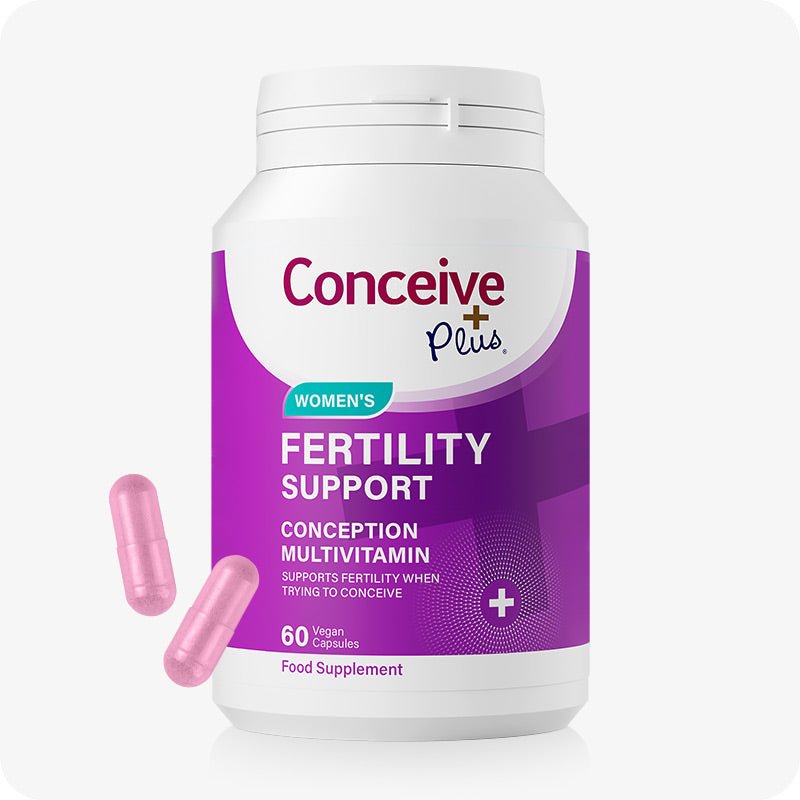
Conceive Plus Women's Fertility Support provides essential nutrients including folate, CoQ10, and zinc — nutrients that matter most in the months before and during IVF treatment.
Explore Women's Fertility Support →Most fertility specialists recommend beginning preparation at least three months before your planned IVF cycle. The reason centres on the biology of egg development (oogenesis) and sperm production (spermatogenesis).
Eggs take approximately 90 days to mature before they are ovulated or retrieved. This means that the nutritional environment, oxidative stress levels, and hormonal balance you maintain today will directly affect egg quality during your next cycle. Similarly, sperm take around 74 days to complete their development, making male preparation just as time-sensitive.
If you are awaiting an NHS referral — which can involve waiting lists of several months depending on your CCB or NHS Integrated Care Board — this pre-treatment period becomes an opportunity rather than an inconvenience. Use it strategically.
For those pursuing private treatment, the waiting time is shorter, but starting preparation as soon as possible remains beneficial. Clinics in the UK such as Create Fertility, Care Fertility, and London Women's Clinic often offer pre-IVF consultations specifically focused on lifestyle optimisation.
Nutrition for IVF: What to Eat (and What to Avoid)
Diet plays a central role in IVF preparation. A growing body of research supports the Mediterranean-style dietary pattern as particularly beneficial for fertility. A 2018 study published in Human Reproduction found that women who closely followed a Mediterranean diet in the six months before IVF had a significantly higher likelihood of clinical pregnancy and live birth compared to those who did not.
Prioritise these foods:
- Leafy green vegetables: Rich in folate, which is critical for preventing neural tube defects and supporting embryo development. Spinach, kale, and broccoli are excellent choices.
- Whole grains: Oats, quinoa, brown rice, and whole wheat bread help regulate blood sugar and insulin, which can support ovarian function.
- Oily fish: Salmon, mackerel, and sardines provide omega-3 fatty acids, which reduce inflammation and support hormonal balance. Aim for 2 portions per week.
- Legumes: Lentils, chickpeas, and beans provide plant-based protein and iron — both important for reproductive health.
- Nuts and seeds: Walnuts, almonds, flaxseeds, and pumpkin seeds deliver healthy fats, zinc, and selenium.
- Colourful fruits and vegetables: High in antioxidants that combat oxidative stress — a key factor in egg and sperm quality.
- Full-fat dairy: Some studies suggest that full-fat dairy products (rather than skimmed) may be more beneficial for ovulatory function.
Reduce or avoid:
- Ultra-processed foods: High in trans fats, refined sugars, and additives that can increase inflammation and disrupt hormones.
- Alcohol: Research indicates that even moderate alcohol consumption can reduce IVF success rates. The NHS recommends avoiding alcohol entirely when trying to conceive.
- High-mercury fish: Swordfish, shark, marlin, and fresh tuna should be limited due to mercury levels that can affect neurological development.
- Excess caffeine: The NHS advises keeping caffeine under 200mg per day during conception attempts. One or two cups of tea or coffee typically falls within this limit.
- Refined carbohydrates and sugary drinks: These spike blood glucose and insulin, which can negatively affect ovarian function and hormone balance.
Hydration also matters. Aim for at least 1.5–2 litres of water per day. Adequate hydration supports follicular fluid production and general cellular health.
Key Supplements for IVF Preparation
Even with a well-balanced diet, it can be difficult to meet the elevated nutritional demands of IVF preparation through food alone. Several supplements have strong scientific backing for supporting fertility and IVF outcomes.
Folic Acid / Folate
The NHS recommends that all women trying to conceive take 400mcg of folic acid daily and continue through the first 12 weeks of pregnancy. Folic acid (the synthetic form) or methylfolate (the bioavailable form) is essential for cell division and the prevention of neural tube defects. Women with MTHFR gene variations may benefit from the methylated form (5-MTHF) specifically.
Coenzyme Q10 (CoQ10)
CoQ10 is a powerful antioxidant that plays a central role in cellular energy production. It is found naturally in the mitochondria of cells — including eggs and sperm. Mitochondrial dysfunction is associated with poor egg quality, particularly as women age. Research has shown that CoQ10 supplementation may improve ovarian response and egg quality in women undergoing IVF, particularly those with diminished ovarian reserve (DOR). Typical recommended doses range from 200–600mg daily, ideally as ubiquinol (the active, reduced form).
Vitamin D
Vitamin D deficiency is widespread in the UK due to limited sunlight exposure, particularly through the autumn and winter months. NICE recommends that adults consider a 10mcg (400 IU) supplement year-round. For women undergoing IVF, optimal vitamin D status has been associated with improved embryo quality and higher pregnancy rates. Many fertility specialists now test vitamin D levels at consultation and may recommend higher doses for deficient patients.
Omega-3 Fatty Acids
DHA (docosahexaenoic acid) and EPA (eicosapentaenoic acid) from fish oil supplements support anti-inflammatory pathways, hormonal regulation, and embryo quality. DHA is particularly important for foetal brain and eye development once pregnancy is established. If you do not regularly eat oily fish, an omega-3 supplement is a practical alternative.
Iron
Iron deficiency is common in women of reproductive age and can affect egg quality and implantation. Ferritin (stored iron) levels should be tested before starting supplementation, as excess iron can also be harmful.
Zinc and Selenium
These trace minerals act as cofactors for antioxidant enzymes that protect egg and sperm DNA from oxidative damage. Zinc also supports progesterone production, which is critical for uterine lining preparation and early pregnancy maintenance.
Inositol
Myo-inositol and D-chiro-inositol have been widely studied in the context of polycystic ovary syndrome (PCOS) and IVF outcomes. Inositol helps regulate insulin sensitivity and supports ovarian function. A 2012 meta-analysis in Reproductive BioMedicine Online found that myo-inositol supplementation improved oocyte quality and pregnancy rates in IVF patients with PCOS.
A comprehensive prenatal supplement designed specifically for pre-conception and early pregnancy — such as Conceive Plus Women's Fertility Support — can simplify this process by combining key nutrients including methylated folate, CoQ10, zinc, and vitamin D into a single daily supplement formulated for women preparing for fertility treatment.
Male Fertility: Why Partners Should Prepare Too
IVF preparation is often discussed in terms of the woman's health, but male fertility contributes equally to outcomes. Sperm quality — including motility, morphology, and DNA fragmentation — directly affects fertilisation rates, embryo development, and pregnancy success.
DNA fragmentation, in particular, is gaining attention in fertility clinics. High levels of sperm DNA damage have been linked to fertilisation failure, poor embryo quality, and increased miscarriage risk. Encouragingly, sperm DNA fragmentation is highly responsive to lifestyle and nutritional interventions, especially over the 74-day sperm production cycle.
Key steps for male IVF preparation:
- Stop smoking: Smoking significantly reduces sperm count, motility, and increases DNA damage.
- Limit alcohol: Heavy alcohol consumption reduces testosterone production and sperm quality.
- Avoid heat exposure: Tight underwear, frequent hot baths, and laptop use on the lap can raise scrotal temperature and impair sperm production. Switch to loose-fitting boxers.
- Exercise moderately: Regular moderate exercise improves testosterone levels and sperm parameters. However, intense endurance exercise (cycling long distances, marathon training) may temporarily reduce sperm quality.
- Take targeted supplements: Antioxidants including CoQ10, vitamin C, vitamin E, selenium, and zinc have good evidence for improving sperm parameters. L-carnitine and lycopene are also beneficial for motility and DNA integrity.
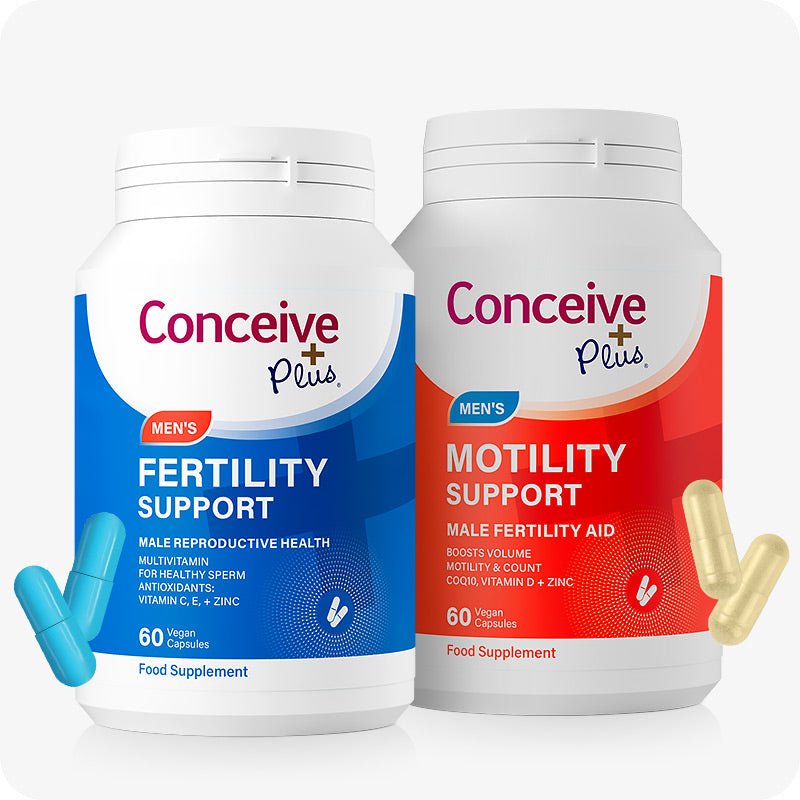
Products like Conceive Plus Men's Fertility Support and Conceive Plus Men's Motility Support are formulated with a targeted blend of these micronutrients to support sperm health in the crucial months before IVF.
Some private IVF clinics in the UK now offer sperm DNA fragmentation testing as part of their diagnostic workup. If your clinic does not routinely offer this, it is worth asking — particularly if you have had previous failed cycles or unexplained infertility.
Lifestyle Factors That Influence IVF Success
Weight and Body Composition
Both low and high BMI can affect IVF outcomes. The HFEA notes that being overweight or underweight can reduce the chances of IVF being successful. Many NHS trusts apply BMI eligibility criteria (typically BMI 19–30) for funded IVF treatment. However, it is important to approach weight management in a sustainable, non-stressful way during this period.
If weight is a concern, working with a registered dietitian who specialises in fertility is advisable. Rapid weight loss through crash dieting can be counterproductive — it can trigger hormonal disruptions and increase oxidative stress. Gradual, balanced changes over several months are more effective and sustainable.
Exercise
Regular moderate exercise — 150 minutes of moderate-intensity activity per week, as recommended by the NHS — supports cardiovascular health, hormone balance, and stress management. Yoga, walking, swimming, and Pilates are particularly popular among women preparing for IVF, as they combine physical activity with relaxation.
During the stimulation phase of IVF, however, vigorous exercise should be avoided. The ovaries become enlarged during stimulation, increasing the risk of ovarian torsion if the body is subjected to sudden, high-impact movements. Your clinic will advise you specifically on what activity is appropriate during treatment.
Sleep
Sleep is profoundly linked to hormonal health. Melatonin, produced during sleep, is a powerful antioxidant that protects egg cells from oxidative stress. Poor sleep is associated with disrupted cortisol rhythms and elevated inflammation — both counterproductive to fertility. Aim for 7–9 hours of quality sleep per night. Establish a consistent bedtime routine and limit screen exposure in the hour before bed.
Environmental Toxins
Endocrine-disrupting chemicals (EDCs) found in plastics (BPA), pesticides, personal care products (parabens, phthalates), and some cleaning products can interfere with hormone function. During IVF preparation, consider:
- Switching to glass or stainless steel food containers
- Choosing organic produce where possible (particularly the "Dirty Dozen" list of high-pesticide crops)
- Using fragrance-free, paraben-free personal care products
- Avoiding plastic wraps and containers when heating food in the microwave
Occupational exposures are also worth discussing with your fertility specialist. Certain professions may involve chemical, radiation, or heavy metal exposures that carry fertility implications.
Mental and Emotional Wellbeing During IVF Preparation
The psychological burden of infertility and IVF treatment is significant and often underestimated. Research published in the Journal of Psychosomatic Obstetrics and Gynaecology has found that anxiety and depression are common among people undergoing fertility treatment, and that psychological wellbeing can influence treatment outcomes.
Preparing mentally and emotionally is just as important as physical preparation. Here are some evidence-based strategies:
Mindfulness and Stress Reduction
Mindfulness-based stress reduction (MBSR) has been shown to reduce anxiety in people undergoing IVF. Even a short daily practice of 10–15 minutes of mindful breathing or body scan meditation can help regulate the nervous system and reduce cortisol levels. Apps like Headspace and Calm offer fertility-specific programmes.
Counselling and Support
Under UK law, fertility clinics are required to offer counselling to all patients before starting treatment. This is not a tick-box exercise — it is a valuable resource. A counsellor who specialises in fertility can help you and your partner process difficult emotions, set expectations, and build communication strategies.
The British Infertility Counselling Association (BICA) maintains a directory of accredited fertility counsellors. Peer support groups — both in person and online — such as Fertility Network UK and Gateway Women offer community and shared experience that many people find invaluable.
Managing the Two-Week Wait
The period between embryo transfer and the pregnancy test (the "two-week wait" or 2WW) is notoriously stressful. Planning ahead for how you will manage this time — whether through staying gently active, connecting with supportive friends, or taking time off work — can make a significant difference to your emotional experience.
Communicating with Your Partner
IVF places considerable strain on relationships. Open, honest communication about fears, expectations, and emotional needs is essential. Couples counselling during this period can be beneficial, particularly if you find it difficult to talk about fertility-related stress without it escalating into conflict.
Navigating the NHS and Private IVF Pathway in the UK
Access to NHS-funded IVF in England varies significantly by region. Under current NICE guidelines, women aged under 40 who have been unable to conceive after two years of regular unprotected sex should be offered three full cycles of IVF on the NHS. However, local Integrated Care Boards (ICBs) have discretion over eligibility criteria and the number of funded cycles, leading to what is commonly called a "postcode lottery."
Key facts about NHS IVF eligibility:
- Age limits: NICE recommends funding for women aged 23–39; some ICBs extend to 42.
- BMI requirements: Most ICBs require BMI to be between 19 and 30.
- Smoking: Many ICBs require both partners to be non-smokers.
- Previous children: Having a child from a previous relationship may affect eligibility in some areas.
- Waiting times: Waiting lists for NHS IVF can range from a few months to over two years depending on location.
To find out what funding is available in your area, contact your GP and ask for a referral to your local fertility clinic. You can also visit the HFEA website (hfea.gov.uk) to access the "Choose a Fertility Clinic" tool, which provides outcome data, patient feedback, and inspection reports for all licensed clinics in the UK.
Private IVF costs vary widely, typically ranging from £3,000 to £6,000 per cycle before medication costs (which can add £1,000–£3,000). Many clinics offer payment plans and some offer multi-cycle packages at a reduced rate.
Frequently Asked Questions About IVF Preparation
How long before IVF should I start taking supplements?
Ideally, begin taking fertility supplements at least three months before your planned IVF cycle. This allows time for nutrients to positively influence egg and sperm quality throughout the full developmental cycle. If your timeline is shorter, starting immediately is still beneficial.
Can I drink alcohol during IVF preparation?
The NHS recommends avoiding alcohol entirely when trying to conceive. Research indicates that even moderate alcohol consumption can reduce IVF success rates. During the active treatment cycle (stimulation through embryo transfer), alcohol should be completely avoided.
Is caffeine safe during IVF preparation?
The NHS advises keeping caffeine under 200mg per day when trying to get pregnant. One mug of filtered coffee contains around 140mg of caffeine. It is advisable to stick within this limit during preparation and to avoid caffeine entirely during the treatment cycle.
What tests should I expect before IVF?
Before starting IVF, you and your partner will typically undergo a series of investigations, including blood tests to assess ovarian reserve (AMH and FSH), hormone levels, infectious disease screening (HIV, hepatitis B and C, HTLV), and a semen analysis. An ultrasound scan to assess the uterus and ovaries is also standard.
Can stress affect IVF success?
While occasional stress does not directly cause IVF failure, chronic psychological stress can affect hormone levels and immune function in ways that may influence fertility. Managing stress through mindfulness, counselling, and lifestyle adjustments is an important part of holistic IVF preparation.
Should my partner also take supplements before IVF?
Absolutely. Male partner preparation is just as important as female preparation. Sperm quality, including DNA integrity, directly affects fertilisation and embryo development. A targeted male fertility supplement containing antioxidants such as CoQ10, zinc, selenium, and L-carnitine can support sperm quality in the 74 days before egg retrieval.
What should I avoid during the IVF stimulation phase?
During stimulation, you should avoid vigorous exercise (due to enlarged ovary risk), alcohol, smoking, and any new medications or supplements not approved by your clinic. Swimming in public pools and hot baths may be restricted during certain phases — always follow your clinic's specific guidance.
Is acupuncture beneficial before IVF?
Some women find acupuncture helpful for stress management and relaxation during IVF preparation. While the evidence for acupuncture directly improving IVF outcomes is mixed and not definitive, several studies suggest it may support wellbeing and uterine blood flow. If you choose to pursue acupuncture, ensure your practitioner is registered with the British Acupuncture Council (BAcC) and experienced in fertility treatment.
How much water should I drink during IVF?
Adequate hydration is important throughout the IVF process, particularly during stimulation when the ovaries are producing multiple follicles. Aim for 1.5–2 litres of water per day. During and after egg retrieval, staying well hydrated also helps manage bloating and reduces the risk of ovarian hyperstimulation syndrome (OHSS).
Can I continue working during IVF treatment?
Many people continue to work throughout IVF treatment, though the frequency of clinic appointments (often early morning for blood tests and scans) can require some flexibility. The egg retrieval procedure typically requires a day off work. Some people choose to take annual leave around the embryo transfer and the two-week wait. You are not legally obliged to tell your employer about IVF treatment, but some people find it helpful to share this with their manager to arrange flexibility.
IVF is a journey that demands a great deal — physically, emotionally, and financially. But with the right preparation, support, and information, you can approach treatment knowing that you have done everything within your control to give yourself the best possible chance. Focus on nourishing your body with the nutrients it needs, building resilience through emotional support, and working closely with your clinical team every step of the way.
The science is clear: preparation matters. The weeks and months before your cycle are not just waiting time — they are an opportunity to actively invest in your fertility and your future.
Prepare Your Body for IVF
Conceive Plus offers a science-backed range of fertility supplements for both partners — designed to support your body through every stage of the fertility journey.
Explore All Products →