IVF Preparation: The Complete Guide to Getting Your Body Ready for Treatment


IVF Preparation: The Complete Guide to Getting Your Body Ready for Treatment
Starting IVF is a significant step — one that combines medical science with deep personal hope. While your clinic's team handles the clinical protocol, what you do in the weeks and months before your IVF cycle begins can meaningfully influence your outcomes. Thorough IVF preparation isn't about perfection; it's about putting your body in the best possible position before the treatment begins.
This guide covers everything you need to know about IVF preparation: nutrition, supplements, lifestyle factors, mental health, timing, and the key questions to ask your fertility clinic before your first injection.
Why IVF Preparation Matters: The 90-Day Window
One of the most important — and often overlooked — facts about IVF preparation is the concept of the 90-day window. Egg development (folliculogenesis) takes approximately 90 days from the earliest follicular recruitment to ovulation. This means the eggs you'll use in an IVF cycle today were already in their developmental journey three months ago.
During those 90 days, the quality of those eggs is being influenced by your nutritional status, oxidative stress levels, mitochondrial function, and hormonal environment. Similarly, sperm — if your partner is contributing — undergo a roughly 72-day maturation cycle (spermatogenesis). This is why fertility specialists consistently recommend beginning IVF preparation at least three months before your scheduled cycle.
What you do in those three months can influence:
- Egg quality and mitochondrial energy production
- Ovarian response to stimulation medications
- Endometrial receptivity for implantation
- Embryo development rates and blastocyst quality
- Sperm DNA integrity and fertilisation rates
Essential Nutrition for IVF Preparation
Ready to support your fertility?
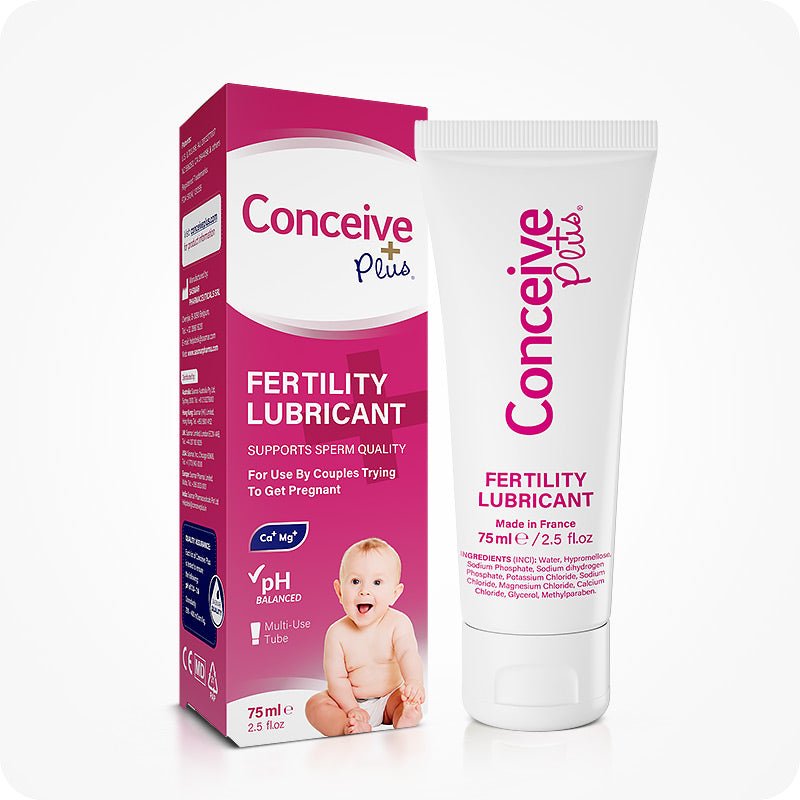
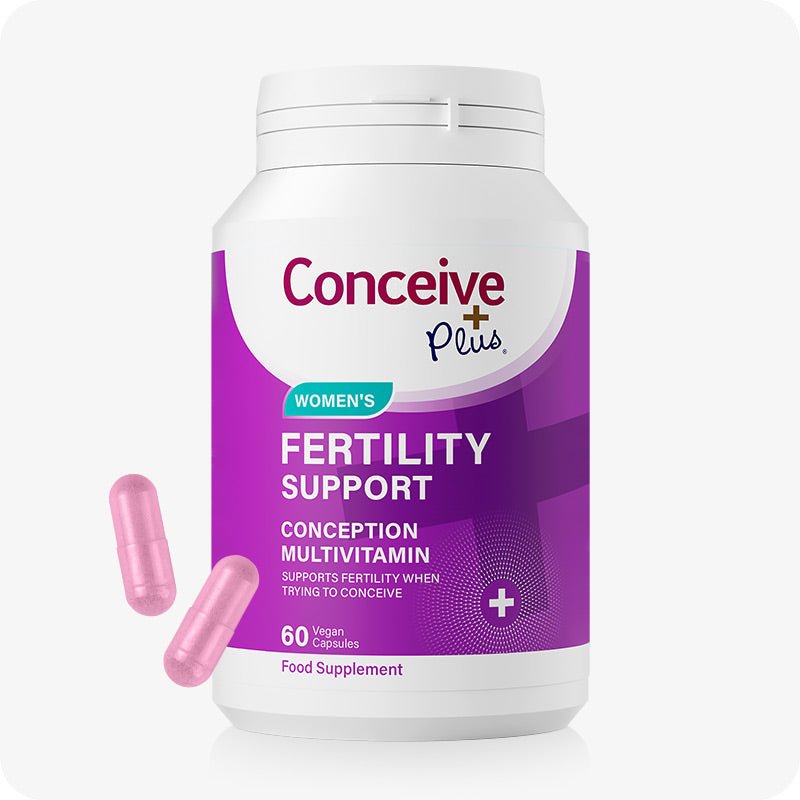
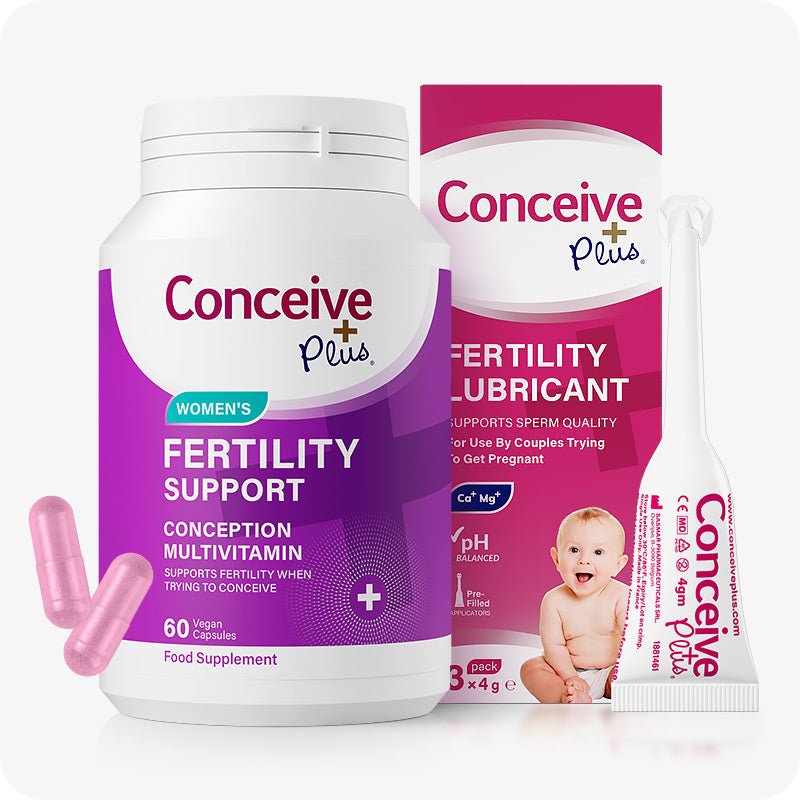
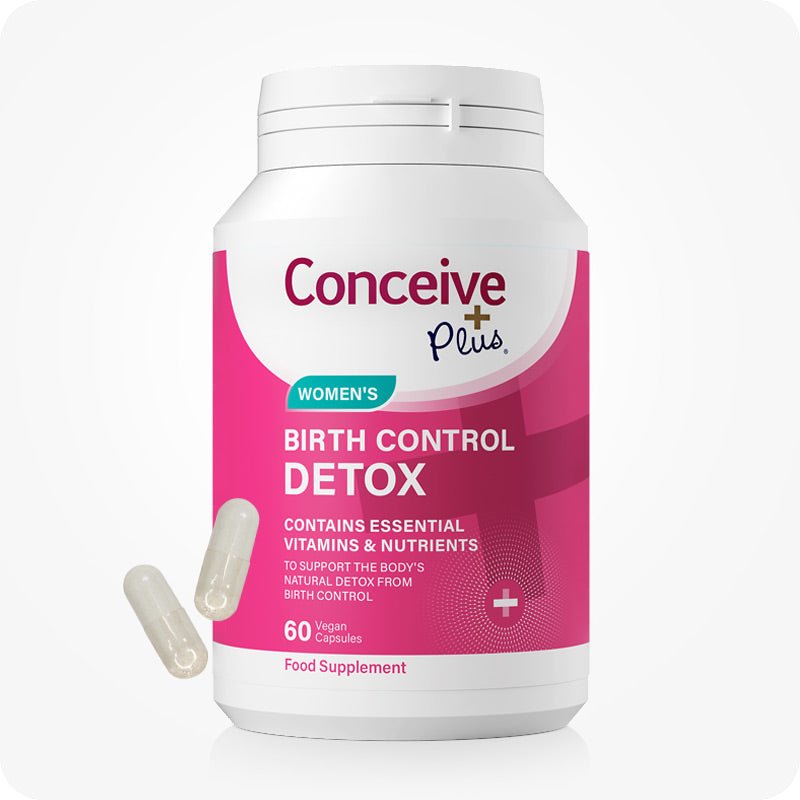
Shop Conceive Plus Fertility Supplements → — Clinically informed fertility nutrition for every stage of your journey.
Diet is one of the most evidence-backed pillars of IVF preparation. Research consistently links dietary patterns to IVF outcomes, with the Mediterranean diet showing particularly strong associations with improved pregnancy rates in IVF patients.
The Mediterranean fertility diet during IVF preparation includes:
- Abundant colourful vegetables and fruits — rich in antioxidants that protect eggs and sperm from oxidative damage
- Olive oil as primary fat source — oleic acid supports cell membrane health
- Fatty fish 2–3 times weekly — omega-3 DHA/EPA critical for embryo development
- Legumes and pulses — plant protein with high folate content
- Whole grains over refined carbohydrates — supports insulin sensitivity and hormonal balance
- Lean poultry and eggs — complete protein with fertility-supporting nutrients
- Moderate nuts and seeds — zinc, selenium, and healthy fats for both partners
A 2018 study in Human Reproduction tracking 244 women undergoing IVF found that adherence to a Mediterranean dietary pattern was associated with a 40% higher chance of achieving a clinical pregnancy and a 35% higher live birth rate compared with women with low adherence.
Foods to minimise during IVF preparation:
- Processed meats and high-temperature cooked red meat
- Trans fats (found in ultra-processed foods, some baked goods)
- High-sugar drinks and foods that spike insulin
- Alcohol — ideally eliminated entirely during IVF cycles
- Excess caffeine (limit to under 200 mg/day — roughly one coffee)
- High-mercury fish (swordfish, shark, king mackerel)
Key Supplements for IVF Preparation
Supplements cannot replace a healthy diet, but the right ones can meaningfully support IVF preparation by filling nutritional gaps and providing therapeutic doses of specific nutrients with fertility evidence.
Folic acid / methylfolate — Non-negotiable. 400–800 mcg daily, ideally as L-methylfolate for superior bioavailability regardless of MTHFR status. Begin at least one month before IVF (ideally three months).
CoQ10 (Coenzyme Q10) — Perhaps the most discussed supplement in IVF preparation circles. CoQ10 is a mitochondrial cofactor that powers the energy-intensive process of egg maturation. As we age, cellular CoQ10 levels decline. Multiple studies, including a landmark RCT published in Fertility and Sterility, showed that CoQ10 supplementation (600 mg/day ubiquinol) in women over 35 was associated with improved ovarian response, higher fertilisation rates, and more high-quality embryos.
Vitamin D3 — Widespread deficiency in the UK population makes vitamin D3 critical during IVF preparation. Vitamin D receptors are expressed in granulosa cells, the endometrium, and early embryos. Research from the Human Reproduction journal found that vitamin D-sufficient women had significantly higher IVF success rates than deficient women. Get levels tested before supplementing; 2,000–4,000 IU is commonly recommended to correct deficiency.
DHEA (Dehydroepiandrosterone) — For women with diminished ovarian reserve (DOR) or poor ovarian response, DHEA supplementation has accumulated meaningful evidence. Multiple studies and meta-analyses suggest 75 mg DHEA daily for at least 8–12 weeks before IVF may improve ovarian response, embryo quality, and clinical pregnancy rates. Discuss with your reproductive endocrinologist before adding DHEA.
Omega-3 fatty acids (DHA/EPA) — Critical for embryo development and uterine receptivity. Omega-3s also reduce systemic inflammation, which may improve implantation environment. Aim for 500–1000 mg combined DHA/EPA daily from high-quality fish oil or algae-based supplements.
Vitamin E and Vitamin C — Antioxidant vitamins that protect eggs from oxidative stress during the stimulation phase. Some fertility clinics incorporate high-dose antioxidant protocols for poor responders.
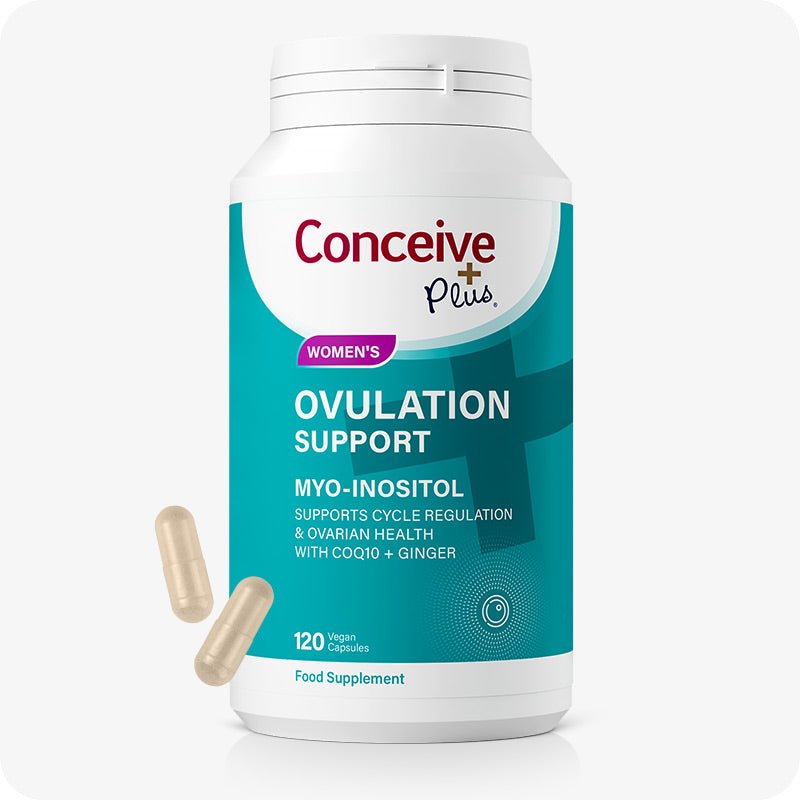
Inositol (Myo-inositol and D-chiro-inositol) — Particularly relevant for women with PCOS undergoing IVF. Inositol supports insulin signalling in granulosa cells and improves oocyte maturation. A combination of myo-inositol and D-chiro-inositol in a 40:1 ratio mirrors physiological concentrations most closely.
Conceive Plus offers a comprehensive range of supplements to support your IVF preparation. Explore our fertility supplement range →
Lifestyle Optimisation for IVF Success
Beyond nutrition and supplements, several lifestyle factors have evidence-backed links to IVF outcomes:
Weight and BMI — Both underweight (BMI <18.5) and overweight (BMI >30) status are associated with reduced IVF success rates. Excess adipose tissue affects oestrogen metabolism and ovarian function; underweight status can compromise ovarian reserve and uterine lining development. Achieving a healthy BMI before IVF — even modest 5–10% weight loss if overweight — can meaningfully improve outcomes.
Exercise — Moderate exercise (150 minutes of moderate-intensity activity per week) is beneficial during IVF preparation, supporting healthy weight, insulin sensitivity, and stress reduction. However, intense, high-impact exercise (particularly more than 4 hours of vigorous activity per week) has been associated with reduced IVF success rates in some studies. During the stimulation phase, your clinic will likely advise you to reduce activity due to the risk of ovarian torsion with enlarged ovaries.
Sleep — Chronic sleep deprivation disrupts hormonal signalling, raises cortisol, and impairs ovarian function. Prioritise 7–9 hours of quality sleep during IVF preparation. Consider sleep hygiene practices: consistent bedtime, limiting screen time before bed, and keeping the bedroom cool and dark.
Smoking cessation — Smoking is one of the most damaging habits for fertility and IVF outcomes. Chemicals in cigarette smoke are toxic to eggs, accelerate ovarian ageing, and reduce endometrial receptivity. Research shows IVF success rates are significantly lower in smokers compared to non-smokers. There is no safe level of smoking during IVF preparation.
Alcohol — Even moderate alcohol consumption during IVF preparation has been associated with reduced success rates in some studies. Most fertility specialists recommend complete abstinence from the start of stimulation through the result of the pregnancy test (and continuing through pregnancy if successful).
Mental Health and Stress Management During IVF Preparation
The psychological burden of IVF is real and significant. Studies using standardised measures find that anxiety and depression scores in IVF patients are comparable to those in patients facing serious medical diagnoses. Yet the relationship between stress and IVF outcomes is complex — while chronic severe stress likely has physiological effects on fertility, there is no robust evidence that ordinary levels of stress directly cause IVF failure.
That said, managing stress matters enormously for your quality of life, relationship health, and ability to sustain the IVF process over multiple cycles if needed.
Evidence-supported approaches to stress management during IVF preparation:
- Mind-body interventions — Mindfulness-based stress reduction (MBSR) programmes have been studied in IVF populations and show benefits for psychological wellbeing and potentially embryo transfer outcomes
- Cognitive behavioural therapy (CBT) — Particularly helpful for managing the anticipatory anxiety before cycle outcomes
- Acupuncture — While evidence for direct IVF outcome improvement is mixed, acupuncture consistently reduces anxiety and is safe during IVF preparation
- Fertility counselling — All licensed UK fertility clinics are required to offer counselling. Use it. It's not a sign of weakness; it's a sign of wisdom
- Peer support — Connecting with others going through IVF via forums (Fertility Friends, Mumsnet) or support groups reduces isolation
What to Discuss With Your Clinic Before IVF
Effective IVF preparation includes an informed conversation with your fertility team. Questions to ask before starting your cycle:
- Which IVF protocol is recommended for me, and why? (Long down-regulation, antagonist, flare, minimal stimulation?)
- What is my AMH level and antral follicle count (AFC)? What does this mean for my expected response?
- Are there any additional tests I should complete before starting? (Thrombophilia panel, immune testing, ERA/EMMA/ALICE, sperm DNA fragmentation?)
- What supplements does the clinic recommend or advise against during stimulation?
- Is there a recommended weight range or lifestyle change the clinic needs before proceeding?
- What is the clinic's policy on fresh vs frozen embryo transfer?
- Is PGT-A (preimplantation genetic testing) recommended in my case?
IVF Preparation Timeline: A Month-by-Month Guide
3 months before planned cycle start:
- Begin methylfolate, CoQ10, omega-3, vitamin D supplementation
- Both partners begin supplement protocol
- Implement Mediterranean diet pattern
- Eliminate smoking, reduce alcohol to nil
- Establish consistent sleep schedule
- Begin moderate exercise routine if not already active
2 months before cycle start:
- Book any additional investigations your clinic recommended
- Review and adjust supplement stack with clinic input
- Consider fertility counselling/psychological support
- Confirm treatment plan and timeline with clinic
1 month before cycle start:
- Pharmacy: collect or confirm medication supply plan
- Work/life planning: arrange flexibility around monitoring appointments
- Reduce exercise intensity; shift to yoga, walking, swimming
- Eliminate alcohol entirely
- Attend nurse clinic for injection training
Frequently Asked Questions About IVF Preparation
Q: How long should I prepare before starting IVF?
A: Ideally three months, which aligns with the egg development cycle. Even four to eight weeks of preparation is better than none. Start as early as possible once you know IVF is your path.
Q: Does CoQ10 really help IVF outcomes?
A: The evidence is promising, particularly for women over 35 or with diminished ovarian reserve. The largest RCT to date showed improved ovarian response with 600 mg ubiquinol daily. It's widely used and generally well-tolerated.
Q: Should my partner take supplements for IVF preparation?
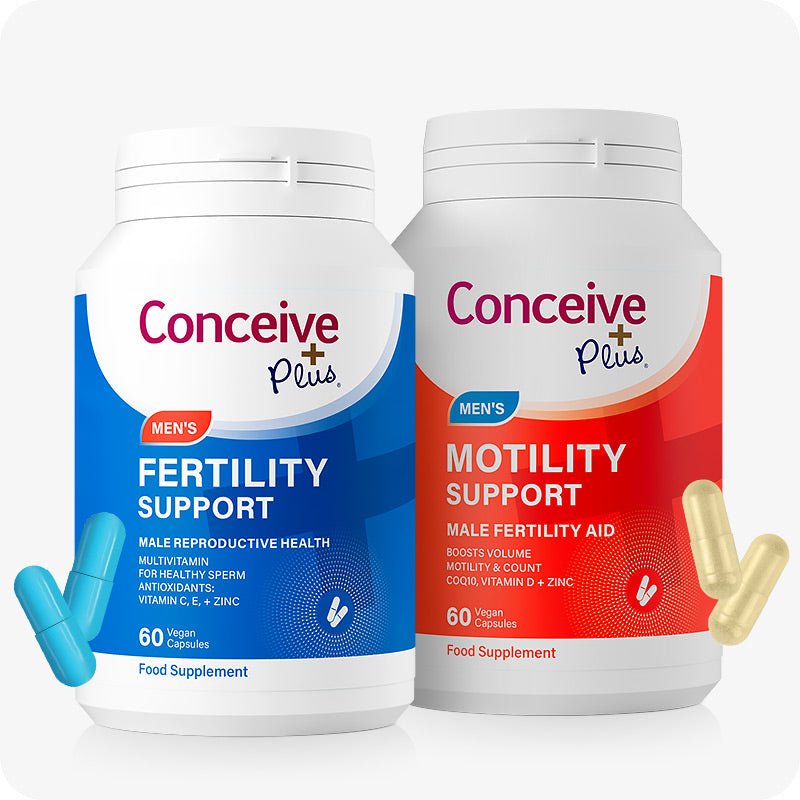
A: Absolutely. Sperm quality directly affects fertilisation rates and embryo quality. Male partners should consider a complete male fertility supplement with zinc, selenium, folate, CoQ10, and vitamin C for at least three months before sperm collection.
Q: Is acupuncture before embryo transfer worth it?
A: The evidence for acupuncture improving IVF live birth rates directly is weak. However, if you find it helpful for relaxation and stress reduction, it is safe and may offer indirect benefits through improved wellbeing.
Q: Can I exercise during IVF stimulation?
A: Light to moderate activity (walking, gentle yoga) is generally fine during stimulation. Avoid high-impact exercise, especially after day 5–6 of stimulation when ovaries are enlarging. Ask your clinic for specific guidance.
Q: Does alcohol affect IVF outcomes?
A: Multiple studies suggest even moderate alcohol consumption is associated with reduced IVF success rates. Most specialists recommend abstinence from the start of a cycle through pregnancy test — and ideally during all of IVF preparation.
Q: What is endometrial scratching and should I have it before IVF?
A: Endometrial scratching is a procedure where the uterine lining is lightly scratched to theoretically improve implantation. Evidence from large RCTs has been inconsistent; it's not universally recommended. Discuss with your clinic based on your history.
Q: How important is weight for IVF success?
A: Very important. Both underweight and overweight status are associated with reduced success rates. Even modest weight changes — 5–10% of body weight — can meaningfully improve IVF outcomes. Many clinics have BMI cut-offs for treatment.
Q: Can stress cause IVF to fail?
A: The evidence linking day-to-day stress to direct IVF failure is weak. However, chronic severe psychological distress may affect hormonal regulation. Managing stress supports your wellbeing and resilience through treatment, which matters regardless of direct outcome effects.
Q: Are there supplements I should avoid during IVF?
A: Yes. High-dose antioxidants (vitamin A above 10,000 IU, very high vitamin E) during stimulation may be counterproductive as some reactive oxygen species play a role in folliculogenesis. St John's Wort can interact with medications. Always share your full supplement list with your clinic.
Making the Most of Your IVF Preparation
IVF preparation is not about achieving perfection — it's about giving your body the best possible environment to respond to treatment. Small, consistent improvements in nutrition, supplementation, sleep, and stress management compound over the 90-day preparation window to meaningfully support egg quality, ovarian response, and uterine receptivity.
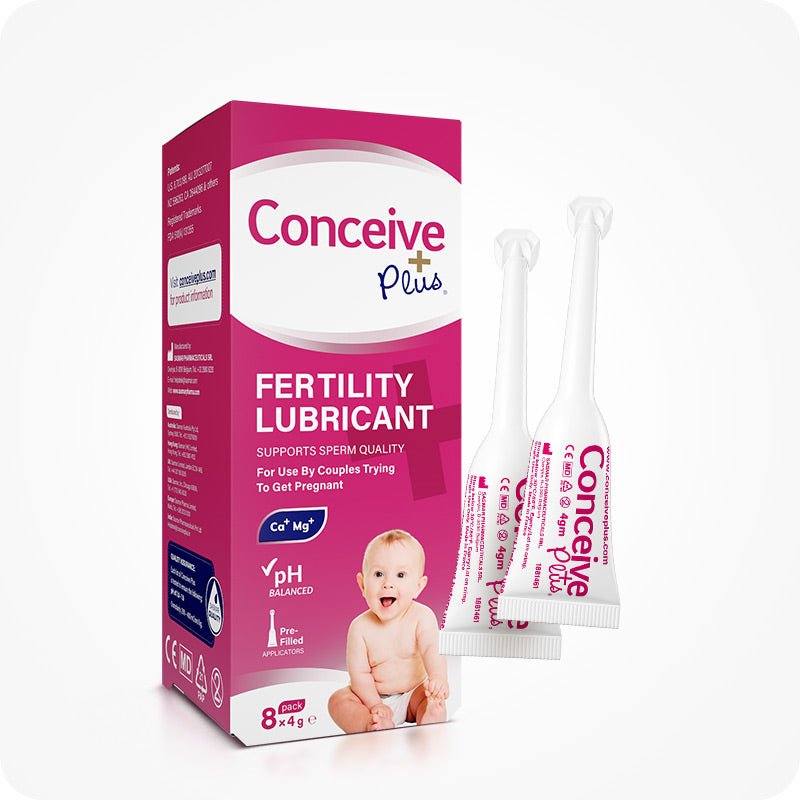
Conceive Plus is here to support your journey with clinically informed fertility supplements designed to complement your IVF preparation protocol. Our comprehensive range includes prenatal vitamins with methylfolate, CoQ10 support, and complete male fertility formulas — everything you and your partner need for three months of focused preparation.
Start your IVF preparation with Conceive Plus supplements today →
This content is for informational purposes only and should not replace medical advice from your fertility clinic or healthcare provider. Always discuss supplement use with your IVF team.
Start your journey with Conceive Plus
Science-backed fertility supplements formulated for women and men trying to conceive. Trusted by thousands of couples worldwide.