Ovulation Tracking: The Complete Guide to Finding Your Fertile Window


Ovulation Tracking: The Complete Guide to Finding Your Fertile Window
Ovulation tracking is the single most effective thing most couples can do to increase their monthly chances of conception. Studies consistently show that couples who accurately identify the fertile window and time intercourse accordingly increase their conception probability by 2–3 times compared to those who don't track. Yet many people trying to conceive have only a vague understanding of how ovulation works, what signs to look for, or which tracking methods are most reliable.
This guide explains the biology of ovulation, every available tracking method ranked by evidence, how to interpret what you find, and how to use that information strategically when trying to conceive. Accurate ovulation tracking transforms the guesswork of TTC into a precise, confident practice.
The Biology of Ovulation and Why Timing Matters
A human egg is viable for fertilisation for just 12–24 hours after ovulation. Sperm, by contrast, can survive in the female reproductive tract for 3–5 days when cervical mucus is fertile-quality. This creates a conception window of approximately 6 days per cycle: the 5 days before ovulation plus the day of ovulation itself.
The highest conception probability is in the 2 days before ovulation and on ovulation day itself. A landmark study published in the New England Journal of Medicine found that 90%+ of conceptions occurred from intercourse in this 6-day fertile window, with the peak probability (35%) on the day before ovulation.
In a textbook 28-day cycle, ovulation occurs around day 14. But research shows that fewer than 15% of women with regular cycles ovulate on day 14. Most women's cycles vary by 7–14 days month to month, meaning ovulation timing shifts substantially. Ovulation tracking cuts through this variability and helps you identify your personal fertile window with precision.
Method 1: LH Surge Testing with Ovulation Test Strips
Ready to take action? Shop Conceive Plus fertility supplements →
Ovulation test strips detect the LH (luteinising hormone) surge that triggers ovulation approximately 24–36 hours before the egg is released. This makes them one of the most predictive methods available for ovulation tracking.
LH is present in urine at low levels throughout the cycle. Around 24–48 hours before ovulation, LH levels spike dramatically — this is the LH surge. A positive ovulation test (test line as dark or darker than control line) indicates the surge has occurred and that ovulation is imminent.
How to use ovulation test strips:
- Start testing 3–4 days before your expected ovulation (around day 10–11 in a 28-day cycle)
- Test at the same time each day, ideally between 10am–8pm (morning urine can be falsely concentrated)
- Reduce liquid intake 2 hours before testing
- A positive result means have intercourse that day and the following day
Limitations: Women with PCOS may have multiple LH surges per cycle or chronically elevated LH, making interpretation difficult. Sensitive strips (10 mIU/mL) detect the surge earlier but may also detect false-positive mini-surges in some women.
Method 2: Basal Body Temperature (BBT) Charting
BBT is your body's temperature at complete rest. After ovulation, progesterone causes a rise of approximately 0.2–0.5°C (0.3–0.9°F) that persists until your period starts. By charting this temperature daily, you can identify when ovulation occurred — and over several cycles, predict when it's likely to occur again.
How to chart BBT:
- Take your temperature every morning before getting out of bed, speaking, or drinking anything
- Use a basal thermometer (reads to 0.1°C/0.01°F) and record at the same time each day
- A sustained rise of ≥0.2°C for 3 consecutive days confirms ovulation has occurred
- Plot your chart on paper or an app and look for the biphasic pattern
Key limitation: BBT charting is retrospective — it confirms ovulation happened but doesn't predict it in advance. It becomes predictive only after several cycles of charting reveal a pattern. Use BBT alongside LH strips for both prediction and confirmation.
Method 3: Cervical Mucus Monitoring
Cervical mucus changes throughout the menstrual cycle in response to oestrogen and progesterone. Monitoring these changes is a core part of the Fertility Awareness Method (FAM) and is one of the most underused but effective ovulation tracking tools available.
The progression:
- Post-period / early cycle: Dry or minimal mucus — not fertile
- Mid-cycle, approaching ovulation: Sticky, white/cloudy, low elasticity — approaching fertility
- Peak fertile days: Clear, slippery, stretchy like raw egg white (EWCM — egg white cervical mucus) — maximally fertile
- Post-ovulation: Returns to sticky or dry as progesterone rises
EWCM is the body's natural sperm-friendly medium. The days you observe EWCM are your most fertile days — research shows that intercourse on EWCM days has a conception probability comparable to intercourse around detected LH surges.
Method 4: Digital Ovulation Monitors
Advanced fertility monitors (e.g., Clearblue Advanced, Mira) track both oestrogen and LH, providing earlier warning of the fertile window. These devices identify peak fertility (LH surge) and high fertility (oestrogen rise in the days before) rather than simply detecting the LH surge binary.
Compared to standard LH strips, these monitors typically identify 2–3 additional fertile days per cycle by detecting the oestrogen rise. Studies show they increase the number of cycles where couples correctly identify and act on the fertile window. The tradeoff is cost — a monitor plus monthly test strips can cost £50–£100/month.
Method 5: Wearable BBT Devices
Wearable thermometers (e.g., Tempdrop, Ava bracelet) measure temperature continuously during sleep, removing the timing and user-error variability of manual BBT charting. Algorithms process raw data and identify the thermal shift associated with ovulation, retroactively confirming when ovulation occurred. Research on Ava found it detected the fertile window 5.3 days/cycle with 89% accuracy.
Combining Methods for Maximum Accuracy
The most effective ovulation tracking approach combines methods:
- LH strips for day-specific prediction of imminent ovulation
- Cervical mucus monitoring to identify the fertile window as it opens (EWCM often precedes positive LH test)
- BBT charting for retrospective confirmation and pattern building across cycles
When LH strips and EWCM both signal fertility, conception probability is at its peak. If BBT confirms ovulation occurred 24–36 hours after your positive LH test, your tracking is well calibrated.
When Ovulation Tracking Reveals a Problem
Consistent ovulation tracking over 2–3 cycles often reveals patterns that warrant medical follow-up:
- No LH surge detected: May indicate anovulatory cycles — confirm with a Day 21 progesterone test
- Very short luteal phase (<10 days): Luteal phase defect — progesterone production may be insufficient to maintain a pregnancy
- Multiple LH surges per cycle: Common in PCOS — the ovaries attempt but may not succeed in releasing an egg
- No temperature rise on BBT: Anovulation confirmed; seek GP or gynaecologist referral
- Highly irregular cycles: May indicate PCOS, thyroid dysfunction, or hypothalamic amenorrhoea
How Conceive Plus Supports Fertile Window Success
Identifying your fertile window is step one. Maximising its effectiveness is step two. Conceive Plus offers products designed to work with your fertile window rather than against it.
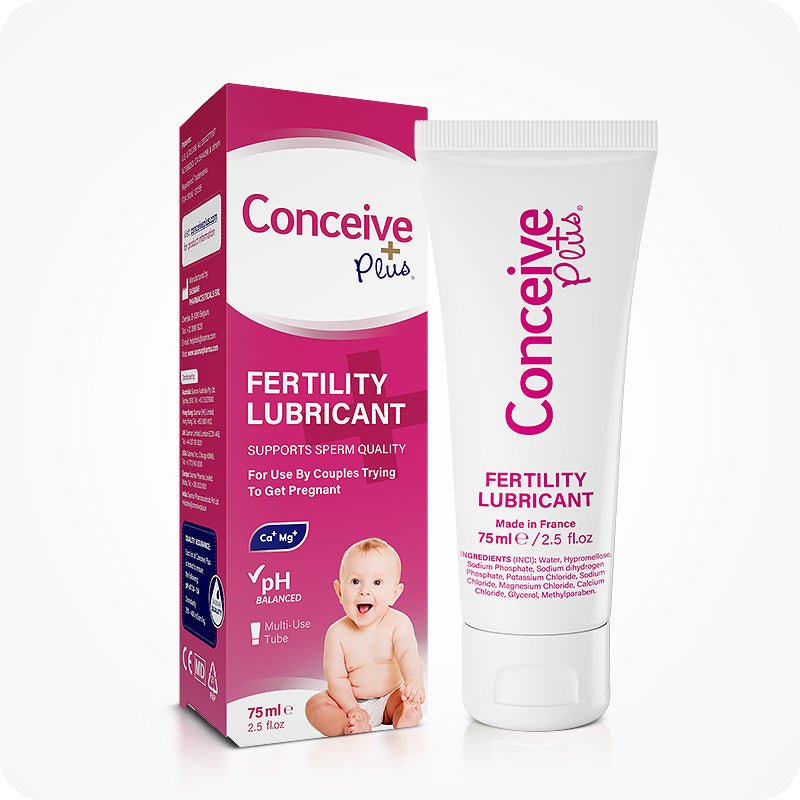
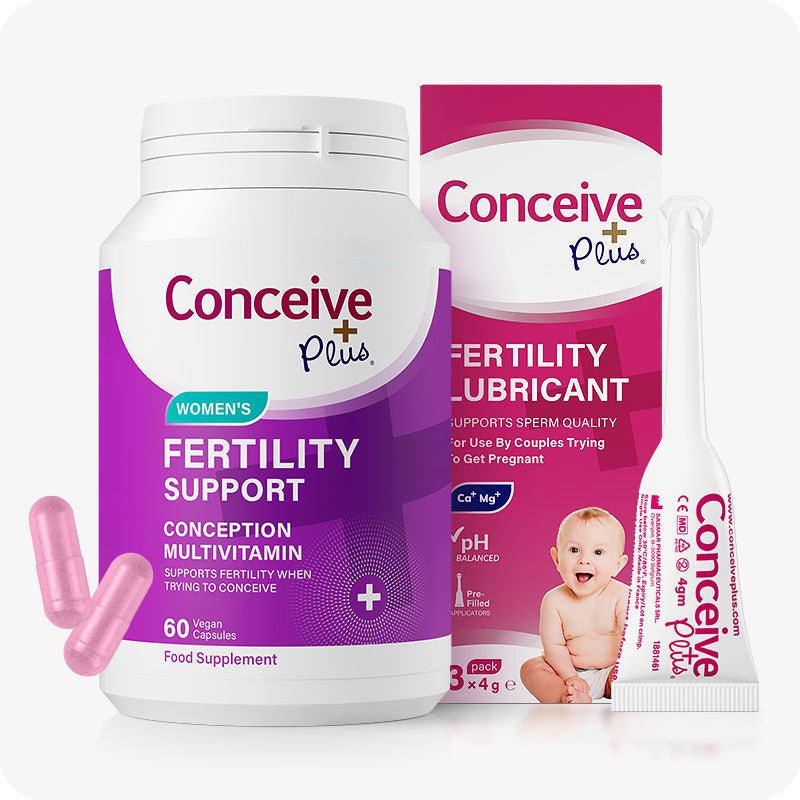
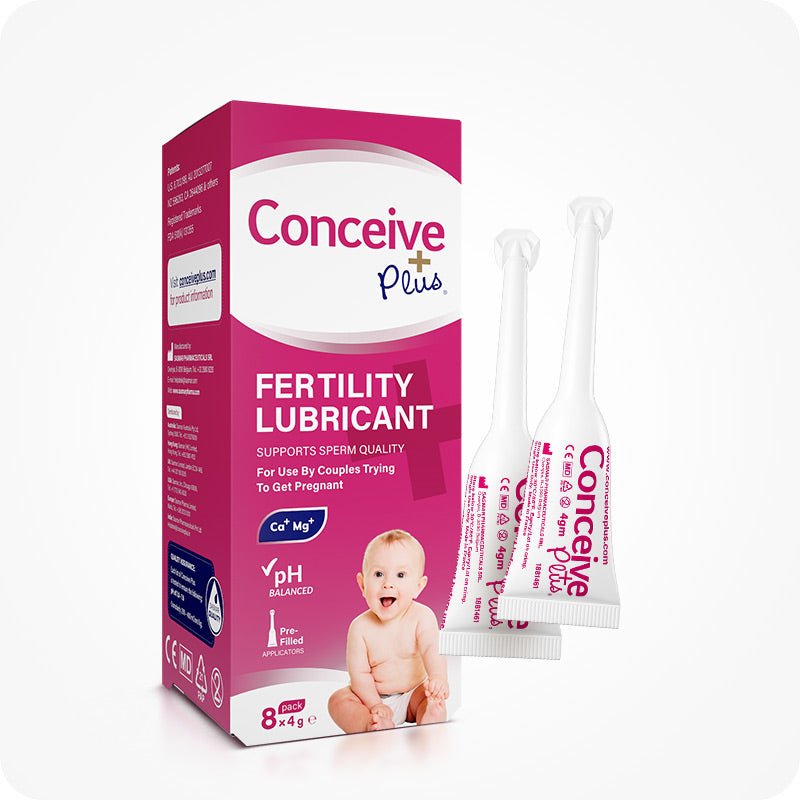
Conceive Plus fertility lubricant — available in both tube and single-use applicator formats — is isotonic, pH-balanced, and formulated with calcium and magnesium ions that support sperm function. Unlike standard lubricants that reduce sperm motility by up to 80%, Conceive Plus creates the ideal microenvironment for sperm survival and transport during your most fertile days.
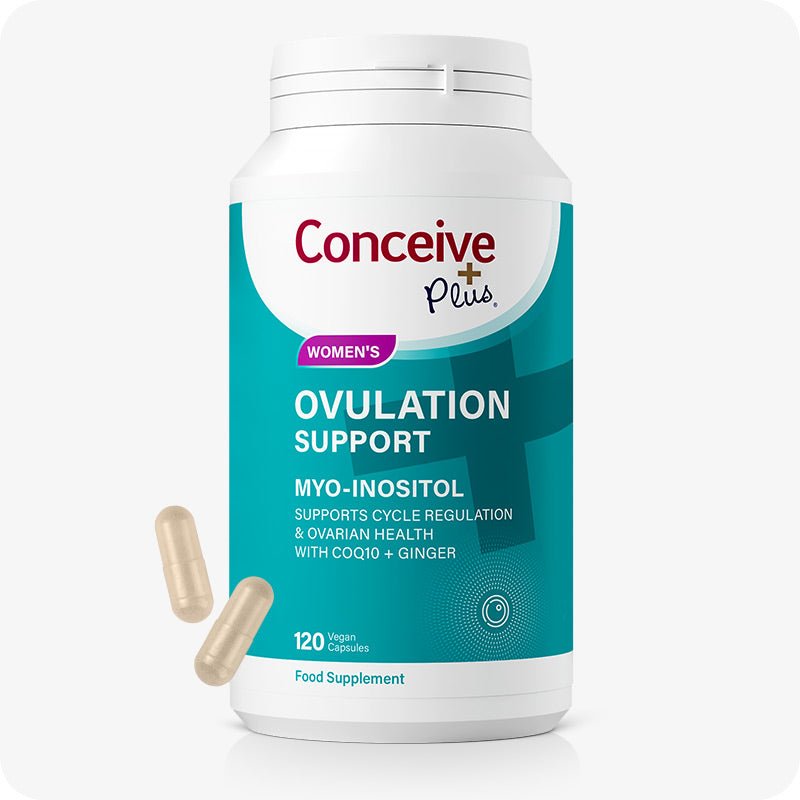
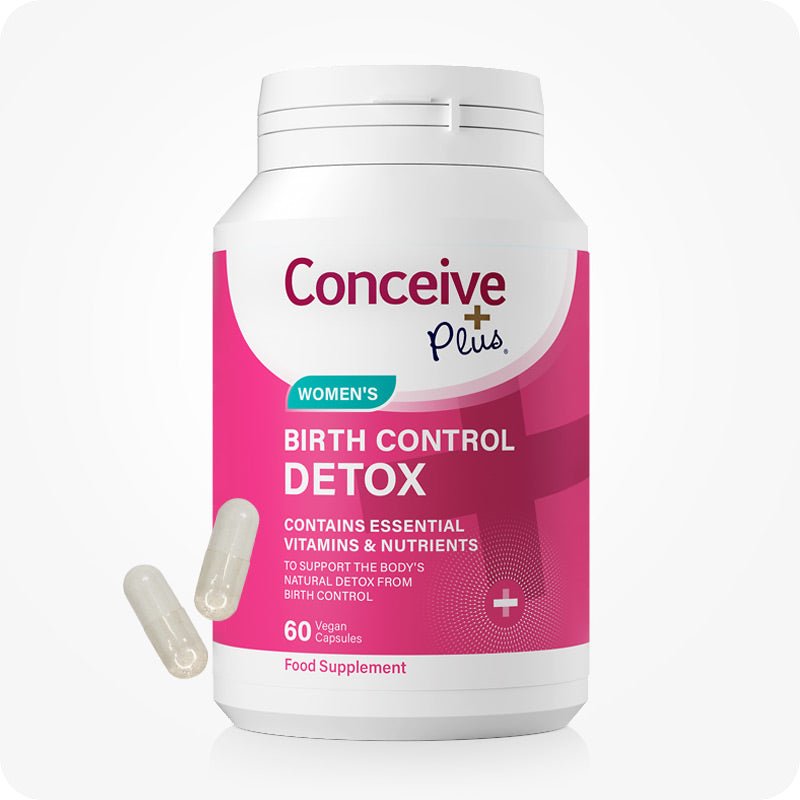
Conceive Plus Women's Ovulation Support supplement contains a targeted combination of inositol (supports ovulatory function and egg quality), folate, and key nutrients to support regular, healthy ovulation — particularly useful for women with irregular cycles or PCOS. Conceive Plus supports your entire TTC journey — from identifying your LH surge to maximising conception when it counts.
→ Shop Conceive Plus Ovulation Support at conceiveplus.co.uk
Frequently Asked Questions: Ovulation Tracking
Q1: How many days before ovulation should I start testing with LH strips?
Begin testing around day 10 for a 28-day cycle, day 8 for shorter cycles, or day 14 for longer cycles (approximately 4 days before your expected ovulation). Test daily, and twice daily when you notice darkening of the test line.
Q2: Can I have a positive LH test but not ovulate?
Yes — in LUF (luteinised unruptured follicle) syndrome, the LH surge occurs but the follicle doesn't rupture. BBT charting can help detect this: LUF may produce a smaller or delayed temperature rise. PCOS can also cause multiple LH surges without ovulation.
Q3: Does stress affect ovulation timing?
Yes significantly. Psychological stress elevates cortisol, which suppresses GnRH pulsatility and can delay or suppress ovulation. If you're in a stressful period, continue daily testing through what would normally be your fertile window — don't assume ovulation followed its historical pattern.
Q4: I got a positive LH test — when should I have intercourse?
Ideally, the same day as the positive test and the following day. Some specialists recommend the day before, day of, and day after a positive LH test, given the 12–24-hour post-surge ovulation window and 3–5-day sperm survival time.
Q5: Is cervical mucus monitoring reliable enough on its own?
Well-trained use of the Fertility Awareness Method (cervical mucus + BBT) has very high effectiveness when used correctly. For TTC, combining it with LH strips gives confidence without requiring perfect charting technique.
Q6: What if I never see egg white cervical mucus?
Some women produce less EWCM naturally, particularly those who drink insufficient water, take antihistamines, or have certain hormonal patterns. Using Conceive Plus fertility lubricant during the fertile window provides a sperm-friendly environment even when natural EWCM is limited.
Q7: Can BBT help detect pregnancy?
Yes — if your temperature remains elevated for 18+ consecutive days after ovulation without your period arriving, this is a strong indicator of pregnancy (triphasic BBT pattern). A pregnancy test will confirm.
Q8: How long should I track before seeing a pattern?
Allow 2–3 cycles to establish your personal cycle length and ovulation timing. Most women find their pattern consistent to within 2–3 days once properly calibrated. Significant variation beyond this warrants investigation with your GP or gynaecologist.
Q9: Does my cycle length affect when I ovulate?
Yes. In most women, the luteal phase (after ovulation) is relatively fixed at 12–16 days. This means cycle length variation occurs almost entirely in the pre-ovulatory follicular phase. A woman with 35-day cycles may ovulate around day 19–21, not day 14. This is why cycle length alone does not reliably predict ovulation timing without tracking.
Q10: Are fertility tracking apps accurate for ovulation prediction?
Apps that use only period dates to predict ovulation (calendar apps) are moderately accurate for women with very regular cycles but significantly less accurate for women with variable cycles. Apps that incorporate BBT, LH, and cervical mucus data (e.g., Natural Cycles, Clue) provide substantially better prediction accuracy.
Ready to take action? Shop Conceive Plus fertility supplements →