Male Fertility: The Complete Guide to Understanding and Improving Sperm Health


Male Fertility: The Complete Guide to Understanding and Improving Sperm Health
For generations, infertility was framed predominantly as a women's issue. Today, science tells a different story. Male factor infertility is a contributing cause in approximately 40–50% of all infertile couples, and the sole cause in roughly 20–30% of cases. Despite these figures, male fertility often receives far less attention — both medically and culturally — than female reproductive health.
This comprehensive guide is designed to change that. Whether you're just beginning to think about conception or you've already received a concerning semen analysis result, understanding sperm health is an essential part of the fertility picture. We'll cover what the science says about sperm parameters, the causes of male infertility, evidence-based lifestyle and nutritional interventions, medical treatment options, and when to seek specialist care.
Understanding Sperm Parameters: What the Numbers Mean
A semen analysis is the cornerstone of male fertility evaluation. The World Health Organization (WHO) published updated reference values in 2021, based on data from fertile men who fathered pregnancies within 12 months. Understanding these parameters is the starting point for any male fertility conversation.
Sperm concentration (count): The number of sperm per millilitre of ejaculate. The WHO 2021 5th percentile reference value is 16 million/mL (down from 15 million/mL in the 2010 reference), with a total sperm count per ejaculate of ≥39 million. Below these thresholds is classified as oligospermia. Severe oligospermia is typically defined as fewer than 5 million/mL.
Total motility: The percentage of sperm that are moving (both progressive and non-progressive). The WHO 2021 threshold is ≥42% total motility. Progressive motility — sperm moving forward in a straight or large curved path — should be ≥30%. Reduced motility is called asthenospermia.
Morphology: The percentage of sperm with normal shape, assessed by strict Kruger criteria (Tygerberg). The WHO 2021 reference is ≥4% normal forms. Even in fertile men, the majority of sperm have abnormal morphology — the 4% threshold reflects the lower end of the normal range. Abnormal morphology is called teratospermia.
Volume: Normal ejaculate volume is 1.4–7.6 mL. Low volume (hypospermia) or very high volume can be associated with obstruction, infection, or retrograde ejaculation.
DNA fragmentation: Not part of a standard semen analysis, but increasingly recognized as important. DNA fragmentation index (DFI) measures the percentage of sperm with fragmented DNA. A DFI above 15–25% (depending on the test used) is associated with reduced natural conception rates and IVF success.
It's important to understand that semen analysis has significant variability — results can fluctuate substantially between samples taken weeks apart. The WHO recommends that an abnormal result be confirmed with a second sample before clinical decisions are made, particularly for borderline results.
What Causes Male Infertility?
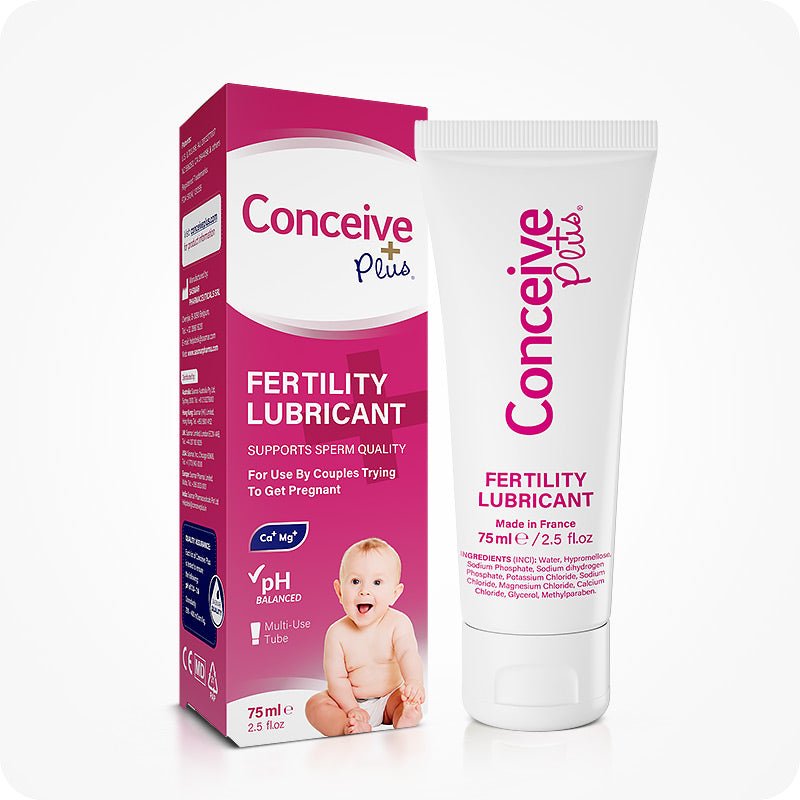
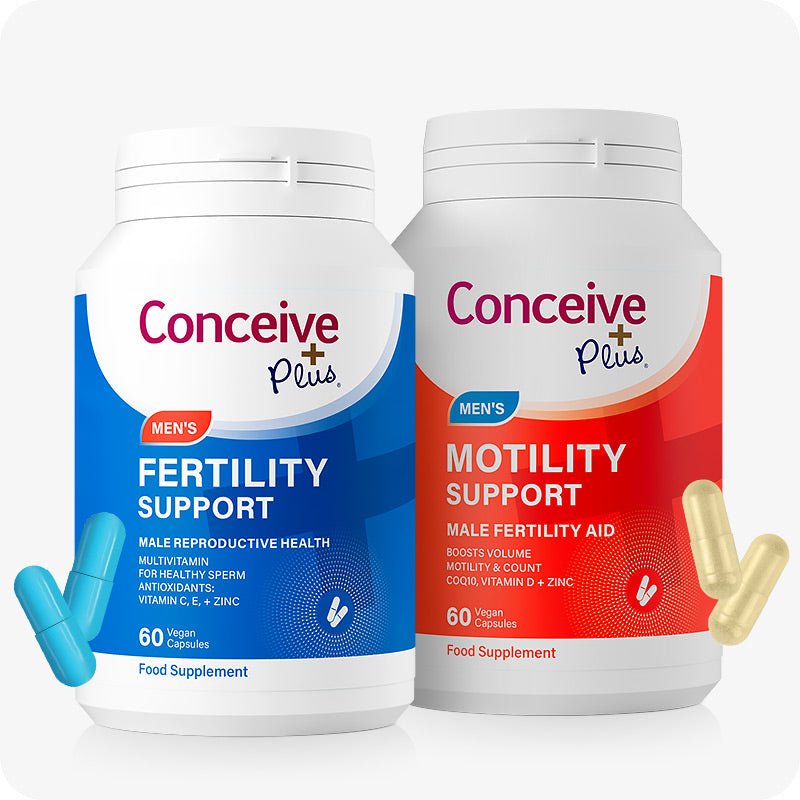
Male fertility is equally important on the path to conception. Conceive Plus Men's Fertility Support provides clinically-studied nutrients including zinc, selenium, CoQ10, and L-carnitine to support healthy sperm count, motility, and morphology. Explore Men's Fertility Support →
Male infertility is not a single condition but a symptom of many different underlying causes. Identifying the cause — or causes — is essential for choosing the right treatment approach.
Varicocele: Abnormal dilation of the veins within the scrotum (similar to varicose veins), occurring in approximately 15% of all men and in 35–40% of men presenting with primary infertility. Varicoceles increase scrotal temperature and create oxidative stress in the testicular environment, impairing spermatogenesis. Varicocele repair (varicocelectomy) is the most common surgical treatment for male infertility and has the strongest evidence base.
Hormonal imbalances: Hypogonadism — low testosterone — can result from primary testicular failure or secondary causes (pituitary or hypothalamic dysfunction). Elevated prolactin (hyperprolactinemia), thyroid disorders, and congenital adrenal hyperplasia can all affect sperm production. Exogenous testosterone therapy is a significant and often overlooked cause of severe oligospermia — testosterone replacement suppresses FSH and LH, dramatically reducing intratesticular testosterone and spermatogenesis.
Genetic factors: Chromosomal abnormalities account for approximately 15–20% of azoospermia (no sperm in ejaculate) cases. Klinefelter syndrome (47,XXY) is the most common, affecting approximately 1 in 600 males. Y chromosome microdeletions — specifically in the AZFa, AZFb, and AZFc regions — affect sperm production and are present in approximately 10–15% of men with severe oligospermia. Cystic fibrosis gene mutations (CFTR) can cause congenital bilateral absence of the vas deferens (CBAVD), resulting in obstructive azoospermia.
Obstruction: Blockages in the epididymis, vas deferens, or ejaculatory ducts can prevent sperm from being present in the ejaculate despite normal sperm production. Causes include previous vasectomy, infections (particularly gonorrhea or chlamydia), and congenital abnormalities.
Infections and inflammation: Orchitis (testicular inflammation, commonly from mumps in post-pubertal males), epididymitis, prostatitis, and sexually transmitted infections can all impair sperm production or function. Subclinical bacterial infection in the genital tract (identified by elevated white blood cells in semen) is also associated with increased sperm DNA damage.
Idiopathic: In approximately 30–40% of male infertility cases, no clear cause is identified — a category called idiopathic male infertility. Emerging research suggests that oxidative stress, environmental toxin exposure, and subclinical hormonal disruptions may play a role in many of these cases.
The Impact of Lifestyle on Sperm Health
Sperm quality is highly responsive to lifestyle factors. Because spermatogenesis (sperm production) takes approximately 74 days, lifestyle changes made today will be reflected in semen quality approximately 2–3 months later.
Heat exposure: The testes are located outside the body for a reason — sperm production requires a temperature 1–2°C lower than core body temperature. Regular use of hot tubs, saunas, or prolonged laptop use on the lap can temporarily reduce sperm count and motility. A study of hot tub users who discontinued use showed significant recovery in sperm parameters over 3–6 months.
Smoking: Cigarette smoke contains hundreds of toxic compounds that damage sperm DNA, reduce sperm concentration and motility, and impair sperm morphology. A meta-analysis of 20 studies found that smoking was associated with a 13–17% reduction in sperm density and a 10–12% reduction in sperm motility. Passive smoke exposure also negatively affects female fertility.
Alcohol: Chronic alcohol consumption is associated with reduced testosterone, impaired spermatogenesis, and increased sperm abnormalities. A Danish study of over 1,200 young men found a dose-dependent relationship: men consuming more than 25 units per week had significantly lower sperm concentration and morphology scores. Even moderate regular drinking (14+ units/week) showed measurable effects.
Obesity: Excess body fat — particularly abdominal adiposity — converts testosterone to estrogen via aromatase enzyme activity in fat tissue. Studies show that obese men have lower testosterone, higher estrogen, reduced sperm counts, and higher rates of sperm DNA fragmentation. A BMI above 25 is associated with progressively worsening semen parameters, and weight loss has been shown to improve sperm quality.
Anabolic steroids: Exogenous anabolic androgenic steroids (AAS) dramatically suppress the reproductive axis, reducing FSH and LH to near-zero, which essentially halts sperm production. Azoospermia (no sperm) develops in the majority of AAS users within months. Recovery can take 12–24 months after cessation, and may be incomplete in some cases. Men planning to conceive must discontinue AAS.
Environmental toxins: Occupational and environmental exposure to endocrine-disrupting chemicals (EDCs) — including pesticides, phthalates, bisphenol A (BPA), heavy metals, and industrial solvents — is increasingly recognized as a significant contributor to declining sperm counts globally. A landmark 2017 meta-analysis by Levine et al. documented a 52.4% decline in sperm concentration among men from Western countries between 1973 and 2011 — a trend many researchers attribute at least in part to EDC exposure.
Nutrition and Supplements for Male Fertility
The testes are highly metabolically active organs, and sperm are particularly vulnerable to oxidative stress — an imbalance between reactive oxygen species (ROS) and antioxidant defenses. Diet and targeted supplementation can meaningfully improve the antioxidant environment and provide key nutrients for spermatogenesis.
Zinc: Essential for testosterone production, sperm maturation, and protecting sperm DNA from oxidative damage. Zinc deficiency is associated with reduced sperm count and motility. A clinical trial published in Fertility and Sterility found that zinc supplementation (66 mg zinc sulfate daily) combined with folic acid significantly increased total sperm count in both fertile and subfertile men. Food sources include oysters, beef, pumpkin seeds, and legumes.
Selenium: A cofactor for the enzyme glutathione peroxidase, which protects sperm from oxidative damage. Selenium is concentrated in the testes and is essential for normal sperm morphology. Studies have found that selenium supplementation improves sperm motility and reduces DNA fragmentation. Brazil nuts are the richest dietary source (one or two per day typically provides adequate selenium).
Coenzyme Q10 (CoQ10): A powerful mitochondrial antioxidant. Sperm are highly dependent on mitochondrial function for motility, and CoQ10 is particularly concentrated in sperm midpiece (where mitochondria are located). A meta-analysis of 6 randomized controlled trials found that CoQ10 supplementation (200–300 mg daily) significantly improved sperm concentration, motility, and morphology. Doses of 200–400 mg daily are typically used in clinical practice.
Folate (Folic acid / Methylfolate): Folate is required for DNA synthesis and methylation — processes critical for normal sperm development and DNA integrity. Low folate is associated with increased sperm DNA fragmentation and aneuploidy (abnormal chromosome numbers in sperm). Men with the MTHFR gene variant benefit from methylfolate (5-MTHF) rather than synthetic folic acid.
L-carnitine: An amino acid derivative that plays a critical role in sperm energy metabolism by transporting long-chain fatty acids into mitochondria. L-carnitine and acetyl-L-carnitine are highly concentrated in epididymal fluid and are essential for sperm maturation and motility. Multiple clinical trials have shown L-carnitine supplementation (2–3 g daily) improves sperm motility, particularly in men with asthenospermia.
Omega-3 fatty acids: Docosahexaenoic acid (DHA) — a long-chain omega-3 — is a major structural component of the sperm tail and head membrane. Low DHA levels are associated with poor sperm motility. A randomized trial found that omega-3 supplementation (1.84 g DHA + EPA daily for 32 weeks) significantly improved sperm morphology and DHA content of sperm membranes.
Antioxidant-rich dietary pattern: The Mediterranean diet — rich in vegetables, fruits, legumes, whole grains, oily fish, and olive oil — has been associated with significantly better semen quality in multiple studies. A study of 215 men attending a fertility clinic found that high Mediterranean diet adherence was associated with significantly higher sperm concentration and progressive motility.
Medical Treatments for Male Infertility
When lifestyle and nutritional interventions are insufficient, or when there's an identified medical cause, a range of treatments is available:
Varicocelectomy: Surgical or microsurgical repair of varicocele is supported by strong evidence. A meta-analysis of 17 randomized controlled trials found significant improvements in sperm concentration, motility, and morphology following varicocelectomy, with spontaneous pregnancy rates of approximately 35–40% within 12 months.
Hormonal therapy: For men with hypogonadotropic hypogonadism (low FSH and LH from pituitary dysfunction), gonadotropin injections (FSH + hCG) can stimulate sperm production even in men who were previously azoospermic. Success rates vary based on the duration of hypogonadism and testicular reserve.
Intrauterine insemination (IUI): Processed sperm are placed directly into the uterus around the time of ovulation, increasing the number of sperm reaching the fallopian tubes. IUI is appropriate for mild to moderate male factor infertility. Per-cycle success rates are typically 8–15%, and most programs recommend up to 3–6 cycles before escalating to IVF.
IVF with ICSI (Intracytoplasmic sperm injection): A single sperm is injected directly into each egg, bypassing the need for sperm to penetrate the egg independently. ICSI has revolutionized the treatment of severe male factor infertility, enabling men with very low sperm counts — or even surgically retrieved sperm in cases of azoospermia — to father biological children. Success rates depend primarily on female partner factors (particularly age and egg quality).
Surgical sperm retrieval: For men with obstructive or non-obstructive azoospermia, sperm can be retrieved directly from the epididymis (PESA, MESA) or testes (TESA, microTESE) for use in ICSI. Microdissection TESE (microTESE) — in which a high-powered operating microscope is used to identify sperm-producing tissue — can retrieve sperm in 40–60% of men with non-obstructive azoospermia.
How Long Does It Take to Improve Sperm Quality?
One of the most important — and often overlooked — facts about male fertility is the timeline of spermatogenesis. The complete cycle of sperm production, from stem cell to mature sperm cell, takes approximately 74 days. An additional 12–14 days are required for sperm to mature as they transit through the epididymis. This means the sperm in any given ejaculate were produced approximately 3 months earlier.
This has significant practical implications: lifestyle changes, nutritional interventions, and supplements need at least 3 months to show measurable improvements in semen analysis results. This is why most male fertility specialists recommend assessing the impact of interventions with a follow-up semen analysis no sooner than 3 months after making changes.
Realistic timelines for different interventions:
- Smoking cessation: Semen parameter improvements evident at 3–6 months
- Weight loss: Progressive improvements as BMI decreases, typically 3–6 months for measurable impact
- Antioxidant supplementation: Clinical trials typically use 3–6 month supplementation periods
- Varicocelectomy: Sperm parameter improvements plateau at 3–12 months post-surgery
- Alcohol and drug cessation: 3–6 months for significant recovery
When to See a Fertility Specialist
Current guidelines recommend that couples seek evaluation after 12 months of regular unprotected intercourse (if the female partner is under 35) or 6 months (if she is 35 or older). However, there are several situations where earlier evaluation is warranted for male partners:
- Known history of varicocele, orchitis, or previous genital infection
- Previous vasectomy or groin surgery
- A history of undescended testes (cryptorchidism)
- Symptoms of hypogonadism: reduced libido, erectile dysfunction, reduced facial/body hair, fatigue
- Previous cancer treatment (chemotherapy or radiation)
- Genetic conditions associated with infertility (Klinefelter syndrome, cystic fibrosis carrier status)
- Current or recent use of testosterone or anabolic steroids
The initial evaluation by a urologist or andrologist typically includes a semen analysis, hormonal panel (FSH, LH, testosterone, prolactin), and physical examination (scrotal ultrasound if varicocele is suspected). Genetic testing (karyotype, Y-chromosome microdeletion analysis) is recommended for men with severe oligospermia or azoospermia.
Frequently Asked Questions
How common is male infertility?
Male factor infertility contributes to approximately 40–50% of all infertile couples and is the sole cause in 20–30% of cases. Globally, it affects an estimated 7% of all men. Despite this, male fertility is often the last thing investigated when a couple is struggling to conceive.
Can I improve my sperm count naturally?
Yes, in many cases. Lifestyle changes — including quitting smoking, reducing alcohol, maintaining a healthy weight, managing heat exposure, and optimizing nutrition — can significantly improve sperm parameters over 3–6 months. Targeted supplementation with zinc, selenium, CoQ10, L-carnitine, and folate has clinical evidence for improving sperm count, motility, and morphology.
How long does sperm live inside the female reproductive tract?
Sperm can survive in the female reproductive tract for up to 5 days under fertile cervical mucus conditions, though most sperm die within 1–3 days. This means having intercourse in the days leading up to ovulation — not just on the day of — is important for maximizing conception chances.
Does age affect male fertility?
Yes, though less dramatically than female age. Research shows that sperm quality (particularly motility, morphology, and DNA fragmentation) declines progressively with age, with the most significant changes typically noted after age 40–45. Older paternal age is also associated with increased risk of certain genetic conditions and neurodevelopmental disorders in offspring.
Is a semen analysis enough to diagnose male infertility?
A semen analysis is the essential first test, but it doesn't provide the complete picture. DNA fragmentation testing, hormonal assessment, genetic screening, and physical examination are often needed for a full evaluation. Some men with "normal" semen parameters still have high DNA fragmentation, which can cause recurrent miscarriage or IVF failure.
Can stress affect sperm quality?
Yes. Psychological stress activates the HPA axis and suppresses the reproductive axis. Chronic stress is associated with reduced testosterone, lower sperm concentration, and decreased motility. A meta-analysis of over 57,000 men found significant associations between work stress and reduced semen quality parameters.
Does cycling affect sperm quality?
Prolonged high-intensity cycling has been associated with reduced sperm parameters in some studies, primarily due to scrotal pressure, heat, and vibration. Recreational cycling is generally considered safe. Men with fertility concerns who cycle extensively may benefit from padded shorts, an appropriately fitted saddle, and reducing ride duration.
How accurate is a home sperm test?
At-home sperm tests can detect whether sperm count is above or below a threshold (typically 15–20 million/mL) and some newer devices assess motility. However, they do not provide the full picture of a clinical semen analysis — particularly morphology, volume, or DNA fragmentation. A clinical analysis by an andrology laboratory remains the gold standard.
Can ICSI guarantee a pregnancy?
No. ICSI enables fertilization even with very low sperm counts, but successful implantation and ongoing pregnancy depend on many additional factors, particularly egg quality (influenced by the female partner's age and ovarian reserve). Success rates per IVF/ICSI cycle vary from approximately 40–45% for women under 35 to less than 5% for women over 42, in most UK clinic data.
If my testosterone is low, will testosterone therapy help fertility?
Counterintuitively, no — and it may make things significantly worse. Exogenous testosterone suppresses FSH and LH, shutting down the body's own testosterone production and halting spermatogenesis. Men with low testosterone who want to conceive should be treated with FSH and/or hCG (which stimulates natural testosterone production) rather than with testosterone replacement.
Male fertility is equally important on the path to conception. Conceive Plus Men's Fertility Support provides clinically-studied nutrients including zinc, selenium, CoQ10, and L-carnitine to support healthy sperm count, motility, and morphology. Explore Men's Fertility Support →