Many couples break up over infertility
Couples with fertility problems are more likely to stay together if they eventually have a child together, new research indicates.
Previous studies have shown that fertility problems can have a massive impact - both physically and psychologically - on couples, particularly women. Some studies have even found that undergoing unsuccessful fertility treatment may increase stress and depression levels and lower overall quality of life.
However, other studies have found that fertility problems can bring couples closer together, so Danish researchers decided to look into this further.

✨ Maximize Your Chances Together
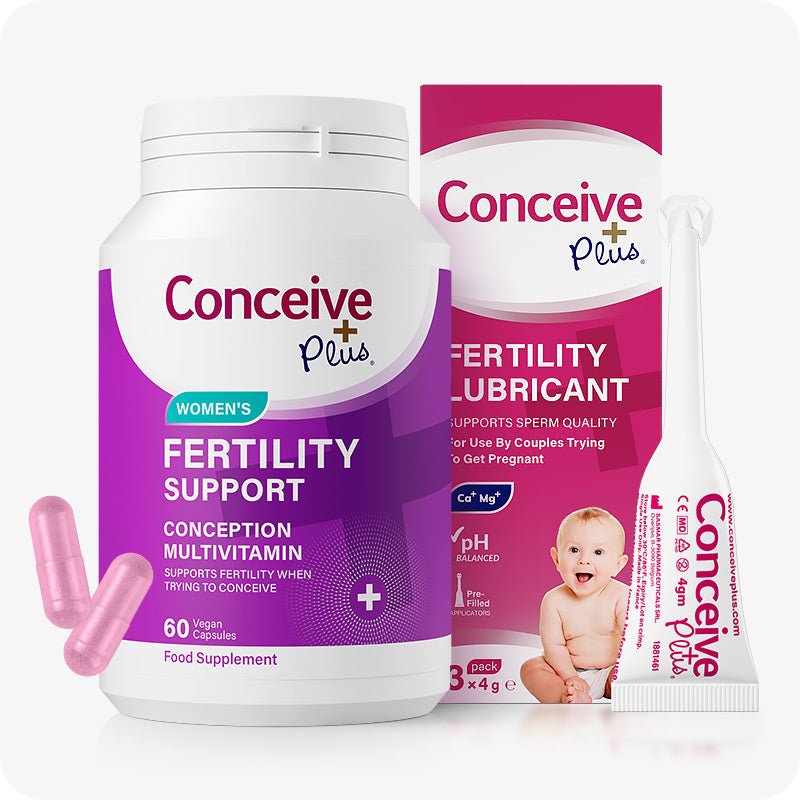
Our fertility bundles include everything both partners need — His & Hers fertility support for the best chance of conceiving.
Shop Now — $89.00✓ Free shipping available | ✓ Trusted by millions of couples worldwide
They identified over 45,000 women who had been evaluated for fertility issues between 1990 and 2006. The women were around 32 when they were first evaluated and they were followed up for several years.
Among the participants, 57% went on to have at least one child following their initial treatment for infertility, while 43% did not have any children.
The study found that women who had a child after experiencing fertility issues were more likely to still be with the same partner. In the 12 years after the initial fertility assessment, women who did not have any children were up to three times more likely to have divorced or separated from the person they were with at that time.
"Our findings suggest that not having a child after fertility treatment may adversely affect the duration of a relationship for couples with fertility issues. Further investigations that account for marital quality and relational wellbeing of couples with fertility problems are now needed," the researchers said.
🌱 The Complete Couples Solution
Give yourselves the best possible chance. Conceive Plus fertility products are trusted by couples in over 70 countries.
Shop Fertility Bundles →Frequently Asked Questions
Recommended by Fertility Experts
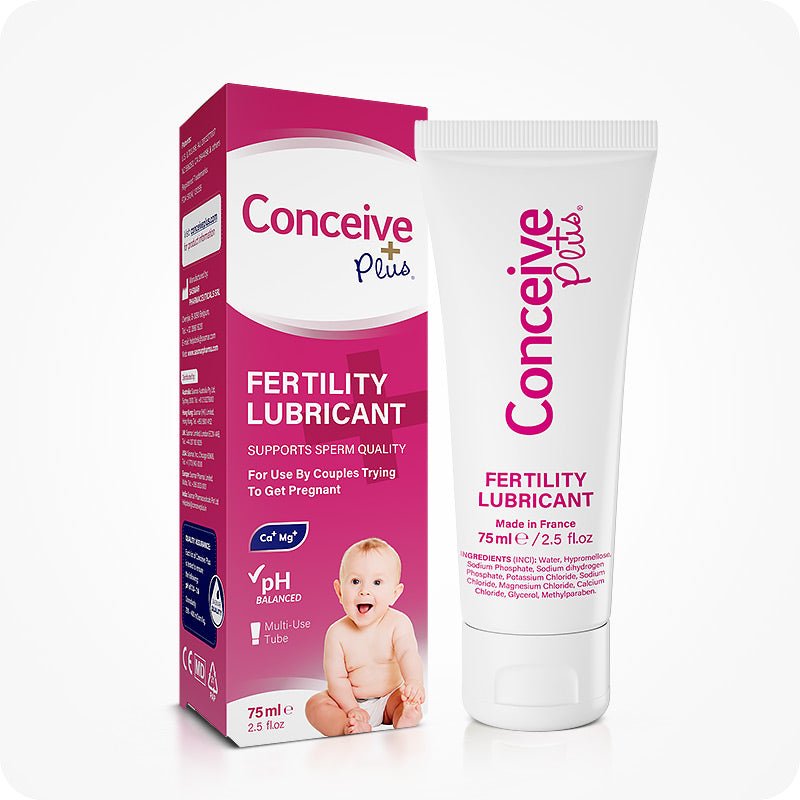
Conceive Plus Fertility Lubricant
Specially formulated to be sperm-friendly and isotonic, supporting your natural conception journey without disrupting the reproductive environment.
Shop Now →How common is it for couples to break up because of infertility?
Research shows that couples who don't have a child following fertility treatment are up to three times more likely to separate than those who do conceive. With around 1 in 7 UK couples experiencing fertility issues according to the NHS, relationship strain is unfortunately a common concern. However, many couples also report that facing fertility challenges together strengthens their bond.
Can we get couples counselling for infertility on the NHS?
Yes, the HFEA recommends that all fertility clinics offer counselling as part of their services, and NHS-funded fertility treatment typically includes access to a qualified counsellor. You can also ask your GP for a referral to NHS talking therapies if you're struggling emotionally. Many couples find professional support invaluable when navigating the stress of trying to conceive.
How long should we try to conceive before seeking help in the UK?
NICE guidelines recommend seeing your GP if you haven't conceived after one year of regular unprotected sex, or after six months if the woman is over 36. Your GP can arrange initial fertility tests and refer you to a specialist fertility clinic if needed. Early investigation can help identify any issues and reduce unnecessary stress on your relationship.
Does unsuccessful IVF affect mental health and relationships?
Studies show that unsuccessful fertility treatment can increase stress and depression levels, which may put additional strain on relationships. Women in particular may experience significant emotional impact following failed treatment cycles. It's important to maintain open communication with your partner and seek support from counselling services offered by your fertility clinic.
What support is available for couples struggling with infertility in the UK?
UK couples can access support through their NHS fertility clinic's counselling services, charities like Fertility Network UK, and peer support groups. Many Integrated Care Boards (formerly CCGs) fund counselling alongside fertility treatment. Speaking openly with your partner and connecting with others who understand your experience can help protect your relationship during this challenging time.
Are fertility treatment waiting times putting pressure on UK couples?
NHS waiting times for fertility treatment vary significantly across the UK, with some areas having waits of over 12 months for IVF. This uncertainty can create additional stress for couples already anxious about their fertility journey. Checking your local ICB's funding criteria and waiting times early can help you plan and manage expectations together.
How can we stay strong as a couple whilst trying to conceive?
Maintaining open communication, attending appointments together, and setting boundaries around fertility discussions can help protect your relationship. The research suggests that couples who eventually have a child are more likely to stay together, but focusing on your partnership regardless of outcomes is equally important. Consider accessing counselling support early, even if you feel you're coping well initially.
Trusted by Couples in Over 70 Countries
Start Your Fertility Journey With the Right Support
Conceive Plus Fertility Lubricant is specially formulated to be compatible with sperm, eggs, and embryos. Whether you are just starting out or have been trying for a while, our products are designed to work with your body — not against it.
Explore Fertility Lubricant →