More governments are worried about fertility rates
A recent United Nations fertility report collates some interesting statistics about the fertility of the world as a whole. Put simply, – and no surprises here – it finds that the developed world is not reproducing at the rate necessary to ensure the replacement of generations. Further compounding this problem, a mentality of low fertility may well be passed onto our fewer and fewer children as has happened in China as a result of the one child policy.
No wonder another key finding of the UN report is that there are an ever increasing number of governments who are worried about fertility rates. The report states that: Fertility has declined worldwide to unprecedented levels since the 1970s. Total fertility fell in all but six of the 186 countries or areas for which data are available for all three periods considered in the analysis. In the most recent period covered, 80 countries or areas had a total fertility below 2.1 children per woman, the level required to ensure the replacement of generations in low mortality populations.

✨ Trying to Conceive?
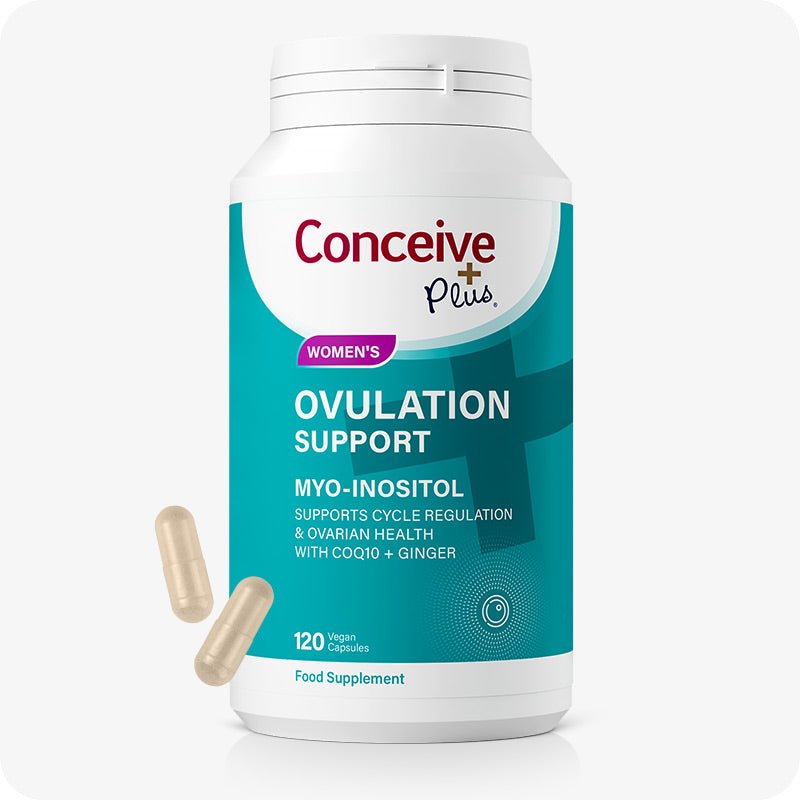
Our fertility supplements combine Myo-Inositol with essential vitamins to support healthy hormone balance and regular ovulation.
Shop Now — $36.00✓ Free shipping available | ✓ Trusted by millions of couples worldwide
As would be expected, fertility is particularly and quite shockingly low in the developed world: By 2000-2011, no European or North American countries had total fertility above 2.2 children per woman and only four (France, Iceland, Ireland and the United States of America) had levels above 2.0 children per woman. Total fertility was below 1.4 children per woman in about half of the developed countries. Levels of childlessness (i.e. women who choose, or are unable, to have children at all) are highest in prosperous nations who one would think would be able to afford children.
America’s childless rate is among the highest in the world (19%), despite the average age of first birth being 25 (fairly average). It seems that childlessness is becoming a common life choice. Singapore tops the list, with a childless rate of 23%, followed by Austria, the U.K., Finland, Bahrain, and Canada. Among other cultural factors, studies have shown that as more women enter the workforce at high levels childless rates go up because some women feel that they will gain more emotional satisfaction from maintaining their careers. The cost of raising a family also has an effect, as does the social acceptability of not having children. However, this report makes it very clear that motherhood is also a very necessary and highly valued choice, which society must continue to support and value.
🌱 Support Your Fertility Journey
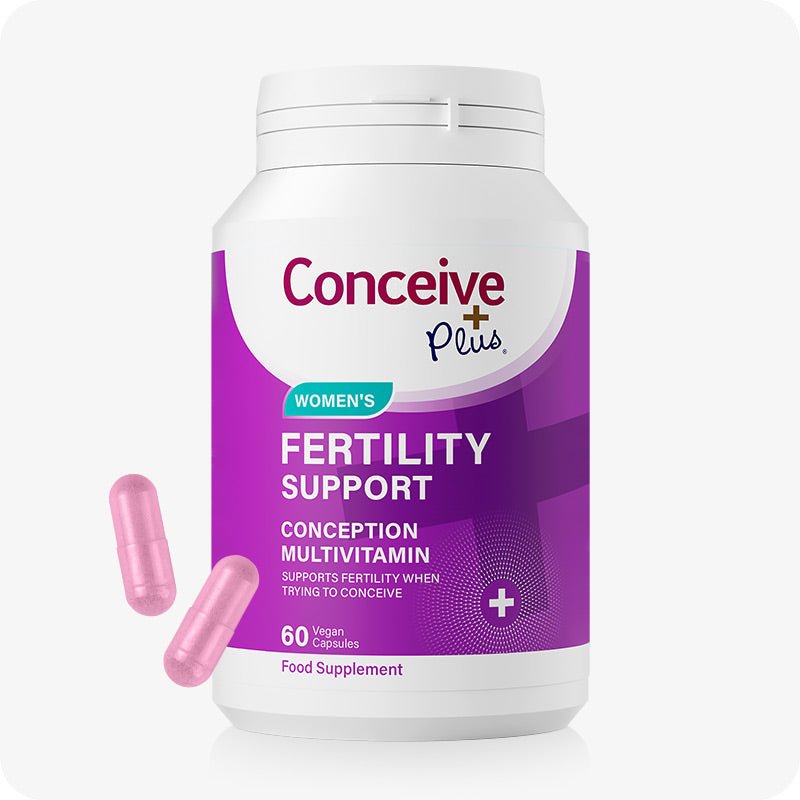
Conceive Plus fertility supplements are clinically formulated to help regulate your cycle and support egg quality.
Shop Fertility Support →Frequently Asked Questions
Recommended by Fertility Experts
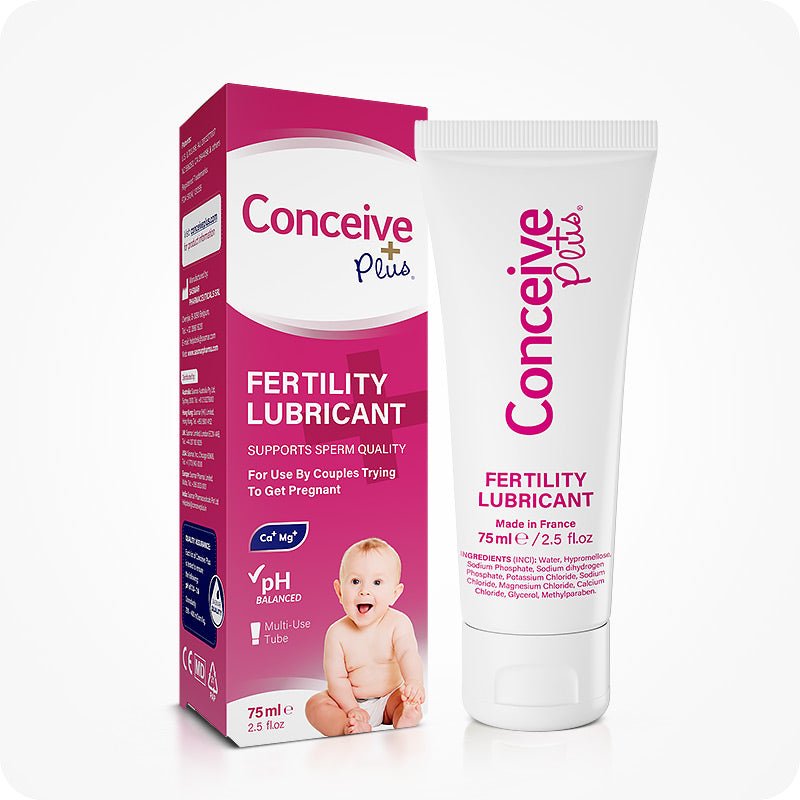
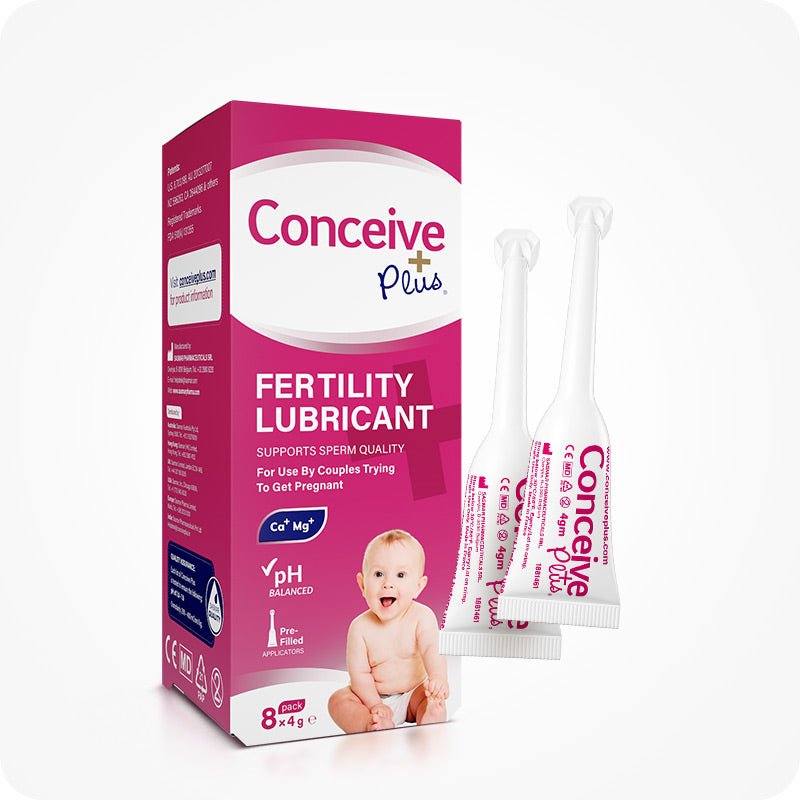
Conceive Plus Fertility Lubricant
Specially formulated to be sperm-friendly and isotonic, supporting your natural conception journey without disrupting the reproductive environment.
Shop Now →Why is the UK birth rate declining?
The UK birth rate has been falling due to a combination of factors, including women choosing to have children later in life, the rising cost of living, and more people opting to remain child-free. According to the UN report, fertility has declined worldwide since the 1970s, with most developed nations now below the 2.1 children per woman needed to maintain population levels.
Is the government doing anything to help couples trying to conceive in the UK?
Whilst the UK government hasn't introduced specific fertility incentive schemes like some other countries, NHS-funded fertility treatment remains available through Clinical Commissioning Groups (CCGs). However, funding varies significantly by region, and NICE guidelines recommend that women under 40 should be offered three full cycles of IVF, though many areas only fund one or two cycles.
How common are fertility problems in the UK?
According to the NHS, around 1 in 7 UK couples experience difficulty conceiving. This can be due to various factors affecting either partner, and the HFEA recommends seeking medical advice if you haven't conceived after one year of trying, or sooner if you're over 36 or have known fertility concerns.
What age does fertility start to decline for women in the UK?
Female fertility begins to decline more noticeably from around age 35, with a sharper drop after 40. The average age of first-time mothers in the UK has risen to over 30, which contributes to the lower birth rate as many couples may face more challenges when trying to conceive later in life.
Can I get fertility treatment on the NHS?
Yes, fertility treatment including IVF is available on the NHS, but eligibility criteria and waiting times vary considerably depending on your local Integrated Care Board (formerly CCG). NICE guidelines state that eligible couples should be offered up to three cycles of IVF, though in practice many areas offer fewer due to funding constraints. Speak to your GP for a referral to explore your options.
Why are more women choosing not to have children in the UK?
Childlessness rates in the UK have increased due to factors such as career priorities, financial concerns, environmental worries, and personal choice. The UN report notes that levels of childlessness are highest in prosperous nations, with the mentality of smaller families potentially being passed down through generations.
How long should I try to conceive before seeing a GP?
The NHS recommends visiting your GP if you haven't conceived after one year of regular unprotected intercourse. However, if you're over 36, have irregular periods, or have any known fertility concerns, it's advisable to seek advice sooner. Early investigation can help identify any issues and ensure you receive appropriate support or referral to a fertility specialist.
Trusted by Couples in Over 70 Countries
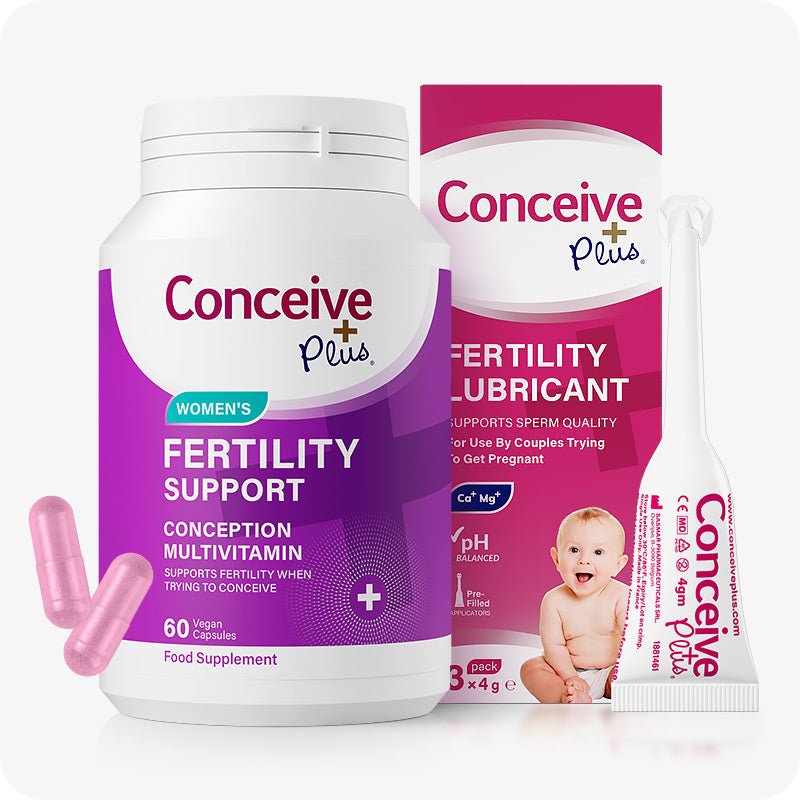
Start Your Fertility Journey With the Right Support
Conceive Plus Fertility Lubricant is specially formulated to be compatible with sperm, eggs, and embryos. Whether you are just starting out or have been trying for a while, our products are designed to work with your body — not against it.
Explore Fertility Lubricant →