Get Pregnant Naturally and FAST - Holistic Guide to Natural Pregnancy


Video
Get Pregnant Naturally and FAST - Holistic Guide to Natural PregnancyPregnancy tips to help you conceive
The time to start working toward a healthy pregnancy is before you conceive. If you are trying to get pregnant quick, our pregnancy tips are good start to get your body ready for conception process.More about Conceive Plus

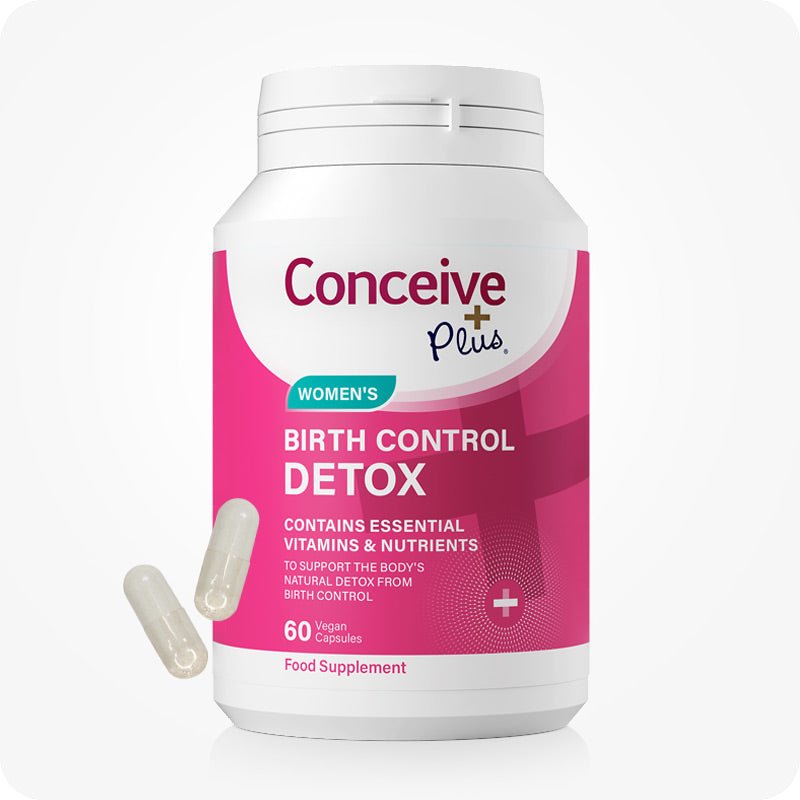
✨ Trying to Conceive?
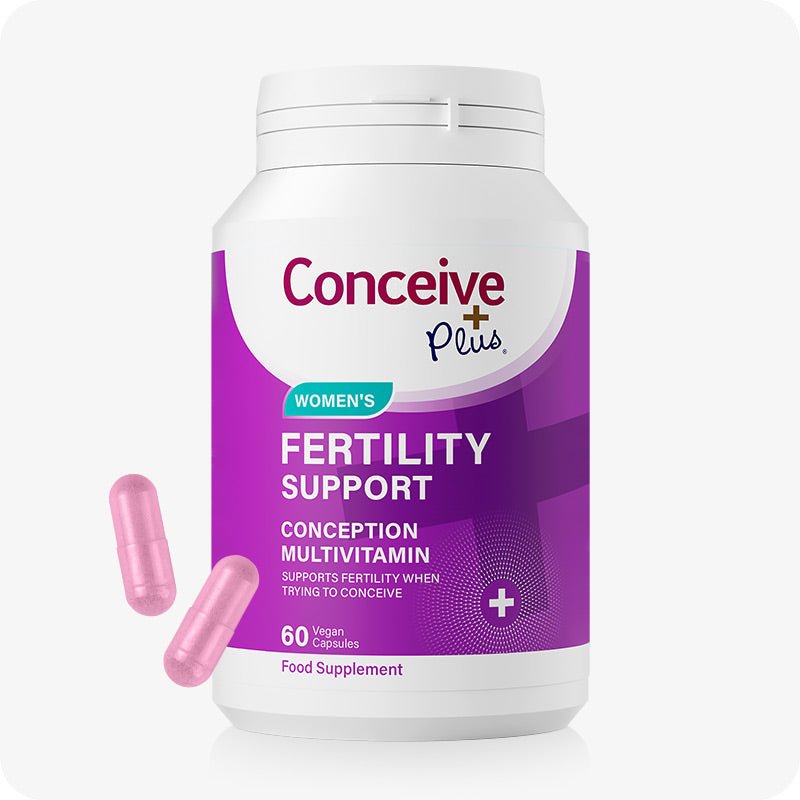
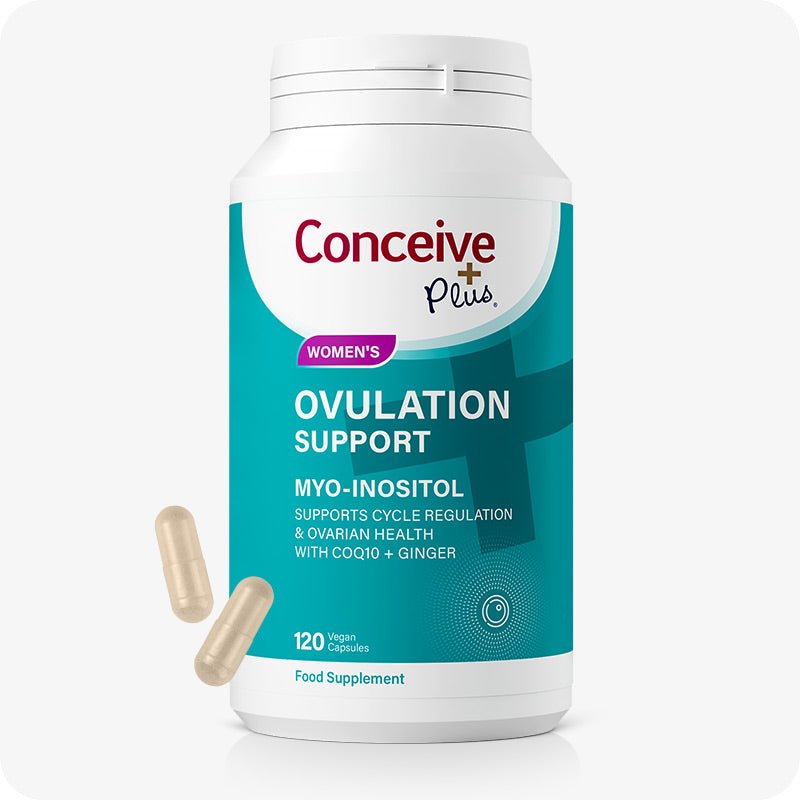
Our fertility supplements combine Myo-Inositol with essential vitamins to support healthy hormone balance and regular ovulation.
Shop Now — $36.00✓ Free shipping available | ✓ Trusted by millions of couples worldwide
🌱 Support Your Fertility Journey
Conceive Plus fertility supplements are clinically formulated to help regulate your cycle and support egg quality.
Shop Fertility Support →Frequently Asked Questions
Recommended by Fertility Experts
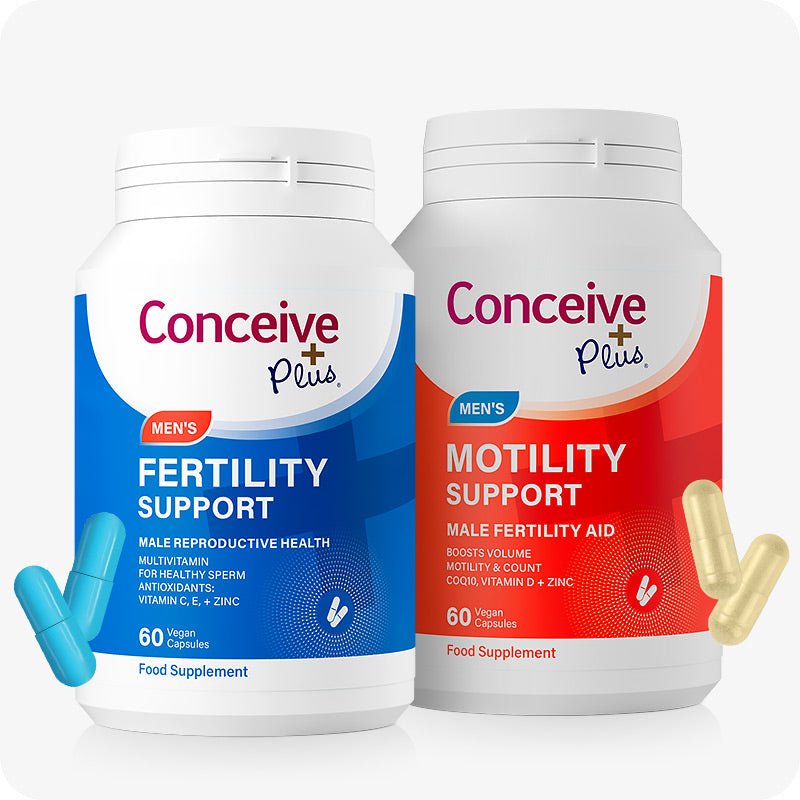
Conceive Plus Men's Fertility Support
Designed to support healthy sperm production, motility, and overall male reproductive health with clinically studied nutrients.
Shop Now →How long should I try to conceive naturally before seeing a fertility specialist on the NHS?
The NHS generally recommends seeing your GP after one year of trying to conceive if you're under 35, or after six months if you're 35 or older. Your GP can then refer you for fertility investigations and treatment through the NHS, though waiting times vary by region. If you have known fertility issues or health conditions affecting conception, it's worth speaking to your GP sooner rather than waiting.
What lifestyle changes can genuinely improve my chances of getting pregnant naturally?
Research shows that maintaining a healthy weight, reducing stress, limiting alcohol, and stopping smoking can all positively impact fertility for both men and women. Regular moderate exercise, adequate sleep, and a balanced diet rich in folate and antioxidants also support reproductive health. The NHS recommends these lifestyle changes as a first step before pursuing medical fertility treatments.
Are fertility supplements recommended by UK health professionals for natural conception?
Whilst some supplements containing vitamins like folic acid and vitamin D are widely recommended by NHS professionals and fertility clinics, evidence for specialist fertility supplements is more limited. The NHS advises all women trying to conceive take folic acid supplementation (400 micrograms daily), and your GP or fertility clinic can advise on whether additional supplements are appropriate for your individual circumstances.
What is the best way to track ovulation to improve my chances of conceiving?
Tracking ovulation through ovulation predictor kits, basal body temperature charting, or monitoring cervical mucus changes can help identify your fertile window. Many women also use fertility apps and period tracking tools available in the UK to record their cycles. If you have irregular cycles, your GP or a fertility clinic can provide guidance on the most reliable tracking method for your situation.
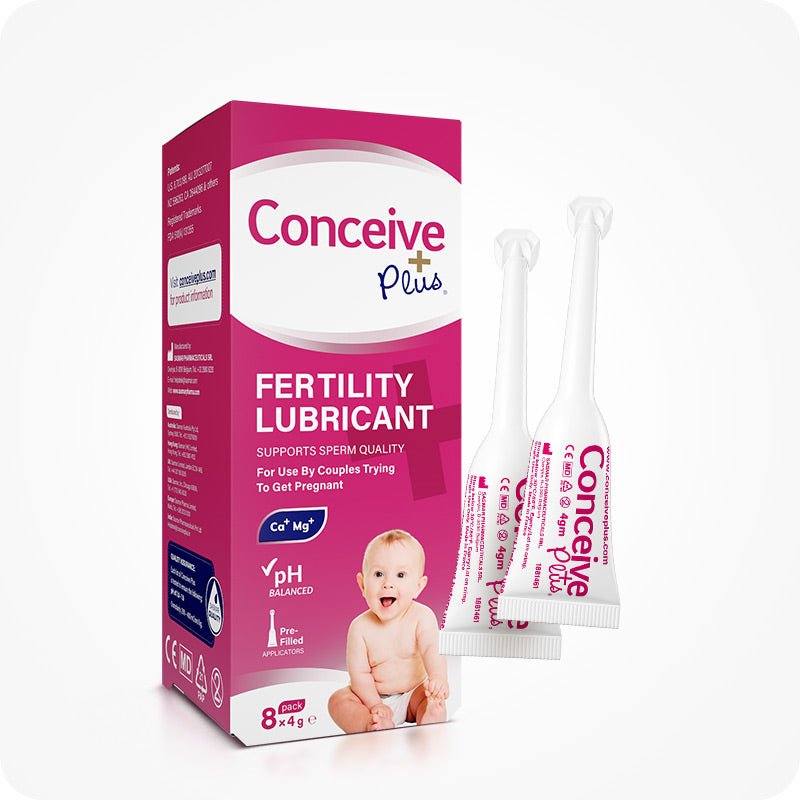
How does natural fertility-friendly lubricant differ from regular lubricants when trying to conceive?
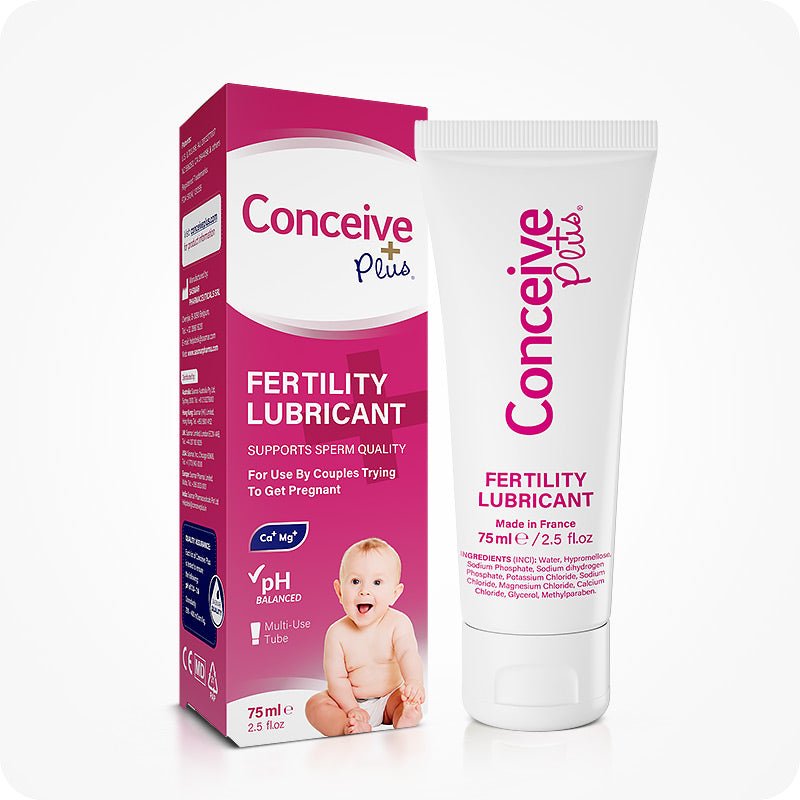
Most standard lubricants can damage sperm motility and reduce conception chances, whereas fertility-friendly lubricants are specifically formulated to maintain a sperm-friendly pH and osmolality. If you use lubricant during intercourse whilst trying to conceive, choosing one specifically designed for conception can support your natural fertility efforts. Always check product reviews and recommendations from UK fertility clinics when selecting this type of product.
Can diet and nutrition really impact my ability to get pregnant naturally?
Yes, nutrition plays an important role in fertility for both men and women, with studies showing that diets rich in whole grains, vegetables, and lean proteins support better conception outcomes. The NHS recommends ensuring adequate intake of folic acid, iron, and vitamin D, which are particularly important during the preconception period. Conversely, reducing processed foods, excess caffeine, and maintaining a healthy weight can all improve your natural fertility.
At what age does natural fertility decline significantly, and should I be concerned?
Female fertility gradually declines from the mid-30s onwards, with a more noticeable decline after age 35, which is why the NHS recommends earlier GP consultation for women in this age group. However, many women conceive naturally well into their late 30s and 40s, so age alone doesn't determine fertility. If you're concerned about age-related fertility, discuss your individual circumstances with your GP or a fertility specialist at an NHS clinic.
Trusted by Couples in Over 70 Countries
Support Male Fertility From the Inside Out
Male fertility is just as important as female fertility in the conception journey. Conceive Plus Men's range delivers targeted nutritional support to promote healthy sperm and overall reproductive wellbeing.
Shop Men's Range →