Ovulation Tracking: The Complete Guide for Couples Trying to Conceive


Ovulation Tracking: The Complete Guide for Couples Trying to Conceive
Understanding your cycle through ovulation tracking is one of the most powerful tools available to couples trying to conceive. Whether you've just started trying or have been on this journey for a while, accurate ovulation tracking can significantly improve your chances of timing intercourse during your most fertile days.
This comprehensive guide covers every method of ovulation tracking — from free, low-tech approaches to advanced technology — with evidence-based guidance on how to use each one effectively. We also look at the critical nutrients and supplements that support ovulation quality and how Conceive Plus can support your TTC journey every step of the way.
Why Ovulation Tracking Matters for Conception
The human fertility window is surprisingly narrow. An egg survives for just 12–24 hours after ovulation. Sperm, however, can survive in fertile-quality cervical mucus for up to 5 days — which is why the 5 days before ovulation, plus ovulation day itself, form the optimal conception window. Miss this window in any given cycle, and you must wait until the next month.
Studies show that only 30% of women have their fertile window entirely within days 10–17 of their cycle — the "textbook" ovulation timing most couples rely on. The remaining 70% ovulate earlier or later, or have significant cycle-to-cycle variability. This is why guesswork fails — and why ovulation tracking is so essential.
With accurate ovulation tracking, you can:
- Identify your personal fertile window with precision
- Understand your cycle length and variability
- Spot signs of ovulation problems early
- Make the most of each cycle
- Reduce the stress of guessing and timing
Method 1 — Ovulation Predictor Kits (OPKs)
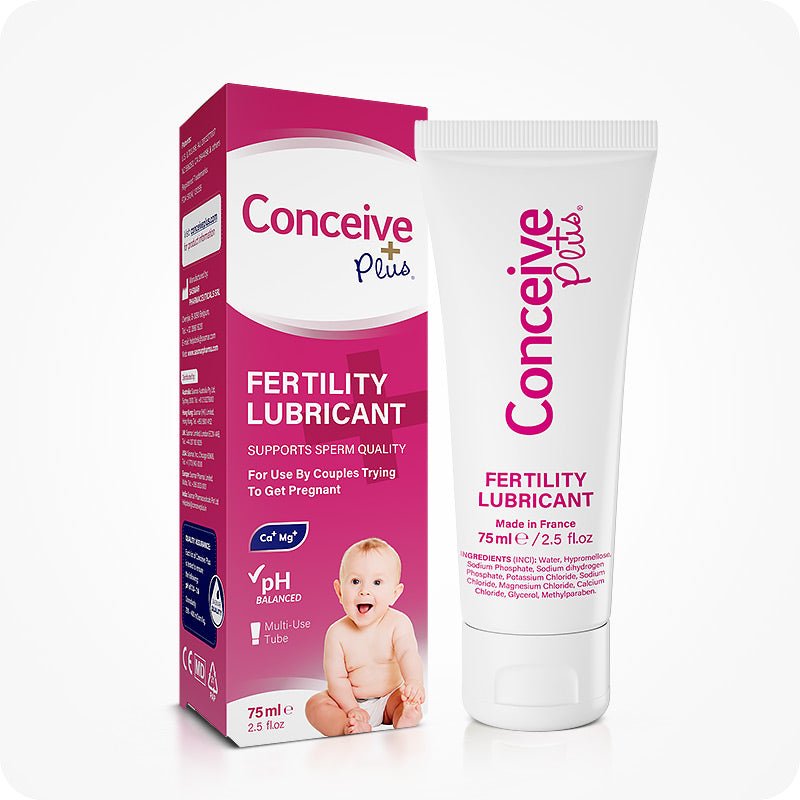
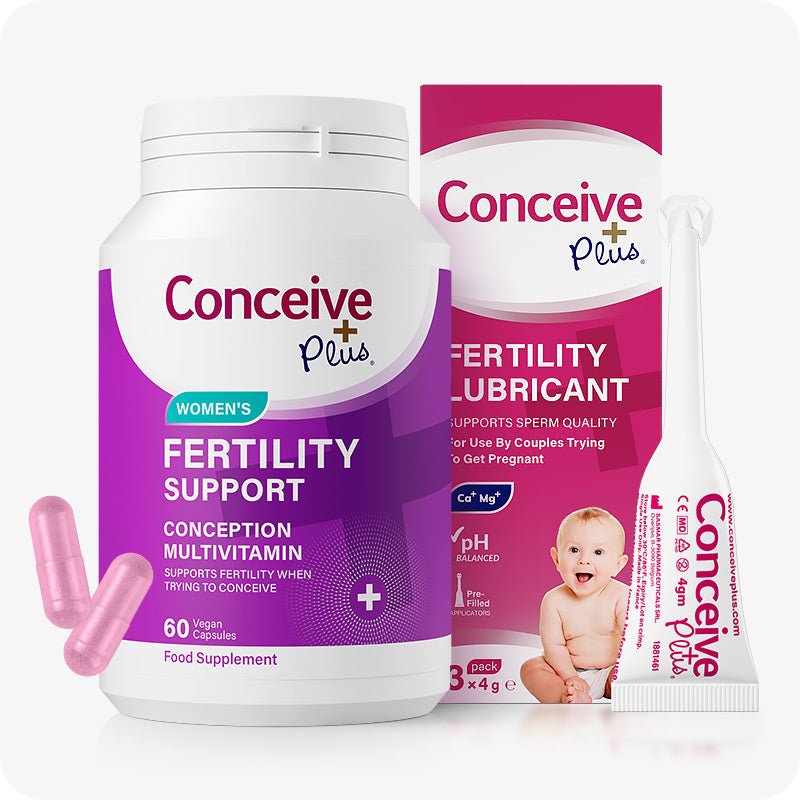
Support your fertility journey with Conceive Plus. Clinically formulated supplements and fertility lubricants trusted by thousands of couples. Shop Conceive Plus →
Ovulation predictor kits (OPKs) detect the luteinising hormone (LH) surge that triggers ovulation approximately 24–36 hours before egg release. They are one of the most reliable and accessible ovulation tracking methods available.
How to use OPKs effectively:
- Start testing from approximately day 10 of your cycle (earlier if you have short cycles)
- Test once or twice daily — morning and early afternoon give the best results
- A positive result (test line as dark as or darker than control line) indicates ovulation is imminent
- Have intercourse on the day of the LH surge and the following 1–2 days
- Digital OPKs eliminate line-reading ambiguity and are particularly helpful for beginners
Limitations of OPKs: They confirm the LH surge but not ovulation itself. In some women (particularly those with PCOS), multiple LH surges can occur per cycle without actual ovulation. Pairing OPKs with a secondary ovulation tracking method improves accuracy.
Method 2 — Basal Body Temperature (BBT) Charting
Basal body temperature refers to your resting body temperature, taken immediately upon waking before any activity. After ovulation, progesterone production causes a sustained rise of 0.2–0.5°C that persists until the next period. This temperature shift is a reliable retrospective confirmation of ovulation.
BBT charting for ovulation tracking:
- Use a thermometer accurate to 0.1°C (digital BBT thermometers are ideal)
- Take temperature at the same time every morning before getting out of bed
- Record results on a chart or fertility app
- Look for a sustained rise of at least 0.2°C lasting at least 3 consecutive days — this confirms ovulation occurred
- After 2–3 cycles, you can predict ovulation timing based on your pattern
Limitations: BBT confirms ovulation after it has happened, not before. It requires consistent sleeping patterns and is affected by illness, alcohol, or disturbed sleep. It is most useful when combined with OPKs for a complete ovulation tracking picture.
Method 3 — Cervical Mucus Monitoring
Cervical mucus changes dramatically across the menstrual cycle under oestrogen and progesterone influence. Tracking these changes is a free, body-based ovulation tracking method that provides real-time fertility awareness.
The cervical mucus progression:
- Post-period: Dry or minimal discharge
- Pre-ovulation: Thick, white, creamy discharge (like lotion)
- Approaching ovulation: Increasing, wetter, yellowish or clear
- Peak fertility (ovulation): Clear, stretchy, slippery — like raw egg white. This is the most fertile cervical mucus and indicates maximum fertility.
- Post-ovulation: Returns to thick, cloudy, or dry
The egg-white consistency at ovulation is nature's ovulation tracking signal. When you observe this mucus, your fertile window is open. Intercourse on days with egg-white mucus gives the highest conception odds.
Method 4 — Fertility Monitors and Smart Devices
Advanced ovulation tracking devices use multiple hormonal signals or algorithms to predict and confirm ovulation with greater precision than OPKs alone.
Hormone-based monitors (e.g., Clearblue Advanced Fertility Monitor): Track both oestrogen and LH, identifying a longer fertile window (up to 6 days) and distinguishing peak from non-peak fertile days. Particularly useful for women with irregular cycles.
Wearable devices (e.g., Tempdrop, Ava bracelet): These track temperature and other physiological signals continuously during sleep, removing the need for manual morning temperature taking. They use algorithms to confirm ovulation and predict future cycles.
Saliva ferning microscopes: Oestrogen causes saliva to crystallise in a fern-like pattern as ovulation approaches. While less reliable than LH-based methods, saliva ferning can serve as an additional data point for ovulation tracking.
Combining Methods for Maximum Accuracy
The most reliable ovulation tracking approach combines multiple methods:
- Use OPKs daily from cycle day 10 to catch your LH surge
- Monitor cervical mucus daily — egg-white mucus and OPK surge should align
- Chart BBT daily — use the post-ovulation temperature rise to confirm ovulation occurred
- Record everything in a fertility app — apps like Femm, Natural Cycles, or Kindara help identify patterns over multiple cycles
This combined approach typically gives a fertility window prediction accurate to within 1–2 days — far better than calendar-based guessing.
Ovulation and Fertility Supplements: Supporting Your Cycle Naturally
While ovulation tracking identifies your fertile window, the quality of your ovulation matters as much as its timing. Several nutrients have evidence-based roles in supporting regular ovulation and egg quality:
- Folic acid / methylfolate: Essential for cell division and egg quality. Recommended for all women TTC.
- Vitamin D: Low vitamin D is associated with irregular cycles and reduced ovarian reserve. UK women are particularly at risk of deficiency, especially in winter months.
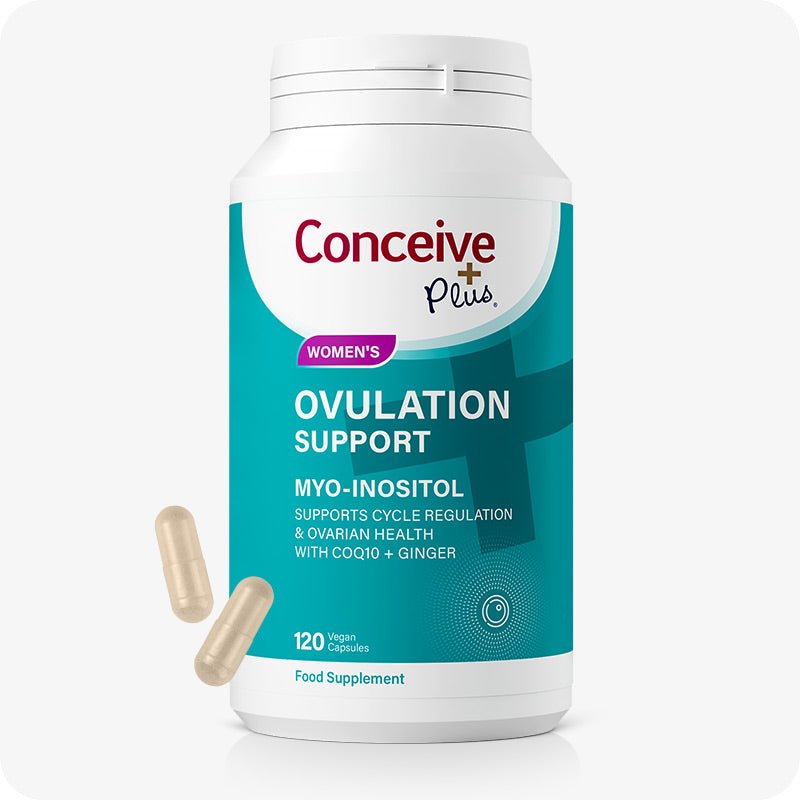
- CoQ10: An antioxidant that supports mitochondrial function in egg cells. Evidence suggests CoQ10 supplementation may improve egg quality, particularly in women over 35.
- Inositol: Particularly well-studied for women with PCOS. Myo-inositol helps restore ovulatory function and insulin sensitivity.
- Omega-3 fatty acids: Support hormonal balance and reduce inflammation that can impair ovulation.
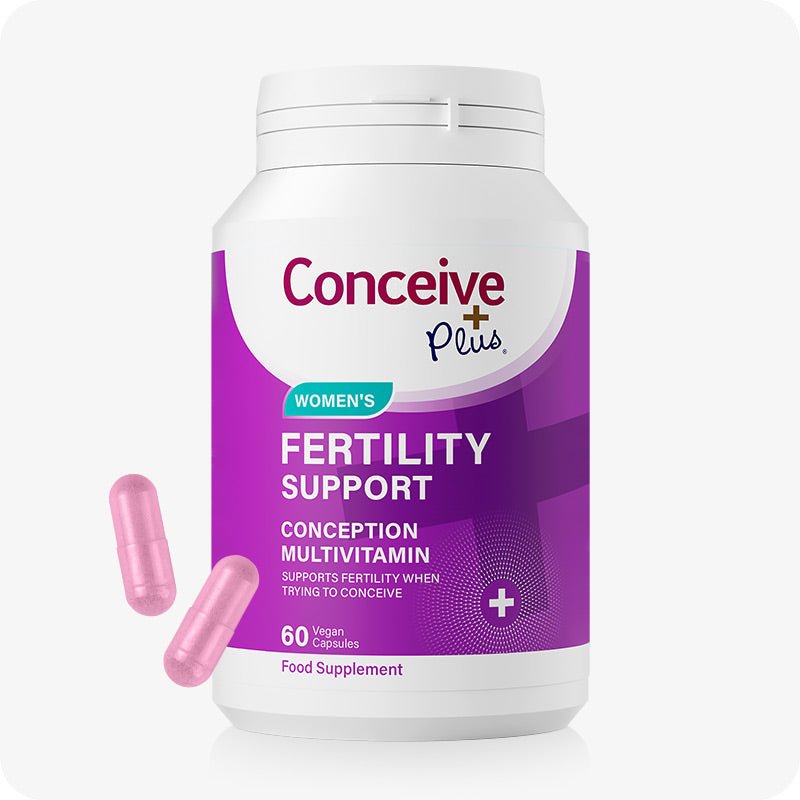
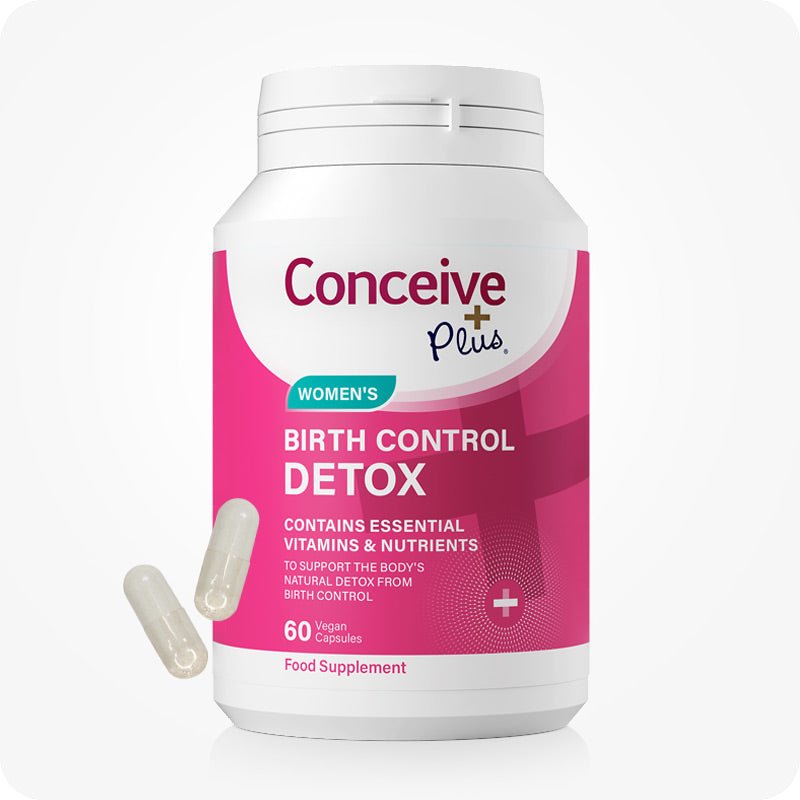
Conceive Plus fertility supplements are formulated to support women throughout the conception journey — from optimising ovulation to supporting early pregnancy. Used alongside your ovulation tracking routine, they provide nutritional foundations for reproductive health.
When Ovulation Tracking Reveals a Problem
One of the underappreciated benefits of ovulation tracking is its diagnostic value. Patterns that emerge from tracking can alert you and your GP or gynaecologist to potential issues requiring attention:
- Consistently short luteal phase (less than 10 days between ovulation and period): May indicate insufficient progesterone production, which can impair implantation.
- No clear BBT rise over multiple cycles: May suggest anovulation (cycles without ovulation). This requires investigation.
- Multiple positive OPKs without a clear surge: May indicate PCOS-related LH fluctuations.
- Very irregular or absent cycles: Tracking helps quantify the irregularity, providing useful data for medical consultations.
- Very short or long cycles: Cycles shorter than 21 days or longer than 35 days are associated with reduced fertility and warrant medical review.
If you've been tracking for 3+ cycles and see patterns suggesting a problem, bring your charts to your GP. Fertility tracking data is genuinely valuable for diagnosis and speeds up the investigative process.
Frequently Asked Questions About Ovulation Tracking
Q: How many days before ovulation should I start having intercourse?
A: Sperm survives up to 5 days in fertile mucus, so starting 4–5 days before ovulation — every 1–2 days — gives sperm the best chance of being present when the egg is released. Having intercourse on the day of your LH surge and the following day maximises timing.
Q: Can stress affect my ovulation tracking results?
A: Yes. Severe stress can delay or suppress ovulation, causing an OPK surge to appear later in your cycle or not at all. BBT charts may show a later-than-usual temperature rise. Ovulation tracking gives you visibility into these cycle disruptions rather than leaving you guessing.
Q: How long should I try ovulation tracking before seeing a doctor?
A: Under 35: try for 12 cycles with accurate tracking. Over 35: seek a GP referral after 6 cycles. Over 40: after 3 cycles. If ovulation tracking reveals anovulatory cycles at any age, seek medical advice sooner.
Q: Can I use ovulation tracking if I have irregular periods?
A: Yes — in fact, it's even more important. Women with irregular cycles benefit most from daily OPK testing and cervical mucus monitoring, as calendar-based predictions are entirely unreliable. Start OPK testing from day 8–10 of any cycle length, and continue until you detect a surge.
Q: Does Conceive Plus lubricant interfere with cervical mucus monitoring?
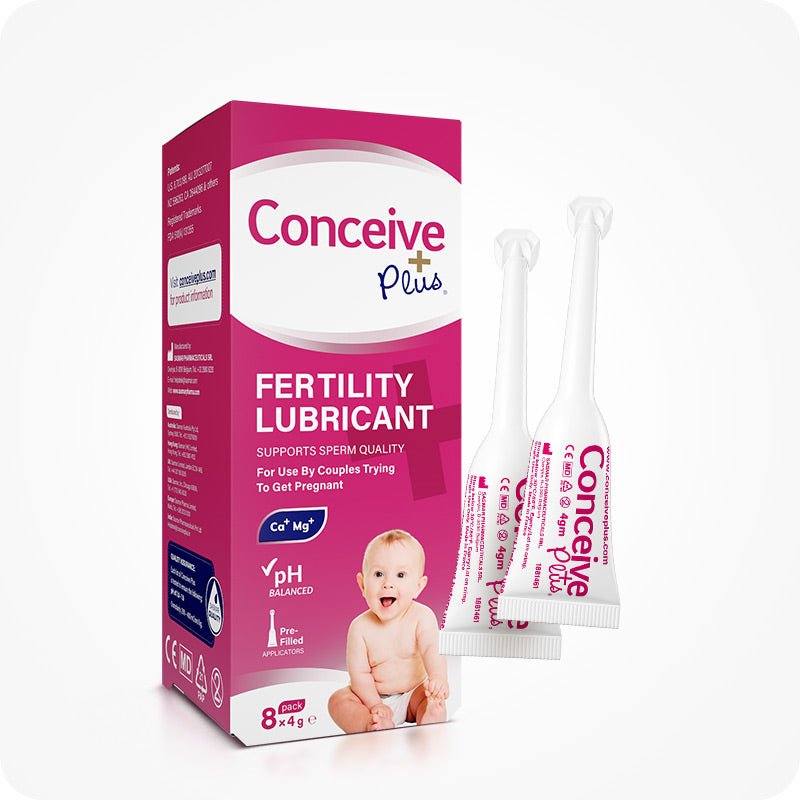
A: Conceive Plus is designed to mimic fertile cervical mucus and won't disrupt cervical mucus monitoring if observations are made before application. For the most accurate mucus assessment, check your mucus before using any lubricant.
Q: Are app-based cycle predictions reliable for ovulation tracking?
A: Apps that rely solely on calendar algorithms have variable reliability — particularly for women with irregular cycles. Apps that incorporate physical data (BBT, OPK results, mucus observations) are significantly more accurate. Never rely on a calendar-only app for TTC timing.
Q: Can I track ovulation while breastfeeding?
A: Ovulation can return while breastfeeding, often unpredictably. OPKs and mucus monitoring are more useful than BBT in this context (temperature patterns can be disrupted by broken sleep). Many breastfeeding women find standard tracking methods less reliable — discuss with your midwife or GP.
Q: What if I get a positive OPK but no period follows after 16+ days?
A: If you've had unprotected intercourse in the fertile window, take a pregnancy test. A missing period after a confirmed LH surge could indicate pregnancy. If the test is negative, consult your GP — an unusually long luteal phase without pregnancy warrants investigation.
Ready to take the next step? Explore the full Conceive Plus range — from fertility supplements to sperm-friendly lubricants — designed to support every stage of your conception journey. Discover Conceive Plus →